In ancient Rome, not all homes were grandiose; many were modest dwellings, reflecting the economic realities of their inhabitants. Understanding what poor Roman houses were like offers a glimpse into the daily lives of everyday people, showcasing their resilience and resourcefulness in the face of hardship. Exploring these living conditions reveals how they navigated limited space and resources, providing valuable lessons in creativity and community. As you delve into this topic, you’ll discover that the essence of these humble abodes speaks to the enduring human spirit and the importance of finding fulfillment, even in less-than-ideal circumstances. Join us as we uncover the fascinating world of poor Roman houses and the lives that thrived within their walls.
What Did Poor Roman Houses Look Like?
In ancient Rome, the living conditions of the lower class starkly contrasted with those of the wealthy, showcasing a wide disparity within society. Poor Roman houses, primarily located in densely populated urban areas, were rudimentary structures that often lacked basic amenities. These homes, known as insulae, were typically multi-story tenement buildings made of wood or concrete, with several families sharing the same dwelling. The initial floor usually housed shops or workshops, while the upper levels were reserved for residences, often featuring cramped living spaces that could barely accommodate the needs of the occupants.
Within these compact quarters, every inch was utilized creatively. Basic furnishings were minimal, often just a few personal belongings and necessary household items. Walls might be bare, and furniture was typically crafted from affordable resources such as simple wooden benches or stools. Cooking was usually done over a small hearth or open flame, which could pose fire hazards in the closely packed buildings. Poor families often shared communal facilities, including latrines and bathing areas, further emphasizing the constraints of their living conditions.
One significant aspect of these houses was their vulnerability to the elements and urban challenges. Poor insulation meant that homes could become unbearably hot in the summer and cold in the winter. Additionally, given their construction with less durable materials, many insulae were prone to structural issues and required frequent repairs. This led to a continuous cycle of instability, exacerbating the difficulties faced by families living in these circumstances.
Ultimately, the architecture of poor Roman houses reflects broader societal issues of inequality and the struggle for survival among the lower classes. Despite these hardships, the resilience and resourcefulness of the inhabitants stood out, as they adapted day-to-day life within limited means, illustrating a remarkable human spirit in the face of adversity.
Essential Features of Roman Homes
In the bustling heart of ancient Rome, the architecture of homes reflected a spectrum of social status, with poor houses, known as insulae, serving not just as dwellings but as a vivid testament to resilience in adversity. These multi-story tenement buildings were often cramped and poorly constructed, designed to accommodate a large number of residents within limited space. The essential features of these homes were stark and utilitarian, catering primarily to survival rather than comfort.
Most insulae were built with inexpensive materials such as wood and tuff stone, showcasing practicality over aesthetics. With multiple families sharing these structures, privacy was a precious luxury. Each unit typically contained a single room or a small set of rooms used for sleeping, cooking, and living, often with a shared cooking area and latrines. While inhabitants showcased remarkable ingenuity in maximizing their small spaces, the lack of proper ventilation and insulation made these homes uncomfortable during extreme weather – sweltering in the summer and chilly in winter.
The living conditions inside these homes often forced families to adopt communal lifestyles, sharing facilities and resources. The tight-knit community fostered strong bonds but also highlighted the stark socio-economic divides. The resilience of these families was evident in their day-to-day life, where they relied on simple furnishings made from readily available materials-think wooden stools, small tables, and straw mats. Families often had to get creative with storage, utilizing every nook and cranny to organize their few personal belongings and essentials.
Ultimately, the features of poor Roman homes illustrate not just the architectural style of the times but also the indomitable spirit of those who inhabited them. In looking beyond the structural limitations, we find a narrative of hope and resourcefulness-reminders that perseverance and creativity can flourish even in the most challenging environments.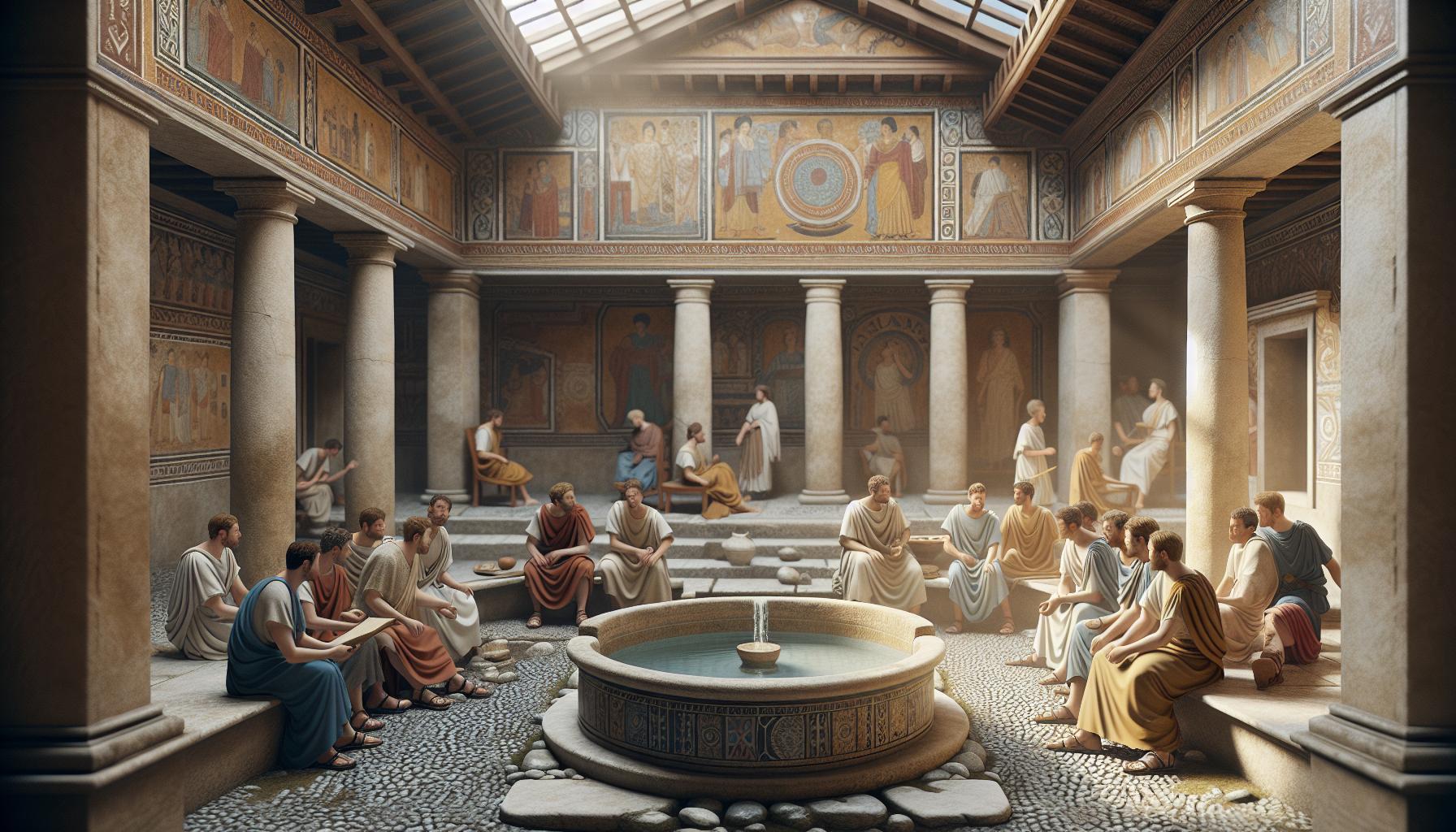
Daily Life in Ancient Roman Dwellings
Daily life within the ancient Roman insulae was marked by a unique blend of resilience, creativity, and community spirit, which allowed families to navigate the challenges of cramped living conditions. These multi-story tenement buildings provided shelter for many but did so at the cost of privacy and comfort. With typically only a single room or two per family, daily activities involved a harmonious orchestration of work, cooking, and family life all within limited space. Cooking often took place in shared areas, where the aroma of simple meals mingled with the sounds of communal activity, illustrating the bustling nature of life in these lower-class homes.
In these close quarters, the spirit of cooperation thrived. Families shared resources such as cooking equipment and facilities, promoting a community-centric lifestyle. This shared experience prompted not just practical support, but also an emotional bond, as neighbors relied on each other in times of need. Strong connections were formed through this daily interaction, enabling families to support one another amidst economic hardships. As families often operated within tiny living spaces, every item-from furniture to kitchen utensils-was multi-functional, demonstrating remarkable resourcefulness. Wooden stools could serve as seating during meals and a small table might double as a workspace for various activities.
Life in the insulae also meant adopting a creative approach to ensuring that essential needs were met despite limited resources. For example, families often fashioned their furniture from scavenged materials or made do with hand-me-down items, nurturing a culture of sustainability. Children contributed by helping with chores or fetching water from community wells, fostering a sense of responsibility. Meanwhile, the parents engaged in various jobs, from craftsmen to laborers, each contributing to the family income while instilling values of hard work and thriftiness in their children.
Despite the structural limitations and crammed quarters, the inhabitants of insulae often found ways to celebrate their community and culture. Festivals, communal gatherings, and shared meals helped reinforce social ties and provide a respite from daily struggles. Such practices exhibited a tenacity that could inspire modern readers, reminding us that life’s greatest treasures often lie beyond material wealth, rooted instead in relationships, resourcefulness, and the warmth of community.
Materials Used in Construction
The dwellings of the poorer classes in ancient Rome, notably the insulae, were often constructed using materials readily available and affordable, reflecting both economic constraints and local resources. Primarily made from mudbrick, wood, and stone, these structures were not only functional but also indicative of the community’s resilience and clever use of resources. Mudbricks, made from a mixture of clay and straw, were a popular choice due to their thermal properties, which helped maintain a more stable indoor climate, especially during Rome’s hot summers.
Additionally, timber was widely utilized, forming the framework and upper levels of these multi-story buildings. Unfortunately, wood was susceptible to fire-a constant threat in densely packed urban areas. As a solution to this challenge, lower levels were often built from more fire-resistant materials such as tufa (a type of limestone) or brick. This layered construction approach not only enhanced durability but also highlighted the ingenuity of Roman builders in optimizing their environment.
In terms of roofing, a mix of tiles and thatched materials was commonly employed. Roof tiles, while more expensive, offered greater protection against the elements and contributed to better insulation. On the other hand, financially constrained families may have relied on thatch, despite its shorter lifespan and vulnerability to fires, reflecting a persistent necessity to balance cost against safety.
- Mudbrick: Cost-effective and excellent for insulation.
- Wood: Common for upper levels, but prone to fire.
- Tufa and Brick: Used for lower levels to enhance durability.
- Roofing: Combination of tiles for durability and thatch for lower costs.
The construction materials not only shaped the physical appearance of Roman homes but also mirrored the social dynamics of daily life within these spaces. Resourceful use of materials allowed families to adapt and thrive, showcasing an extraordinary ability to craft a semblance of stability amidst the chaos and overcrowding characteristic of lower urban settings. As you explore the fascinating architecture of ancient Rome, consider how these modest homes served not only as shelters but as the heart of a resilient community, demonstrating the power of creativity and adaptation in the face of economic challenges.
Living Conditions of the Roman Lower Class
In the bustling heart of ancient Rome, the living conditions of the lower class were often challenging yet filled with a certain resilience. The typical home of the poorer citizens, known as insulae, was a multi-story building that housed numerous families in tight quarters. These buildings often lacked basic amenities that many today take for granted, and the layout was generally cramped, reflecting both economic limitations and the urgent need for functional living spaces amidst a growing urban population.
The interiors of these dwellings were stark and utilitarian. Families typically inhabited small rooms carved out of larger shared spaces, which often included communal kitchens and restrooms. This shared lifestyle fostered a sense of community but also brought challenges, such as noise, lack of privacy, and often unsanitary conditions. The absence of running water in many insulae meant that families relied on public fountains for their water supply and shared latrines, which contributed to the spread of diseases, especially in overcrowded settings.
Despite these hardships, the spirit of the lower class was characterized by an impressive adaptability. Many families actively participated in local markets or skilled trades, demonstrating entrepreneurial spirit even in the face of adversity. Festivals and gatherings provided moments of relief and joy amid the routine struggles, showcasing the cultural richness of Roman society. The ability to create community bonds and maintain a semblance of normalcy was a testament to their resilience.
Overall, the , while difficult, were a reflection of an industrious community working together to navigate the realities of urban life. Their adaptability in the face of economic constraints served as a principle of survival and collective strength, offering valuable lessons about resourcefulness and community resilience that are still relevant today.
Comparison: Rich vs. Poor Roman Houses
The contrast between rich and poor Roman houses is stark and revealing, reflecting the vast social and economic disparities of the time. Wealthy Romans resided in grand domus, characterized by their spacious layouts, intricate architectural designs, and luxurious amenities. These homes often featured multiple rooms including a central atrium, which served as the focal point for family gatherings and social interactions. The rich had access to private kitchens, bathrooms, and well-decorated living spaces adorned with mosaics, frescoes, and fine furnishings. These environments not only exemplified wealth but also conveyed status, with elaborate gardens and even courtyards enhancing the aesthetic appeal of the residence.
In stark contrast, the homes of the poorer classes-known as insulae-offered little in the way of comfort or privacy. Constructed from basic materials such as brick and wood, these multistory buildings typically housed several families in cramped conditions. Each family often occupied a small and poorly lit room that served multiple purposes, lacking the separation and privacy seen in wealthier households. Communal kitchens and latrines were common, and sanitation conditions were often subpar, creating challenges for health and hygiene. Heat and ventilation were minimal, making living in these spaces particularly uncomfortable during hot summer months or cold winters.
The living environment further illustrates the diversity in Roman housing. While wealthy families might enjoy finely appointed dining rooms where they could host elaborate banquets, poorer households focused on practicality, often sharing meals in the same confined areas where they slept. This difference highlights the resourcefulness of the lower class, who found ways to adapt their limited spaces and foster a sense of community amidst adversity. Celebrating festivals and gatherings, even in modest settings, provided a much-needed escape and reminded families of the richness of Roman culture, regardless of their material circumstances.
In summary, the disparities between rich and poor housing in ancient Rome reflect broader themes of community resilience and adaptability. While wealth allowed for luxury and spacious living, the resourceful spirit of the lower classes shone through in their ability to create meaningful lives within their restricted environments. By recognizing this contrast, we can better appreciate the varied experiences of Romans and the strengths that can emerge from challenging living conditions.
The Role of Space in Roman House Design
In the densely populated urban landscapes of ancient Rome, the design and use of space in poor households were critical to their daily lives and community interactions. While wealthier Romans enjoyed spacious domus designed with various rooms, the homes of the lower classes, known as insulae, were largely practical, with limited room for individual privacy or luxury. The layout of these insulae not only showed the constraints imposed by economic factors but also highlighted the adaptability and resilience of their inhabitants.
In these cramped settings, families often shared small, multipurpose rooms that served as sleeping areas, kitchens, and living spaces all rolled into one. This multifunctionality, while a necessity, fostered a sense of community and interdependence among residents. To maximize their limited space, families would make use of verticality, stacking rooms and utilizing shared common facilities. This arrangement, however, came at the cost of comfort: inadequate ventilation and limited natural light made living conditions uncomfortable, especially during extreme weather.
Adaptation and Resourcefulness
The poor had to be resourceful, finding creative ways to make the most of their confined environments. For instance, families would often use furnishings that could serve multiple purposes, such as tables that could be folded away when not in use, or storage solutions that doubled as seating. Celebrations and communal gatherings were often organized within these limited spaces, highlighting a shared culture that thrived despite the physical limitations. The ability to adapt and create a sense of belonging in such conditions became a vital aspect of daily life for the Roman lower class.
This design philosophy exemplifies how space directly influences lifestyle. By understanding the constraints of their environment, Roman families learned to rely on one another, sharing resources and supporting each other both socially and economically. Such communal lifestyles can serve as inspiration for modern individuals facing financial limitations, illustrating that, with creativity and cooperation, it is possible to cultivate a fulfilling life, even within restrictive circumstances.
Moreover, these ancient examples of spatial efficiency can encourage today’s families to embrace minimalism and smart design in their homes, reflecting on their own resourcefulness. Identifying multifunctional furniture, utilizing space-saving designs, and fostering strong community ties can contribute to a healthier, more supportive living environment – encouraging a lifestyle that prioritizes relationships and shared experiences over material wealth.
Impact of Geography on Roman Housing
The geographic diversity of ancient Rome played a crucial role in shaping the living conditions of its inhabitants, particularly the poor. Urban neighborhoods were typically overcrowded hotspots, with insulae (apartment buildings) rising several stories high to accommodate the influx of residents. These structures were often built closely together, creating narrow streets that limited sunlight and airflow, exacerbating the already challenging conditions faced by those in lower socioeconomic brackets. The landscape of Rome, with its hills and valleys, meant that construction was often adapted to the uneven terrain, leading to more cramped and less desirable living situations for the poor.
Additionally, the availability of resources and building materials was heavily influenced by geographic factors. In regions closer to the city center, where land was at a premium, lower-class families typically built their homes with less durable materials like wood and mud bricks, which were cheaper but less resilient. In contrast, wealthier Romans, who had access to greater financial resources, could afford stone and marble, allowing them to construct more substantial and long-lasting structures. This disparity in materials not only affected the immediate comfort of the dwellings but also their long-term viability as housing options.
Given these conditions, creativity became vital for the survival of the urban poor. They ingeniously optimized their small living spaces, making the most of what they had. For instance, renting a small room in a shared insula offered a roof overhead, while communal facilities provided essential services like cooking and bathing. Communities often banded together to support one another, creating a sense of solidarity among the less fortunate Romans.
Ultimately, geography did not merely dictate the physical structures that emerged in ancient Rome; it also influenced the evolution of social dynamics. The sharing of limited resources fostered resilience and ingenuity, which can inspire modern individuals facing their own economic challenges. In today’s world, the lessons from these historical living conditions remind us of the importance of community and adaptability, encouraging us to embrace resourcefulness and collaborative solutions in our quest for a fulfilling life, regardless of financial constraints.
Community and Neighborhood in Ancient Rome
In the bustling, vibrant streets of ancient Rome, community played a crucial role in the lives of the urban poor. The close-knit neighborhoods, often characterized by their insulae-multi-story apartment buildings-fostered a sense of togetherness amidst the harsh realities of life in lower socioeconomic classes. Just as resourceful modern families thrive on communal support, the Romans relied heavily on their neighbors for not only companionship but also practical assistance in their daily endeavors.
Interactions in these neighborhoods were vital for survival; families shared tight living quarters and common resources, ultimately cultivating a network of support. Residents often participated in communal cooking and bathing areas, which encouraged social interaction and reinforced bonds among neighbors. This sharing of space and resources was a testament to their resilience. For those struggling to meet ends meet, finding ways to optimize their living conditions-such as creating storage solutions in limited spaces-became a matter of necessity honed through creativity and cooperation.
Building Connections Against Adversity
Challenges faced by the impoverished became opportunities for developing community spirit. The limited availability of affordable housing options often forced families to collaborate, leading to the emergence of informal networks that provided emotional and practical support. Neighbors might share food, look after children, or offer help in trade, bolstering resilience in a landscape where survival was a daily battle. This collective effort not only helped individuals but also created a sense of belonging and shared identity amongst the poor.
Strengthening community ties encouraged a culture of entrepreneurship, where ideas flourished despite financial constraints. Many poor Romans engaged in small-scale trades or crafts, using their homes as workshops. The creativity in their attempts to earn a living-from crafting to selling goods in makeshift markets-highlights an entrepreneurial spirit that can inspire the modern workforce. Embracing community resources and skills can transform challenging circumstances into opportunities for growth and innovation.
In conclusion, the neighborhoods of ancient Rome illustrate the power of community in weathering life’s storms. By connecting, sharing, and collaborating, individuals not only enhanced their quality of life but also embraced resilience that resonates with our own challenges today. Whether through sharing financial wisdom or brainstorming entrepreneurial ventures, the spirit of cooperation remains a key ingredient in overcoming obstacles and achieving a fulfilling life together.
Challenges Faced by the Poor in Rome
Living in ancient Rome, the poor faced a myriad of challenges that shaped their daily existence and communal life. The most pressing issue was the severe lack of affordable housing. For many, this meant residing in insulae-multi-storied apartment buildings that were often overcrowded, poorly constructed, and had limited access to amenities. These cramped living conditions made it difficult to maintain privacy, and the thin walls provided little sound insulation, leading to a cacophony of family life and neighborly interactions, and raising health concerns due to poor sanitation.
Moreover, resources were scant. Many families struggled to secure basic necessities such as food, water, and clothing. Without stable employment, parents often juggled multiple low-paying jobs or engaged in informal trades to make ends meet. This financial instability was exacerbated by the reliance on local markets, where prices fluctuated and competition with wealthier merchants was fierce. Those in the lower class frequently depended on communal support, sharing food or goods with neighbors to help each other survive.
Entrepreneurial Spirit Amidst Hardship
Despite these difficulties, the resilience of the Roman poor shone through in their entrepreneurial spirit. Many transformed their tiny apartments into makeshift workshops, creating goods like pottery or textiles, which they sold at local markets. This not only provided some income but also fostered a sense of community as residents supported each other’s ventures. Friends and neighbors became crucial allies in this pursuit, often bartering goods and services to reduce the financial burden on each household.
Utilizing ingenuity and the shared resources of their communities, the poor navigated life within the constraints of their circumstances. While societal structures often hindered progress, the communal bonds forged out of necessity created networks of support. Families learned to thrive in adversity, highlighting the truth that even in the hardest of times, collaboration and resourcefulness can lead to stability and growth. This ethos of cooperation remains an enduring lesson in building resilience in our own communities today.
Cultural Practices in Roman Domestic Life
In the cramped quarters of ancient Roman insulae, daily life was imbued with cultural practices that reflected both the struggles and resilience of the poor. Even within the confines of their modest homes, families established rituals and traditions that brought a sense of normalcy and community amidst hardship. Meals, for example, were often communal events, where families gathered to share simple foods like bread, porridge, and legumes. This practice not only nourished them physically but also reinforced familial bonds, as stories and laughter were exchanged over what little they could afford.
The household’s space was multifunctional, making it essential for inhabitants to be resourceful. Families would repurpose any available area-an open corner of the living space could become a workspace for craft, while the kitchen might double as a sleeping area for children at night. This adaptability illustrates a strong entrepreneurial spirit, as individuals tapped into their creativity to maximize efficiency. Many residents also engaged in small-scale trade, producing and selling items like textiles or baked goods from their homes, which not only supplemented their income but fostered a sense of pride in craftsmanship.
Cultural practices also included festivals and religious observances, which played a significant role in providing spiritual sustenance and joy. Local deities and household gods held a place of honor in their lives, as families would set aside time for rituals that acknowledged both divine presence and community interconnectedness. Often, these events served as occasions to unite with neighbors, creating a support network that was crucial for survival. Beyond mere existence, these traditions highlighted the adaptability and creativity of the Roman poor, allowing them to foster community spirit and resilience against their daily challenges.
By embracing these rich cultural practices, the poor in ancient Rome transformed their living conditions into environments filled with warmth, creativity, and support. This legacy of resilience resonates even today, reminding us of the power of community, shared experiences, and the strength found in collective endurance. Whether in times of financial difficulty or everyday life, the importance of coming together to create joy and connection remains paramount.
Evolution of Housing for the Roman Poor
In ancient Rome, the evolution of housing for the poor illustrates a dynamic interplay between necessity, resourcefulness, and community. Over time, the dwellings of the lower class transformed as urban centers grew, leading to a distinctive architectural solution: the insula, or apartment complex. These multi-story buildings became prevalent, offering families a chance to reside within bustling cities, albeit under less than ideal conditions. As urbanization progressed, insulae often featured cramped living quarters, where several families could reside on a single floor, sharing common facilities such as staircases, toilets, and kitchens. This communal living arrangement fostered a unique sense of solidarity, but it also posed significant challenges in terms of privacy and personal space.
Adaptations and Innovations
The need for inexpensive construction materials prompted the use of brick, concrete, and other locally available resources, reflecting an adaptive spirit among residents. Many apartments were poorly built, often lacking basic amenities, and were susceptible to fire and structural collapse. However, despite these challenges, families displayed remarkable ingenuity by personalizing their small spaces. They would create makeshift furniture and utilize every corner for storage, ensuring that their homes became functional despite their limitations. This innovation wasn’t just about survival; it also showcased an entrepreneurial flair. Residents often found ways to bake bread or craft items within their homes, selling goods to neighbors and contributing to the local economy.
Community Resilience
For the Roman poor, housing was not merely a shelter but a crucial element of their community’s identity. Festivities, religious observances, and small gatherings transformed these tight-knit quarters into vibrant social hubs, reinforcing familial bonds and neighborly ties. Over time, the evolution of housing reflected broader social changes, such as the shift from agrarian lifestyles to urban living. While insulae might seem bleak at first glance, they represented resilience and adaptability, qualities that the Roman lower class embodied in their daily lives.
Ultimately, the tells a compelling story of struggle and tenacity. As they navigated the challenges of urban life, they found ways to create a sense of belonging and community amid the constraints of their living conditions. The lessons learned from their experiences continue to inspire us today, encouraging creativity, resourcefulness, and the importance of community support in overcoming adversity.
Frequently Asked Questions
Q: What materials were used in poor Roman houses?
A: Poor Roman houses, often called insulae, were typically constructed from inexpensive materials like wood, mud bricks, and concrete. These materials were chosen for affordability and availability, which contributed to the multi-storey designs commonly found in lower-class dwellings. For more on construction techniques, see the section on materials used in construction.
Q: How did poor Romans live in their homes?
A: Poor Romans often lived in cramped conditions, sharing small spaces with multiple families. Insulae were typically dark and poorly ventilated, lacking basic amenities like running water and proper sanitation. Daily life was marked by hard work and limited privacy, as families adapted to their community surroundings.
Q: Did poor Roman houses have any sanitation facilities?
A: No, poor Roman houses generally lacked private sanitation facilities. Instead, residents relied on public latrines and communal water sources. The absence of indoor plumbing contributed to unsanitary living conditions, often leading to health issues within the community.
Q: What size were poor Roman houses compared to wealthy houses?
A: Poor Roman houses were significantly smaller and often more cramped than those of the wealthy. Insulae could house many families in small, single-room apartments, while wealthy Romans enjoyed spacious domus that featured multiple rooms and courtyards.
Q: How did social class affect living conditions in ancient Rome?
A: Social class played a crucial role in determining living conditions in ancient Rome. While wealthy citizens lived in expansive villas with amenities, lower-class individuals resided in crowded insulae that lacked privacy and sanitation, reflecting the stark economic disparities of the time.
Q: What challenges did poor Romans face in their housing?
A: Poor Romans faced numerous challenges, including overcrowding, lack of adequate sanitation, and susceptibility to fires due to wooden structures. These issues often compounded health problems and made life precarious, particularly during times of economic instability.
Q: Were there any community aspects to poor Roman housing?
A: Yes, poor Roman housing fostered a strong sense of community, as families often lived in close proximity. Neighbors relied on one another for support and shared resources, creating a network of mutual assistance despite individual hardships. This aspect is further explored in the community and neighborhood section.
Q: How did poor housing influence daily life in ancient Rome?
A: Poor housing heavily influenced daily life by limiting space and resources. The cramped living conditions necessitated communal living and sharing, which affected social dynamics, work arrangements, and family structures in the lives of lower-class Romans.
Concluding Remarks
As we conclude our exploration of poor Roman houses and their living conditions, it’s fascinating to reflect on how these humble abodes reveal the resilience and resourcefulness of their inhabitants. Understanding the simplicity and challenges they faced not only enhances our knowledge of ancient history but also prompts us to consider contemporary issues around housing and community. If you found this topic intriguing, don’t miss our articles on the architectural styles of Roman villas and the daily life of common citizens in ancient Rome.
Ready to dig deeper? Explore more about Roman society and its fascinating contrasts by checking out our sections on Roman housing and urban life. Have thoughts or insights? We’d love to hear from you in the comments below. Your engagement not only helps us grow but keeps the conversation alive!
Stay connected for more enlightening content, and if you’re passionate about history, consider signing up for our newsletter for exclusive insights and updates on upcoming articles, resources, and research tools. Your journey through the past is just beginning-let’s continue exploring together!