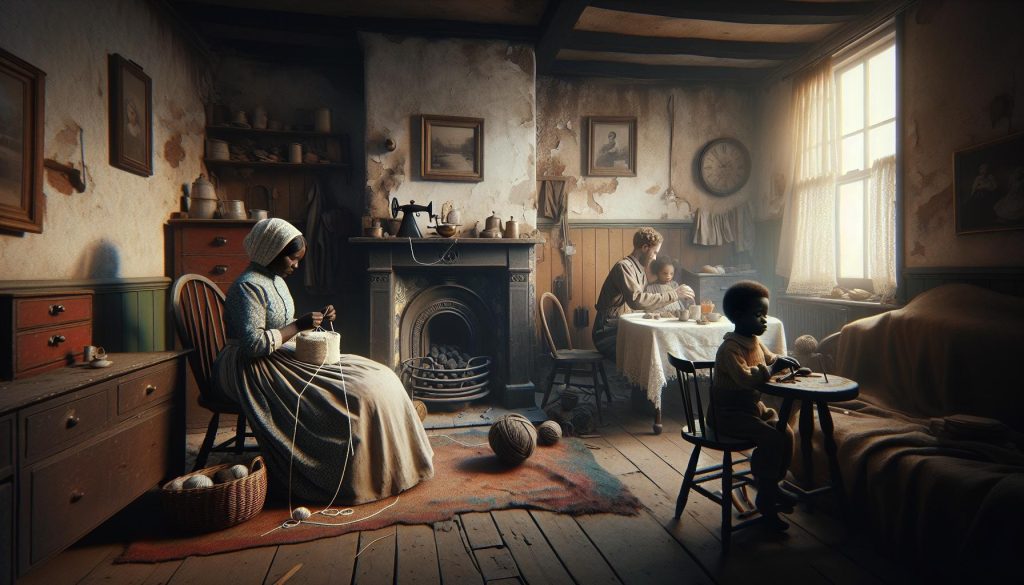
Imagine living in a home where every corner tells a story of hardship and resilience. Poor Victorian houses, often tucked away from the grandeur of their wealthier counterparts, provide a glimpse into the daily lives of those struggling to survive during the Victorian era. These modest dwellings were not just structures; they were the battlegrounds where families faced economic challenges, societal changes, and the pursuit of a better future. Understanding life behind closed doors in these homes highlights the importance of community, ingenuity, and the human spirit in overcoming adversity. As we explore the realities of their living conditions, we uncover lessons of resourcefulness and grit that resonate with many of us today, encouraging a deeper appreciation for the struggles and triumphs that shape our own lives. Join us on this journey to discover the untold stories behind these humble abodes and the lives lived within.
What Life Was Like in Poor Victorian Houses
Life in poor Victorian houses was a stark reflection of the broader societal issues of the era, characterized by overcrowded living conditions, limited resources, and a relentless struggle for survival. Families often lived in cramped spaces, with multiple generations sharing a single room. These modest homes were typically constructed from inexpensive materials, resulting in poor insulation and ventilation. It was common for a household of several individuals to inhabit a single damp room, which led to a lack of privacy and personal space.
The daily routine for families often revolved around arduous labor and the constant effort to maintain a semblance of stability. Many members of the household took on work from a young age, contributing whatever they could to the family income, whether through factory work, domestic service, or other laborious tasks. This relentless grind left little time for rest or leisure, marking a cycle of toil that few could escape. Meals were often simple and utilitarian, relying heavily on inexpensive staples like bread and potatoes. The lack of access to fresh produce and protein further highlighted the nutritional challenges faced by these families.
Health and sanitation were continuous concerns, as poor housing conditions often led to the spread of diseases. The absence of clean water and proper sewage systems had a dire impact on living standards, resulting in higher rates of illness among the poor. Even as public health initiatives began to emerge towards the late Victorian era, the impact of decades of neglect remained deeply etched in the lives of those residing in such homes.
Despite these challenges, the resilience and resourcefulness of families in these poor Victorian houses fostered a profound sense of community. Neighbors often banded together, sharing resources and support in times of need. While financial struggles dominated their reality, the capacity for creativity and camaraderie flourished amidst adversity, revealing the unyielding spirit of those who called these cramped houses their home.
The Design and Layout of Victorian Homes
Poor Victorian houses were typically characterized by their cramped design and rudimentary layout, reflecting the harsh realities of life for many families during this era. These homes were often constructed in rows, forming tightly packed terraces that maximized the use of available land but sacrificed individual living space. With minimal architectural embellishments and basic materials, the design aimed to be functional rather than aesthetic, leaving little room for comfort.
The layout of these homes further contributed to the challenges faced by their inhabitants. Most poor Victorian houses featured a small entrance that led directly into the living area, often combined with the kitchen. This single-room setup was not uncommon, forcing families to share their limited space for both daily activities and sleeping arrangements. Separate rooms, when available, were typically confined and poorly ventilated, providing scant respite from the overcrowding that defined their existence.
In these homes, privacy was a luxury few could afford. Siblings often slept in the same bed or even shared a room with their parents, highlighting the communal nature of living arrangements. This close-quarters existence fostered a unique familial bond, as well as a sense of shared resilience in facing daily hardships.
To navigate their constrained environments, families often employed creative solutions. Utilizing folding furniture, hanging storage, and multi-functional areas became essential strategies for maximizing space. Despite financial constraints, ingenuity breathed life into these humble homes, providing a sense of agency to those who lived within their walls. Even in bleak circumstances, the spirit of adaptability forged a semblance of comfort and stability for families attempting to carve out a life amidst the challenges of Victorian poverty.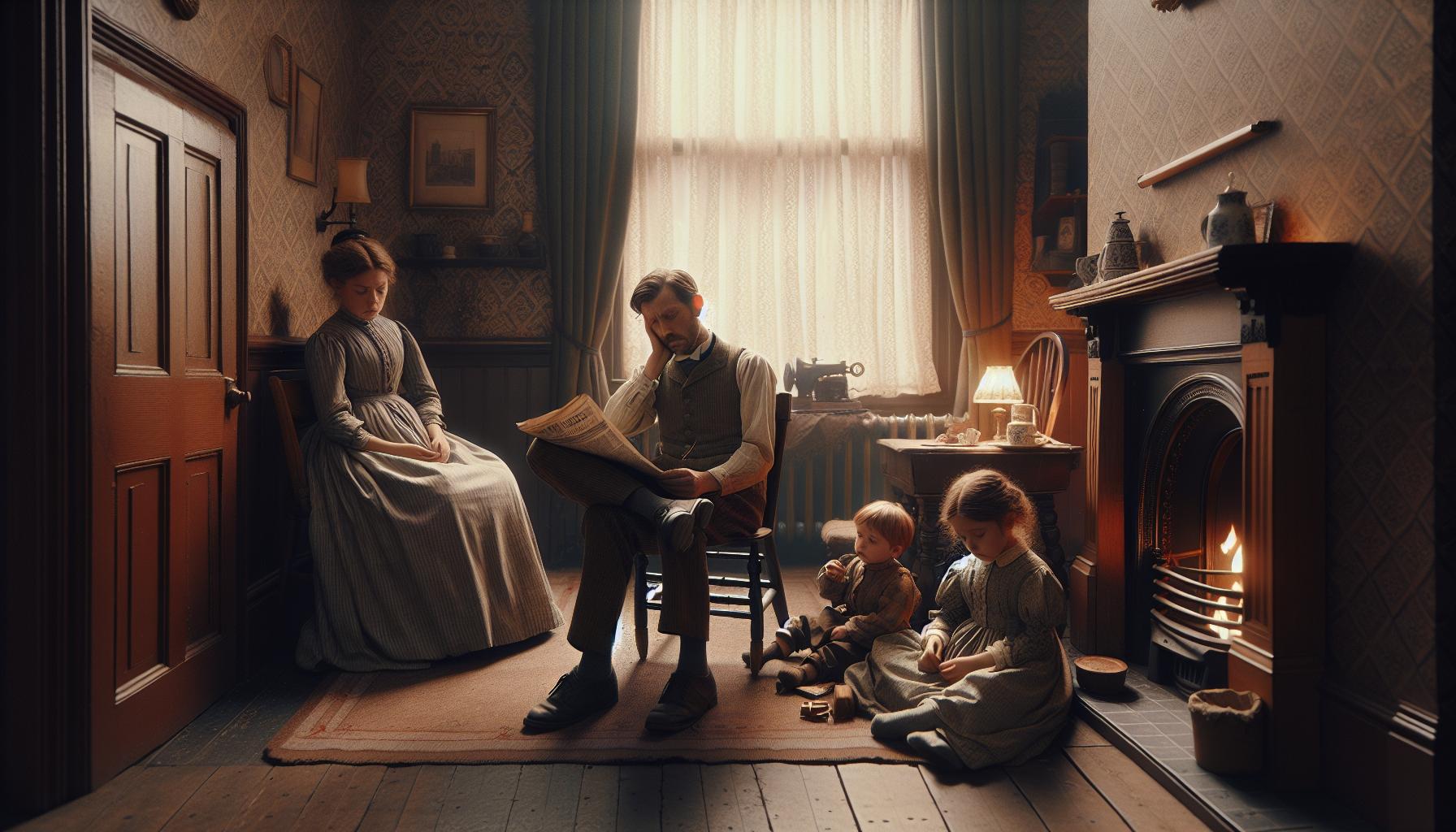
Common Struggles for Victorian Families
The realities faced by families living in poor Victorian houses were marked by numerous struggles that compounded their daily hardships. With overcrowded conditions and meager resources, the challenges were as diverse as they were daunting. Families frequently grappled with inadequate income, which made securing basic necessities a constant battle. In this environment, budgeting became not just a skill but a vital survival tactic. Households often relied on meticulous record-keeping of expenses, distinguishing between wants and needs, to make the most of their limited finances.
Daily Life and Resource Management
Throughout the Victorian era, managing the household budget required creativity and adaptability. Families found themselves needing to employ various strategies to extend their meager resources.
- Patchwork Solutions: Many utilized old clothing to create new garments or household items, transforming what would otherwise be discarded into something functional.
- Collective Bargaining: Families often banded together to purchase food and supplies in bulk, taking advantage of lower prices while pooling resources to address the scarcity of goods.
- Bartering Skills: Some families traded skills or services, offering to sew or repair clothing in exchange for food or other necessities.
This resourcefulness displayed not just financial savvy, but also a profound sense of community among those facing similar challenges.
Health and Well-being
Poor housing conditions significantly impacted the health of Victorian families, who often lived in damp, poorly ventilated spaces. This reality was exacerbated by limited access to proper healthcare and medical services. Health struggles often forced families to prioritize survival over medical treatment, navigating illness while continuing to care for one another. Simple preventative measures-like cleaning and maintaining their cramped living spaces-became crucial in avoiding sickness, despite the limited means to do so.
Families learned to rely on home remedies derived from natural ingredients that were often abundant yet undervalued. Utilizing herbs and simple treatments kept some ailments at bay, highlighting an entrepreneurial spirit in their navigation of health challenges despite systemic obstacles.
These struggles, while daunting, led to incredible resilience. Families learned to adapt and thrive creatively in their constrained environments, showcasing an unwavering determination to build a life filled with purpose and community, even in the face of poverty. Their experiences serve as reminders of the power of resourcefulness and the human spirit in overcoming life’s challenges.
Daily Routines: A Glimpse Inside
In the narrow confines of poor Victorian houses, daily life unfolded in a series of carefully orchestrated routines. Each day began at dawn, the household stirring with the sounds of children getting ready for school and adults preparing for long days of arduous labor. With limited space, every member of the family played a role in maintaining a semblance of order amidst the chaos of shared living. Simple tasks like washing, dressing, and preparing meals often required cooperation and efficiency to ensure everyone was ready for the day ahead.
Morning chores were a communal affair. Women had the dual responsibilities of preparing breakfast, often a modest meal of gruel or bread, and managing the home. Children, while attending school-sometimes only intermittently-might help with chores such as fetching water, tidying up, or caring for younger siblings. As the day progressed, women managed household tasks, which included laundry done using rudimentary methods; this was often done outside in makeshift wash tubs. Men would leave for manual labor jobs, returning later to join in household upkeep and share the burden of domestic responsibilities.
Evening Gatherings and Community Ties
Evenings were a time when families came together, often around the humble kitchen table, discussing the events of the day. In homes where space was at a premium, gatherings extended beyond immediate family to include friends and neighbors. This sense of community was crucial for emotional support and sharing resources. They might share a simple meal, perhaps a stew or whatever was on hand, while engaging in storytelling or planning for the next day.
Moreover, evenings often birthed entrepreneurial spirit within the household. Crafts and small home businesses flourished, with parents finding ways to turn scarce materials into something valuable-whether it was sewing clothes for neighbors or creating small crafts to sell. Such activities not only provided a small income but also fostered creativity and community engagement. This spirit of resourcefulness defined life in these compact homes, as families continually adapted to their circumstances with tenacity and an eye towards leveraging their collective skills for survival.
By cultivating supportive relationships and pooling resources, families crafted not only a living but a life rich in community spirit and resilience, echoing a fundamental truth: that even in the toughest environments, the bonds of family and community can turn daily struggles into shared triumphs.
Health and Sanitation in Poor Households
In the cramped quarters of poor Victorian households, the struggle for health and sanitation was a daily concern that significantly affected the quality of life for families. With limited access to clean water and proper waste disposal, many families faced the constant threat of disease. The overriding reality was that many urban homes were overcrowded, often housing multiple families under one roof. This situation made it daunting to maintain hygiene, creating environments where illnesses could spread rapidly among inhabitants.
Basic sanitation facilities were often lacking. Indoor plumbing was a luxury that few could afford, so many households relied on shared outdoor privies, which created unsanitary conditions. This disconnect from proper sanitation not only led to unpleasant living conditions but also heightened the risk of diseases such as cholera and typhoid. Efforts to mitigate these risks included personal and communal practices such as boiling water before drinking, which, while difficult, stood as a crucial preventive measure against illness.
Families often improvised strategies to make their living conditions more bearable. For instance, they would create makeshift solutions for cleaning, using minimal resources available. Children played a part in these efforts, learning to help with chores as early as possible. They were often tasked with fetching water from communal pumps or nearby rivers, teaching them resilience and resourcefulness from a young age.
Regular cleaning routines were essential, despite limited supplies. Families would band together to scrub their homes when they could, using whatever soaps or cleaners were available, often homemade from ash or vinegar. Frequent washing of clothing and bedding, although labor-intensive, became vital practices to control odors and improve overall health. Access to sunlight, when available, provided a natural disinfectant, as families would air their linens out of windows to combat dampness.
Overall, while the conditions were challenging, the ingenuity and adaptability of these families shine through in their daily practices. By focusing on community support and resilience, they fostered a spirit of determination to thrive in their environments, illustrating that even in the face of adversity, there are ways to enhance health and well-being on a limited budget.
Education and Child Labor in Victorian Times
In the harsh realities of Victorian life for the lower classes, the education and labor of children painted a vivid picture of resilience and necessity. During a time when many families struggled to make ends meet, children were often required to contribute to the household income from a young age. This harsh initiation into the workforce frequently manifested in grueling jobs, such as factory work, street hawking, and domestic service, where they faced long hours with little to no pay.
The Role of Education
Despite the overwhelming need for child labor, education began to enter the public consciousness as a moral obligation. By the mid-Victorian era, initiatives were established to provide basic schooling, particularly for the poor. The Education Act of 1870 laid the groundwork for compulsory education, yet discrepancies remained. Many children still left school early due to financial pressures at home, illustrating the ongoing struggle between survival and education.
- Challenges to Education:
– Accessibility: Schools in poorer areas were often overcrowded and under-resourced, impacting the quality of education.
– Attendance: Families needed the extra income generated by their children, leading to high absenteeism rates in schools.
Parents understood that education was essential for upward mobility. Even when they couldn’t afford books or uniforms, they made sacrifices to send their children to school, hoping for a better future.
The Impact of Child Labor
In many cases, the longing for education clashed with the stark economic realities of the day. Child labor laws gradually evolved, but enforcement was inconsistent, and exploitation remained widespread. Working conditions were perilous; children often faced hazardous environments and exhausting hours. The reality was that for many families, the necessity of survival took precedence over educational aspirations.
However, families often instilled values of creativity and entrepreneurship in their children. They encouraged self-reliance and ingenuity, which became vital skills for navigating life pressures. Some children found ways to earn through side hustles, selling newspapers or homemade goods, thus learning practical business skills that would benefit them later in life.
- Survival Strategies:
– Time Management: Juggling work and education required planning, teaching children valuable organizational skills from a young age.
– Community Support**: Many families relied on community networks to access resources, such as shared childcare, which allowed parents to work without leaving their younger children unattended.
The educational landscape, although fraught with limitations, represented hope for many families, fueling dreams of improved circumstances. By understanding the complexities of education and labor during this period, one can appreciate the resilience of Victorian families striving for a better tomorrow, emphasizing the importance of empowerment through knowledge even amidst adversity.
Community and Social Life in the Victorian Era
In the heart of working-class neighborhoods, community life during the Victorian era was a tapestry woven with resilience, mutual support, and shared struggles. Families living in cramped, basic accommodations found strength in their connections with one another, creating a network that was often essential for survival. Whether it was pooling resources for food or sharing tools for repairs, the spirit of cooperation helped many navigate the daily challenges they faced in impoverished conditions.
Neighborhood gatherings, although modest, provided crucial opportunities for socialization and collective relief from the grind of work and hardship. Events such as harvest festivals or church socials transformed the stark realities of existence into moments of joy and camaraderie. In these tight-knit communities, storytelling and folklore flourished, giving a sense of identity and belonging that transcended their material challenges. Additionally, community mutual aid societies emerged, allowing individuals to contribute small amounts towards a collective fund for emergencies or burial costs, showcasing the communal spirit of philanthropy.
Strategies for Community Engagement
Engaging with one’s community was not just about survival; it also fostered a sense of purpose and connection that could inspire hope amidst dire circumstances. Some practical ways to nurture community ties included:
- Shared Childcare: Families would often watch over each other’s children, allowing parents to work without the worry of leaving young ones unattended.
- Cooperative Shopping: Neighbors banded together to buy supplies in bulk, reducing costs and maximizing resources.
- Workshops and Skill Sharing: Residents would organize gatherings to teach one another practical skills like sewing, cooking, or carpentry, enhancing self-sufficiency.
Such community-oriented activities not only alleviated financial burdens but also built a sense of solidarity that could override the isolation often felt in destitution.
However, the communal lifestyle also acted as a lens through which the social norms and cultural values of the time were examined. The Victorian era placed a strong emphasis on moral conduct and propriety. This societal scrutiny shaped community interactions, as public reputation played a significant role in everyday life. Individuals were encouraged to engage in charitable acts, reinforcing the moral expectations of the day while fostering communal bonds.
Ultimately, while life in poor Victorian houses was fraught with difficulty, it was within these communities that families found the camaraderie and support needed to endure and even thrive. By embracing creativity, sharing resources, and fostering relationships, they built lives filled with purpose and resilience, proving that community can be a powerful force in overcoming even the toughest of circumstances.
Survival Strategies: Cooking and Nutrition
In the grim settings of poor Victorian houses, families had to rely on resourcefulness and creativity to ensure their survival through cooking and nutrition. This era challenged mothers and fathers to maximize their meager resources, often transforming simple ingredients into hearty meals that not only filled stomachs but also fostered family unity. Emphasizing the importance of affordable, nutritious meals resulted in a strong focus on seasonal and locally sourced produce, as families learned to adapt their diets to available ingredients and community access.
Utilizing Seasonal Ingredients
Families often marked their meal plans around the changing seasons, taking advantage of what was fresh and affordable. This practice not only cut costs but also encouraged a varied diet, essential for maintaining health. For instance, during spring, greens like nettles and wild garlic became staples, while winter brought root vegetables such as potatoes and carrots that stored well. Knowing how to forage or grow simple crops in a backyard or communal garden proved invaluable.
Moreover, making the most out of every part of an ingredient became a guidepost of kitchen wisdom. Older generations shared techniques for ensuring that nothing went to waste, such as utilizing vegetable peels for stocks or leftover meats for stews. This resourcefulness was more than a strategy; it was a cultural embodiment of resilience.
Community Food Sharing
Bartering and sharing food with neighbors played a significant role in the nutritional landscape of poverty. Families often came together to trade extra produce or baked goods; a loaf of homemade bread could provide a hearty meal in exchange for a few eggs. This practice not only alleviated financial strain but also fortified community connections, creating a network where everyone supported one another through shared sustenance.
Low-Cost Nutritional Choices
Budget-friendly cooking methods became essential in poor Victorian households. Simple recipes embraced minimal ingredients but aimed for maximum nutrition. Some practical meal ideas included:
- Porridge: Oats were a staple due to their affordability and filling nature. Cooked with water or milk, porridge offered warmth and sustenance to start the day.
- Vegetable Stews: Combining leftover vegetables and legumes simmered in water for hours created nutritious meals that could last for days.
- Homemade Bread: Baking bread became a daily ritual, enabling families to have an easily attainable source of carbohydrates.
These strategies reflect not just the necessity of survival amidst scarcity, but also a deep-rooted wisdom passed through generations. The spirit of innovation and collaboration in feeding families not only addressed immediate dietary needs but also promoted a culture of resilience that has carried forward into contemporary practices. Embracing such time-honored wisdom in today’s world can inspire small families on tight budgets to create meals that nourish both body and spirit, reinforcing the idea that creativity and community support are essential ingredients in cooking, regardless of economic constraints.
The Role of Women in Victorian Households
In the heart of Victorian households, women often served as the backbone of family life, managing both the household and the emotional well-being of their loved ones amid challenging conditions. While men were frequently away at work, women took on the multiple roles of caregiver, homemaker, and sometimes even breadwinner. This complex arrangement gave rise to a resourcefulness that is still admired today, showcasing an evolutionary adaptation to the era’s rigorous demands.
Women in poverty often had to innovate within the confines of their homes. They engaged in activities such as sewing, laundry, and cooking, which were essential not only for daily survival but also for community bonding. Many women supplemented the household income through small-scale entrepreneurship, ranging from knitting and selling goods to engaging in domestic services like cleaning and childcare for wealthier families. This dual role provided them with a sense of autonomy and a powerful opportunity to contribute financially, despite limited options.
Creative Household Management
In a world where every penny counted, women became adept at managing household resources. The commitment to thriftiness meant they learned to repurpose items, mend clothing, and prepare meals from the simplest of ingredients. For example:
- Meal Planning: By utilizing leftovers and seasonal produce, women could prepare nourishing dishes while minimizing waste.
- Home Remedies: Knowledge of herbal medicine was often passed down through generations, with women employing natural remedies for common ailments, taking charge of their family’s health.
- Barter Systems: Women frequently engaged in bartering services and goods with neighbors, fostering community connections and creating support networks.
The Empowerment of Sisterhood
Community and solidarity played pivotal roles in alleviating some of the difficulties faced by women in poor Victorian households. Sharing resources, skills, and knowledge allowed them to navigate daily challenges with greater confidence and resilience. Women’s gatherings often revolved around tasks like sewing circles or cooperative childcare, offering a platform for support and collaboration. This spirit of sisterhood not only built friendships but also helped in forming strategies for survival, emphasizing the importance of community bonds in times of hardship.
Through these collective efforts, women not only ensured the survival of their families but also laid the groundwork for future generations. The lessons learned about creativity, hard work, and collaboration would inspire later movements that sought greater rights and social reforms. Today, the legacy of these Victorian women remains a testimony to the enduring power of resilience and ingenuity, encouraging modern families to harness their creativity and nurture their communities, irrespective of financial circumstances.
Housing Conditions and Their Impact on Mental Health
The grim realities of housing conditions for the poor during the Victorian era had profound effects on mental health, shaping the lives of countless families. Many lived in overcrowded, dilapidated homes where dampness, poor ventilation, and a lack of basic amenities were common. This cramped and unsanitary environment created a breeding ground for stress and anxiety that could pervade every family interaction. For many, the home, intended as a sanctuary, instead became a source of constant worry and tension.
Environmental Stressors
In a context where personal space was limited, the lack of privacy heightens conflict and emotionally taxing interactions. The incessant noise from bustling streets or the constant presence of family members within a single room could exacerbate sentiments of frustration and despair. Furthermore, the stark contrast between the conditions of their homes and the opulent surroundings of wealthier neighborhoods would often inspire feelings of inadequacy and hopelessness among residents.
Impact on Families
The implications of living in such conditions extend to family dynamics, affecting relationships and individual mental health. Parents, often under immense financial strain, struggled to maintain calm in an already tense environment. Children growing up in such disarray might face not only emotional turmoil but also academic challenges, as the noise and instability of their home life could hinder their ability to concentrate on studies. The presence of illness-common in unsanitary conditions-further deteriorated spirits, as families grappled with both physical and emotional demands.
Creating Support Through Community
However, resilience often emerged amidst adversity. Families and neighbors formed tight-knit communities, offering emotional support and practical help. Informal systems of care, such as lending meals or sharing household tasks, nurtured a sense of belonging that could alleviate some mental strain. Sharing resources not only provided practical relief but also fostered friendships, reinforcing the notion that, even in challenging times, community solidarity can be a powerful counter to isolation and despair.
By understanding the profound impact of housing conditions on mental health, we can gain insight into the resilience that emerges in challenging circumstances. Even today, the lessons learned from those who faced such hardships remind us of the importance of creative problem-solving and community support in fostering well-being amidst difficulty.
Comparing Rural and Urban Victorian Living
Moving between the rustic charms of rural living and the bustle of urban life during the Victorian era reveals striking contrasts in the experiences of the poor. While both settings struggled with poverty, the nuances of daily life, community interactions, and access to resources were markedly different. Understanding these differences can provide insight into resilience and adaptation, essential qualities for thriving even in challenging circumstances.
In urban areas, families often lived in tenements or overcrowded housing, where multiple families shared a building, creating a dense population in a small space. This experience was fraught with noise, lack of privacy, and limited access to sanitation facilities. Yet, amidst the chaos, city dwellers had unprecedented access to jobs, public services, and community organizations that could provide assistance. Many urban families developed networks of support to navigate the pressure, exchanging goods and services through informal economies, which emphasized creativity and resourcefulness. Parents frequently relied on each other for childcare, enabling them to work long hours in factories where conditions were often harsh but necessary for survival.
In contrast, rural families faced their own set of challenges, including isolation and limited access to amenities. Houses were typically spread out, with farms serving as the mainstay of their income. While some might romanticize this simpler life, rural communities often suffered from having fewer job opportunities and less access to healthcare and education. However, the tight-knit nature of rural life fostered strong community ties. Neighbors frequently helped one another with farming tasks or during harvest seasons, which helped cultivate a sense of belonging that could mitigate feelings of despair. Families learned to rely on the land, practicing subsistence farming and bartering goods, which encouraged self-sufficiency and resilience.
Ultimately, both rural and urban poor families navigated the hardships of their respective environments with creativity and tenacity. Whether banding together in bustling city streets or cooperating in the fields, they developed critical survival strategies that not only addressed immediate needs but also laid the groundwork for future generations to seek better opportunities. By examining these contrasting lifestyles, we appreciate the spirit that defined the resilience of the Victorian poor, offering contemporary lessons in community support and adaptability.
Legacy of Poor Victorian Houses in Today’s Society
The stark living conditions of poor Victorian houses have left a profound legacy that resonates in today’s society, illuminating contemporary discussions on housing, community, and social justice. The cramped, dirty tenements and isolated rural homes of the Victorian era remind us of the ongoing struggle for adequate housing, especially among low-income families. Understanding the history of these conditions encourages present-day communities to advocate for reforms that ensure safety, dignity, and accessibility in housing.
Today’s grassroots movements often draw inspiration from the resilience demonstrated by families living in Victorian poverty. These historical narratives serve as a blueprint for collective action, sparking initiatives focused on affordable housing and tenant rights. As we navigate the challenges of modern urban living, the lessons from the past highlight the importance of community solidarity. For instance, neighborhood groups often organize to tackle issues similar to those faced by Victorian families-such as insufficient public services, lack of safe spaces, and crowded living conditions.
Furthermore, the concept of “home” has evolved, influenced by the experiences of those who lived in poor Victorian housing. Many seek to create nurturing environments regardless of limited space or resources. This drive fosters creative living solutions, such as adopting minimalism or leading community-supported agriculture initiatives. By emphasizing resourcefulness, individuals are encouraged to repurpose items, share resources, and cultivate relationships that enrich their daily lives, echoing the interdependency recognized in Victorian communities.
Incorporating this historical context has prompted a re-evaluation of architectural practices and public policies. By recognizing the importance of humane living conditions, modern architects and urban planners are tasked with designing spaces that promote community well-being, sustainability, and inclusivity. With a communal vision for the future, inspired by the lessons learned from the past, society can embrace more equitable living standards that protect families from the hardships endured by previous generations.
As we reflect on the narrative of poor Victorian houses, there is an opportunity for collective growth, inspiring individuals to strive for financial stability and community strength. Such endeavors not only commemorate the resilience of those who came before us but also pave the way for a more compassionate society.
Frequently Asked Questions
Q: What were the typical features of poor Victorian houses?
A: Poor Victorian houses often had small, cramped rooms, minimal furniture, and little natural light. They were typically constructed from inexpensive materials, had shared facilities, and lacked proper sanitation, creating unhealthy living conditions.
Q: How did families in poor Victorian households manage daily life?
A: Families in poor Victorian households managed daily life through strict routines. They often woke up early for household chores, with children contributing to family work. Meals were simple and repetitive, focusing on affordability over variety.
Q: What was the impact of poor housing on health in Victorian times?
A: Poor housing conditions led to significant health problems for Victorian families. Overcrowding, inadequate sanitation, and lack of ventilation contributed to the spread of diseases, particularly in urban areas where pollution was rampant.
Q: How did poor Victorian families cope with financial struggles?
A: Poor Victorian families coped with financial struggles by engaging in multiple forms of work, including child labor. They relied on community support, bartering goods, and sometimes resorted to charity organizations for assistance.
Q: What was the role of children in poor Victorian households?
A: Children in poor Victorian households often took on adult responsibilities at an early age. They contributed to the family’s income through work in factories or as domestic help, which limited their access to education and play.
Q: How did the structure of poor Victorian neighborhoods affect community life?
A: Poor Victorian neighborhoods were often close-knit communities where families relied on one another for support. Living in shared spaces fostered a sense of camaraderie, but also exposed them to shared hardships like crime and disease.
Q: What changes occurred in housing conditions after the Victorian era?
A: After the Victorian era, housing conditions gradually improved due to increased awareness of public health and well-being. Reforms led to better housing standards, with more emphasis on sanitation and living space, particularly in urban areas.
Q: How did poor Victorian housing differ from middle-class homes?
A: Poor Victorian housing was starkly different from middle-class homes, which featured larger living spaces, better construction materials, and amenities like indoor plumbing. Middle-class homes often had gardens and were situated in safer, cleaner neighborhoods.
To Wrap It Up
Understanding the challenging conditions faced by poor Victorian houses sheds light on the resilience and creativity of those who called them home. These insights not only highlight the social dynamics of the era but also resonate with our modern quest for affordable living solutions. If you found this exploration enlightening, consider diving deeper into related topics, such as the history of Victorian architecture or practical tips for maintaining a budget-conscious home.
Don’t miss our additional resources on smart budgeting strategies and debt-free living that can empower your financial journey. Join our community by subscribing to our newsletter for ongoing tips and insights aimed at building a secure and purposeful life, regardless of your budget. Your thoughts matter-share your reflections in the comments and let’s continue this conversation about life’s challenges and triumphs. Explore further and discover how yesterday’s struggles inform today’s solutions!