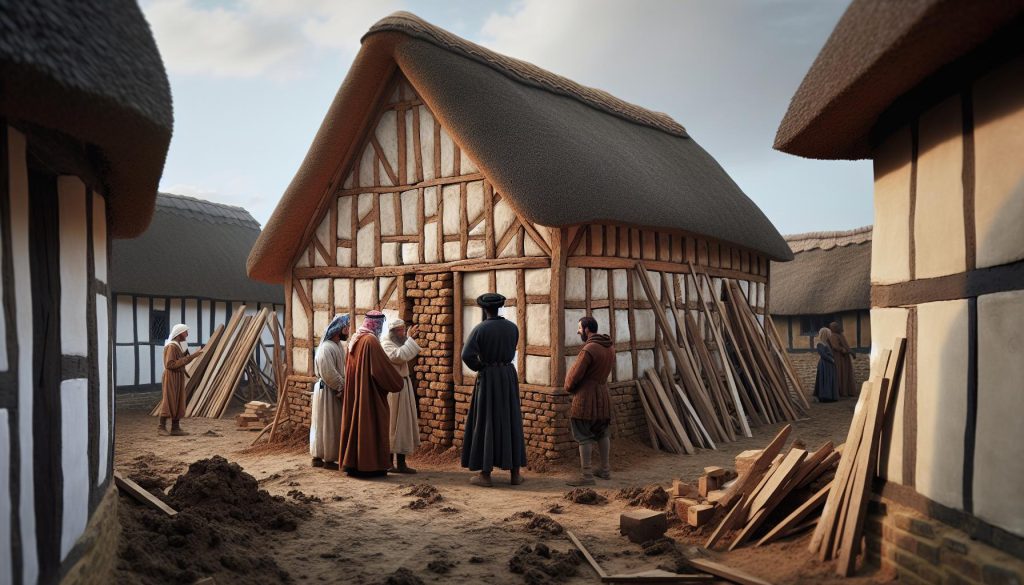
Imagine the resilience of the families who lived in Tudor houses during a time of economic struggle. These homes, often constructed from simple materials, reveal fascinating insights into the lives of those who inhabited them. In “What Were Poor Tudor Houses Made From: Fascinating Facts Revealed,” we’ll explore the humble origins of Tudor architecture, uncovering how resourcefulness shaped these dwellings. Understanding the material choices and building techniques of the past not only sheds light on historical living conditions but also inspires modern approaches to budget-conscious home design. Discover how creativity and practicality can transform constraints into opportunities, encouraging you to reflect on your own living space and the legacy you wish to create. Join us on this journey as we uncover the past and inspire a future of thoughtful, purposeful living.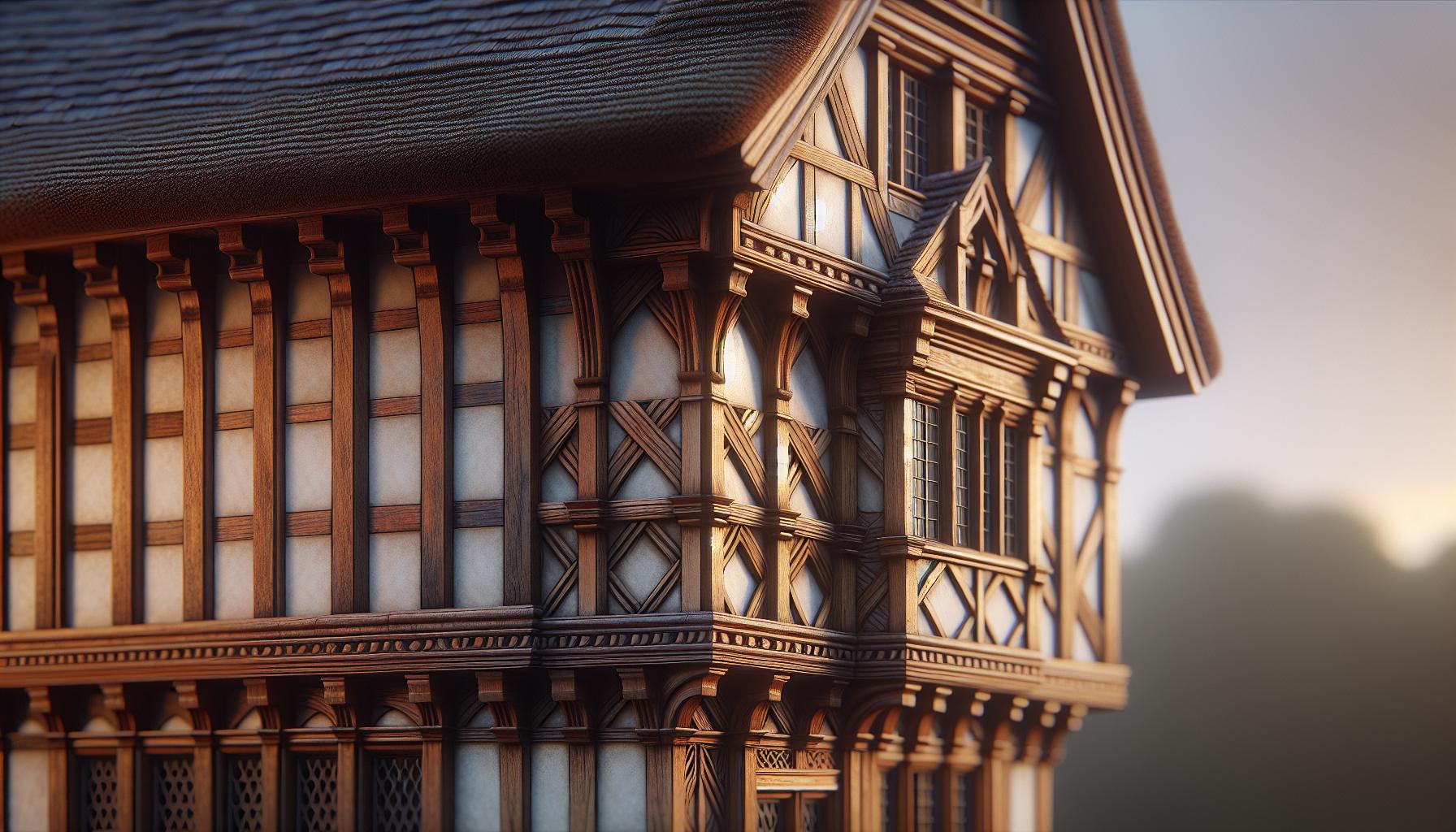
The Materials of Tudor Houses: A Detailed Exploration
The homes of the impoverished during the Tudor period often tell a story of resilience, creativity, and resourcefulness in the face of limited resources. Typically constructed using locally sourced materials, the architecture reflected not only the socio-economic status but also the availability of raw resources in their geographic surroundings. Emphasizing a combination of practicality and rudimentary skill, these houses were designed to endure the harsh climates while providing the necessary shelter for families.
One of the most common materials used in building poor Tudor houses was wood, particularly timber from nearby forests. Timber framing provided structural integrity, while the infill could vary between wattle and daub or even cob, depending on local practices. The interwoven wooden framework was often enhanced with plaster or mud to create solid walls, limiting the need for more expensive materials. In addition, thatched roofs made from long grasses or reeds were prevalent, not only for their availability and affordability but also for their effectiveness in insulating homes against cold and rain.
Another vital element in Tudor construction was clay, which was commonly used in making bricks or tiles for the floors and roofs. In regions where stone was accessible, it was also utilized, especially for chimneys and foundations, as its durability offered protection against damp conditions. The simple yet effective combination of these materials allowed poor families to construct homes that, while humble, served the essential purpose of shelter and warmth.
Ultimately, the materials chosen for these Tudor homes represent a deep connection to the land and the resources it provided. This architectural vernacular is a testament to the people’s adaptability, providing crucial lessons in sustainability that can inspire modern building practices to this day. By studying these humble abodes, we can appreciate the ingenuity that goes into creating livable spaces within financial constraints, encouraging a spirit of creativity and resilience in contemporary homebuilding.
Characteristics of Tudor Architecture and Design
The Tudor architectural style is renowned for its charming and robust features, blending functionality with aesthetics. Characterized by its picturesque façades, Tudor homes often incorporate an array of design elements that reflect both their historical context and the socio-economic conditions of their inhabitants. Although the homes of the poor during this period were more simplistic, they still adhered to several distinct characteristics that are emblematic of Tudor design.
One of the most notable aspects of Tudor architecture is its timber framing, which includes a distinctive framework of exposed beams and panels. This method not only provided structural integrity but also served as an expression of craftsmanship, showcasing the skill of local artisans. The walls were often infilled with wattle and daub, a mixture of woven branches and mud, or sometimes plaster, providing insulation and a rustic aesthetic. This combination made it possible for families to build their homes with limited means while still adhering to a recognizable style.
Another key feature is the thatched roofs, which were practical for a host of reasons. Made from local grasses, they were readily available and effective in insulating the home against cold and moisture. The steep pitch of these roofs also aided in water drainage, preventing leaks during heavy rain-a crucial factor in ensuring the durability of Tudor houses. Combined with tall, narrow windows that often featured diamond-shaped panes, these homes created a quaint yet sturdy appearance that resonates with the charm of the countryside.
Despite the humble origins of these structures, their design reflected a deeper connection to the environment and community. Local materials were prominently used, which not only reduced costs but also fostered a sense of regional identity in the builds. The adaptation of designs to available resources showcases the creativity of its builders, demonstrating that even in restricted circumstances, there exists remarkable ingenuity. Such principles of sustainability and resourcefulness in construction are just as relevant today, as they encourage the modern builder to reflect on material choices and their environmental impact.
In essence, the characteristics of Tudor architecture highlight a fascinating intersection of practicality and artistry. For those seeking inspiration in building their own homes today, the Tudor model demonstrates how embracing local resources, combining functionality with aesthetic appeal, and applying thoughtful design can lead to the creation of enduring spaces that serve as both shelters and expressions of personal history.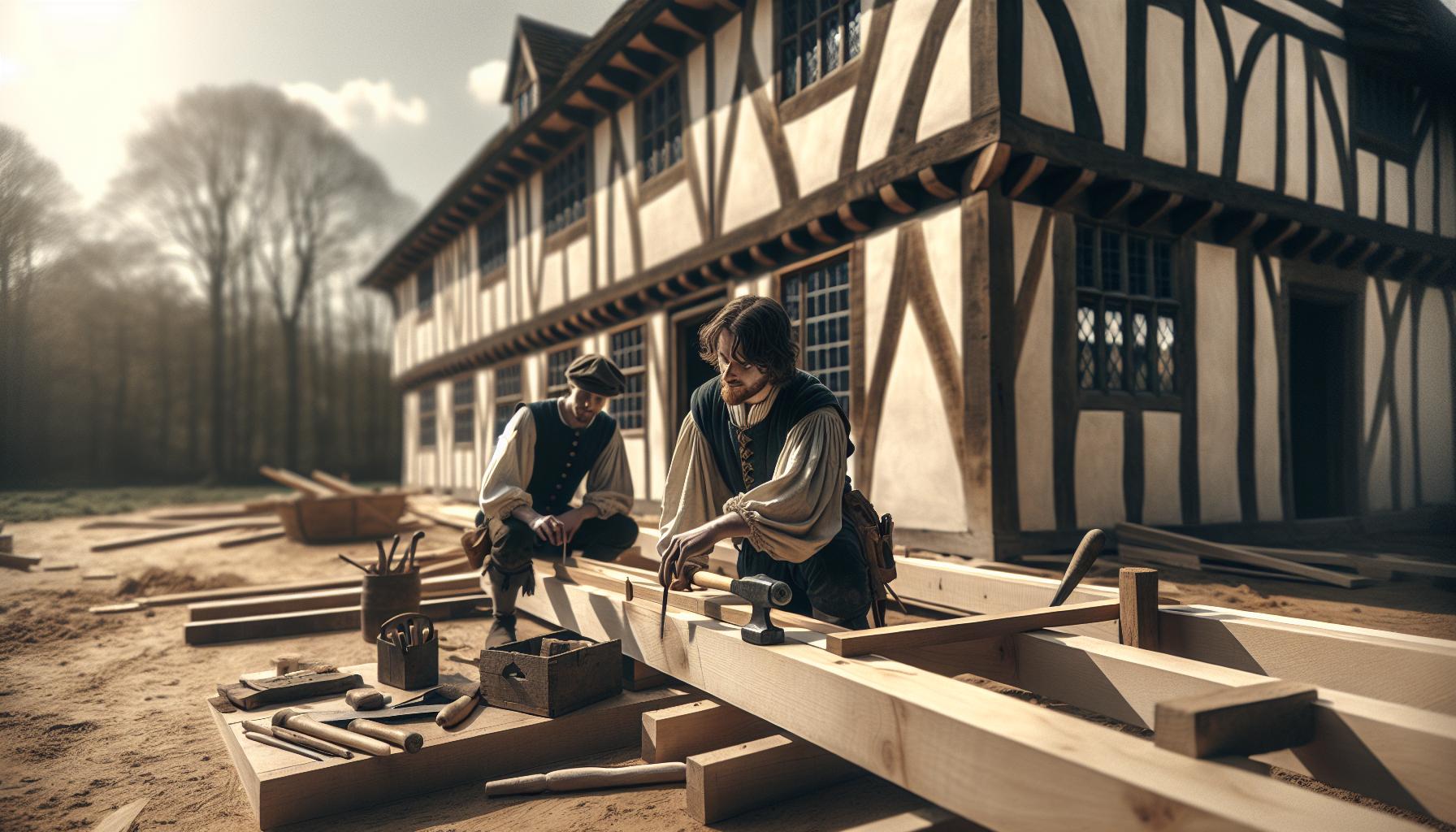
The Role of Timber in Tudor House Construction
Timber played a vital and multifaceted role in the construction of Tudor houses, particularly for the poorer segments of society. This availability of local wood not only provided a sturdy framework for homes but also fostered a sense of community and belonging among the builders. The use of wrought timber framing was emblematic of the Tudor style, highlighting the craftsmanship and skills of local artisans. Each beam, meticulously shaped and placed, told a story of the time and labor invested in creating a strong, yet aesthetically pleasing home.
Functionality and Aesthetic Appeal
The timber structure was essential to the overall integrity of Tudor houses. It formed the skeleton of the building, with wooden beams arranged in a grid-like pattern that supported the weight of the roof and upper levels. This method allowed for spacious interiors, a feature that was particularly important in a period where social gatherings were common. Additionally, the exposed beams became a hallmark of Tudor aesthetics, lending charm and character to the facade. Those building on a budget found that timber offered a cost-effective solution while allowing them to maintain stylistic integrity.
Local Resources and Community Connection
Because timber was often sourced locally, it enabled poorer households to construct their dwellings with materials readily at hand. This connection to local resources helped instill a sense of regional pride, with buildings often reflecting local styles shaped by the cultural norms and available resources of the area. Families could gather and work alongside one another, cultivating relationships while they built their homes, further strengthening community ties.
The Importance of Maintenance and Upkeep
Maintaining timber framing was also a key consideration for Tudor homeowners, particularly for those with constrained budgets. The wood needed regular treatment to guard against rot and pests. Affordable and effective solutions, such as natural oils or local remedies made from herbs, could be employed to help prolong the life of timber structures. This desire to care for their homes illustrated the resourcefulness of those living in Tudor society, transforming simple structures into cherished family legacies.
By understanding the significance of timber in Tudor house construction, modern builders and homeowners can draw inspiration from the thoughtful integration of local materials, craftsmanship, and sustainable practices that embody both beauty and functionality. Each house becomes not just a structure, but a testament to resilience and community spirit, values that are just as vital today.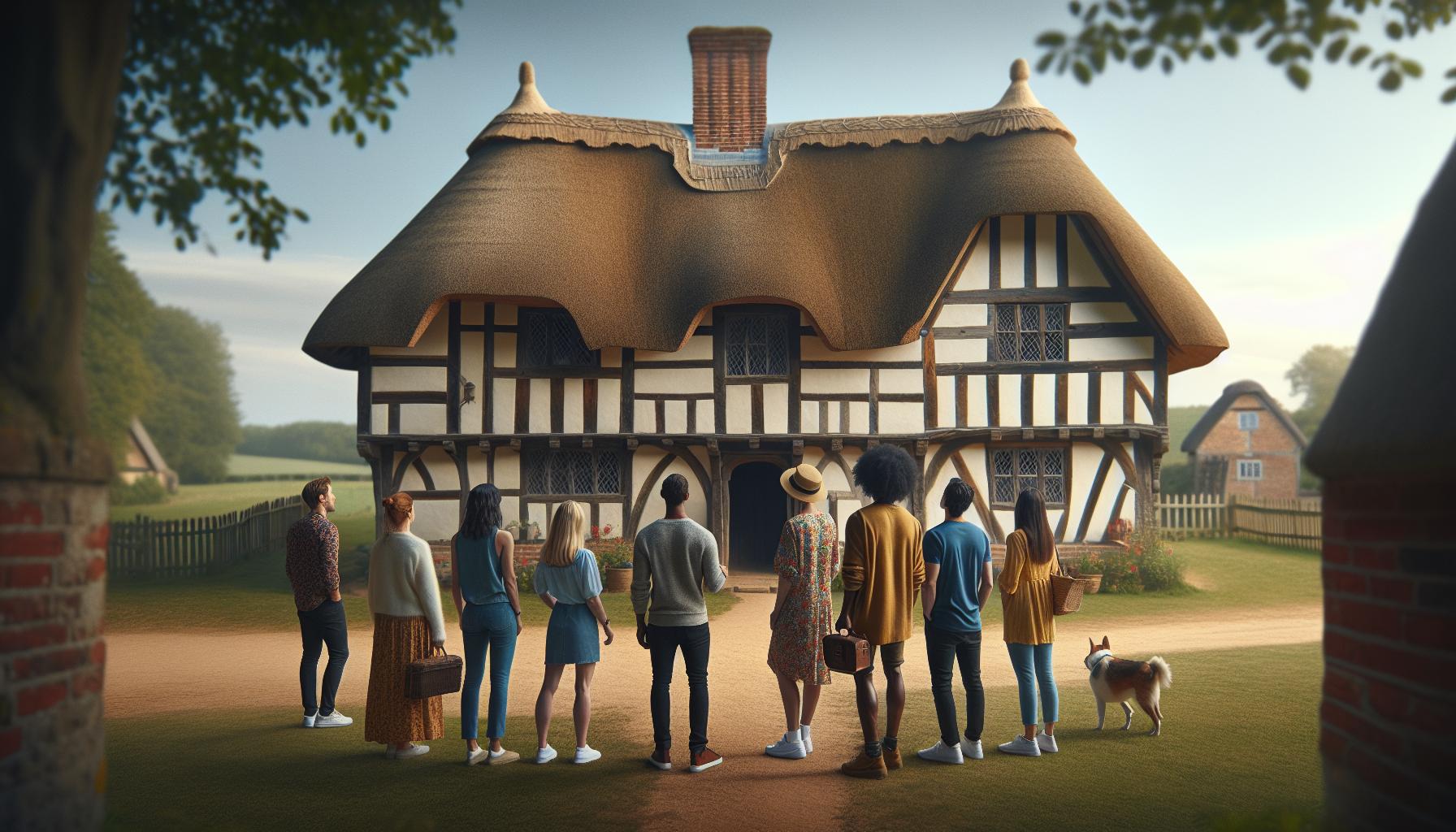
How Thatched Roofs Shaped Tudor Homes
Thatched roofs were not merely a roofing choice but an integral element defining the character and functionality of Tudor homes. Crafted from locally sourced materials like straw or reeds, these roofs provided substantial benefits to the homeowners, particularly those from lower socio-economic backgrounds. The accessibility of these natural materials allowed families to construct their homes affordably, demonstrating the creative resourcefulness typical of Tudor builders.
One of the most significant advantages of thatched roofs was their excellent insulation properties. In the colder months, the thick layer of thatch helped retain warmth, making homes more comfortable without excessive reliance on costly heating solutions. Conversely, in the warmer seasons, thatched roofs allowed for better airflow, naturally cooling interiors and providing a level of comfort conducive to family gatherings. This dual functionality turned the roof into a practical companion for daily life, reducing the need for added expenses in heating or cooling.
However, thatching did require meticulous care and maintenance. Ensuring that roofs were regularly checked for damage from the elements or pests was crucial, as a neglected thatched roof could lead to significant leaks or structural issues. Homeowners often learned to repair small sections themselves, showcasing a blend of community support and individual skill-traits that were vital for survival in poorer Tudor society. Engaging local artisans for larger repairs also nurtured relationships within the community, fostering a spirit of cooperation and mutual aid.
The distinctive aesthetics of thatched roofs cannot be overlooked either; they contributed significantly to the picturesque charm associated with Tudor architecture. The soft, golden hue of well-maintained thatch, combined with the prominent gables of timber-framed walls, created an inviting and picturesque landscape that continues to inspire admiration in contemporary settings. For modern homeowners, looking to integrate sustainable practices, the use of local resources and traditional methods of construction can offer valuable inspiration for creating beautiful, eco-friendly living spaces.
Investigating the Use of Wattle and Daub
Wattle and daub construction is a fascinating aspect of Tudor homes, showcasing the ingenuity of families who often had to build with limited resources. This traditional building technique involved creating a framework of wooden wattle-interwoven sticks and branches-to form the walls of a house. The gaps in this lattice-like structure were then filled with a mixture of daub, made from clay, straw, and sometimes animal dung. This method provided several advantages, particularly for poorer families striving for affordable housing solutions.
One of the most remarkable features of wattle and daub is its remarkable insulation properties. The thick layers of daub effectively kept homes warm during harsh winters while allowing for some level of breathability, mitigating moisture issues. This natural ventilation was essential for maintaining a comfortable indoor atmosphere, which was particularly beneficial for families who might not have had access to extravagant heating methods. Additionally, wattle and daub construction enabled families to localize their building materials, reducing transportation costs and helping to foster a sense of community, as neighbors often shared resources and labor.
Moreover, wattle and daub homes had a distinct aesthetic appeal that contributed to Tudor architecture’s charm. The rough texture of the walls, with their organic and irregular shapes, offered a cozy, rustic appearance reminiscent of simpler times. For modern readers interested in sustainability and cost-effective home building, wattle and daub serves as an inspiring example of eco-friendly construction techniques. Families today can draw from this historical practice by exploring alternative materials and strategies that promote resilience and creativity in building quaint, affordable homes.
Finally, while wattle and daub was simpler and less expensive than brick or stone construction, it required regular maintenance and upkeep. Homeowners had to be vigilant about repairing any cracks or damages in the daub to prevent water infiltration. This ongoing commitment to care not only reflects the resourcefulness required in poorer Tudor households but also underscores the importance of community support and shared knowledge in preserving these unique living spaces. Embracing this spirit of resourcefulness can empower modern families, reminding them that financial constraints can lead to innovative and sustainable living solutions.
The Importance of Clay and Stone in Building Materials
The use of clay and stone in Tudor house construction highlights not only the ingenuity of the builders but also the essential elements of their environment. Clay, abundant and easily accessible, was a primary material used for various purposes, especially in the form of bricks and daub. These items provided excellent thermal mass, meaning they could absorb heat during the day and release it slowly at night, helping to maintain a stable indoor temperature. This quality was especially significant for poorer families who relied on such natural resources to create comfortable, energy-efficient homes.
Stone, on the other hand, was often a symbol of permanence and strength. While the wealthier classes could afford to construct grand stone houses, the use of local stone was also practical for poorer households. Many Tudor homes incorporated fieldstones or rubble, materials that were often sourced from nearby fields or riverbanks. This not only reduced costs associated with transporting materials but also allowed families to build sturdy walls that could withstand the damp British climate. Simple yet effective, these stone foundations provided better insulation against cold and moisture, essential for the longevity of poorer homes.
The integration of clay and stone exemplifies a deeper connection to the land and available resources, showcasing a remarkable harmony between architecture and environment. For modern families seeking to build or renovate homes on a budget, learning from Tudor practices can inspire sustainable building methods today. Emphasizing the use of local materials can reduce construction costs and foster community collaboration, reminiscent of the tight-knit relationships seen in Tudor villages. It can also celebrate an entrepreneurial spirit, encouraging individuals to explore eco-friendly building techniques that reflect both historical wisdom and contemporary values.
Ultimately, the wisdom of Tudor builders in utilizing clay and stone offers valuable lessons for budget-conscious homeowners today. By embracing local materials and sustainable practices, families can achieve financial security while also fostering a sense of purpose and community in their living spaces. Exploring these age-old techniques not only honors the past but can also inspire creative solutions for modern challenges, ultimately enriching lives and promoting a resilient mindset.
Comparative Analysis: Tudor Homes vs. Modern Houses
While the appeal of Tudor homes lies in their quaint charm, a comparative analysis with modern houses reveals significant contrasts in construction materials, design philosophies, and overall sustainability. Tudor houses, built primarily from local materials like timber, clay, and stone, were reflective of their time-a period when communities specialized in crafts that balanced functionality with the resources at hand. In contrast, many contemporary homes often prioritize aesthetics and advanced technology, leading to increased reliance on synthetic and imported materials, which can detract from sustainability and regional identity.
Material Choices
The predominant materials used in Tudor homes included timber frames, wattle and daub, and thatch, which formed a sturdy yet flexible structure that catered to the environmental conditions of medieval England. Timber provided the necessary resilience and insulation, while wattle and daub offered an energy-efficient barrier, expertly maintaining warmth during colder months. Modern homes typically utilize concrete, steel, and glass, which may offer superior durability and design options but often lack the warmth and charm intrinsic to Tudor architecture. Exploring alternative materials today-such as reclaimed wood or eco-friendly insulation-can enrich the aesthetic appeal while also embracing sustainability.
Design Philosophy
The design of Tudor homes emphasized practicality, often blending seamlessly with the surrounding landscape. Their low ceilings, steep roofs, and small windows were not just aesthetic choices but responses to climate and resource availability. Conversely, contemporary architecture tends to favor open floor plans and expansive windows, fostering a connection with the outside world while consuming more energy for climate control. Homeowners today can find inspiration in Tudor designs by creating cozy spaces that enhance personal connections within the home, utilizing natural light effectively without compromising energy efficiency.
Sustainability and Community
The sustainability of Tudor homes stemmed from their use of local materials, which minimized transport-related emissions and forged deeper community ties. In a modern context, this ethos can be revitalized by encouraging local sourcing for home renovation or construction projects. Homeowners are now increasingly taking a page from history, engaging in practices like community-supported agriculture (CSA) and local building initiatives that not only promote economic resilience but also strengthen community bonds. By prioritizing eco-friendly practices and local craftsmanship, families can embed sustainability into their living spaces, echoing the ingenuity of Tudor builders while addressing contemporary needs.
Embracing the spirit of Tudor homes can inspire modern households to cultivate a lifestyle that balances good design with thoughtful resource management. Whether opting for historical techniques in construction or integrating community-driven projects, today’s families possess the opportunity to create spaces that are not only affordable and functional but also rich in character and connected to their roots.
Sustainable Practices in Tudor House Construction
In the world of Tudor homes, sustainability was not just a modern concept-it was a fundamental aspect of construction and daily living. Poor Tudor houses, built with time-honored materials and techniques, exemplified an inherent efficiency that resonated within their communities. These houses utilized readily available resources, fostering a cultural respect for the environment and the land upon which they stood. By understanding the sustainable practices woven into Tudor construction, modern readers can glean valuable lessons applicable to today’s eco-conscious lifestyles.
Harnessing local materials was central to the Tudor approach. Builders relied heavily on timber, clay, and wattle, which were abundant and sourced directly from their surroundings. This minimized transportation costs and reduced carbon footprints long before sustainability was a buzzword. Timber frames combined with wattle and daub provided sturdy yet breathable walls, while thatch roofs not only showcased local crafts but also offered excellent insulation against the elements. In contrast to contemporary homes that often use materials transported from distant places, embracing local sourcing today can reduce environmental impact while enriching community relationships and economies.
The creation of these homes also involved advanced craftsmanship techniques that emphasized longevity and repairability. Instead of adopting a disposable approach to building and renovations, Tudor builders created structures that were designed to last for generations. Encouragingly, modern homeowners can adopt a similar mindset by choosing durable materials and focusing on restoration over replacement. Reclaimed wood, for example, reinvigorates living spaces while paying homage to the past, fostering both sustainability and aesthetic appeal.
Finally, community involvement stood at the heart of Tudor construction practices. Neighbors would often collaborate on building projects, promoting a sense of unity and shared responsibility. In today’s context, engaging in community-driven initiatives, such as local homebuilding workshops or neighborhood renovation projects, can not only refresh homes but also strengthen community ties. Such practices empower individuals to take pride in their living spaces and cultivate resilient, supportive environments, reminiscent of the resourcefulness and creativity of Tudor families navigating the challenges of their time.
By looking back at the sustainable practices of poor Tudor houses, modern individuals can find inspiration and practical solutions to enrich their living experiences while fostering financial security and community resilience.
The Influence of Geography on Material Choices
The diverse geographical landscape of Tudor England significantly influenced the construction materials used in poor Tudor houses, reflecting the community’s resourcefulness and adaptability. In regions abundant with timber, such as the Forest of Dean, builders utilized locally sourced wood, shaping the characteristic timber-framed structures. These homes often employed a method called wattle and daub, where interwoven branches (the wattle) were coated with a mixture of clay and straw (the daub). This technique not only capitalized on available resources but also provided thermal insulation, essential for maintaining comfort during harsh winters.
Geographical variations extended beyond timber usage; clay deposits in certain areas informed the prevalence of clay and thatch roofs. In regions where reeds were plentiful, thatched roofs became a practical choice, providing excellent insulation and water resistance at a low cost. However, this choice wasn’t uniform. In stonier regions, such as the Cotswolds, builders might opt for stone cottages, reflecting local geology and availability. The material diversity not only showcased regional craftsmanship but also promoted a sustainable living ethos, where local resources were prioritized, minimizing transportation costs and environmental impact.
Craftsmanship techniques also evolved from geographical influences, as local building styles adapted to climate and material availability. For instance, in wetter areas, houses were often built on stilts to prevent flooding, while in drier regions, structures would feature thick walls for cooling efficiency. Such adaptability highlights the relationship between geography and the practical aspects of home building, offering valuable lessons today about the importance of leveraging local materials and environment-specific designs.
Embracing this historical context invites modern readers to reflect on their own building choices. When renovating or constructing, consider sourcing materials locally-whether it’s reclaimed wood, stone, or sustainable insulation methods. This not only reduces costs but also fosters community ties and respects the environment. By learning from Tudor practices, individuals can create homes that are not only economically viable but also resonate with the spirit of resilience and creativity that defined those earlier times.
Craftsmanship Techniques in Tudor Home Building
Building a Tudor house involved a series of craftsmanship techniques that were both practical and resourceful, driven largely by the materials available and the climate of the region. One of the most recognizable features of Tudor architecture is the intricate framework of timber, which not only adds aesthetic appeal but also serves functional purposes. In many areas, skilled craftsmen utilized locally sourced timber from nearby forests, highlighting a deep connection to the environment and an understanding of local resources. The construction process typically began with the framing, where sturdy oak beams were cut and shaped using tools like axes and chisels. This framing was then infilled with various materials, depending on local availability and the specific needs of the inhabitants.
Traditional Techniques and Their Impact
One of the most notable construction methods employed during the Tudor period was wattle and daub, a technique that showcased the ingenuity of builders facing resource constraints. Wattle involves weaving thin branches or reeds to form a lattice, which is then covered with daub, a mixture of clay, soil, and straw. This not only provided excellent insulation against the damp English weather but also allowed for a relatively straightforward building process. Additionally, wattle and daub walls were easy to repair, underscoring the practicality of this approach.
In regions where stone was plentiful, craftsmen adopted different techniques, often using larger, cut stones to create durable structures. Stone cottages, built with precision and skill, showcased a different aesthetic and provided improved longevity compared to timber-framed homes. The meticulous attention to detail in stonework demonstrated the artisans’ commitment to quality and longevity, ensuring that their homes could withstand the test of time.
Adaptations to Local Conditions
The craftsmanship of Tudor home builders also extended to roofing techniques, which varied significantly depending on the region. In areas abundant in reeds, thatched roofs were a popular choice due to their excellent insulating properties and affordability. Thatch requires skill to install properly, as it must be thick enough to provide effective weather resistance while shedding water away from the building. Conversely, in stonier areas, more robust roofing options, such as slate or tiles, were prevalent, reflecting a local adaptation to varying weather conditions and material availability.
Through these diverse techniques, Tudor builders demonstrated remarkable resourcefulness and creativity. They understood that the relationship between geography and architecture was crucial, allowing them to make informed decisions about material selection and construction methods. By embracing local resources, they not only minimized costs but also created homes that resonated with their cultural identity and environmental circumstances.
Ultimately, the craftsmanship techniques employed in Tudor home building serve as a testament to the resilience and practicality of this historical period. For modern readers considering their own building or renovation projects, there are valuable lessons to be gleaned from these practices. Emphasizing local materials, sustainable methods, and adaptability can enrich current living spaces while fostering a strong connection to the surrounding environment. Whether it’s using reclaimed wood for beams, opting for sustainable insulation, or exploring traditional building methods, today’s homeowners can find inspiration in Tudor techniques to create homes that are not only functional but also deeply personal.
Everyday Life in Poor Tudor Houses: A Window to History
Everyday life in impoverished Tudor houses provides a fascinating glimpse into a time marked by resilience and resourcefulness. Despite their modest means, families living in these homes found ways to create a sense of warmth and community, utilizing the materials available to them. Typically constructed from a combination of timber, wattle and daub, and thatch, these houses were often small and cramped but served as the center of family life.
Living in a poor Tudor house meant that space was at a premium. Most homes included just one or two main rooms, where family members would cook, eat, and sleep. The absence of modern amenities did not hinder daily activities. Instead, households relied on communal spaces to foster connections, sharing tasks such as meal preparation and childcare. The thatched roofs, while practical for insulation, required regular maintenance, as they were susceptible to leaks, especially in the damp English climate. This necessity often brought families together for repairs, reinforcing social ties and fostering a collaborative spirit within the community.
In terms of sustenance, life was closely tied to agriculture. Many families grew their own vegetables and kept small livestock, which supplemented their diets. Cooking was typically done over an open fire, with recipes that were simple yet flavorful, often relying on herbs and local produce. The scarcity of resources fostered a creative approach to cooking, where leftovers were transformed into new dishes, and seasonal ingredients dictated meal planning.
While the living conditions were basic, the ingenuity of Tudor families shone through. They made the most of what they had, turning everyday tasks into opportunities for bonding and creativity. Even in constrained environments, they practiced thrift and sustainability, skills that resonate well in today’s world. For modern readers, these historical lessons serve as a reminder of the importance of community and resourcefulness, essential qualities for navigating any financial challenges we face today. By embracing a minimalist mindset and focusing on building strong relationships, it’s possible to create a fulfilling life, regardless of material circumstances.
FAQ
Q: What were the main materials used in poor Tudor houses?
A: Poor Tudor houses were primarily constructed from timber frames filled with wattle and daub, a mix of mud and straw. Roofs were often thatched with straw or reeds, and clay was used for flooring. These materials were locally sourced and affordable, reflecting the socioeconomic status of the inhabitants.
Q: How did the geography affect the building materials in poor Tudor homes?
A: Geography played a crucial role in the materials available for Tudor homes. Regions rich in timber, clay, or reeds influenced local building techniques. For instance, areas near rivers provided easy access to thatching materials, while forested areas offered abundant timber for frames.
Q: Why were wattle and daub used in Tudor house construction?
A: Wattle and daub were popular among the poor due to their affordability and accessibility. This technique utilized woven branches (wattle) filled with a mixture of mud and straw (daub), which offered decent insulation and protection against elements while being easy to repair.
Q: What were the distinctive features of roofs in poor Tudor houses?
A: Roofs of poor Tudor houses were typically thatched, using reeds or straw to create a waterproof surface. This type of roofing was effective for insulation but required regular maintenance. The steep pitch of the roofs also helped rain runoff and snow sliding off.
Q: How did climate impact the construction of poor Tudor houses?
A: The climate influenced construction in multiple ways; for example, houses in wetter regions prioritized higher thatched roofs to prevent water accumulation. Additionally, the use of wattle and daub provided better insulation against cold, damp weather typical of many parts of England.
Q: Were there any advancements in building techniques during the Tudor period?
A: Yes, advancements such as the incorporation of brick and improved timber joinery techniques emerged in later Tudor homes. However, these innovations were generally not accessible to poorer classes, who continued to rely on traditional methods like wattle and daub.
Q: What role did craftsmanship play in Tudor house construction?
A: Craftsmanship was vital for durability and aesthetics. Skilled laborers ensured that the timber framing was strong and weatherproof, while the application of wattle and daub required craftsmanship to ensure tight fits and proper insulation, contributing to the longevity of the homes.
Q: How did economic status influence the building materials of Tudor homes?
A: Economic status significantly affected the materials used in Tudor homes. Wealthier families could afford brick and stone, while poorer households relied on timber and local resources. This disparity reflects broader societal divisions during the Tudor period, impacting both functionality and style.
Wrapping Up
In exploring what poor Tudor houses were made from, we’ve uncovered a tapestry of innovation and resourcefulness during a remarkable era. By understanding the humble materials and techniques used, you gain insight into the lives of those who built them. Their stories remind us that beauty can emerge from simplicity. If you have more questions or are intrigued by architecture throughout history, consider diving into our articles on medieval building techniques and the evolution of domestic spaces.
Don’t miss your chance to further enrich your knowledge-subscribe to our newsletter for more fascinating insights delivered straight to your inbox. Feel free to share your thoughts in the comments below, and let us know which historical themes you’d love to explore next. Your journey into history doesn’t have to end here; explore more content that connects the past with today’s living, like our tips on budget-conscious home renovations or creative DIY projects inspired by vintage styles. Together, let’s celebrate the richness of our shared history while finding practical inspiration for modern life.