Imagine turning on your shower only to find a weak trickle of water instead of a refreshing stream. Poor water pressure can turn everyday tasks into frustrating chores and indicate underlying plumbing issues that need attention. Understanding what causes this common problem is essential for any homeowner who values comfort and functionality in their living space. From clogged pipes to municipal supply issues, recognizing these causes can empower you to take action and restore the balance in your home. In this article, we will explore the various reasons behind poor water pressure and provide quick, effective solutions to get your water flowing strong once again. Don’t let low water pressure disrupt your daily routine; discover how to tackle this issue head-on!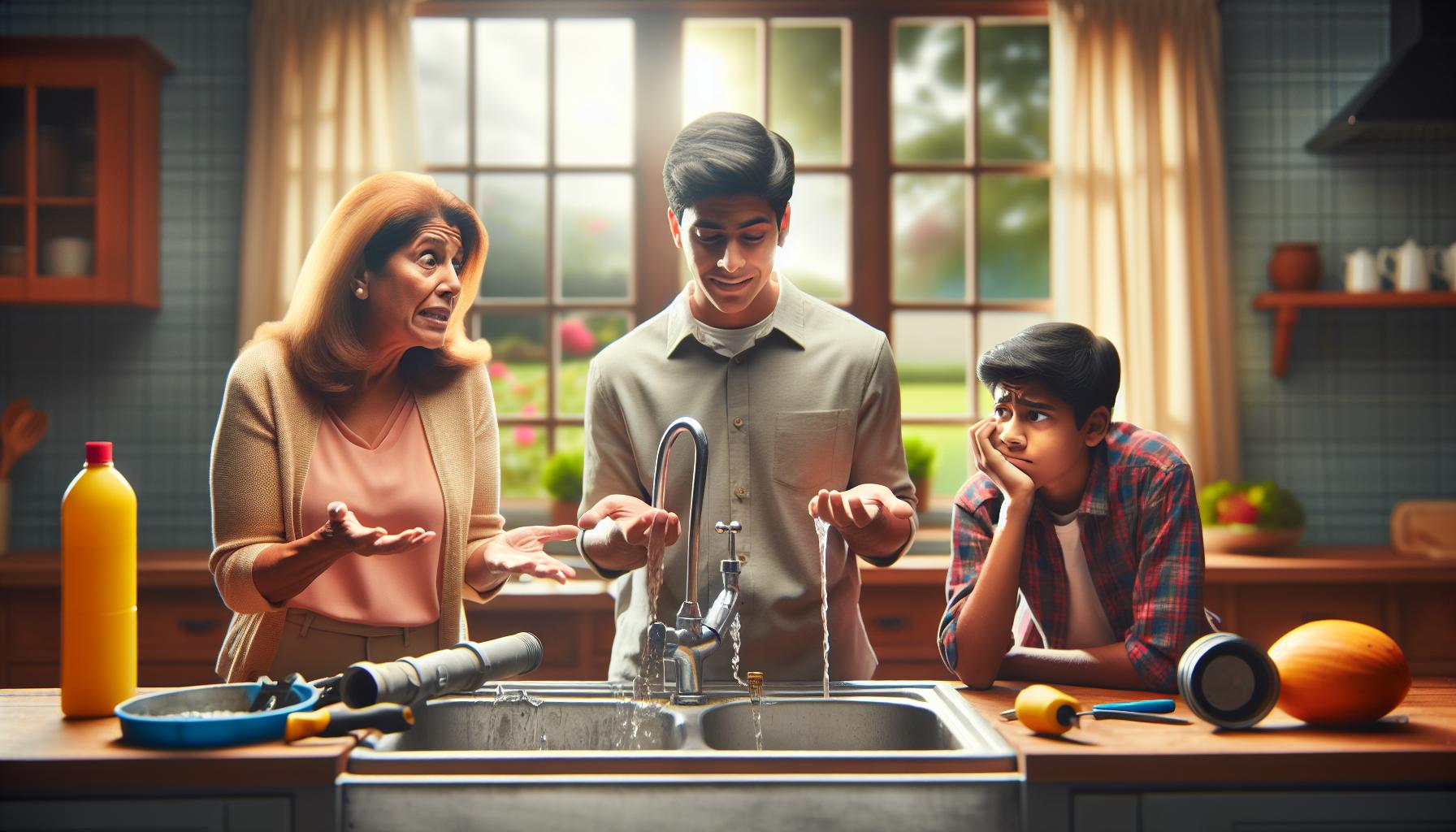
Causes of Low Water Pressure in Homes
One common issue that many homeowners face is low water pressure, which can transform daily routines into frustrating experiences. Understanding the underlying causes is essential for effectively addressing this problem and ensuring a steady water flow throughout your home.
A variety of factors can lead to diminished water pressure. Firstly, leaks in your plumbing system are among the most common culprits. Even a small leak can significantly affect water pressure levels, as the water intended for your fixtures may be escaping into the ground or walls instead. Additionally, clogs in pipelines due to mineral buildup or debris can obstruct water flow, reducing pressure. Often, older homes with aging pipes may experience this problem more acutely due to accumulated corrosion.
Another critical aspect to consider is the water source. If your home is supplied by a municipal water system, fluctuations in supply can impact your water pressure. During peak usage times, such as morning or evening when neighbors are also drawing water, pressure may drop considerably. Furthermore, if your supply relies on a well, factors like pump issues or insufficient well capacity can cause similar problems.
Lastly, improper plumbing design can contribute to poor water pressure. If the system is not designed to accommodate the needs of your household-such as a high demand for water from multiple faucets or appliances simultaneously-the result can be frustratingly low pressure. Addressing these causes often requires a strategic approach, combining your understanding of household plumbing with practical maintenance and, if necessary, professional help.
Common Warning Signs of Poor Water Pressure
Recognizing the warning signs of poor water pressure early can save homeowners considerable hassle and expense down the line. One of the most evident signs is simply a subpar flow rate from faucets and showerheads. If you notice a significant drop in pressure compared to what you’re used to, or if it takes longer to fill a pot or sink, that’s an indication that something might not be right.
Another key indicator is the inconsistent pressure experienced throughout the house. Are certain fixtures, like your shower or washing machine, experiencing fluctuations in pressure when other appliances are in use? This could mean that the plumbing system isn’t able to handle the demand efficiently, pointing to possible design flaws or blockages within the pipes.
Additionally, keep an eye out for unusual noises, such as banging or gurgling sounds when you turn on the taps. These noises can indicate air trapped in pipes or a problem with your pressure regulator. Unusual sounds alongside changes in water flow can be a cry for help from your plumbing system, signaling that it requires immediate attention.
Finally, if you discover that your water bill has unexpectedly jumped, it could be due to leaks within your plumbing system that you haven’t yet noticed. This not only affects your water pressure but also strains your budget. Addressing these common warning signs of low water pressure promptly can prevent further complications and save you time, money, and stress in the future. Taking note of these signs and acting quickly will ensure that your home remains a haven of comfort and convenience.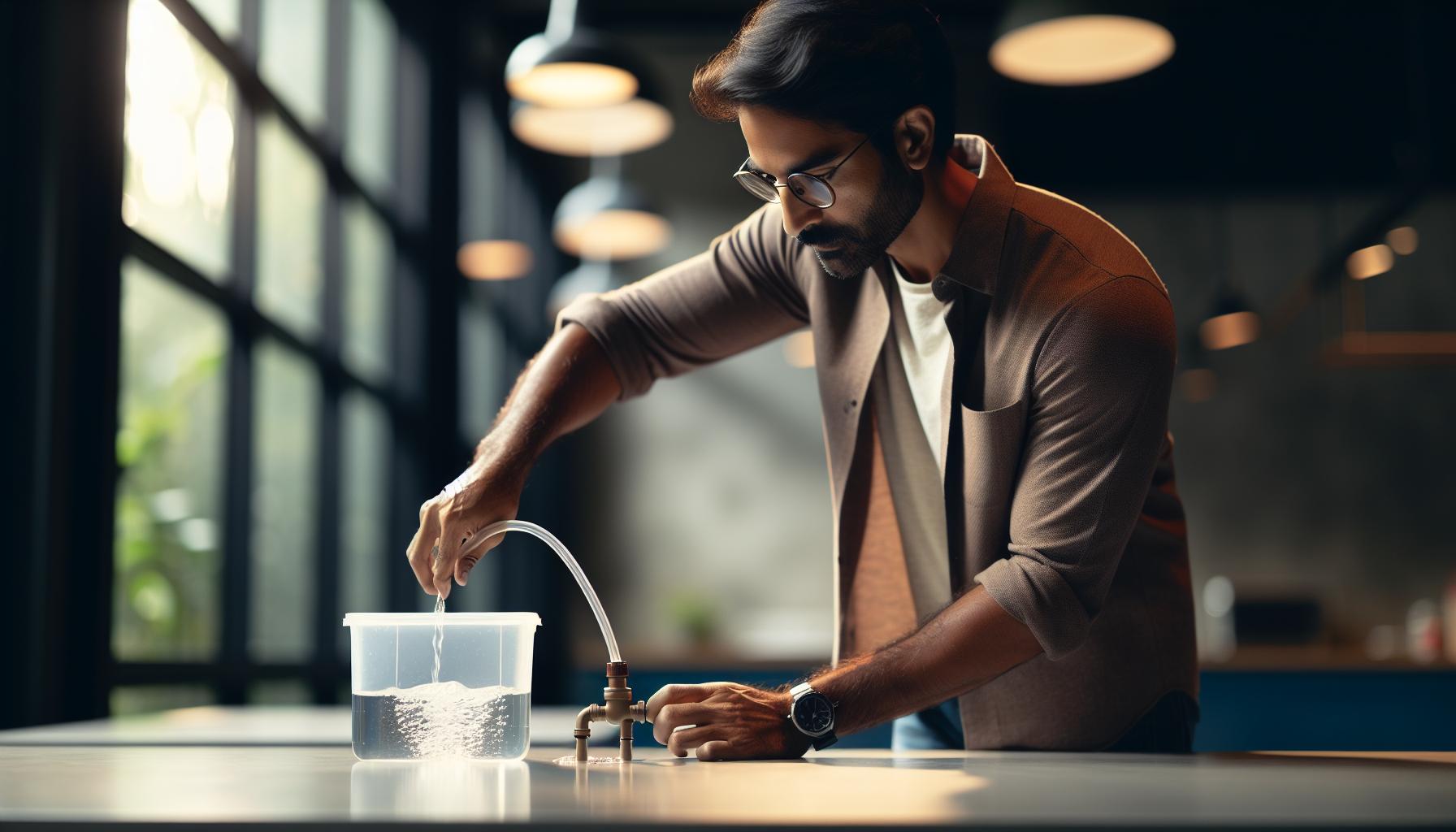
Understanding Water Pressure Fundamentals
Understanding water pressure is essential for maintaining a comfortable and efficient home environment. Think of water pressure as the driving force that allows water to flow through your pipes and out of your faucets. Just like the pressure in a tire keeps it inflated and functional, the right water pressure ensures that your showers are invigorating and your appliances work effectively. Typically measured in pounds per square inch (psi), residential water pressure should ideally fall between 40 and 60 psi. If your pressure dips below this, you may encounter issues ranging from insufficient flow to complete stoppage.
Several factors influence water pressure throughout a home’s plumbing system. For instance, the distance water must travel from its source to your fixtures plays a crucial role. If your home has lead or galvanized pipes, corrosion can limit water flow, causing pressure to drop. Moreover, recent renovations that add more fixtures to your home may also strain your existing plumbing, leading to inconsistencies in water pressure. Understanding these fundamental mechanics not only highlights the importance of maintaining your system but also empowers you to identify potential problems early.
Taking a proactive approach to monitoring water pressure can save you time and expense. Regularly checking your home’s pressure, using a gauge from any local hardware store, can help you catch drops before they become significant issues. If you notice a sudden change, it may be time to evaluate your plumbing for any leaks or obstructions. Staying informed about the fundamentals of water pressure can lead to more informed decisions, ensuring that your home remains a haven of convenience and comfort while you navigate your daily life.
Impact of Plumbing Design on Water Flow
Plumbing design is a critical element that can significantly impact water flow in your home. A well-structured plumbing system ensures smooth, efficient delivery of water to every fixture while a poorly designed system can lead to frustrating low water pressure. The layout of your pipes, the types of materials used, and even the configuration of your fixtures can all influence how effectively water moves through your home.
One of the most common design issues contributing to low water pressure is excessive distances between the water source and your fixtures. Long stretches of pipe can lead to pressure drops, particularly if the pipes are narrower. Moreover, if your home includes multiple levels, such as a two-story house, the water must travel vertically, which can cause even more significant pressure losses. To mitigate such issues, consider simplifying your plumbing layout whenever possible. Reducing the distance between the main supply line and your fixtures can enhance water flow noticeably.
Additionally, the configuration of your plumbing system can affect overall performance. For example, if there are too many bends or turns in the pipework, this can create resistance to water flow. Straight runs with fewer fittings will allow for better pressure retention. If you suspect your plumbing design is contributing to pressure problems, it may be beneficial to consult with a professional who can evaluate your system and recommend potential redesign strategies.
Finally, thinking ahead during renovations can save you from future headaches. When adding further plumbing fixtures, such as in a bathroom remodel, ensure that your existing system can handle the increased demands. Upgrading to larger diameter pipes or installing additional pressure-boosting fixtures, like pumps, may be necessary to keep water flowing seamlessly under varying demands. Investing in a well-thought-out plumbing design not only leads to better water pressure but can also enhance your home’s value and functionality in the long run.
Effect of Corrosion and Mineral Buildup
Over time, the hidden culprits behind low water pressure can often be traced back to corrosion and mineral buildup within your plumbing system. These issues frequently manifest in older homes where the pipes may be made from materials susceptible to deterioration. As water flows through these pipes, it can wear away at the interior surfaces, leading to rust and other mineral deposits clinging to the walls of the pipes, gradually narrowing the passage for water.
The signs of corrosion and mineral buildup can be subtle but impactful. You might notice reduced water flow from faucets or showerheads, or perhaps discolored water coming from your taps. Hard water, in particular, brings with it mineral buildup that can not only clog pipes but also create unsightly scaling on fixtures. Regular maintenance and periodic inspections can help address these issues before they lead to more severe problems.
To tackle mineral buildup, consider investing in a water softener. This device treats hard water and significantly reduces the amount of calcium and magnesium that can accumulate in your plumbing. For pipes already afflicted by corrosion, replacing affected sections or using chemical solutions specifically designed for cleaning out mineral deposits can often restore flow. Additionally, flushing your plumbing system periodically helps eliminate deposits and maintain optimal water pressure.
Being proactive about plumbing maintenance and recognizing early warning signs of corrosion and mineral buildup not only preserves water pressure but can also extend the lifespan of your plumbing system. Empowering yourself with this knowledge encourages a more manageable and financially sound approach to home ownership-one where you can focus on enjoying your living space rather than wrestling with plumbing woes.
How Pipe Size Affects Water Pressure
In the world of plumbing, the size of your pipes plays a critical role in determining water pressure within your home. Using pipes that are too small can lead to significant pressure drops, especially as multiple appliances demand water simultaneously. This is because smaller pipes restrict the flow of water, much like a narrow strait can limit the volume of a river. When water flows through a constricted area, the pressure drops, leading to frustrating experiences like low flow from faucets and showers.
To illustrate this concept, consider a scenario where several water fixtures are in use; if your home’s plumbing system uses half-inch pipes, the water supply may be insufficient for simultaneous use compared to a system that implements three-quarter inch or one-inch pipes. Installing larger pipes could alleviate pressure problems and ensure a more robust flow, particularly in larger homes or busy households.
Understanding the Impact of Pipe Size
When you choose the right pipe size for your needs, there are several benefits to consider:
- Reduced Pressure Loss: Larger pipes will experience less resistance, allowing water to flow more freely and maintain consistent pressure.
- Enhanced Efficiency: Efficient water flow minimizes the time spent waiting for water to reach necessary fixtures, providing convenience for busy families.
- Longevity of Plumbing System: Adequate pipe sizing reduces stress on the plumbing system, potentially extending its lifespan and lowering maintenance costs.
While upgrading your pipe size may seem like a daunting or costly task, it can yield significant returns on your investment in the long run. Consider consulting with a plumbing professional who can assess your system and suggest appropriate upgrades without breaking the bank. This proactive approach not only helps ensure that your home enjoys robust water pressure but also enhances the overall quality of life for you and your family, empowering you to focus on what truly matters: enjoying your home.
The Role of Water Heaters in Pressure Issues
The functionality of your water heater can significantly influence water pressure in your home, often in ways that are not immediately obvious. When a water heater malfunctions, it can lead to reduced pressure, causing frustrating experiences like a weak shower or slow-filling bathtub. Understanding the role of water heaters in your plumbing system can help you identify potential issues and take timely action.
One common culprit is sediment buildup within your water heater. Over time, minerals and sediment can accumulate at the bottom of the tank, which can obstruct water flow and significantly affect the pressure. Regular maintenance, such as flushing the tank to remove this buildup, can restore water flow and pressure. It’s a proactive step that can enhance the efficiency of your heating system while ensuring that your faucets deliver the performance you expect.
Additionally, the type of water heater you use can also impact pressure. Tankless water heaters, for example, provide hot water on demand and may offer better pressure consistency than traditional tank heaters, especially in larger homes where multiple fixtures are used simultaneously. If you experience persistent pressure issues and have an older model, consider evaluating whether an upgrade could be beneficial in improving your overall water experience.
If you find that your water pressure problems persist even after routine maintenance, it might be wise to consult with a qualified plumber. They can assess whether the water heater’s pressure relief valve or another component may need adjustment or replacement. Incorporating regular inspections into your home maintenance routine not only enhances your water flow but also contributes to the longevity of your plumbing system, empowering you to maintain a comfortable and efficient home.
Diagnosing Issues with Pressure Regulators
Understanding pressure regulators is key to resolving low water pressure issues in your home. These devices are designed to maintain a consistent water pressure coming into your plumbing system from the municipal supply or well, adjusting the flow to prevent high pressure that can cause damage to pipes and fixtures. However, when a pressure regulator malfunctions, it can lead to a host of water pressure problems.
One common sign of a faulty pressure regulator is inconsistent water pressure throughout the home. If you notice that faucets and showerheads vary greatly in pressure, it may indicate that the regulator is unable to effectively control the flow rate. Additionally, a pressure regulator that is stuck in a closed position can severely limit water flow, leading to frustrating situations like weak showers or slow-filling appliances.
To diagnose issues with your pressure regulator, first check for visible signs of leakage around the device. If you catch a leak, it is often a clear signal that it needs repair or replacement. Furthermore, using a pressure gauge at various points in your plumbing can provide insights into whether the regulator is functioning correctly. Ideally, residential water pressure should be between 45 and 65 psi; if your readings are below or above this range, it may be time to replace your regulator.
Should you discover that your pressure regulator has indeed failed, replacing it can be a straightforward process. Most DIY enthusiasts can handle this with a few basic tools, but if you’re unsure, enlisting the help of a professional plumber can ensure that the installation meets local codes and is securely fitted. As you take these steps, always remember that maintaining clarity about your home’s water system and its components nurtures a safe and efficient living environment, empowering you to live well without the burden of plumbing issues.
Temporary Solutions for Quick Relief
Experiencing low water pressure can turn daily routines into frustrating challenges, but there are several temporary solutions to quickly alleviate the issue while you investigate its root causes. Understanding and implementing these quick fixes can help restore your comfort and functionality at home without breaking the bank.
One effective approach is to reduce simultaneous water usage. If multiple appliances and fixtures-like the dishwasher, washing machine, and shower-are in operation at the same time, it can exacerbate low pressure. Try staggering these activities, giving each fixture room to operate effectively. Additionally, consider flushing your plumbing system: by briefly turning on all faucets in your home to let them run, you can sometimes clear out minor clogs due to sediment buildup. This technique not only increases flow but can also help dislodge debris.
Another quick solution involves checking your aerators and showerheads for mineral buildup. Unscrewing and soaking these fixtures in vinegar can dissolve deposits that restrict water flow, providing an immediate boost to your water pressure. If you notice that only one fixture is underperforming, cleaning or replacing its aerator may be just the remedy you need.
Lastly, a temporary workaround for specific low-pressure issues is to use a water booster pump. These devices can significantly improve the water pressure for particular areas of your home, ideal for homes with inadequate systems. While this may be an additional upfront cost, it’s a practical investment for immediate relief and may far outweigh the inconveniences of persistent low pressure.
These temporary measures can help you maintain essential water comfort in your home while you explore more sustainable, long-term solutions to address the underlying problems with water pressure.
Long-Term Fixes for Low Water Pressure
Experiencing low water pressure consistently can feel frustrating, but there are several long-term fixes that can help restore the flow and ensure a more reliable water supply throughout your home. Addressing the root causes of your water pressure issues not only brings immediate relief but can also enhance your home’s overall plumbing system for the future.
One of the most effective long-term solutions is to inspect and possibly replace old or corroded pipes. Older galvanized steel pipes often accumulate rust and mineral deposits, which can severely restrict water flow. Consider updating to PVC or copper piping, materials that do not corrode and can significantly improve pressure. While this may seem like a large investment initially, it can save you money in the long run by reducing the need for frequent repairs.
Another impactful fix is to evaluate your home’s water pressure regulator, which controls the water pressure coming into your home. If this device is malfunctioning or set incorrectly, it could be limiting the flow of water. Consult a plumber to assess your current regulator; if adjustments are needed, they can also ensure that it meets the specific needs of your household.
Lastly, examining your plumbing layout can unveil issues that affect water pressure. Ensure that your plumbing design allows for optimal flow; straight, uncluttered lines are ideal for maintaining water pressure. If your system has too many bends or restrictive hardware, consider reconfiguring it to promote better water movement. Engaging with a professional can help identify these design flaws and offer creative, efficient solutions tailored to your needs.
By addressing these factors systematically, you can foster a plumbing environment that not only meets your water needs today but also accommodates future demands, enhancing your home’s comfort and functionality.
Professional Help: When to Call a Plumber
Experiencing low water pressure can be a bewildering challenge, often leaving homeowners frustrated and scrambling for solutions. Knowing when to call a plumber can not only save you time and effort but also help prevent further damage to your plumbing system. If you notice your faucets are trickling instead of flowing or if appliances like washing machines and dishwashers are struggling to perform, it may be time to seek professional assistance.
Beyond the immediate annoyance of low water pressure, there are specific indicators that should prompt you to call a plumber. If the problem persists after trying basic troubleshooting options such as checking for clogs or adjusting fixtures, or if you experience noticeable fluctuations in pressure, it’s wise to consult an expert. Corrosion in old pipes or failing pressure regulators can often be the culprits, and attempting to fix them without professional training may lead to costly mistakes or potential water damage.
In addition to urgent issues, regular evaluation of your plumbing system can lead to long-term benefits. If your home is older and features outdated plumbing materials, consider engaging a plumber for an inspection. Addressing potential problems before they escalate can enhance your home’s water system’s reliability. Not only does this approach mitigate future repair costs, but it also supports a peaceful home environment where everything from morning wake-ups to evening baths can run smoothly.
Engaging a plumber is not just about addressing problems-it’s an investment in your home’s infrastructure. A knowledgeable plumber can provide valuable insights on maintaining robust water pressure and suggest preventative measures that fit your household’s specific needs. So, when in doubt about your water system, remember that reaching out for professional guidance is a step toward ensuring a steady and reliable water supply for you and your family.
Preventative Maintenance to Avoid Issues
Understanding how to maintain your home’s plumbing system can save you from the hassle of low water pressure issues down the line. Regular preventative maintenance not only keeps your water flow steady but also enhances the longevity of your plumbing system, ultimately saving you money on costly repairs or replacements.
Start by routinely inspecting your plumbing fixtures. Check for any signs of leaks or drips around faucets, showers, and under sinks. Even minor leaks can contribute to poor water pressure over time and lead to more significant problems if not addressed quickly. Installing water-saving fixtures can also improve your water efficiency without sacrificing pressure. These devices are designed to optimize flow while conserving water, making them an excellent choice for eco-conscious homeowners.
Another crucial aspect to consider is your home’s water filter and softener system. If these systems become clogged or require maintenance, they can drastically affect water pressure. Regularly replace filters as recommended by manufacturers and verify that water softeners are functioning optimally. This simple step can prevent pressure issues and ensure clean, quality water throughout your home.
It’s also beneficial to maintain your pipes to prevent mineral buildup and corrosion, which are common culprits behind low water pressure. Flushing your pipes periodically can help clear out sediment that naturally collects over time. For older homes with galvanized pipes, consider having them inspected for corrosion; replacing them with modern, corrosion-resistant materials can provide peace of mind and better water flow.
To ensure a consistent and healthy water supply, stay proactive about your plumbing system. By making small adjustments and investments, you can enhance your home’s water pressure and create a smoother, stress-free experience in daily living. Keeping an eye on your plumbing now will set the stage for a reliable water system for years to come.
Frequently asked questions
Q: What are the main causes of poor water pressure in a house?
A: Poor water pressure can be caused by several factors, including clogs in pipes, leaks, corroded pipes, and issues with the water supply line. Additionally, multiple fixtures using water simultaneously can also lead to reduced pressure. For detailed causes, refer to the section on “Causes of Low Water Pressure in Homes.”
Q: How can I quickly fix low water pressure?
A: For quick relief from low water pressure, check for clogs and clean your aerators and showerheads. Ensure that your main water valve is fully open. If these simple steps don’t work, consider using a temporary pressure booster until a permanent solution is found.
Q: Could my water heater be affecting my water pressure?
A: Yes, an aging or malfunctioning water heater can lead to low water pressure. Sediment buildup and faulty valves in the heater may restrict water flow. It’s wise to inspect your water heater if you suspect it affects your home’s pressure, as highlighted in the section on “The Role of Water Heaters in Pressure Issues.”
Q: What signs indicate I have low water pressure?
A: Common signs of low water pressure include a weak shower stream, slow-filling bathtubs, and difficulty using multiple fixtures simultaneously. If you notice these issues, it may be time to investigate further as outlined in “Common Warning Signs of Poor Water Pressure.”
Q: When should I call a plumber for low water pressure?
A: Call a plumber if simple fixes do not resolve the issue, or if you identify significant leaks, pipe damage, or corroded pipes. Professional assessment is crucial for addressing underlying problems effectively, as discussed in “Professional Help: When to Call a Plumber.”
Q: Can pipe size affect water pressure in my house?
A: Yes, inadequate pipe size can limit water flow and reduce pressure. Ensuring that pipes are appropriately sized for your water needs is essential, as detailed in the article’s section on “How Pipe Size Affects Water Pressure.”
Q: How does corrosion affect water pressure?
A: Corrosion in pipes can lead to mineral buildup which narrows the flow, causing low water pressure. Regular inspections can help identify corrosion early, preventing more severe issues later, as explained in “Effect of Corrosion and Mineral Buildup.”
Q: What preventative measures can I take to avoid low water pressure?
A: Regular maintenance of your plumbing system, including checking for leaks and cleaning fixtures, can help prevent low water pressure. Implementing these preventative measures can save you headache and money, as noted in “Preventative Maintenance to Avoid Issues.”
To Wrap It Up
Understanding poor water pressure in your home can lead to quicker resolutions and improved daily living. By addressing issues like clogged pipes or faulty fixtures, you can enhance your water experience today. Don’t let low water pressure disrupt your routine any longer-implement these quick solutions now and feel the difference immediately!
For more help, explore our related articles on common plumbing problems or the benefits of regular maintenance to keep your home running smoothly. If you’re looking for expert assistance, consider our consultation services to guide you through the plumbing challenges in your home. And don’t forget to subscribe to our newsletter for more tips on home ownership and DIY solutions. Share your experiences and questions in the comments below; your insights might just help someone else tackle their water pressure woes!