
In today’s fast-paced world, reliable cell phone reception at home is crucial for everything from staying connected with loved ones to managing work remotely. Frustratingly, many people experience dropped calls and weak signals, often without knowing the underlying causes. Whether it’s due to physical barriers, distance from cell towers, or interference from household appliances, understanding these factors can empower you to enhance your connectivity. This article explores common reasons for poor reception and offers easy, budget-friendly fixes to ensure you stay connected when it matters most. Read on to discover practical solutions that can transform your home into a communication hub!
Causes of Poor Cell Phone Reception in Your Home
Cell phone reception can be a frustrating experience, especially when you need to stay connected. The causes of poor reception are often rooted in a mix of environmental and structural factors that can interfere with the signals transmitted by cell towers. Understanding these causes can empower you to take effective steps towards improving your signal quality at home.
One significant factor is the distance from the nearest cell tower. If your home is located far away from a cell tower, the signal will be weaker. Additionally, topographical features such as hills, mountains, or dense forests can obstruct signals. Buildings and walls can also hinder reception; for instance, homes with thick brick or stone exteriors might experience more signal loss. The orientation of your home within a neighborhood can further affect signal strength, particularly in urban settings where other buildings may block the direct path to the tower.
Another critical aspect to consider is interference from household items. Electronic devices, especially those that emit electromagnetic frequencies, can disrupt signals. Common culprits include microwaves, cordless phones, and even Wi-Fi routers. Additionally, reflective surfaces, such as mirrors or metal fixtures, can cause signals to bounce unpredictively, leading to dead spots within your home.
Understanding these causes can help you assess your situation and consider options for mitigating interference or optimizing your reception through strategic adjustments and solutions.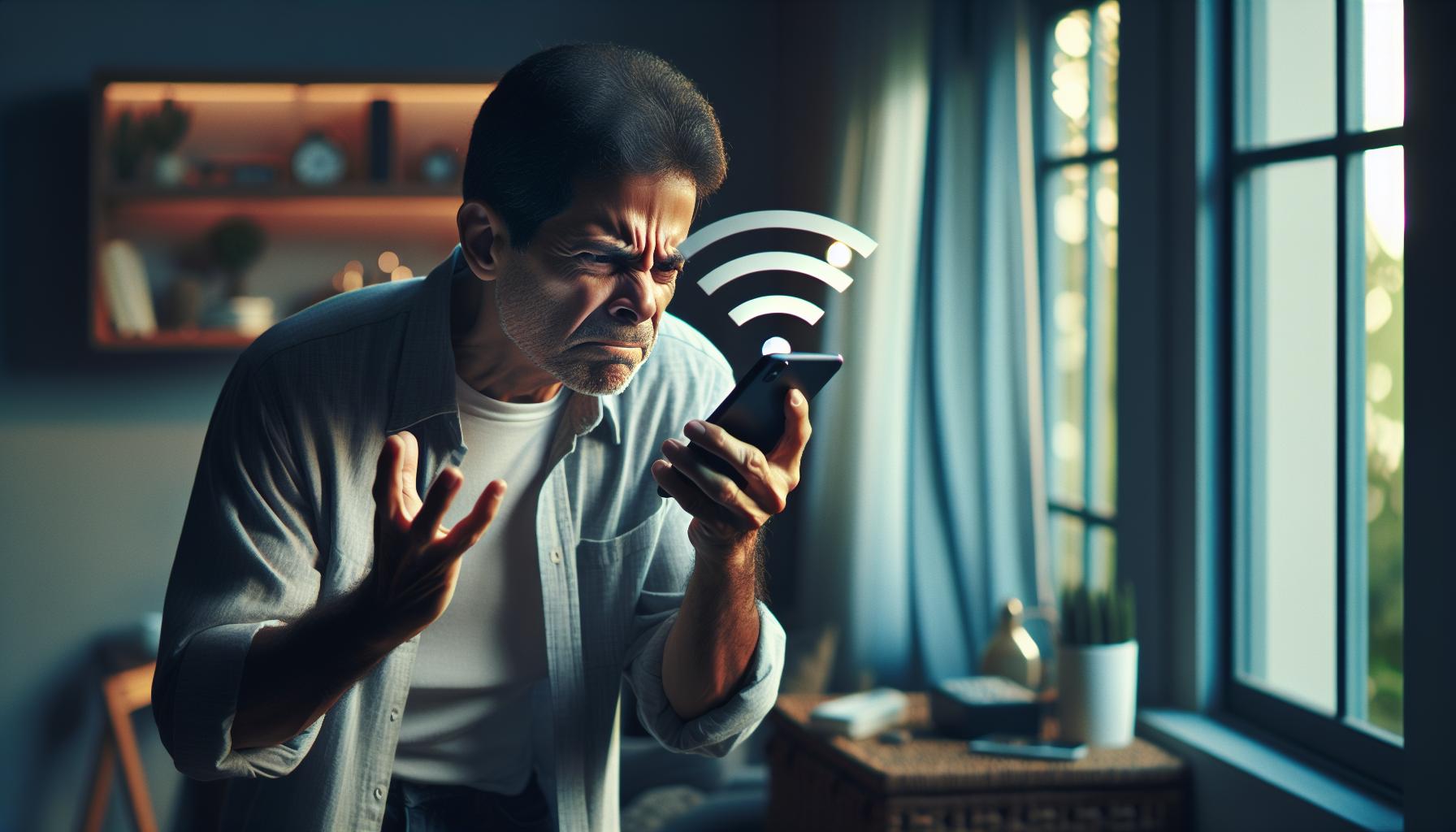
How Building Materials Impact Signal Quality
The materials used in your home can significantly influence the quality of your cell signal. Surprisingly, the very elements that make your house sturdy and aesthetically pleasing can also act as barriers to the electromagnetic waves that your phone relies on for communication. For instance, common building materials like concrete, brick, and even metal can substantially weaken signals. This is particularly important to consider if you live in a densely populated area or an older structure where materials may not be optimized for signal penetration.
Bricks and Concrete: These materials, while robust and durable, can absorb and impede radio waves. If your home features thick brick walls or a concrete frame, the chances are high that your reception is suffering. If possible, consider softer materials such as wood for home improvements or lightweight partitions, which can allow signals to pass more freely throughout your space.
Windows and Insulation: Modern homes often utilize double-paned windows to enhance energy efficiency. While this is an excellent choice for keeping your home comfortable, these windows can also obstruct signal quality. As insulation technology improves, materials containing aluminum or metal foil can reflect signals rather than allow them to pass through. For those struggling with weak signals, opting for window films designed to minimize interference or changing insulation types might be beneficial.
Roofing Materials: Roofing can also play a role in signal reception. If you have a metal roof, you may experience more significant reception issues, although this can often be mitigated by using appropriate external antennas or signal boosters placed strategically on or near your roof.
By understanding how various building materials impact signal strength, you can take proactive steps to enhance your cell reception at home. Whether it’s optimizing your layout or investing in signal-enhancing solutions, every small change can lead to a more connected and comfortable living environment.
Common Household Obstructions to Cell Signal
In today’s digital age, poor cell phone reception can feel like a major inconvenience, especially when it disrupts your ability to stay connected. You’ll be surprised to learn that several common household items can significantly hinder your phone’s ability to pick up signals. Understanding these obstructions is the first step towards finding effective solutions to enhance your reception.
One of the most significant culprits is furniture, which can absorb or block radio waves, particularly large pieces such as sofas or cabinets placed near windows. When rearranging your space, consider keeping larger furniture away from where you typically use your phone. Additionally, electronic devices such as microwaves, cordless phones, and Wi-Fi routers emit signals that can interfere with cellular signals, particularly if they are located close together. If you’ve noticed a decline in signal quality while using certain appliances, try relocating them to see if reception improves.
Household materials can also pose challenges. For example, metal appliances and fixtures can reflect signals rather than allowing them to penetrate your living space. This means that placing your phone near the refrigerator or another metal surface can lead to weaker signals. In homes with multiple floors, you might find that flooring materials like tile and concrete can also obstruct signals as they don’t transmit radio frequencies as effectively as wood.
To navigate these global and local signal interruptions, think about applying some strategic adjustments, such as moving furniture, reorienting electronic devices, or even investing in signal-enhancing tools like furniture pads designed to minimize interference. With a little creativity and thoughtfulness about your home’s layout, you can often restore your phone’s performance and keep your connections strong and reliable.
Understanding Your Cell Phone Signal Strength
Understanding the strength of your cell phone signal is essential to troubleshooting poor reception issues in your home. Signal strength is typically measured in decibels (dBm), with a higher number indicating a stronger signal. For instance, a signal in the range of -50 dBm to -70 dBm is considered excellent to good, while anything below -100 dBm is often unusable. Recognizing these metrics can empower you to make informed decisions about improving your cell service.
Several factors contribute to your cell phone’s signal strength, including distance from the nearest cell tower, physical obstructions, and atmospheric conditions. When you’re within a few blocks of a tower, a strong signal is likely; however, walls, roofs, and even trees can weaken it as it attempts to reach your device. If your home is surrounded by dense foliage or is constructed from materials like concrete or metal, these can form significant barriers that interfere with the signal. To assess your signal strength more accurately, consider downloading a signal strength application, which can provide real-time data and help identify weak areas in your house.
Moreover, understanding the layout of your living space can play a crucial role in enhancing your connectivity. If you notice weaker signals in specific rooms, experiment by moving closer to windows or doors, which might allow for better reception. Many people discover that using their phones in upstairs areas or near exterior walls yields improved signals, highlighting the importance of strategic placement, not just of furniture, but also of your day-to-day activities.
Lastly, it can be advantageous to remember that the choice of carrier matters. Different cell carriers may have varying strengths in different areas due to their infrastructure. Researching coverage maps and user experiences specific to your locale can offer insights as to which provider might be best suited for your needs. By understanding these aspects of signal strength, you can implement thoughtful changes that may significantly enhance your cell phone reception, leading to uninterrupted connectivity in your home.
Identifying Dead Zones in Your House
The discovery of dead zones in your home can be frustrating, particularly in an age where connectivity is essential for both work and leisure. These areas might be lurking in unexpected spots, often leaving you to wonder why you can’t send a text or make a call from your own living room. Identifying these dead zones is not only about troubleshooting but also about reclaiming your connectivity and ensuring that your investments in technology yield the rewards you deserve.
To pinpoint the dead zones in your house, start by noticing areas where your signal consistently drops. This could be rooms furthest from windows or those with metal appliances nearby. Take a systematic approach: walk through your home with your phone and observe the signal strength as you move from room to room. Most smartphones display signal strength as a series of bars or can provide a numerical dBm reading in the settings, which allows for a precise assessment. Create a simple chart to record signal strength at different locations, making it easier to visualize patterns and identify persistent problem areas.
Common Spots for Dead Zones
Here are typical places where dead zones often occur:
- Basements: The thickness of foundations and soil can significantly impede signals.
- Interior Rooms: Spaces that lack windows or have thick walls often cause issues.
- Areas Near Electronic Devices: Devices like microwaves and large screens can cause interference.
- Behind Solid Objects: Heavy wooden furniture, slabs of stone, and metal structures can block signals.
Once you’ve mapped out the weak areas, consider solutions such as altering the layout of furniture to minimize barriers or using signal boosters to enhance reception. For example, moving a couch away from an interior wall can often yield surprisingly better results. The layout of your space, combined with strategic use of technology, can transform how you connect at home, allowing you to enjoy seamless communication and connectivity.
Approaching your connectivity challenges with a proactive mindset not only brings immediate relief but also empowers you to enhance your living environment practically and affordably. Identifying these dead zones is the first step to taking control of your cell signal and ensuring that your home remains a space of connection, creativity, and comfort.
Effective Solutions for Improving Reception
Many homeowners face the frustration of poor cell phone reception, but the good news is that there are effective solutions to enhance signal quality without breaking the bank. Start by making small adjustments in your home environment that can dramatically impact connectivity. For instance, regularly updating your phone’s software can optimize its performance and connection abilities. Furthermore, consider changing the layout of your living space by moving furniture that may be blocking signals or rearranging devices that operate on similar frequencies, such as microwaves and Wi-Fi routers.
Another valuable approach is to strategically place your router or signal repeater in an elevated position or near windows to maximize signal reach. Often, interior walls and heavy furnishings can absorb or reflect signals, so relocating these devices can be a game-changer. If certain rooms consistently exhibit weak signal strength, try using Wi-Fi calling, which allows calls to be made over your internet connection, effectively bypassing the need for a strong cell signal entirely.
A more robust solution involves investing in a quality cell phone signal booster. These devices can capture weak signals from outside and amplify them within your home. When choosing a booster, ensure it is compatible with your cellular carrier and suitable for the size of your living space. Reading reviews and considering models specifically designed for residential use can lead you to the best option for your needs.
Lastly, engaging with your cellular provider’s customer service can yield insights specific to your area. They often have tools to assess signal strength and may offer tips or solutions tailored to your circumstances. Being proactive in addressing your reception issues not only enhances your connectivity experience but also empowers you to take control of your home environment, ensuring that it remains a hub of communication and creativity.
Best Devices for Boosting Cell Signals
In today’s hyper-connected world, experiencing poor cell phone reception can feel like a milestone on the road to frustration. Investing in devices that enhance your cell signal can drastically change your communication experience. With a myriad of options available, it’s essential to understand which devices can effectively address the unique challenges of your home environment.
One of the most effective solutions is a cell phone signal booster. These devices work by capturing weak cellular signals from outside your home and amplifying them to provide better reception indoors. Look for models that are compatible with your cellular provider and can cover the square footage of your living space. Most reputable brands offer options for various coverage needs, from small apartments to multi-story homes. It’s beneficial to read user reviews to determine the best fit for your specific circumstances.
Types of Signal Boosters
When choosing a cell signal booster, consider the different types available:
- Omni-Directional Boosters: These boost signals from all directions, making them ideal for areas with weak signals irrespective of the source location.
- Directional Boosters: Designed to focus on signals coming from a specific direction, these are perfect if you know where your signal originates, such as when your home is located far from a cell tower.
- DIY Boosters: For a budget-friendly option, some people have successfully created simple signal boosters using materials like aluminum foil or old satellite dishes to direct signals, although these methods may not be as effective.
Wi-Fi Calling Options
Another practical device is a Wi-Fi calling-enabled smartphone. If your carrier supports it, using Wi-Fi for calls can significantly enhance your communication capabilities, especially in zones with poor cellular reception. Simply enable this feature in your phone settings, and as long as you’re connected to a Wi-Fi network, you can make and receive calls seamlessly.
Smartphone Apps
Don’t overlook mobile applications that can help identify weak signal areas and provide tips on improving reception. Some apps can analyze your signal strength over time and suggest optimal locations for calls and data usage within your home.
By strategically implementing these devices and solutions, you can reclaim your connectivity and enjoy uninterrupted communication with family, friends, and colleagues. Whether you’re seeking budget-friendly DIY options or looking to invest in quality tech to enhance your home network, there are ample solutions to empower you in overcoming the challenges of poor cell reception.
DIY Fixes for Better Cell Phone Reception
Cell phone reception in your home can often resemble a game of hide-and-seek, with stable connections playing hard to get in certain areas. Fortunately, there are several budget-friendly and effective DIY fixes that can help you enhance your signal and regain connectivity without the need to break the bank.
One straightforward approach is to reposition your router or phone. Sometimes, simply moving your router to a more central location in your home can make a significant difference. If you’re primarily using cellular data, try placing your phone near windows or areas that have fewer obstructions. High surfaces, like shelves or countertops, can also help expose your device to better signals from outside.
Another inventive solution is leveraging basic materials to create a homemade signal booster. For instance, you can use aluminum foil to fashion a simple reflector that directs signals toward your device. By creating a concave shape and placing it around the back of your phone, you can enhance the signal coming from the cell tower. While this is more of a hack than a long-term solution, it showcases creativity and resourcefulness that can occasionally yield surprising results.
Maximizing external signals can also be achieved through the use of common household items. For those who enjoy crafting, an old satellite dish can be repurposed as a signal reflector. You can mount your phone at the focal point of the dish, which directs the cellular signal towards your device. This DIY approach may require a bit of trial and error, but it’s a fun project that can lead to better reception.
Furthermore, don’t underestimate the power of Wi-Fi calling as a viable workaround. If you have a strong Wi-Fi connection, enabling Wi-Fi calling on your smartphone can facilitate clearer calls and better connectivity without relying solely on cellular reception. This simple adjustment can often alleviate the frustrations of weak signals, especially in areas where cellular coverage is spotty.
With a little ingenuity and effort, you can significantly improve your cell phone reception at home. These DIY fixes not only enhance your connectivity but also promote a do-it-yourself attitude that empowers individuals and families to tackle everyday challenges effectively. By embracing creativity and resourcefulness, you can ensure that staying connected doesn’t have to come with a hefty price tag.
When to Consider Professional Assistance
Poor cell phone reception can often feel like an insurmountable challenge, but understanding when to seek professional help can be a game-changer. While DIY fixes can provide temporary relief, they might not address deeper systemic issues affecting your signal. If you’ve tried repositioning your devices, optimizing your Wi-Fi calling, or employing creative homemade boosters without success, it may be time to consider enlisting expert assistance.
Here are some signs that it’s time to call in the pros:
- Persistent Dead Zones: If certain rooms or areas in your home consistently experience weak signals despite your best efforts, a professional can conduct a thorough assessment to determine the root cause, whether it’s due to building materials or specific obstructions.
- Frequent Call Drops: If your calls drop frequently or you struggle to maintain a stable connection, this could indicate issues beyond just your home setup-perhaps with the network itself or your device.
- Building Modifications: If you’re considering significant changes to your home, such as renovations or adding new materials, consulting a professional can prevent future reception problems.
- Complex Solutions Needed: If you’ve explored various boosting options and need a complete network overhaul, professionals can recommend sophisticated solutions, such as installing signal boosters or repeaters tailored specifically for your home’s layout.
Remember, investing in professional assistance not only helps resolve immediate connectivity issues but can also contribute to your home’s overall value and function. A well-connected home can enhance remote work capabilities, facilitate clear communication, and improve your internet of things (IoT) experiences. Embracing these changes empowers you to cultivate an environment that supports both material and spiritual well-being, ultimately leading to a more fulfilling, connected lifestyle.
Comparing Network Carrier Capabilities
While many factors influence your cell phone reception at home, one of the most significant is the network carrier you choose. Different carriers offer varied coverage, technologies, and performance in specific areas, making it essential to evaluate their capabilities. Did you know that areas with vast terrain, dense urban buildings, or even specific weather conditions can affect signal quality differently based on the carrier’s infrastructure? Understanding this can empower you to make informed choices that maximize your connectivity.
Evaluating Coverage Areas
Before settling on a network provider, check their coverage maps, which reveal the strength and reliability of signals in your locality. Many providers offer interactive tools that let you input your ZIP code to see current coverage. Be aware, however, that coverage may vary indoors versus outdoors due to building materials that may block signals. For example, while one carrier may provide excellent outdoor reception, reducing its effectiveness inside a home with thick walls or metal roofing, another carrier may excel in urban environments but struggle in rural settings.
Comparing Technologies
Different carriers also utilize different technologies-such as GSM and CDMA-each with its benefits and drawbacks. GSM networks, like those run by T-Mobile and AT&T, typically provide superior international roaming options, making them an excellent choice for frequent travelers. In contrast, Verizon, which operates on CDMA, often boasts broader rural coverage. When choosing a carrier, consider your lifestyle and the physical locations you frequent.
- Nationwide Coverage: If you travel frequently, look for a carrier with strong nationwide coverage to ensure seamless connectivity.
- Local Performance: Sometimes, a carrier might excel in your immediate neighborhood while lacking coverage a few miles away, so personal experiences from friends or local online forums can be invaluable.
- Updates and Expansion Plans: Investigate if a carrier is actively improving their infrastructure by investing in new towers or technology upgrades, which might result in better performance in the near future.
By taking the time to comprehend the differences amongst carriers and how these differences impact your home and lifestyle, you can select a network that enhances your overall connectivity experience. Additionally, being proactive in assessing your reception and asking for recommendations can lead to a long-term solution that not only saves you money but also provides an enriching connectedness for your family’s needs.
Exploring Cell Signal Repeaters and Boosters
In an era where staying connected is more vital than ever, many homeowners grapple with poor cell phone reception. Fortunately, cell signal repeaters and boosters serve as effective solutions to bridge the gap between your device and the outside world. These devices enhance weak signals, ensuring you enjoy seamless connectivity, whether you’re working from home, enjoying family video calls, or simply browsing the web. Understanding how these technologies work and choosing the right one can significantly improve your mobile experience.
Cell signal boosters work by capturing weak signals from nearby cell towers, amplifying them, and redistributing the enhanced signal throughout your home. The setup typically includes an external antenna placed on your roof or a high point that can access a more reliable signal, a signal amplifier, and an internal antenna to spread the reinforced signal. When choosing a booster, consider factors like your home’s size, the type of signal you receive, and the specific carrier services you use. Many modern boosters are compatible with multiple carriers, making them a versatile choice for families or shared living spaces.
There are various types of repeaters and boosters available on the market, ranging from budget-friendly options to more robust systems for larger homes. Some popular models are specifically engineered to work in challenging environments, providing solutions for concrete-heavy buildings or homes situated in rural areas. Before purchasing, consult reviews and product specifications to ensure the booster fits your specific needs. Additionally, remember that effective installation and positioning greatly influence the performance of these devices, so take the time to set them up correctly.
By investing in a quality cell signal booster, not only can you improve your phone reception, but you can also enhance your overall connectivity experience at home. Stronger signals mean fewer dropped calls, faster loading times, and a more reliable connection for all your devices. In a world that thrives on connectivity, ensuring that your home is equipped for optimal signal strength can make a remarkable difference in your daily life, allowing you to engage in the activities that matter most without frustration.
Tips for Maintaining Strong Cell Phone Reception
In today’s fast-paced world, staying connected isn’t just a luxury; it’s a necessity. Yet, many households struggle with weak cell phone reception that can lead to dropped calls and frustratingly slow data speeds. Fortunately, there are simple strategies you can implement to maintain strong cell phone reception and enhance your connectivity at home.
Start by evaluating your home environment. Signal strength can easily be affected by the placement of your devices and furniture. Try to position your phone near windows or in higher areas to capture a stronger signal. Additionally, minimize the use of materials that can obstruct signals, such as thick walls or metal surfaces. If you’re constantly moving between rooms with varying reception, consider designating a “signal-friendly zone” where you can take important calls or attend virtual meetings without interruption.
Beyond location, regular maintenance of your devices can also play a crucial role in how well you stay connected. Keep your phone updated with the latest software. Manufacturers frequently release updates to optimize performance and fix bugs that may impede connectivity. It’s also beneficial to routinely clear out cached data and unused apps to improve your phone’s overall efficiency.
Another effective way to sustain strong reception is to switch to Wi-Fi calling when possible, especially in areas where cellular reception is weak. This feature allows you to use your home internet connection for calls and texts, reducing reliance on cellular service. If challenges persist, consider investing in a reliable cell signal booster which can greatly enhance your reception by amplifying weak signals from nearby towers.
Finally, remain informed about your carrier’s network capabilities and any service outages in your area. Carriers often have different strengths in various locations, so researching their performance based on your zip code can lead to a more tailored approach to boosting your connectivity. Maintaining strong cell phone reception is an ongoing process, but with these practical tips, you can ensure a more reliable experience that supports your busy lifestyle.
FAQ
Q: What are the main factors that cause poor cell phone reception in a house?
A: Poor cell phone reception can be attributed to several factors, including the distance from the nearest cell tower, obstructions like walls and furniture, building materials that block signals, and electronic interference from household devices. Assessing these elements can help identify reception issues.
Q: How can building materials affect cell phone signal quality?
A: Building materials like concrete, metal, and fiberglass can significantly degrade cell phone signals. For example, concrete walls and metal roofing can block signals from penetrating, leading to weak reception indoors. Consider using signal boosters or installing devices that mitigate these effects.
Q: Why do certain areas in a house have dead zones?
A: Dead zones in a house occur due to weak signal strength, often caused by distance from the nearest tower or obstructions like thick walls and appliances. Understanding your phone’s signal strength can help you identify these areas and improve reception.
Q: What are some quick fixes for improving cell phone reception at home?
A: To improve cell phone reception, try moving closer to windows, reducing obstructions around your phone, or repositioning your router for better signal distribution. You may also consider using signal boosters or Wi-Fi calling as effective solutions.
Q: Are there specific devices that can boost cell phone signals at home?
A: Yes, devices such as cell signal boosters, repeaters, and mesh Wi-Fi systems can enhance phone reception. These devices amplify existing signals to improve clarity and connectivity, especially in areas prone to weak signals.
Q: How can I determine if my cell phone service provider is the cause of poor reception?
A: To determine if your service provider is at fault, compare reception with other users on the same network in your area. Check coverage maps provided by your carrier and consider testing your phone with different networks to see if issues persist.
Q: What role does the layout of my house play in cell phone reception?
A: The layout of your house affects cell phone reception significantly. Open floor plans generally allow better signal flow, while numerous walls and floors can obstruct signals. Make adjustments, like decluttering or relocating furniture, for better reception.
Q: When should I consider professional assistance for my cell phone reception issues?
A: Consider professional assistance if DIY solutions don’t improve your cell phone reception. Professionals can conduct signal assessments, recommend the right equipment, and provide installation services for boosters or repeaters tailored to your specific needs.
Concluding Remarks
Now that you understand what causes poor cell phone reception in your house and the easy fixes available, it’s time to take action! Don’t let weak signals disrupt your communication-implement these solutions today for a better connection. If you’re still experiencing issues or have lingering questions, check out our guides on optimizing your home’s Wi-Fi and boosting your overall internet connectivity.
For even more insights, don’t miss our articles on budget-friendly tech upgrades and effective home maintenance strategies. Remember, improving your cell reception is just one step towards a more connected and efficient home. Join our community by signing up for our newsletter to receive the latest tips and updates straight to your inbox-your next steps in achieving a fully functional home are just a click away! Share your experiences with us in the comments below; we love hearing how you’ve tackled these challenges!