
Throughout history, Jewish poor houses have served as vital cultural institutions providing support and community to those in need. These establishments not only reflect the resilience and solidarity of Jewish society but also illustrate a commitment to social welfare, offering crucial resources during times of hardship. Understanding their role is essential for anyone interested in the intersections of culture, compassion, and community resilience. As we explore the significance of Jewish poor houses, we’ll uncover the lessons they impart about generosity, mutual aid, and the importance of preserving cultural identity. Join us to learn how these institutions shaped the lives of countless individuals and families, enriching the fabric of Jewish life while promoting a spirit of unity and support that remains relevant today.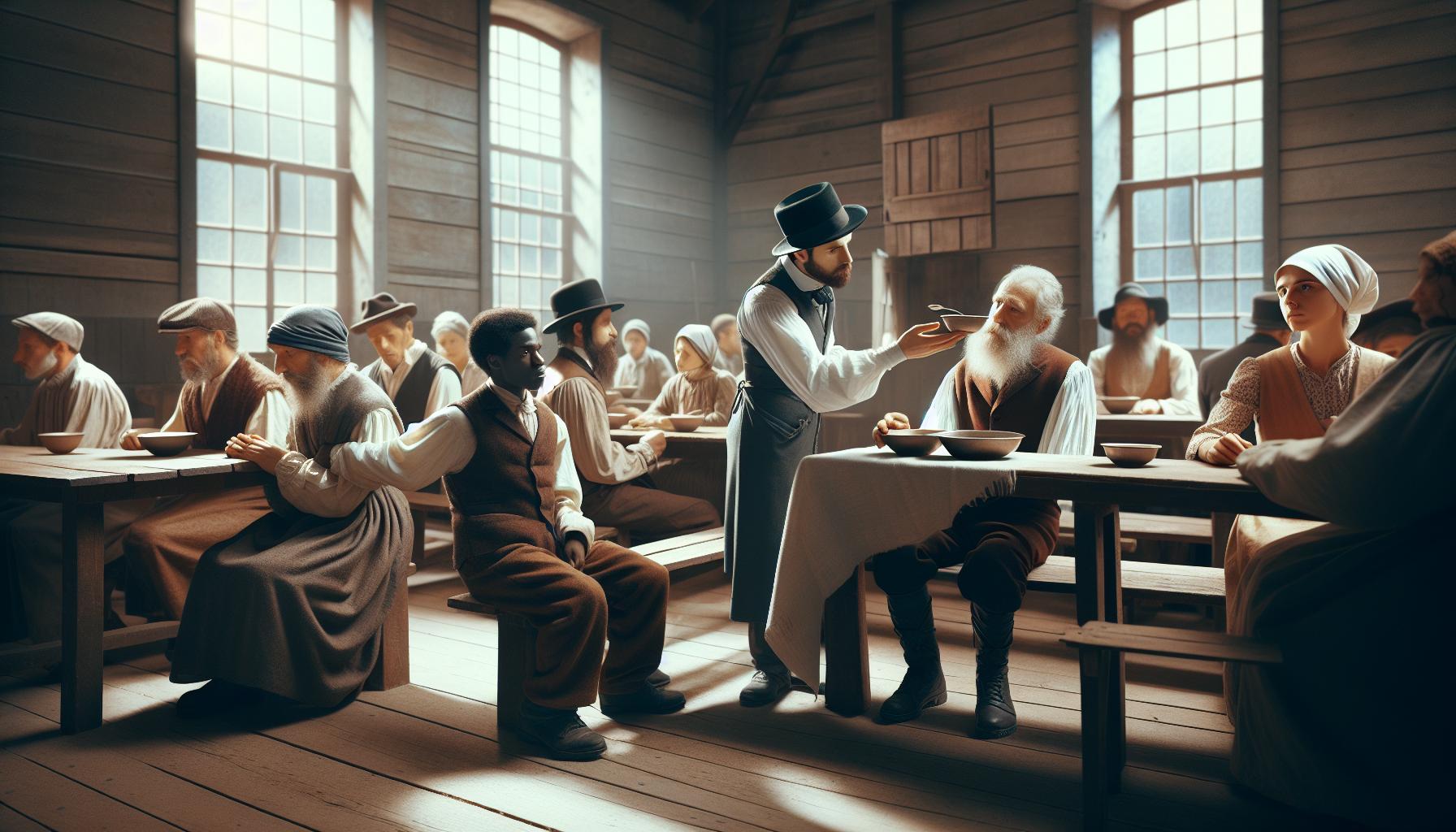
What Is a Jewish Poor House? Understanding the Basics
In times of economic hardship, the Jewish poor house has served as a vital refuge for those in need, offering not just shelter but a sense of community and dignity. These institutions, rooted in Jewish tradition, were established to provide assistance to the marginalized within the Jewish community, particularly immigrants and the disadvantaged. Unlike typical poor houses, which often focused solely on basic sustenance, Jewish poor houses emphasized preserving the cultural identity and values of their inhabitants while meeting their material needs.
Jewish poor houses were commonly set up in densely populated areas where Jewish immigrants settled, especially during the 19th and early 20th centuries in cities like New York and Chicago. They operated on principles of mutual aid and charity, championed by community leaders and organizations who understood the unique challenges faced by their populations. Often funded by donations from wealthier community members, these houses provided food, housing, and assistance in navigating social services-a holistic approach to welfare that reflected the community’s commitment to its members.
Residents of Jewish poor houses had access to various support services, including educational resources, vocational training, and communal activities, which helped integrate them into broader society while maintaining cultural ties. As communities pulled together in times of need, these institutions becoming not just a temporary solution but also a symbol of resilience and resourcefulness. The ethos of support and solidarity instilled through these houses still resonates today, reflecting an enduring commitment to helping one another through difficult times.
Historical Background of Jewish Poor Houses
In the late 19th and early 20th centuries, Jewish poor houses emerged as crucial institutions in urban centers, providing refuge and support for impoverished individuals and families. As waves of Jewish immigrants arrived in cities like New York and Chicago, they often faced not only economic hardships but also cultural dislocation. Recognizing the need for a supportive environment that catered to the unique challenges of Jewish immigrants, these poor houses were established to offer a haven that extended beyond mere shelter and sustenance.
Jewish poor houses were deeply rooted in the values of community and mutual aid, reflecting centuries of tradition regarding charity and social responsibility within Jewish culture. These institutions operated on the premise of tzedakah, a Hebrew term that encompasses charity and justice, highlighting the obligation to assist those in need. Funded largely by affluent members of the community, these establishments provided not only food and housing but also a variety of support services designed to foster integration while preserving cultural identity.
Within these walls, residents found access to essential resources such as vocational training, educational programs, and communal activities, all aimed at helping them navigate their new lives in a foreign land. The Jewish poor houses served as a supportive community where individuals could rebuild their lives with dignity. This commitment to fostering resilience and self-sufficiency resonated deeply within the community, ensuring that those who sought refuge were not merely given a space to stay but were also equipped with the necessary tools for a brighter future.
As society evolved and welfare systems began to take shape, the role of Jewish poor houses underwent significant changes. Their enduring legacy, however, remains visible today in various social service initiatives, reflecting a foundational belief in the importance of compassion and communal support. Through understanding this historical background, we recognize not only the struggles faced by past generations but also the enduring spirit and values that continue to inspire support and solidarity within the Jewish community.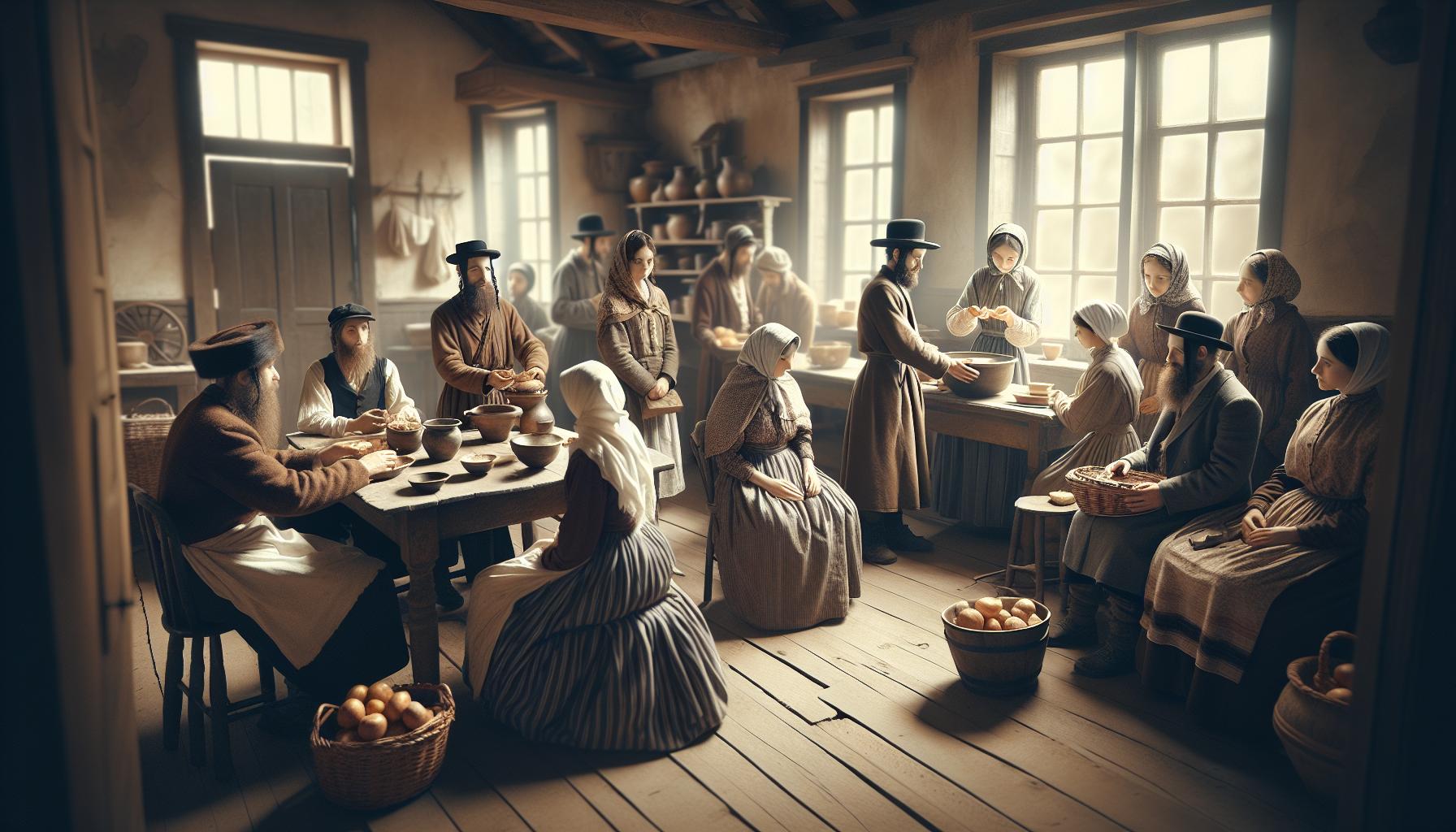
The Role of Jewish Poor Houses in Community Support
The establishment of Jewish poor houses marked a significant milestone in community support, reflecting a collective commitment to help those faced with adversity. At their core, these institutions were not just shelters; they were vibrant community hubs offering a spectrum of resources designed to empower individuals and families in need. By fostering an environment of solidarity, they allowed residents to maintain their cultural identity while also working towards self-sufficiency and resilience.
Within these walls, Jewish poor houses provided essential support services that extended beyond basic shelter and food. Residents had access to vocational training programs, literacy classes, and workshops aimed at improving job readiness. Such initiatives were crucial in a time when economic opportunities were scarce, ensuring that community members could develop skills that would enable them to re-enter the workforce. Alongside education, poor houses often organized communal activities that promoted social bonding and cultural reinforcement. This approach was grounded in the Jewish values of tzedakah (charity and justice), creating a nurturing atmosphere where everyone was encouraged to contribute to and benefit from the community.
The role of these institutions evolved as societal needs changed. While initially focused on immediate relief and support, Jewish poor houses eventually began to integrate social services that addressed broader challenges. They often collaborated with local organizations to offer health services, legal assistance, and counseling, reflecting a comprehensive approach to community welfare. This holistic support system not only provided immediate assistance but also engaged residents in shaping their futures, fostering a sense of agency and empowerment.
In a world increasingly driven by individualism, the spirit of cooperation and mutual aid exemplified by Jewish poor houses serves as an inspiring model. They remind us of the importance of community in overcoming personal and financial challenges. As society continues to evolve, the lessons from these historical institutions can inform modern approaches to community support, emphasizing that collective well-being often hinges on lifting one another and creating spaces for shared growth.
Key Features of a Jewish Poor House
Jewish poor houses were integral to the community support structures of the past, embodying a rich blend of empowerment, education, and social cohesion. These institutions offered fundamental services that catered not only to the immediate needs of those experiencing poverty but also contributed to long-term personal and community development. Residents had access to a range of resources such as food, shelter, and healthcare, but what truly set these poor houses apart were the additional features designed to foster independence and resilience.
One of the key attributes of a Jewish poor house was its focus on vocational training and education. Many of these establishments provided courses in various trades, helping individuals to acquire practical skills that would improve their employability. Workshops on literacy, numeracy, and even entrepreneurship were commonplace, enabling residents to significantly boost their prospects in an often challenging job market. The emphasis on education reflected a core Jewish value: the belief that knowledge and skills are pathways to empowerment and progression.
Social and cultural activities played a vital role in the life of a Jewish poor house. Regular communal meals, holiday celebrations, and cultural events were not merely social gatherings; they were a way to reinforce community bonds and maintain cultural identity amidst adversity. These occasions provided residents with support networks, cultivating a sense of belonging and community spirit that is essential for emotional well-being.
Moreover, Jewish poor houses often integrated various social services into their operations. By partnering with local organizations, they provided access to legal aid, mental health services, and health screenings-fostering a holistic approach to welfare that addressed the multifaceted challenges faced by families and individuals. This comprehensive support system was pivotal for many residents, bridging gaps that might otherwise lead to long-term disenfranchisement.
In summary, these institutions were far more than mere shelters; they served as vibrant centers of personal and communal growth. By instilling hope and opportunity, Jewish poor houses exemplified the strength found in community and collective support, reminding us that overcoming adversity often necessitates shared resources and mutual aid. Embracing these lessons can guide contemporary efforts to foster resilience and empowerment within communities today.
The Transition from Poor Houses to Modern Welfare Assistance
The evolution from Jewish poor houses to modern welfare assistance highlights a significant shift in how communities respond to poverty and social needs. Historically, Jewish poor houses served as vital refuges, providing not just shelter, but also comprehensive support systems aimed at fostering independence. Over time, these institutions paved the way for broader social welfare frameworks, reflecting the changing dynamics of community care and governmental responsibilities.
With the advent of the 20th century, societal changes prompted a reevaluation of how poverty was addressed. The rise of the welfare state introduced structured support systems, which often replaced the grassroots initiatives embodied by poor houses. This transition was influenced by a growing recognition of the complexities of poverty, leading to the establishment of social safety nets that included unemployment benefits, food assistance, and public housing. Such programs aimed to address immediate financial crises while also promoting long-term stability.
Despite this shift, the essence of the Jewish poor house ethos-community support and empowerment-remains relevant today. Modern welfare assistance incorporates many values initially championed by these institutions, such as individualized support services and vocational training. For instance, many contemporary programs offer job placement services and skill development workshops, echoes of the historical focus on self-sufficiency found in Jewish poor houses.
As we progress into an increasingly interconnected and diverse society, the challenge now lies in adapting these lessons from the past to current economic realities. Individuals facing financial challenges can draw inspiration from the resilience and resourcefulness of earlier generations. Emphasizing community involvement and support networks remains crucial, reminding us that effective assistance transcends mere financial aid. Rather, it involves fostering personal growth, promoting educational opportunities, and nurturing a shared sense of purpose among community members. Embracing this approach not only helps address the complexities of poverty today but also strengthens communal bonds for a more equitable future.
Personal Stories: Impact of Jewish Poor Houses on Families
The legacy of Jewish poor houses unfolds through personal narratives that highlight their profound impact on families, serving as lifelines during times of economic hardship. These institutions not only provided basic necessities like food and shelter but also became integral parts of the community fabric, enabling families to regain their footing and aspire for a better life. For many, the Jewish poor house represented more than just a roof over their heads; it offered a supportive environment where dignity, resilience, and hope could flourish.
Consider the story of the Rosenberg family, who found themselves navigating the challenges of poverty after the father lost his job during an economic downturn. The local Jewish poor house not only provided them with meals and temporary housing but also connected Mrs. Rosenberg with vocational training programs. This support empowered her to learn new skills, ultimately leading to stable employment and a renewed capacity to provide for her children. The family’s experience underscores a critical aspect of these institutions: they did not merely aid survival; they fostered growth and self-sufficiency.
Community and Connection
Personal stories like the Rosens highlight how Jewish poor houses became hubs of community and connection. Families facing adversity often bonded over shared experiences, creating a network of support. Many poor houses organized communal events-celebrations of Jewish holidays and cultural heritage-fostering a sense of belonging and engagement. These gatherings offered more than socialization; they became vital for emotional support, reinforcing shared values and aspirations, contributing to individual and collective resilience.
The historical frame of these stories reveals a consistent theme: the transformative power of support networks. Children nurtured in this environment frequently went on to become community leaders, understanding the importance of giving back. Their journey reflects the ongoing importance of community in addressing challenges, serving as a poignant reminder that no one should face hardships alone. Investing in community support not only aids those in need today but also lays the groundwork for future generations to thrive.
The stories from Jewish poor houses illustrate significant lessons for contemporary families. Emphasizing community engagement and mutual aid serves as a beacon of hope, encouraging individuals to form connections and seek support in times of need. Whether through local initiatives or faith-based organizations, the spirit of the Jewish poor houses lives on as a reminder that together, we can cultivate resilience, foster growth, and build a path toward financial stability and a purposeful life.
Cultural Significance of Jewish Poor Houses Today
The legacy of Jewish poor houses continues to resonate today, serving as powerful reminders of community resilience and shared responsibility. These institutions often played crucial roles in supporting not just the physical needs of families during hard times, but also their emotional and social well-being. They encapsulated a spirit of mutual aid that is still relevant in contemporary society, especially when we consider how challenges like unemployment, healthcare crises, and housing insecurity affect many families today.
Importance of Community Support
Jewish poor houses operated on principles that emphasized community, compassion, and collaboration. Today, the importance of these values is manifested in various community organizations and initiatives that strive to address similar issues. Many local charities and faith-based groups offer support systems that aim to uplift families in need, echoing the communal spirit of the poor houses. These modern networks often go beyond immediate assistance, focusing on education, vocational training, and empowerment initiatives that align closely with the transformative impact that Jewish poor houses once had.
Creating Lasting Connections
In an age where loneliness and isolation are increasingly common, the cultural significance of places that foster connection remains vital. Just as Jewish poor houses provided a safe haven and a sense of belonging, contemporary community centers, food banks, and mutual aid networks serve as critical gathering spots for individuals seeking solace and support. They create opportunities for shared experiences, highlighting the strength found in community and the collective resilience in overcoming difficulties.
Furthermore, stories of those who benefitted from Jewish poor houses serve as inspiration and teaching tools today. They remind us that seeking help is not a sign of weakness, but a strategic step towards personal growth and stability. By sharing personal narratives and success stories, communities can encourage a new generation to embrace the values of generosity and action, reinforcing the idea that every effort-large or small-contributes to a more compassionate world.
Innovative Solutions in the Modern Context
The essence of Jewish poor houses also inspires innovative solutions to financial challenges. Initiatives such as community cooperatives and social enterprises provide creative avenues for individuals to engage in entrepreneurial activities while also contributing back to their communities. These projects not only promote financial independence but also harness the collective talents and resources of community members, leading to sustainable outcomes that benefit all.
As we navigate the complexities of modern life, the cultural significance of Jewish poor houses remains a beacon. They embody a legacy of collaboration and support, reminding us that together, we can build not just homes, but flourishing communities where resilience, creativity, and the spirit of giving thrive. Sharing these lessons encourages us all to contribute to the growth and well-being of others, nurturing the bonds that tie us together in our shared human experience.
Challenges Faced by Jewish Poor Houses Historically
Throughout history, Jewish poor houses have faced a multitude of challenges that impacted their ability to serve vulnerable community members effectively. One significant difficulty was the constant struggle for funding and resources. Many of these institutions were initially supported by community donations and religious organizations, but as economic conditions fluctuated, so too did the level of financial assistance. This led to periods of instability and uncertainty, making it hard for poor houses to plan long-term services and maintain infrastructure.
Another obstacle was the prevailing socio-political climate, which often marginalized Jewish communities. In times of economic downturn or social unrest, discrimination could manifest, leading to reduced support from broader public entities or increased hostility towards Jewish assistance programs. Such conditions not only strained the resources of poor houses but also affected the willingness of community members to seek help, as many felt ashamed or fearful of judgement.
Additionally, there were internal challenges related to administration and management. Poor houses had to navigate the complexities of providing diverse services ranging from food aid to temporary housing, which required careful coordination and skilled staffing. Sadly, due to funding issues, many poor houses struggled to attract and retain qualified personnel, leading to a cycle of diminished quality of care and support for those in need.
Despite these barriers, Jewish poor houses demonstrated remarkable resilience. They adapted by creating partnerships with other charities and reorganizing their operational models to prioritize essential services. This spirit of innovation not only helped them survive but also laid a foundation for future welfare systems that inform social services today. By studying these historical challenges, contemporary organizations can draw valuable lessons about resourcefulness and the importance of community support in overcoming adversity.
Comparative Analysis: Jewish Poor Houses versus Other Charitable Institutions
The establishment of Jewish poor houses reveals a profound intersection between cultural heritage and community support, unique in their design and operational models. Unlike many other charitable institutions, Jewish poor houses were specifically rooted in a cultural and religious context that emphasized communal responsibility. The very fabric of these institutions was woven from the teachings in Jewish texts, which urged the faithful to support the less fortunate. This cultural imperative fostered a model that was not solely transactional but deeply relational, aiming to nurture and empower those in need within the community.
When juxtaposed with secular or faith-based charities, Jewish poor houses stood out for their holistic approach to care. Many charitable organizations often focused on immediate relief-providing food, shelter, or financial assistance without necessarily addressing the deeper socioeconomic factors at play. In contrast, Jewish poor houses aspired to create a bridge to longer-term support by not only offering immediate aid but also addressing issues such as education, employment, and skill-building workshops. This comprehensive approach allowed residents to regain independence, transforming them from mere beneficiaries into valued members of the community.
Moreover, Jewish poor houses exemplified a model of interdependence within the community. They often collaborated with local synagogues and community organizations to enhance their services, pooling resources and knowledge to create robust support networks. Such partnerships contrasted with many contemporary charitable institutions that may operate in isolated silos. By uniting efforts, Jewish poor houses were able to champion a sense of collective responsibility, encouraging community members to actively engage with one another’s struggles and triumphs.
The legacy of Jewish poor houses can still be seen today as they inspire modern welfare systems to prioritize personalized care and the dignity of each individual. By reflecting on their past, we can realize the profound impact of collaboration, cultural understanding, and community-led initiatives in the evolution of charitable work. As we navigate our own challenges, let this history remind us of the power of unity and resilient support in building a brighter future for everyone.
Common Misconceptions About Jewish Poor Houses
Many people hold misconceptions about Jewish poor houses, often viewing them merely as places of last resort for the destitute. However, this perspective overlooks the rich history and community-oriented ethos that underpins such institutions. Jewish poor houses were not simply shelters; they were vibrant centers of support designed to uplift individuals and families through a comprehensive approach to welfare, integrating education, spiritual growth, and community solidarity.
One common misconception is that Jewish poor houses operated solely on charity or handouts. In reality, these institutions emphasized self-sufficiency and empowerment, often providing residents with vocational training and resources for financial independence. This holistic approach reflects Jewish teachings that value human dignity and the importance of contributing to one’s community. By providing tools for economic stability, Jewish poor houses aimed to transform beneficiaries into active participants in society, reinforcing a cycle of support and resilience.
Additionally, some might believe that these houses were exclusive to poverty-stricken individuals. On the contrary, Jewish poor houses welcomed diverse members of the community, understanding that temporary hardship could affect anyone. This inclusivity fostered a sense of belonging and mutual aid, illustrating the principle that collective responsibility enriches the fabric of the community. As such, these institutions often became hubs of social interaction and learning, helping people forge strong bonds with their neighbors while addressing their immediate needs.
Ultimately, understanding Jewish poor houses requires a nuanced appreciation of their role. They were not merely places of assistance but vital community structures that promoted dignity, empowerment, and collective responsibility. In navigating today’s challenges, we can draw inspiration from their legacy to foster a supportive community spirit, encouraging collaboration and understanding among all members of society.
How Jewish Poor Houses Adapted to Changing Times
Jewish poor houses have demonstrated remarkable resilience, adapting to the ever-changing socio-economic landscapes throughout history. Initially established to meet the immediate needs of the impoverished, these institutions evolved into multifaceted support systems, reflecting broader societal shifts and changing community needs. As urbanization and industrialization transformed living conditions and family structures, poor houses became critical in addressing not only financial hardship but also social and emotional challenges faced by Jewish families.
In response to the Great Depression, for instance, Jewish poor houses expanded their services beyond basic shelter and food provision. They incorporated programs that offered vocational training and skill development, aimed at equipping individuals for better employment opportunities. This proactive approach not only aided those facing unemployment but also instilled a sense of hope and agency among community members. Similarly, as immigration patterns shifted and diverse populations began to form within urban centers, these institutions adapted their services to be more inclusive, ensuring assistance addressed the unique cultural and social needs of new arrivals.
Community Engagement and Support
The ability of Jewish poor houses to sustain themselves was also linked to community involvement. Over time, many houses became hubs of volunteerism and local philanthropy, fostering a spirit of collective responsibility. Community members, feeling a deep connection to their heritage and fellow congregants, often contributed time, resources, and funds. These contributions reflected a longstanding Jewish value of *tzedakah* (charitable giving), enabling poor houses to innovate and expand their support services to include mental health resources, legal aid, and educational programs for children.
Notably, as awareness of social issues grew, Jewish poor houses incorporated advocacy efforts aimed at addressing the systemic issues underlying poverty. They actively engaged with political movements, promoting policies that sought to provide more comprehensive social safety nets. This broader involvement showcased their commitment not just to immediate relief but to fostering community resilience and advocating for social justice.
Adaptation has been a cornerstone of the legacy of Jewish poor houses. By responding dynamically to the evolving needs of their communities while maintaining their core mission of support and empowerment, these institutions have remained relevant. In today’s context, lessons from their adaptability can inspire modern communities and organizations to cultivate support networks that are inclusive, responsive, and holistic, ensuring that all members can thrive regardless of their circumstances.
Future of Jewish Poor Houses in Contemporary Society
In a world where social safety nets are increasingly essential, Jewish poor houses embody a legacy of resilience and community support that holds both historical significance and contemporary relevance. As we look towards the future, these institutions are poised to play a crucial role in addressing the evolving challenges faced by Jewish families and the broader society. With their foundation built on values like tzedakah (charitable giving) and a commitment to social justice, Jewish poor houses can adapt their offerings to meet the needs of diverse populations in urban settings.
To thrive, Jewish poor houses must embrace innovative approaches that incorporate modern technology and community engagement. For instance, they can utilize social media platforms to reach individuals in need and raise awareness about available services. Partnering with local businesses and organizations can enhance funding opportunities and expand program offerings, whether through vocational training, mental health support, or assistance in navigating bureaucratic social welfare systems. Leveraging community resources encourages volunteerism and gives local residents the chance to contribute meaningfully.
Furthermore, the shift toward holistic wellness presents an opportunity for poor houses to broaden their scopes. By providing not only food and shelter but also educational programs and mental health resources, these institutions can foster a culture of empowerment rather than dependency. Community workshops focusing on budgeting, entrepreneurship, and skill development can help individuals regain their footing and promote financial literacy, equipping families with the tools necessary for long-term stability.
As societal structures continue to change, the adaptability of Jewish poor houses will be vital. By integrating advocacy work that addresses root causes of poverty, such as housing instability and discrimination, they can not only provide immediate relief but also push for systemic changes. Through collaboration with governmental agencies, nonprofits, and grassroots movements, they can contribute to a broader dialogue about social equity and resources for vulnerable populations, ensuring that all individuals and families have the opportunity to lead fulfilling, secure lives.
Q&A
Q: What is the purpose of a Jewish poor house?
A: A Jewish poor house serves as a charitable institution aimed at providing shelter, food, and financial aid to needy individuals within the Jewish community. It promotes community support and welfare, ensuring that vulnerable members receive necessary assistance during difficult times.
Q: How did Jewish poor houses historically operate?
A: Historically, Jewish poor houses operated under support from local communities and Jewish organizations. They provided essential services such as housing and meals, funded through donations and community contributions, adapting to the socio-economic challenges of the times.
Q: What challenges did Jewish poor houses face?
A: Jewish poor houses faced numerous challenges, including financial instability, societal stigma, and changing economic conditions. Many struggled to maintain resources and support due to limited funding and the evolving landscape of social services and welfare.
Q: How do Jewish poor houses differ from general welfare services?
A: Jewish poor houses are specific to the Jewish community, incorporating cultural and religious values in their support structures, while general welfare services cater to a broader population. This cultural specificity includes programs that align with Jewish customs and practices.
Q: What impact did Jewish poor houses have on local communities?
A: Jewish poor houses significantly impacted local communities by fostering a spirit of charity and mutual aid. They strengthened communal ties and provided a safety net that enabled the poorest community members to survive and thrive amidst economic hardship.
Q: Are there modern equivalents to Jewish poor houses?
A: Yes, modern equivalents include community centers and social service organizations that offer housing assistance and welfare services. These institutions often focus on holistic support, integrating educational, employment, and health services for those in need.
Q: How did Jewish poor houses adapt over time?
A: Jewish poor houses adapted by evolving their services to reflect changing societal needs, transitioning from traditional homes for the needy to offering comprehensive welfare assistance, including job training and social integration programs, to better support marginalized individuals.
Q: What are common misconceptions about Jewish poor houses?
A: A common misconception is that Jewish poor houses solely provided long-term shelter. In reality, they often served as temporary facilities, focusing on rehabilitation and financial support, aiming to empower individuals to reintegrate into society successfully.
In Retrospect
As we conclude our exploration of the Jewish Poor House-a significant cultural institution that provided essential support to those in need-it’s vital to recognize its enduring legacy in fostering community and compassion. By understanding its historical context and functionality, we can appreciate the nuanced ways such institutions shaped Jewish life and helped forge resilient communities.
If this topic piqued your interest, delve deeper into related discussions by checking out our articles on the evolution of Jewish communal support systems and the role of charity in Jewish tradition. Don’t miss our resourceful guides on budgeting and financial support for families navigating today’s challenges. Join our newsletter for updates and insights, and feel free to share your thoughts in the comments below! Keep the conversation going as we together explore the richness of Jewish culture and its historical narratives.