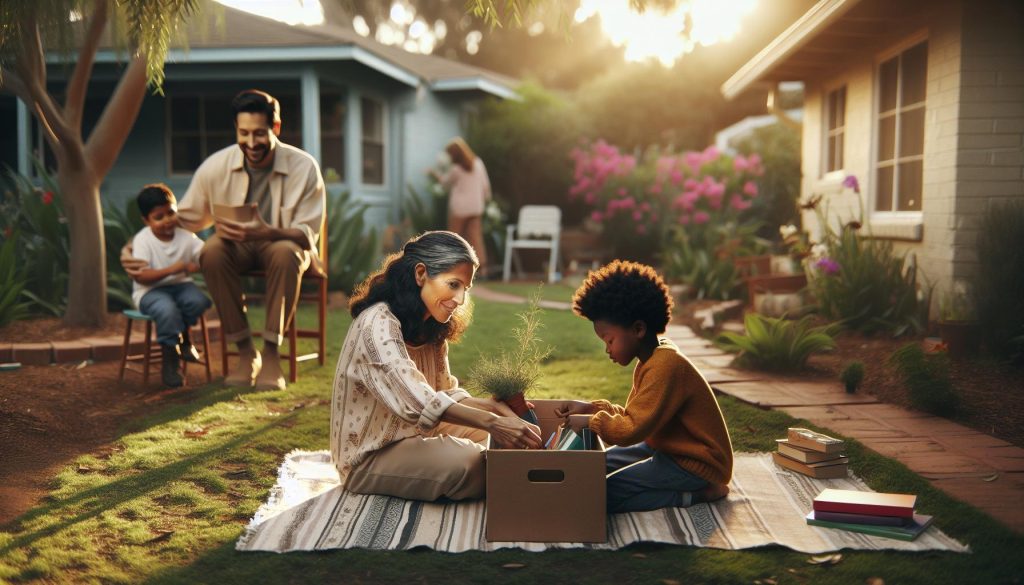
In a world increasingly filled with material desires and instant gratification, fostering gratitude in our children can feel like a daunting task, especially on a budget. Yet, studies show that grateful kids tend to be happier, more resilient, and better equipped to handle life’s ups and downs. “No More Whining: Raise Grateful Kids on Any Budget” offers practical, creative strategies to cultivate appreciation without breaking the bank. By focusing on everyday experiences and simple gestures of kindness, parents can instill a sense of gratitude that enriches family life and nurtures emotional well-being. This guide empowers families to embrace a gratitude practice that is accessible and transformative, proving that financial constraints do not limit our ability to raise fulfilled and thankful children. As you explore these insights, you’ll discover how small changes can lead to profound shifts in your family’s outlook, encouraging a deeper connection to each other and the world around you. Join us on this enriching journey toward raising grateful kids and create a lasting impact on their lives.
Fostering Gratefulness: What It Means for Kids
Cultivating gratitude in children is more than just teaching them to say “thank you”; it’s about instilling a mindset of appreciation and positivity that can last a lifetime. Gratitude serves as a foundation for resilience, helping kids to navigate life’s ups and downs with grace and an optimistic outlook. When children learn to recognize and appreciate the good things in their lives, they not only become happier but also develop better social skills and emotional intelligence.
One effective way to foster this gratefulness is through storytelling. Sharing tales-whether through books, family experiences, or personal anecdotes-that highlight the importance of gratitude can inspire children to reflect on their own lives. Encourage them to think about what they’re thankful for, whether it’s a family member who supports them, a favorite toy, or even the weather on a sunny day. Creating a gratitude jar, where family members can add notes about things they are thankful for, is another simple yet powerful tool that can be integrated into family routines. The act of writing down and later reading these notes reinforces the habit of looking for the positive, no matter how small.
Real-world practice is equally important. Engaging children in acts of kindness, such as helping a neighbor or donating toys they no longer use, cultivates empathy and connection to others, reinforcing the idea that gratitude often extends beyond oneself. Learning to value what they have by helping less fortunate individuals drives home the message that gratitude is not merely a personal feeling but a social responsibility. Simple, budget-friendly activities like crafting cards for local senior centers or organizing a food drive can effectively teach gratitude while removing barriers related to monetary constraints.
Ultimately, fostering gratefulness in kids requires consistent effort and creativity. Whether you introduce structured activities or simply weave discussions about gratitude into everyday conversations, the goal is to create a nurturing environment that continually reinforces the value of thankfulness. This approach not only helps reduce whining and complaining but also sets the stage for a more joyful and appreciative life, enriching both family dynamics and community connections.
The Science Behind Gratitude and Child Development
Research reveals that instilling gratitude in children can significantly enhance their emotional and psychological well-being, shaping them into happier and more resilient individuals. Studies have shown that children who practice gratitude regularly tend to exhibit lower levels of depression, anxiety, and behavioral issues. Instead, they display increased self-esteem, empathy, and social competence. This foundational skill not only enriches their personal lives but also equips them with essential tools for navigating interpersonal relationships as they grow.
One practical approach to fostering gratitude is through modeling behaviors in everyday situations. By discussing the positives in various experiences, parents can showcase how gratitude manifests in daily life. For example, expressing appreciation for a delicious homemade meal or acknowledging help received from neighbors reinforces this mindset in a natural, relatable way. Additionally, incorporating simple rituals such as sharing favorite moments from the day during family dinners helps children practice gratitude and encourages open communication.
Another effective technique is the integration of gratitude in schools and community activities. Participating in group projects focused on service, such as volunteering at shelters or creating care packages for those in need, allows children to experience gratitude in a social context. This not only cultivates empathy but also reinforces the connection between gratitude and community involvement, showing children that their actions can make a positive impact.
To further encourage gratitude development, consider creating visual reminders around the home. A “gratitude wall” featuring notes or drawings of what family members are thankful for can be a constant prompt for appreciating the little things. Even simple actions, like daily gratitude check-ins or maintaining a family gratitude journal, can embed this practice deeply in children’s lives without incurring extra costs. By making gratitude a core part of daily interactions, parents can effectively raise children who not only appreciate what they have but also share this positivity with the world around them.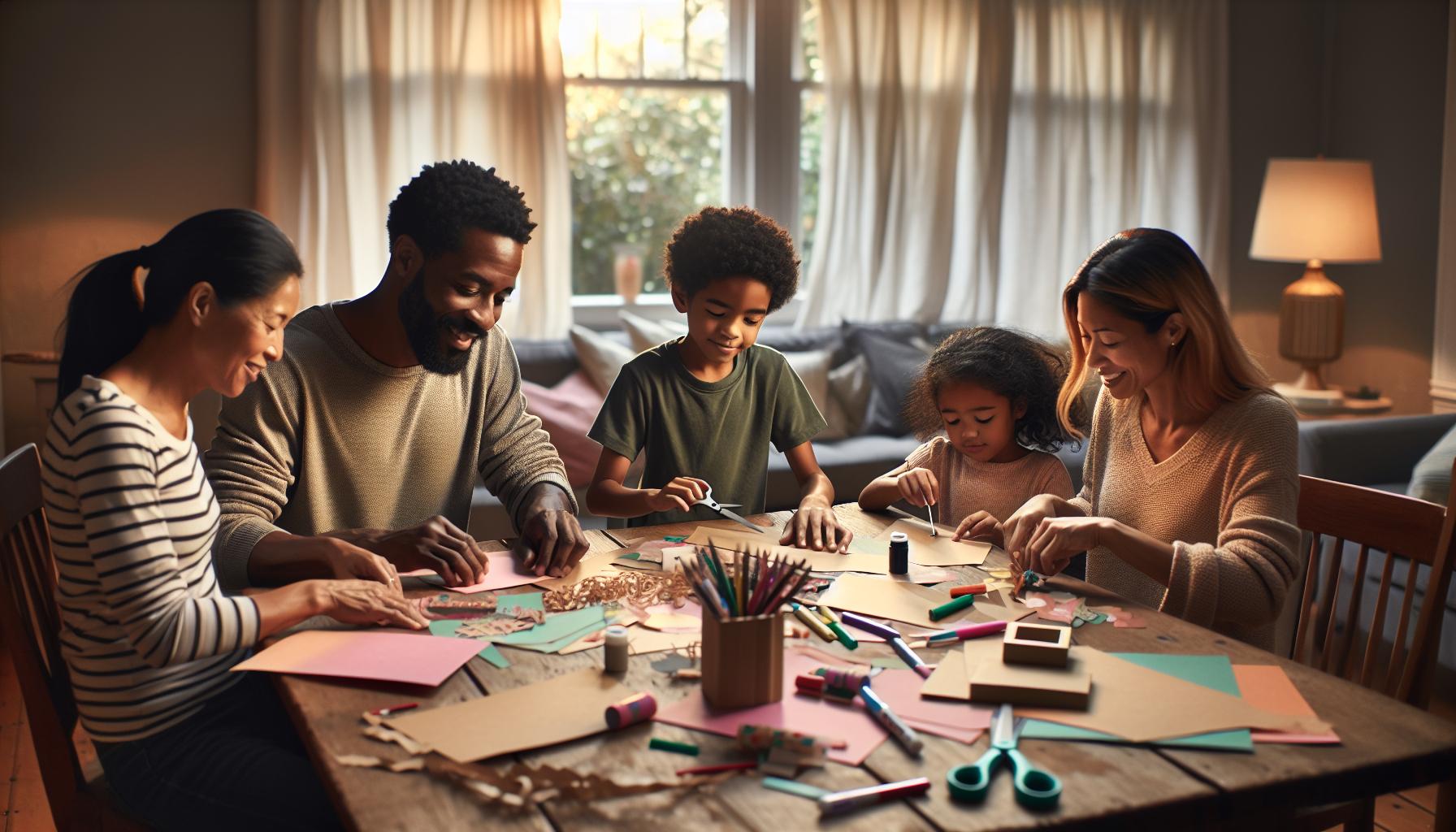
Budget-Friendly Ways to Teach Gratitude
Teaching kids to nurture gratitude doesn’t have to be an expensive endeavor. In fact, some of the most impactful methods require little more than creativity and commitment, allowing families to foster appreciation while keeping costs low. One powerful approach is to engage children in hands-on activities that promote gratitude without the need for costly materials.
Simple Yet Impactful Practices
Start by creating gratitude rituals that fit seamlessly into daily life. For example, consider introducing a weekly family gratitude night where everyone shares something they are thankful for. This not only cultivates communication but also reinforces positive thinking. A family gratitude jar can also be a fun and interactive way to document blessings; family members can write down things they are grateful for on slips of paper and place them in the jar throughout the month. Later, you can read them together, which serves as a wonderful reminder of life’s simple joys.
Encouraging Kindness Through Service
Another approach involves engaging children in community service, which instills a sense of gratitude for their own circumstances. Activities such as organizing a neighborhood clean-up, volunteering at a food pantry, or participating in charity walks expose kids to the needs of others and foster a sense of appreciation for what they have. These experiences not only teach children about empathy and gratitude but also remind them that their efforts can make a difference.
Utilizing Everyday Moments
Incorporating gratitude into routine can also yield significant results. Encourage children to express appreciation for everyday activities, such as helping with chores or learning new skills. For instance, while cooking together, discuss the effort that goes into each ingredient, thus cultivating a sense of respect for food and those who produce it. Using everyday moments to highlight gratitude helps children develop a consistent mindset of appreciation without extra costs.
By implementing these budget-friendly methods, families can effectively nurture gratefulness in children. Each small step taken encourages a broader appreciation for life, helping to raise children who embrace gratitude no matter their circumstances.
Creative Activities to Promote Thankfulness
Engaging children in creative activities can significantly enhance their sense of gratitude, allowing them to appreciate not just what they receive but also the value of giving and sharing. Fostering thankfulness can be as simple as using materials readily available at home or in the community. For instance, art projects that ask children to express what they are thankful for can be a marvelous outlet for creativity and reflection. Encouraging them to draw, paint, or collage their gratitude can visually manifest their appreciation, turning abstract feelings into something tangible.
Another engaging idea is to organize a “thankfulness scavenger hunt.” Create a list of items for children to find around the house or yard that they appreciate, such as a favorite toy or a family picture, and encourage them to share why these items are meaningful to them. This not only gets them moving but also fosters conversations about appreciation and the stories behind each item they cherish.
Additionally, incorporating literature can be a powerful tool in teaching gratitude. Reading books that highlight themes of appreciation and community can open discussions about thankfulness. After a story, ask your children to reflect on what they are thankful for, encouraging them to think about their experiences and emotions in new ways. This kind of interactive storytelling not only makes reading fun but also cements the concept of gratitude in their minds.
Lastly, consider making thank-you cards as a family project. Kids can decorate and personalize cards for friends, family, or local community helpers such as teachers and healthcare workers. This hands-on approach reinforces the idea of recognizing and showing appreciation to others, while also developing their artistic skills. Such activities cultivate a habit of gratitude that can reshape how children engage with the world around them.
Building a Positive Environment for Grateful Kids
Creating a nurturing atmosphere that encourages gratitude doesn’t have to strain your budget. In fact, simple changes in your daily interactions and environment can significantly influence your child’s ability to appreciate what they have and foster a mindset of gratitude. One effective way to cultivate this mindset is through daily conversations. Ask your children about their favorite parts of the day or what made them smile. By encouraging them to articulate their thoughts and feelings, you help them recognize the positive aspects of their lives, reinforcing their intrinsic sense of gratitude.
Involving children in household responsibilities can also play a pivotal role in building gratefulness. When kids contribute to family chores or decision-making, they develop a sense of ownership and appreciation for family resources. For instance, you could designate a weekly “family clean-up day” where everyone participates, discussing what each person appreciates about their living space throughout the process. This teaches them not only the value of hard work but also instills pride in their shared environment.
Additionally, creating visual reminders of gratitude can enrich your home environment affordably. Consider placing a gratitude jar in a common area where family members can drop notes about things they are thankful for. This ongoing process not only initiates conversations around gratitude but also serves as a tangible reminder of the positives in life. When the jar fills up, take time as a family to read through these notes together, reinforcing the joy that gratitude can bring.
Lastly, lead by example. Show your own gratitude in everyday scenarios. Express appreciation not only towards your children but also to neighbors, service workers, and anyone who contributes positively to your life. This modeling behavior encourages children to follow suit, creating a ripple effect that fosters a grateful community while enriching your family dynamics. By embedding these practices into your life, you empower your kids to develop a resilient, thankful outlook that will serve them well throughout their lives.
Incorporating Gratitude into Daily Routines
can transform how children perceive their world, fostering appreciation even amidst life’s complexities. Simple yet impactful practices can seamlessly weave gratitude into the fabric of everyday life, nurturing a mindset that celebrates rather than complains.
One effective approach is to establish a gratitude ritual during family meals. Before eating, encourage each family member to share something they are thankful for from that day. This not only cultivates a sense of mindfulness but also strengthens family bonds, creating a positive atmosphere conducive to gratitude. To keep things budget-friendly, this practice requires no materials beyond your time and presence together, making it universally accessible.
Another practical method is to create a gratitude calendar. Assign specific days for family members to share their appreciation through simple notes or drawings. You can set up a wall or a small bulletin board where these expressions of gratitude are displayed. This visual reminder serves as a constant source of positivity in your home. It encourages children to reflect on what they value, whether it’s a favorite toy or the time spent with family.
Also, consider utilizing the power of story. Incorporate children’s books that emphasize themes of thankfulness and kindness into your reading routine. After the story, engage them in discussions about the characters’ feelings and actions. This narrative approach not only entertains but also prompts children to reflect on their own experiences, reinforcing the practice of gratitude in their daily lives.
By intentionally weaving gratitude into daily tasks, from mealtime conversations to creative projects, you equip your children with the tools to appreciate both the small moments and the significant events. These practices can be effortlessly adapted to any budget, emphasizing that fostering a grateful mindset is less about resources and more about commitment and creativity. The result is a nurturing environment where gratitude flourishes, setting the stage for resilient and compassionate kids.
Encouraging Empathy as a Pathway to Gratitude
Empathy serves as a crucial bridge leading to gratitude, fostering an understanding of others’ feelings and needs. When children learn to recognize and appreciate the experiences of those around them, they naturally cultivate a deeper sense of thankfulness for their own circumstances. Encouraging empathy can be as simple as initiating family discussions about emotions, using games or role-playing scenarios, or engaging in community service. These approaches empower children to step into the shoes of others, which is essential in nurturing both compassion and appreciation.
One effective way to build empathy is by sharing stories. Reading books that highlight diverse characters and situations helps kids to connect emotionally. After a story, families can discuss how the characters might feel in different scenarios and what actions could show kindness or support. This reflection encourages children to consider how their words and actions impact others, reinforcing the importance of gratitude for the blessings they have in their lives.
Participating in volunteer activities also provides a practical platform for children to experience empathy firsthand. Whether it’s helping at a shelter, donating clothes, or participating in community clean-up days, such actions expose children to various life situations. Witnessing the challenges others face drives home the understanding that not everyone shares their privileges. When children help those in need, they not only cultivate empathy but also appreciate the comforts and support systems they often take for granted.
To weave empathy seamlessly into daily life and nurture gratitude, families can adopt simple yet impactful practices such as the following:
- Daily Reflections: At the end of each day, share experiences that involve helping or understanding someone else.
- Kindness Jar: Create a jar where family members can post notes about acts of kindness they’ve performed or witnessed, serving as a visual reminder of empathy in action.
- Talk Through Challenges: When conflicts arise, encourage discussions that consider each person’s perspective, guiding children toward resolving issues through understanding.
By embedding these habits into everyday interactions, families can foster a culture of empathy that naturally nurtures gratitude, equipping children with the tools to appreciate the world around them. This journey toward empathy not only enhances their emotional intelligence but also contributes to a happier and more grateful household, regardless of budget constraints.
The Role of Family Traditions in Gratitude
Creating and maintaining family traditions can significantly enrich a child’s understanding of gratitude, providing a nurturing atmosphere for appreciation to flourish. These rituals do not need to be extravagant or costly; they simply require intention and consistency. For instance, a weekly family dinner where everyone shares one thing they are grateful for can cultivate a habit of thankfulness and create an open line of communication about emotions and experiences.
Incorporating seasonal traditions can amplify the appreciation around certain holidays or events, adding a unique layer of meaning to the celebrations. For example, during Thanksgiving, each family member can take turns expressing gratitude not only for material blessings but also for the people and experiences that have positively impacted their lives. This fosters a sense of belonging and reinforces the importance of recognizing the positive in various situations, which can pivotally shape children’s perspectives.
Additionally, the act of creating unique family traditions can itself be a source of joy and gratitude. Activities, such as crafting a family gratitude tree where members add leaves with written notes of thankfulness, can be a hands-on way to visually witness collective appreciation. Such practices do not require financial resources but instead hinge on creativity and participation, promoting emotional bonding and shared values within the family unit.
Ultimately, by weaving gratitude into the fabric of family life, these traditions set the groundwork for children to understand and value what they have, nurturing resilient and thankful individuals who carry these lessons into adulthood. They learn that gratitude is not just a response to great events but a daily practice grounded in connection and reflection.
Overcoming Challenges: Managing Whining and Complaints
Whining and complaints can often overshadow positive moments in family life, creating a challenging environment for parents striving to cultivate gratitude in their children. However, addressing these behaviors constructively can transform complaints into valuable opportunities for growth and understanding. By recognizing the underlying needs behind whining-such as seeking attention, frustration, or unmet desires-parents can use these moments to teach their children about gratitude and perspective.
Encourage open conversations about feelings rather than dismissing complaints outright. When your child voices dissatisfaction, take a moment to listen actively and ask questions that prompt reflection. For instance, you might say, “I hear you’re upset about not getting that toy. Can you think of something you are thankful for today?” This approach not only validates their feelings but also gently guides them toward recognizing the positive aspects of their lives. Over time, such conversations can help children develop emotional resilience and a greater appreciation for what they have.
Another effective strategy involves incorporating gratitude exercises into your daily routine. For instance, establish a “gratitude jar” where family members can drop notes about things they appreciate. Whenever complaints arise, revisit the jar together and read the notes aloud. This not only provides a physical reminder of the positives in their lives but also shifts the focus from what they lack to what they possess, reinforcing a mindset of gratitude. Consider setting aside a regular time-perhaps during family meals-to discuss these notes and celebrate small wins, creating a culture of appreciation that permeates family life.
Finally, practice what you preach. Model thankful behavior yourself, acknowledging even the smallest blessings in your daily life. Children are keen observers and will often emulate the attitudes and behaviors they see. By demonstrating genuine appreciation, whether for a sunny day, a delicious meal, or a moment of laughter, you create a living example of gratitude for your children to follow. In time, they will internalize these lessons, learning to navigate their feelings with a more grateful heart, ultimately leading to a more harmonious home atmosphere where whining and complaints become less frequent.
How Gratitude Impacts Relationships and Social Skills
Emphasizing gratitude can transform how children perceive and engage in relationships, significantly enhancing their social skills. Engaging with others through a lens of thankfulness fosters deeper connections and encourages positive interactions. When children practice gratitude, they learn to acknowledge the kindnesses of others, which not only strengthens their friendships but also promotes a supportive community around them. For instance, a child who expresses thanks after a playdate is likely to cultivate trust and reinforce bonds, making it easier to nurture long-lasting friendships.
Building social skills through gratitude begins with simple practices that can be seamlessly integrated into everyday life. Encouraging children to express appreciation for their peers’ actions-like sharing toys or helping with homework-instills a sense of recognition and respect. Parents can create opportunities for children to practice this by discussing daily interactions at the dinner table, where everyone takes turns sharing something positive they noticed about a friend or family member. This not only fosters a habit of appreciation but also enhances verbal communication and emotional intelligence.
Moreover, gratitude leads to greater empathy among children, enhancing their ability to connect with others’ feelings. The more a child reflects on what they are thankful for, the more they begin to understand and appreciate different perspectives. Encouraging children to think about how their actions impact others can naturally lead to more considerate behavior. A practical approach could involve role-playing scenarios where children express gratitude or respond to the gratitude of others, helping them navigate various social situations with grace and kindness.
Lastly, family traditions can play a pivotal role in reinforcing the importance of gratitude within relationships. Establishing routines like thank-you note writing after receiving gifts or regularly volunteering as a family can instill a habit of gratefulness that transcends individual experiences, framing gratitude as a core family value. These practices not only nurture resilience against whining and complaints but also create a culture of appreciation that spills over into every aspect of a child’s life, empowering them to foster meaningful relationships based on mutual respect and gratitude.
Tools and Resources for Grateful Parenting
Creating a culture of gratitude in your home doesn’t have to strain your budget; in fact, many of the most effective tools and resources are either free or low-cost, requiring only your time and creativity. By fostering an environment that values thankfulness, you can help your children develop a lifelong appreciation for the people and experiences that enrich their lives. Here are some practical tools and resources to get started.
Gratitude Journals
One of the simplest yet most effective ways to cultivate gratitude is through the use of journals. Encourage your children to keep a daily gratitude journal where they can write down or illustrate three things they are thankful for each day. This practice not only provides them with an opportunity for reflection but also improves their writing and creativity. You can create DIY journals with recycled materials, adding a personal touch that makes the process even more meaningful.
Gratitude Jar
Introduce the concept of a gratitude jar in your home. Provide a jar and colorful slips of paper where family members can write down things they are grateful for. Regularly reading these notes together can become a cherished family tradition. It’s a budget-friendly activity that fosters conversation about appreciation and encourages everyone to think positively.
Online Resources and Apps
There are numerous free online resources and apps designed to promote gratitude. Websites like Greater Good Science Center offer free articles, worksheets, and videos tailored to families seeking to instill thankfulness in their children. Additionally, apps like “Gratitude” or “Happyfeed” can guide your children through daily prompts encouraging reflection on positive experiences throughout their day.
Family Activities
Plan regular family activities that highlight gratitude. Volunteering as a family at local shelters or engaging in community clean-up days can offer hands-on experiences that illustrate the importance of giving back and being thankful for your own blessings. Not only does this teach appreciation for what you have, but it also strengthens family bonds and community ties.
By integrating these tools into everyday life, you create an environment where gratefulness can thrive. Children will not only learn to recognize and appreciate the good around them but will also develop skills that enhance their emotional well-being and social interactions. It’s a rewarding journey that requires minimal financial investment but offers invaluable life lessons.
Celebrating Small Wins: Gratitude in Action
Recognizing and celebrating small wins can significantly foster gratitude in children, creating a positive feedback loop that influences their entire outlook on life. By taking the time to acknowledge these little victories-whether completing a homework assignment, helping with chores, or simply trying something new-families can cultivate an environment where appreciation thrives. These moments serve as opportunities to reinforce the message that success comes in many forms, and every achievement, no matter how minor, deserves recognition.
One effective approach is to implement a “small wins” board in your home. This could be a simple corkboard or a designated wall space where family members post notes about their daily accomplishments. Encourage everyone to write down their wins, big or small. These could range from “I shared my toys today” to “I finished my book.” Regularly revisiting this board as a family can foster conversations about gratitude and the effort behind each achievement. It also reminds children of the power of positive reinforcement and reflection, cultivating a habit of looking for the good even in challenging times.
Additionally, integrating small celebrations into your family routine can reinforce the importance of gratitude. This doesn’t need to be extravagant; consider setting aside a time each week for a quick “family cheer” session where everyone shares one small win from the week. This practice not only highlights personal achievements but also promotes an atmosphere of support and appreciation among family members. Parents can model gratitude during these sessions by expressing thanks for their children’s efforts, thereby teaching them to value recognition in their own lives and the lives of others.
Lastly, engage children in the process of celebrating small wins by creating a “gratitude calendar.” Each day can focus on one specific thing to be grateful for, encouraging them to track their wins throughout the month. This visual representation solidifies the concept that gratitude is found in everyday life, making the practice both accessible and enjoyable. When children actively participate in recognizing and celebrating their achievements, they learn to develop an appreciative mindset, reducing complaints and cultivating resilience-all while fostering deep family connections.
Frequently asked questions
Q: How can I teach my kids the value of gratitude on a tight budget?
A: You can teach kids gratitude without spending much by involving them in daily chores like helping to prepare meals or gardening. Discuss the effort behind each task to foster appreciation. Implement gratitude prompts at dinner to encourage sharing what they’re thankful for, reinforcing the value of thanks in everyday life.
Q: What are some free activities to encourage thankfulness among children?
A: Engage your kids in volunteer work, such as helping at a local food bank or creating care packages for those in need. These experiences not only teach empathy but also highlight the importance of giving back, which nurtures a sense of gratitude. Explore creative activities from the article for additional ideas.
Q: How can family traditions enhance children’s sense of gratitude?
A: Family traditions create a consistent environment where gratitude can flourish. Simple rituals like sharing highlights of the week or celebrating “Thank You” days can cement the habit of gratitude in children. Incorporate these traditions into your weekly routine to strengthen family bonds and appreciation for shared experiences.
Q: What role does emotional expression play in teaching gratitude to kids?
A: Encouraging children to express their feelings enhances their emotional intelligence and gratitude. Teach them to articulate why they appreciate something, whether it’s a gift or an act of kindness. This practice deepens their understanding and connection to the concept of gratitude in daily interactions.
Q: How can I manage my child’s whining when teaching them gratitude?
A: Address whining by reframing complaints into lessons on gratitude. When your child whines, ask them to express what they are thankful for instead. This approach shifts their focus from what’s lacking to what they value, providing a constructive pathway to overcoming discontent.
Q: What tips can help maintain a positive environment for fostering gratitude at home?
A: To cultivate a positive atmosphere, model gratitude in daily actions and words. Create a gratitude board where family members can share notes of appreciation. Regularly express your own gratitude to acknowledge the small things, reinforcing a culture of thankfulness within your home.
Q: Why is empathy important in raising grateful kids?
A: Empathy is crucial for cultivating gratitude as it helps children understand others’ feelings and perspectives. By promoting empathetic behavior, such as sharing and listening, you enable kids to appreciate the impact of kindness, creating a foundation for genuine gratitude in their relationships.
Q: How can storytelling promote gratitude among children?
A: Storytelling can enhance children’s understanding of gratitude by illustrating its importance through relatable characters. Reading books that emphasize thankfulness and discussing the characters’ experiences encourages kids to reflect on their own lives, fostering a deeper connection to gratitude.
Future Outlook
As you embark on this journey to raise grateful kids without stretching your budget, remember that the lessons you impart today will shape their futures. Embrace this opportunity to foster appreciation and creativity, leading to a more fulfilling family life. If you’re eager to dive deeper into practical tips on budgeting, debt-free living, and nurturing entrepreneurial spirit, check out our resources on smart money-saving solutions and family-focused advice.
Don’t wait-take the first step now by subscribing to our newsletter for ongoing insights and encouragement on financial wellness and parenting. Together, let’s build a community dedicated to raising grateful, resilient children who understand the value of experiences over possessions. Your family’s journey to gratitude starts here; explore related articles to keep the momentum going, and feel free to share your thoughts in the comments below!