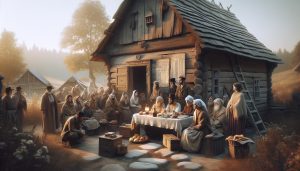
In today’s fast-paced world, balancing faith with financial stability is more critical than ever. Many find themselves navigating the complexities of budgeting, saving, and investing while trying to maintain their spiritual commitments. This intersection of spiritual and financial well-being can lead to growth, resilience, and a more purposeful life.
In this guide, we will explore practical strategies for achieving financial security without compromising your values or faith. You’ll discover actionable advice on debt management, smart budgeting, and creative solutions to enhance your financial health while fostering a strong spiritual foundation. Whether you’re seeking to build a side hustle, support your family, or simply live well within your means, this resource aims to empower you on your journey. Embrace the possibility of a fulfilling life that harmonizes your financial goals with your spiritual beliefs, allowing you to thrive in all areas of life.
Tentmaking as a Path to Sustainable Living

In today’s rapidly changing economic landscape, more individuals are seeking ways to blend their faith-driven missions with sustainable living. Tentmaking offers a captivating solution, equipping people to embody their beliefs while achieving financial independence. The concept is rooted in the idea that one can effectively contribute to ministry without relying solely on traditional church support. This model not only alleviates financial pressure but also fosters a holistic approach to life where work and faith coexist harmoniously.
A tentmaker can explore various avenues to generate income while staying true to their values. For instance, leveraging skills such as teaching, crafting, or consulting provides an excellent foundation for a financially sustainable lifestyle. Additionally, embracing entrepreneurship-including freelancing or starting small businesses-enables tentmakers to align their work with their mission. This balance fosters resilience and creativity, critical components for thriving in both personal and spiritual realms.
Furthermore, tentmakers are encouraged to adopt a budgeting mindset that emphasizes intentional living. This includes setting clear financial goals, tracking expenses, and prioritizing needs over wants. By adhering to tangible strategies like automatic savings and mindful spending, individuals can cultivate stability while pursuing their missions. The availability of community resources, including support groups or online forums, can also enhance accountability and provide crucial tips for overcoming financial challenges.
Ultimately, embracing the tentmaking lifestyle opens doors to a fulfilling life characterized by financial independence, meaningful work, and deep spiritual commitment. It empowers individuals to create vibrant communities, encouraging others to embark on similar journeys while also benefiting their families. When faith is the driving force behind their actions, tentmakers not only thrive but also inspire those around them to seek a more balanced and impactful way of living.
Understanding the Concept of Tentmaker Ministry
In a world where financial pressures seem ever-increasing, the concept of tentmaker ministry offers a meaningful way to intertwine spiritual calling and sustainable living. This model is derived from the Apostle Paul, who supported his missionary efforts through tent-making, serving as a powerful illustration of how faith can drive both vocation and calling. Tentmakers actively pursue professional avenues that allow them to finance their ministries while fulfilling their personal and spiritual commitments.
By engaging in work that aligns with their values, tentmakers can foster a robust sense of mission in both their professional and personal lives. This can manifest in various forms, including part-time jobs, freelance work, or entrepreneurial ventures that reflect their faith. For example, someone skilled in teaching may take on tutoring roles or create online courses, while others might explore crafting or consulting opportunities. The key is to find ways to earn an income that also contribute positively to the community, thereby reinforcing their role as ambassadors of faith through their actions.
Balancing Faith and Work
Tentmaker ministry not only promotes financial independence but also encourages a holistic approach to life that seamlessly integrates work and faith. This balance can be achieved through clear goal setting and mindful living. Prioritizing needs over wants and creating a structured budget are essential steps for tentmakers aiming to maintain financial stability. Moreover, engaging in community resources, such as support groups or online networks, can provide valuable insights and encouragement. These connections can empower tentmakers to share experiences, seek advice, and provide support as they navigate the challenges that come with their unique lifestyle.
Ultimately, invites individuals to embrace an entrepreneurial spirit while staying true to their faith. It encourages creativity, resilience, and the courage to adapt in the face of financial uncertainties. By deftly managing their time and resources, each tentmaker has the potential to live out their calling in a way that honors their beliefs, supports their families, and contributes to their communities, creating a legacy that extends far beyond their immediate circumstances.
Building a Balanced Budget for Faith-Based Work

Creating a balanced budget is not just about managing expenses; it’s about aligning your financial strategy with your mission and values as a tentmaker. Many tentmakers find a sustainable lifestyle in leveraging their unique skills while supporting their spiritual endeavors. A thoughtfully constructed budget serves as a roadmap, guiding you through both expected and unforeseen financial circumstances.
To begin, assess your income sources. Tentmakers often juggle multiple roles, so it’s crucial to have a clear picture of your total earnings from various streams such as part-time work, freelance projects, or business ventures. Once you know how much you bring in, categorize your expenses into essential and non-essential items. Essential expenses typically include housing, utilities, food, and transportation, while non-essential items may cover leisure activities, dining out, or subscriptions. This clarity allows you to prioritize necessary expenditures without the clutter of potential financial stressors.
Steps to Building Your Budget
- Track Your Expenses: Use budgeting apps or simple spreadsheets to monitor monthly spending. This awareness can highlight areas where you can cut back or redirect funds towards your ministry.
- Create a Spending Plan: Allocate your income towards categories like savings, donations, and personal necessities. Consider the 50/30/20 rule: 50% for needs, 30% for wants, and 20% for savings or debt repayment.
- Emergency Fund: Aim to build a safety net that covers at least three to six months of living expenses. This fund can provide peace of mind, allowing you to take faith-driven risks in your ministry without the fear of immediate financial peril.
- Review Regularly: Set aside time each month to review and adjust your budget as necessary. Unexpected expenses may arise, or your income may fluctuate, especially for freelance or contract work. Staying adaptable in your budgeting will help maintain your financial health.
Remember, budgeting is not merely about restrictions; it’s a creative process that empowers you to live intentionally. Embrace your entrepreneurial spirit. Seek out opportunities for income that align with your faith and values, whether through side hustles, creative projects, or service-based ventures. With each step you take, you’re not just building financial stability; you’re fortifying your mission-driven life, fostering growth and resilience that reflects both your spiritual journey and your vocation.
Creative Income Sources for Tentmakers
In a world where financial security often seems elusive, tentmakers can thrive by exploring creative income sources that align with their mission and values. Drawing from various skill sets and interests is not only practical but essential for balancing faith-driven work with the need for financial sustainability. By diversifying income streams, tentmakers not only boost their finances but also enrich their ministry through unique experiences and connections.
One effective approach is to leverage existing talents and hobbies. For instance, if you have a knack for writing, freelance writing or blogging can provide a flexible income source. Similarly, graphic design, photography, or crafting can be monetized by offering services on platforms like Etsy or Fiverr, allowing you to earn while showcasing your creativity. Consider leveraging your skills in tutoring or coaching; sharing knowledge in areas of expertise-be it academic subjects, fitness, or business strategy-can not only generate income but also foster relationships in your community.
Networking within your community can unveil unexpected opportunities. Hosting workshops or community group classes can be a way to earn money while serving others. Whether it’s a cooking class, art session, or personal finance workshop, these gatherings foster a sense of belonging and community, drawing like-minded individuals together while contributing to your income. Additionally, don’t overlook the potential of passive income streams, such as creating online courses or writing eBooks that can be sold repeatedly without ongoing effort.
Finally, consider tapping into the sharing economy. Short-term rentals, such as Airbnb, can provide substantial income if you have extra space in your home. Additionally, platforms that facilitate car-sharing or renting out equipment can turn underutilized assets into cash flow. By exploring these creative income sources, tentmakers can secure financial stability while continuing their impactful ministry, transforming challenges into opportunities through innovative thinking and perseverance.
Navigating Financial Challenges in Ministry
Navigating the financial landscape as a tentmaker can be a daunting challenge, yet it also provides an incredible opportunity to exercise creativity, resilience, and community-building skills. Many tentmakers find themselves balancing full-time work with ministry involvement, which can lead to stress when finances are stretched thin. One effective strategy is to adopt a proactive mindset towards budgeting and financial management, turning potential obstacles into pathways for growth.
Establishing a Solid Financial Foundation
Creating a well-structured budget is crucial for tentmakers aiming to achieve financial stability. Start by evaluating your total income sources and monthly expenses. This includes not only your fixed costs, such as rent and utilities, but also variable expenses like groceries and discretionary spending. Use simple budgeting tools or apps to track your progress. Set realistic goals for savings and spending, and make adjustments as needed to stay on track. A recommended approach is the 50/30/20 rule, where 50% of income goes to needs, 30% to wants, and 20% towards savings or debt repayment.
Embracing Community Resources
Community support plays a significant role in alleviating financial pressure. Tentmakers can benefit from local networks that offer resources like shared housing, co-op grocery buying, or community events with low-cost or no-fee participation. Establish connections with other tentmakers or community members who share similar values and challenges. Collaborating on projects or sharing resources can create a supportive environment where ideas for side hustles or joint ventures thrive, enhancing your financial situation while fostering a sense of belonging.
Exploring Creative Solutions
The innovation of tentmakers often shines brightest when financial difficulties arise. Embrace side gigs that align with your skills or passions, whether it’s freelance work, part-time jobs, or launching a small business. Remember that opportunities can come from unexpected places, so stay open-minded. Consider selling handmade crafts online, offering consulting services within your expertise, or even tutoring local children in subjects you’re knowledgeable about. The key is to maintain flexibility and a willingness to pursue various avenues until you find the right fit.
Incorporating these strategies into your life doesn’t just ease financial burdens; it also allows for personal growth and fulfillment. As you navigate financial challenges, keep your mission-driven focus on how you can serve others while sustaining yourself. Embracing the entrepreneurial spirit fosters not only financial independence but also enhances your overall ministry, allowing you to thrive while helping others along the way.
Time Management: Juggling Faith and Work
In the life of a tentmaker, where the blending of faith and work is essential, effective time management becomes a critical skill. Balancing a full-time job while passionately pursuing ministry can feel overwhelming, but with structured planning and prioritization, it’s entirely achievable. An important first step is recognizing that time is a non-renewable resource; managing it well allows tentmakers to honor their commitments to both professional and spiritual responsibilities.
One powerful method to optimize time management is the Time Blocking Technique. This involves dividing each day into blocks dedicated to specific activities. For instance, mornings can be reserved for work-related tasks, afternoons for ministry duties, and evenings for personal development or family time. This approach not only helps maintain focus but also ensures that no single aspect of life overshadows others. Additionally, using digital calendars or planners can enhance accountability. Setting reminders for both work deadlines and ministry events can help keep all obligations on track.
Another key strategy is to embrace prioritization through the Eisenhower Matrix, a tool that helps distinguish between what is urgent and important. By classifying tasks into four quadrants-urgent and important, important but not urgent, urgent but not important, and neither-you can allocate your energy in ways that align with your values and goals. This is particularly useful in ministry, where various responsibilities might pull you in different directions. When you know which tasks will have the most significant impact, you can approach your work with intention and energy.
Creating a supportive environment also plays a crucial role in managing time effectively. Engage with your community-this might include fellow tentmakers or church groups-to share responsibilities or collaborate on projects. Whether it’s sharing childcare duties or co-organizing ministry events, community support can alleviate individual burdens, allowing everyone to thrive without burnout.
Lastly, allocating time for self-care and reflection is vital. As tentmakers navigate the demands of work and ministry, regularly stepping back to reassess goals and personal well-being can foster resilience and creativity in problem-solving. Incorporating moments of prayer and meditation throughout the week not only strengthens spiritual health but also enhances clarity and focus for the equally important tasks ahead. Embracing a holistic approach to time management will empower tentmakers to harmoniously integrate their financial ambitions with their faith-driven missions, leading to a fulfilling and balanced life.
The Role of Community Support in Financial Stability
Building a strong community can be a cornerstone for those engaged in tentmaker ministries, where the intertwining of faith and work can present unique financial challenges. By fostering supportive relationships, tentmakers can create a safety net that not only encourages spiritual growth but also aids in achieving financial stability. Engaging with a community allows individuals to share resources, knowledge, and experiences, significantly alleviating the burden of financial stress.
One practical approach to harnessing community support is through resource-sharing networks. This can include anything from shared childcare responsibilities to collaborative fundraising efforts for various ministry projects. When tentmakers pool their skills, they enable each other to focus more time and energy on both work and ministry. For example, a group of tentmakers might set up a co-op system where they exchange services-someone skilled in graphic design might help with marketing materials while another prepares meals for ministry events. This not only reduces costs but also fosters deeper connections and accountability.
Additionally, communities can offer financial education workshops or accountability groups focused on budgeting, saving, and investing. Having a group to discuss financial strategies can motivate tentmakers to adopt healthier financial habits and celebrate their progress together. Creating such forums also paves the way for transparent discussions about struggles, transforming financial worries into opportunities for communal support and advice.
Finally, leveraging the online community can broaden the scope of support available. Virtual forums and social media groups dedicated to tentmaker ministries or faith-driven entrepreneurship allow members to connect regardless of geographical limitations. Through shared experiences and diverse perspectives, tentmakers can discover innovative solutions, encourage one another, and build a sustainable model for integrating their faith and financial ambitions.
Embracing a strong sense of community not only enhances financial stability but also enriches the spiritual and emotional lives of those involved. Through shared burdens and collective successes, tentmakers can cultivate an environment that encourages resilience and prosperity, leading to a fuller, more balanced life.
Faith-Driven Entrepreneurship: Aligning Values with Income
Integrating faith-driven principles into entrepreneurial endeavors offers a unique opportunity to align personal values with income generation. Many tentmakers find themselves in a position where their skills and passions can not only support their families but also serve their communities in meaningful ways. By approaching entrepreneurship through the lens of faith, tentmakers can create businesses that reflect their beliefs, foster community connections, and provide sustainable financial support.
To effectively marry faith and entrepreneurship, consider the following practical strategies:
- Identify Your Unique Calling: Reflect deeply on your passions and skills. What needs do you see in your community? A tentmaker with graphic design experience could start a business creating promotional materials for local nonprofits, while someone skilled in cooking might establish a catering service for church events.
- Develop a Mission Statement: Clearly define the purpose of your business beyond profit. A mission statement rooted in your values not only guides your decision-making process but also communicates your intentions to potential customers.
- Build Relationships: Networking with like-minded individuals can open doors to collaborative opportunities and shared resources. Joining local entrepreneurial groups or faith-based business networks can provide vital support and encouragement.
- Embrace Creative Marketing: Utilize social media platforms and community events to showcase your products or services.Sharing testimonials and engaging stories about how your business aligns with your faith can resonate with potential customers.
- Focus on Ethical Practices: Ensure that your business practices reflect your beliefs. This includes fair pricing, sustainable sourcing, and charitable giving. Customers are often drawn to businesses that operate with integrity and contribute positively to their communities.
Balancing a commitment to faith with the demands of entrepreneurship can be challenging, but it also presents an incredible opportunity for growth. Embracing a resilient mindset and viewing financial setbacks as learning experiences can help tentmakers navigate the entrepreneurial landscape more effectively. By remaining adaptable and open to new avenues, they can not only ensure their businesses thrive but also fulfill a higher purpose.
As you embark on your journey, remember that the act of faith-driven entrepreneurship is as much about service and impact as it is about income. With each step you take, you’re not just building a business; you’re creating a legacy that honors your values and enriches those around you.
Long-Term Financial Planning for Tentmakers
Planning for the long term is crucial for tentmakers who seek to balance their ministry work with financial stability. By establishing a solid financial foundation, you can ensure that your entrepreneurial endeavors not only meet immediate needs but also build a legacy for the future. A well-thought-out financial strategy allows tentmakers to serve their communities without the constant stress of financial insecurity.
Establish Clear Financial Goals
First and foremost, define your financial objectives. Consider both your personal and business aspirations, such as saving for a home, funding children’s education, or investing in further education to enhance your skills. By setting SMART goals-Specific, Measurable, Achievable, Relevant, and Time-bound-you can create actionable steps toward financial independence. For instance, if you aim to save $10,000 for a family vacation in two years, break that down into monthly savings targets.
Create a Comprehensive Budget
A comprehensive budget is an essential tool for maintaining financial health. Track all income streams-whether they’re from your tentmaking business or other sources-alongside your monthly expenses. This practice not only provides clarity on where your money goes but also highlights areas where you can cut back. Aim for a budget that allocates funds for essential expenses, savings, and charitable giving, aligning your financial practices with your faith-driven principles.
- Essential Expenses: Prioritize fixed costs like housing and utilities.
- Savings: Aim to save at least 20% of your income for emergencies and future investments.
- Charitable Giving: Set aside income for tithes and community support.
Invest in Your Skills
Continuously investing in your skills and knowledge can position you for greater financial opportunities. Consider attending workshops, online courses, or local community college classes that align with your entrepreneurial goals. These investments can lead to better job prospects or skill improvement that directly benefits your ministry work and business. For example, a tentmaker skilled in graphic design could leverage that knowledge to create promotional materials not only for their business but also for local nonprofits, enhancing community impact while providing a new income stream.
Build an Emergency Fund
An emergency fund serves as a financial safety net, allowing you to handle unexpected costs without derailing your budget. Aim to save three to six months’ worth of living expenses. Use high-yield savings accounts or short-term investment accounts to keep these funds accessible but separate from everyday spending. This cushion ensures you can continue your ministry work without the anxiety associated with financial instability.
Utilize Community Resources
Finally, don’t underestimate the power of community. Many churches and local organizations offer financial literacy programs, networking opportunities, and mentorship that may assist tentmakers in achieving financial stability. These resources can be invaluable for sharing experiences, gaining insights into best practices, and providing emotional support as you navigate your unique journey.
By engaging in strategic long-term financial planning, tentmakers can craft a life filled with purpose, security, and community impact. Through prudent budgeting, continuous skill development, and leveraging community support, you create a sustainable financial model that allows your ministry to flourish now and into the future.
Importance of Mission-Driven Work and Impact
In a world often driven by profit margins and market share, mission-driven work stands as a beacon of purpose and fulfillment. For those engaged in tentmaker ministries, aligning financial stability with meaningful impact is more than just a strategy-it’s a calling. This unique approach allows individuals to invest their skills and resources not only to sustain their families but also to enrich their communities and enhance their spiritual journey. The beauty of mission-driven work lies in its potential to transform personal aspirations into acts of service that resonate deeply with others.
When tentmakers prioritize their mission, they cultivate a blueprint for sustainable work that goes beyond mere income generation. This can take various forms-from providing essential services to marginalized communities to creating products that align with their values. For instance, a tentmaker who specializes in handmade crafts can offer workshops that not only generate revenue but also build community and foster creativity. These workshops create a space for participants to share their skills, support one another, and develop meaningful relationships, all of which reinforce the tentmaker’s mission to uplift those around them.
An essential element of achieving success in mission-driven work is to integrate clear objectives that inspire both action and reflection. Setting specific, faith-aligned goals helps tentmakers track their impact and remain accountable to their missions. Consider developing a plan that includes measurable outcomes. This could range from the number of individuals served through outreach programs to the financial contributions made to local causes. Regular evaluation of these outcomes not only fosters a sense of achievement but also inspires continual improvement.
Furthermore, nurturing a supportive community is vital for maintaining motivation and momentum. Tentmakers should actively seek out like-minded individuals and organizations that share their vision. Networking groups, local churches, and community events can serve as invaluable resources for sharing ideas, seeking advice, and receiving encouragement. This network can also provide avenues for collaboration, potentially amplifying the reach of their efforts.
In essence, mission-driven work enables tentmakers to cultivate not just a livelihood, but a life enriched with purpose, service, and community. By balancing their financial goals with their spiritual mission, they create a legacy that extends beyond their own needs, positively impacting the lives of others and inspiring those around them to join in this transformative journey.
Avoiding Common Financial Pitfalls in Ministry
In the journey of balancing faith and finances within tentmaker ministry, few challenges can derail the mission more than common financial pitfalls. Awareness and proactive management of these pitfalls can transform a precarious situation into a sustainable ministry that continually supports both personal and community needs. By establishing a firm foundation in financial literacy, tentmakers can navigate the complexities of their work with confidence and purpose.
One prevalent issue is the tendency to overspend, driven by a desire to fund projects, outreach efforts, or personal living expenses. It’s imperative to develop and stick to a detailed budget that reflects both income and anticipated expenses. Regularly revisiting and adjusting this budget allows tentmakers to remain aligned with their mission while staying within financial constraints. Consider categorizing spending and setting limits for each area, whether it’s operational costs, personal expenses, or community outreach initiatives to maintain clarity and control.
Another common pitfall is neglecting savings, which can create a financial emergency down the line. Building an emergency fund should be a priority, allocating a portion of income to save for unforeseen expenses or fluctuations in income. This small step cultivates resilience and ensures that tentmakers can continue their work without the pressure of immediate financial stresses.
Moreover, seeking financial education through workshops, online courses, or community resources can empower tentmakers to make informed financial decisions. Engaging with mentors who have experienced similar challenges can also provide invaluable insights and encouragement. Additionally, using technology for budgeting and tracking expenses can streamline financial management, making it simpler to keep on top of financial health.
Lastly, it’s vital to foster accountability within a community of peers. Share financial goals with fellow tentmakers who understand the mission and can offer support. Regular check-ins can motivate all parties to stay disciplined and celebrate milestones. The journey to financial stability in ministry doesn’t have to be solitary; embracing collaboration can lead to shared learning experiences and mutual growth.
In summary, avoiding financial pitfalls in tentmaker ministry hinges on diligent budgeting, a focus on savings, continuous learning, and a supportive community. By laying a solid financial groundwork, tentmakers can maintain their mission and transform their calling into a flourishing endeavor that enriches both their lives and those of the communities they serve.
Personal Growth Through Tentmaker Experiences
Engaging in tentmaker ministry often leads to profound personal growth, shaped by the unique experiences that accompany balancing faith and financial responsibilities. Every day spent in this mission is an opportunity not just to serve others but to develop resilience, creativity, and a deeper understanding of purpose. As challenges arise-whether they’re financial struggles or the need to innovate in outreach-tentmakers can turn these obstacles into stepping stones for personal development.
One major aspect of personal growth in tentmaking is the skill of adaptability. With changing circumstances, tentmakers learn to pivot their strategies, whether it involves adjusting a budget, exploring new income sources, or redefining outreach efforts to fit community needs. This adaptability not only enhances problem-solving skills but also fosters a mindset that embraces change. When faced with unexpected challenges, like a sudden drop in income or shifts in community needs, tentmakers become resourceful, seeking out alternative funding opportunities, engaging with local businesses for support, or launching creative fundraising initiatives.
Moreover, tentmaker experiences cultivate valuable relationship-building skills. As individuals work alongside others in ministry and financial endeavors, they discover the importance of collaboration and networking. Engaging with supportive communities, leveraging shared resources, and establishing accountability partners enrich not only their professional lives but also their spiritual journeys. The collaborations formed often lead to exciting partnerships, where ideas flourish and shared goals ignite passion and purpose.
Additionally, personal routines in tentmaker ministry often incorporate holistic practices that encourage well-rounded growth. This might include setting aside time for prayer and reflection, engaging in creative hobbies, or practicing mindfulness through physical activity. Such routines fortify mental and emotional health, enabling tentmakers to remain grounded and focused on their mission. By prioritizing self-care alongside their responsibilities, they embody the belief that nurturing oneself is essential for effective ministry.
In summary, the journey of tentmaking is an extraordinary catalyst for personal growth. It equips individuals with adaptability, enhances relationship-building benefits, and fosters a holistic approach to self-care. Through these experiences, tentmakers not only contribute to their communities but also emerge as more resilient, creative, and empowered individuals, embracing a life that balances faith, service, and financial stability.
Frequently asked questions
Q: What is the Tentmaker Ministry?
A: The Tentmaker Ministry refers to a model where individuals balance their faith-based work with self-sustaining income sources. It emphasizes supporting one’s ministry through entrepreneurship, part-time jobs, or creative financial strategies while maintaining a commitment to spiritual missions.
Q: How can I manage my time effectively as a tentmaker?
A: Effective time management for tentmakers involves prioritizing tasks, setting clear goals, and scheduling dedicated time for both work and ministry activities. Utilizing tools like planners or digital calendars can streamline this process and enhance productivity and balance.
Q: What are some creative income sources for tentmakers?
A: Creative income sources for tentmakers include freelance work, grant writing, online courses, and passive income streams like rental properties or affiliate marketing. Diversifying income helps sustain ministry work without compromising faith commitments.
Q: What financial challenges do tentmakers typically face?
A: Tentmakers often face financial instability, difficulty in budgeting, and unpredictable income as challenges. Implementing a solid financial plan, engaging in community support, and exploring various income avenues can mitigate these issues.
Q: How can community support enhance financial stability for tentmakers?
A: Community support provides emotional encouragement and practical resources, such as sharing expenses, mentorship, or networking for ministry opportunities. Creating strong relationships within your community can lead to collaborative projects and additional funding options.
Q: What are the common financial pitfalls tentmakers should avoid?
A: Common pitfalls include overspending, not having an emergency fund, and neglecting to plan for retirement. Tentmakers should focus on budgeting, saving consistently, and seeking financial education to navigate these challenges effectively.
Q: How can faith-driven entrepreneurship align with financial stability?
A: Faith-driven entrepreneurship allows individuals to build businesses that reflect their values while generating income. By integrating spiritual principles into business practices, tentmakers can create sustainable ventures that support their ministry while achieving financial stability.
Q: What long-term financial planning strategies should tentmakers consider?
A: Tentmakers should consider strategies such as creating a comprehensive budget, setting up retirement accounts, and establishing multiple income sources. Regular financial reviews and adjusting plans according to life changes ensure progress towards financial goals.
In Conclusion
As we conclude our exploration of balancing faith and financial stability through the Tentmaker Ministry, remember that creating a secure future is a journey. By embracing practical strategies like smart budgeting, exploring side hustles, and learning about homeownership, you can make progress toward both material and spiritual well-being. Don’t let financial fears hold you back-take the first step today by signing up for our newsletter for ongoing insights and support.
Discover more about smart money-saving solutions and family-focused advice in our articles on debt-free living and creative gift ideas. Join our community, where we celebrate resilience and offer encouragement for every step you take. Your path to financial freedom and purposeful living starts now-let’s walk together! Feel free to share your thoughts or questions in the comments below; your journey inspires others.