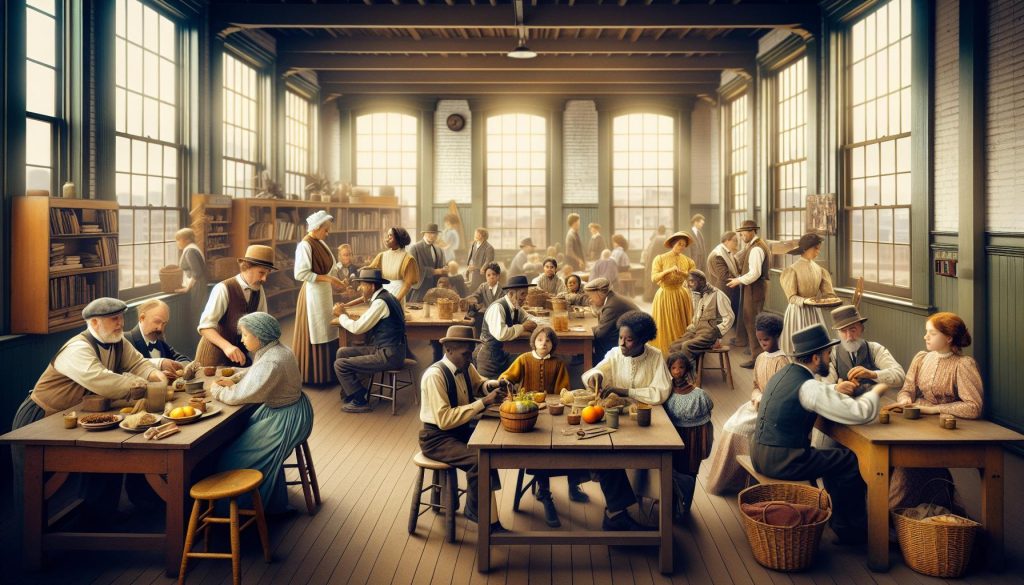
The Hull House, established in 1889 by Jane Addams and Ellen Gates Starr in Chicago, emerged as a vital community center for immigrants and the urban poor during a period of rapid industrialization and societal change. Its mission focused on empowering disadvantaged populations through education, social services, and cultural enrichment. Understanding how the Hull House navigated the complexities of supporting marginalized communities can provide valuable insights into the ongoing struggles faced by many today. As we explore its impact and legacy, we invite you to reflect on the importance of community support systems and their role in fostering resilience and growth. By delving into this history, you will gain a deeper appreciation for how such initiatives can inspire modern efforts aimed at uplifting those in need, highlighting our shared responsibility to create inclusive and supportive environments for all.
The Hull House: A Historical Overview of Its Founding
In the late 19th century, Chicago was a rapidly growing urban center, a melting pot of cultures and economic opportunities attracting a wave of immigrants. Among the various initiatives to support these newcomers, the founding of Hull House in 1889 by Jane Addams and Ellen Gates Starr marked a significant turning point in social reform in America. Established as one of the first settlement houses in the United States, Hull House aimed to provide essential services and support mainly to the burgeoning immigrant population. The founders recognized the dire needs of this community, characterized by crowded living conditions, labor exploitation, and cultural isolation.
The mission of Hull House was multifaceted, addressing both immigrant aid and broader urban social issues. Unlike typical charity organizations of the time, Hull House operated on the principle of community engagement, emphasizing the empowerment of individuals through education and social services. This approach made Hull House a beacon of hope for thousands of immigrants struggling to adapt to their new lives. The settlement became a vibrant hub, offering not only social support but also educational opportunities, cultural programs, and advocacy for labor rights.
The impact of Hull House extended beyond mere assistance; it provided immigrants with the tools needed for community integration and personal development. This was a radical shift from previous charitable models, focusing on collaboration and mutual support rather than dependency. The initiatives at Hull House reflected a deep commitment to fostering resilience and self-sufficiency among the urban poor, laying the groundwork for future social welfare movements. By offering a safe space for immigrants, Hull House exemplified how targeted community support could uplift not just individuals, but entire neighborhoods.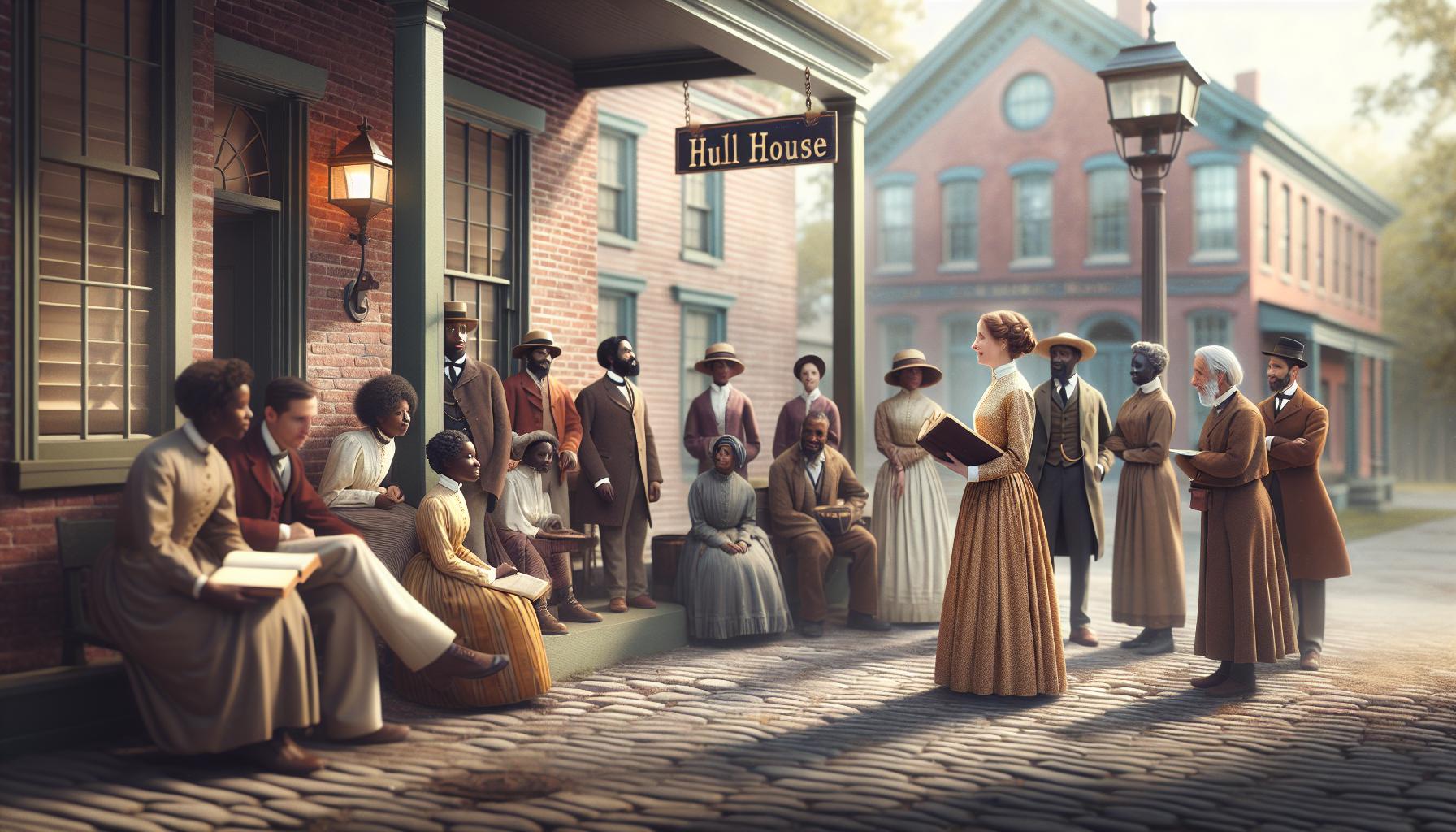
The Mission of Hull House: Immigrant Aid or Urban Support?
The establishment of Hull House represented a pivotal moment in the integration of immigrants within urban settings, serving not just as a refuge for individuals facing the challenges of displacement but also as a platform for social reform. The dual mission of aiding immigrants and addressing broader urban issues highlighted a sophisticated understanding of community dynamics. By viewing the settlement as a living space for social engagement rather than simply a charity, Hull House sought to empower both its residents and the neighborhood at large.
Hull House was adept at adapting to the multifaceted needs of its community. For immigrants, it offered language classes, job training, and cultural exchanges, which were essential for navigating life in a new country. These services were aligned with the belief that enduring change comes through education and empowerment. However, the reach of Hull House extended beyond immigrant support to tackle systemic urban challenges such as poor housing conditions, labor rights, and public health. This community-centric approach allowed it to be a resource not just for individual families but for marginalized urban populations seeking a voice and agency in the face of indifference.
By prioritizing community engagement, Hull House laid the groundwork for many social movements that followed. This environment encouraged collaboration among residents to make collective demands for better living conditions and services. The settlement house’s influence thus rippled through the urban landscape, evolving into a beacon for future social workers and reform advocates. Its legacy showcases how a robust support system can nurture community resilience, thereby fostering an inclusive environment where both immigrants and the urban poor could thrive.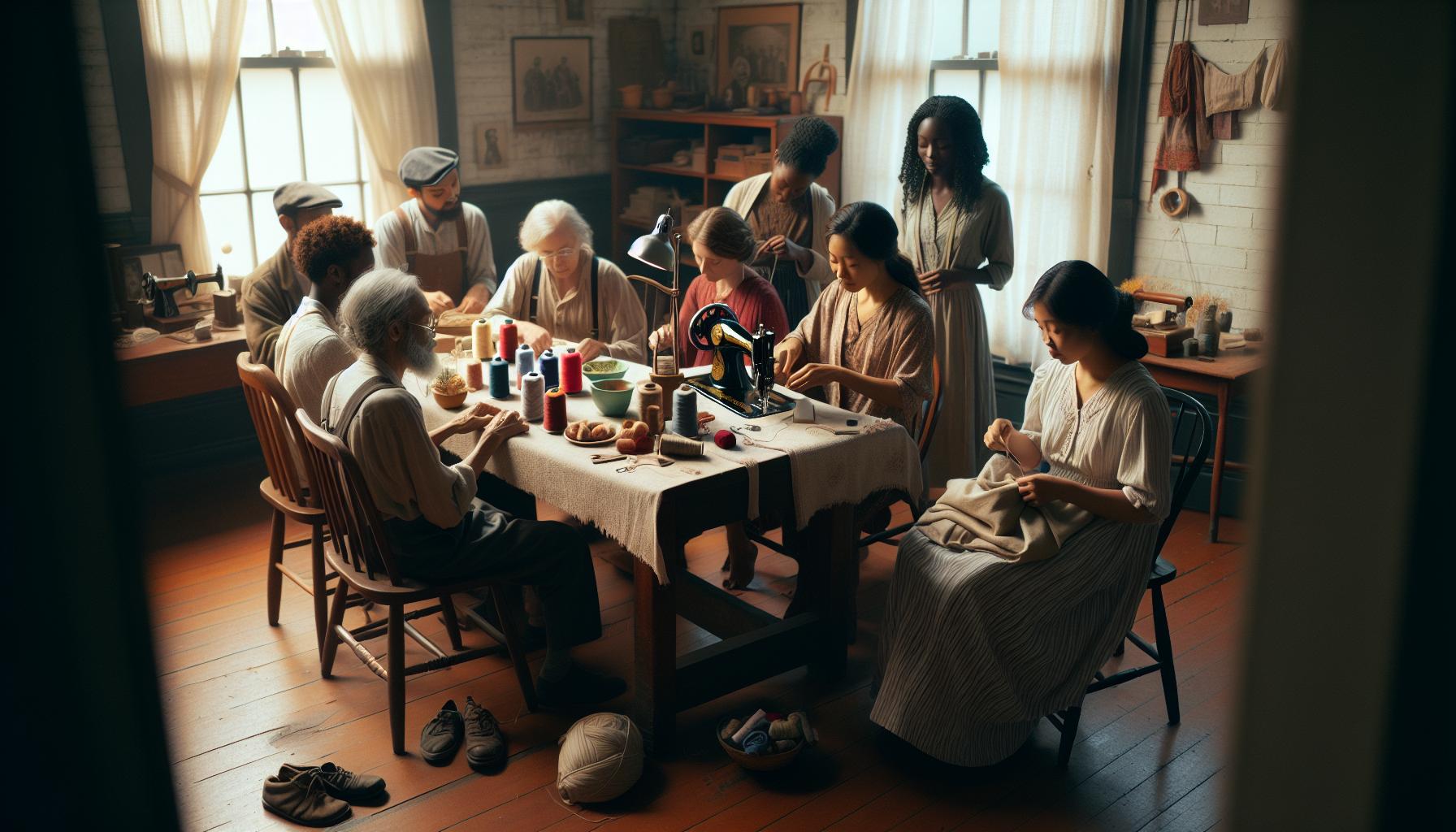
Key Services Offered by Hull House to Immigrants
Many immigrants arriving in Chicago found themselves navigating a complex new environment, often lacking resources and support. Hull House emerged as a sanctuary, providing a diverse array of services tailored to meet the unique challenges faced by these newcomers. This community hub not only sought to assist but also empowered individuals through education, advocacy, and community engagement.
One of the cornerstone services offered was language instruction, which proved essential in helping immigrants communicate effectively and integrate into their new surroundings. Hull House prioritized this need by providing English classes, enabling individuals to better access job opportunities and engage in community life. Additionally, job training programs were designed to equip residents with practical skills needed in the local job market, further enhancing their chances for economic stability.
In addition to education, Hull House acted as a vital cultural and social hub. It hosted community gatherings, celebrations of cultural heritage, and various recreational activities, fostering a sense of belonging among diverse ethnic groups. The integration of cultural exchanges not only enriched the lives of the residents but also promoted understanding and collaboration between different communities. Through these efforts, Hull House created a supportive network that encouraged social cohesion and collective action among immigrants.
Moreover, Hull House addressed immediate needs by providing basic services such as childcare, healthcare referrals, and legal aid. These resources were critical in helping families establish secure foundations, while also advocating for social reform on broader systemic issues such as labor rights and housing. The inclusive approach at Hull House exemplified a commitment to improving not just the lives of individual immigrants, but also the larger community fabric of Chicago.
How Hull House Addressed the Needs of the Urban Poor
Hull House stood as a beacon of hope and support for the urban poor in late 19th and early 20th century Chicago. It was not merely a refuge but a comprehensive community resource that tackled the multifaceted challenges faced by impoverished residents, particularly those from immigrant backgrounds. Established by Jane Addams and Ellen Gates Starr, Hull House responded to pressing social issues through innovative programs and services designed to foster resilience and empowerment among the urban poor.
One key aspect of Hull House’s outreach involved providing essential basic services, including food assistance, childcare, and healthcare referrals. These offerings were vital for families trying to gain a foothold in a new environment. By alleviating immediate concerns, Hull House helped families stabilize their situations, allowing them to explore longer-term strategies for improvement. For example, mothers could attend classes or seek employment knowing their children were cared for, creating a ripple effect of opportunities.
In addition to immediate aid, Hull House focused on educational initiatives aimed at equipping urban poor individuals with skills necessary for economic advancement. English language classes and vocational training opened doors to job opportunities that were previously inaccessible. By emphasizing the importance of education, Hull House inspired many residents to pursue learning as a pathway to better livelihoods. This emphasis on skill-building contributed to a sense of agency, enabling individuals to dream beyond their current circumstances and work towards a more secure future.
The role of community engagement at Hull House cannot be overstated. By facilitating social interactions and cultural exchanges among diverse ethnic groups, Hull House cultivated a strong sense of community identity and belonging. It became a cultural hub where individuals could share their stories and traditions while learning from others. Celebrating cultural heritage through events and gatherings not only fostered unity but also nurtured a collaborative spirit among the urban poor, empowering them to advocate for their rights and improve their living conditions.
Through these initiatives, Hull House achieved a profound impact on the lives of the urban poor in Chicago. By addressing both immediate needs and long-term aspirations, it proved that support and encouragement could transform individual lives and strengthen the community as a whole. The legacy of Hull House continues to inspire social work practices, emphasizing the importance of comprehensive support systems in combating poverty and fostering resilience.
The Role of Social Reformers at Hull House
Social reformers at Hull House played a pivotal role in transforming the landscape of social services and community support. Fueled by a deep sense of social responsibility, these reformers believed in the potential of each individual and sought to create an environment where all could thrive, particularly immigrants and the urban poor. Jane Addams and Ellen Gates Starr, the founders, exemplified this commitment, advocating for the empowerment of marginalized populations through education, cultural engagement, and advocacy.
One notable aspect of their approach was the emphasis on community involvement. Hull House wasn’t just a place to receive help; it was a vibrant community hub that invited individuals to participate actively in their own growth and that of their neighbors. Reformers organized workshops, social events, and public forums that encouraged residents to share their experiences and needs. These gatherings fostered a sense of belonging and collaboration, empowering individuals to advocate for their rights and work collectively towards improving their living conditions.
Additionally, social reformers at Hull House recognized the importance of education as a tool for empowerment. They implemented a variety of programs, including English language classes and vocational training, tailored to meet the unique needs of the immigrant population. These initiatives not only provided vital skills but also opened doors to better job opportunities, ultimately helping families achieve greater financial stability. By focusing on education, Hull House reformers addressed the root causes of poverty, equipping individuals with the necessary tools to uplift themselves and their communities.
In reflecting on the legacy of the reformers at Hull House, it’s evident that their innovative approach to social work laid the groundwork for modern social services. They demonstrated how community-driven initiatives could spark transformative change, fostering resilience and self-sufficiency among even the most vulnerable populations. Today, their spirit of inclusivity and advocacy continues to inspire those working to build a more equitable society.
Impact of Hull House on Chicago’s Immigrant Community
Established in 1889, Hull House became a beacon of hope for Chicago’s diverse immigrant population, fundamentally transforming their lives and the community around them. This settlement house, founded by Jane Addams and Ellen Gates Starr, offered a refuge for immigrants and the urban poor, empowering them to navigate the challenges of a new country. With its welcoming atmosphere and myriad services, Hull House effectively addressed the evolving needs of these communities and laid the groundwork for social change.
The was profound, especially in terms of social cohesion and cultural integration. By fostering a sense of belonging, Hull House provided a communal space where individuals from various backgrounds-Italian, Irish, German, Greek, and more-could come together. They learned the language, shared experiences, and built relationships, which not only eased the transition into American society but also enriched the cultural tapestry of Chicago itself. The integration programs, including English language classes, helped diminish barriers to employment, allowing immigrants to secure jobs that supported their families.
Moreover, Hull House offered critical resources that targeted the specific challenges faced by immigrants. The establishment of vocational training, childcare services, and health clinics exemplified Hull House’s commitment to addressing the multifaceted needs of its residents. These initiatives empowered families to rise above poverty and build a better future. For instance, women were particularly benefited by the introduction of classes that prioritized job skills, enabling them to enter the workforce, contribute economically, and gain independence.
The legacy of Hull House is one of resilience, creativity, and empowerment. By equipping immigrants with the tools they needed to succeed-both materially and spiritually-Hull House not only uplifted individuals but also fostered a standout model for community support that continues to influence social work practices today. The stories of those who found opportunities at Hull House reflect an enduring spirit of hope, emphasizing the importance of inclusive, supportive environments in forging strong communities.
Success Stories: Transformative Experiences at Hull House
The legacy of Hull House is illuminated through the transformative experiences of its countless residents, many of whom emerged from the shadows of poverty and alienation into a life of empowerment and community engagement. Among them was Maria, a young Italian immigrant who, upon arriving in Chicago, struggled with the language barrier and isolation. At Hull House, she found not only English language classes but also a nurturing environment where she could engage with others from various cultural backgrounds. The connections she forged inspired her to start a community garden initiative, turning an empty lot into a vibrant space for recreation and learning, fostering a sense of belonging and collaboration among residents of all ages.
Another poignant story is that of Ahmed, a recent Syrian refugee, who arrived with little more than the clothes on his back. Hull House offered him job training seminars that equipped him with valuable skills in construction. With the support of mentors and peers, he secured employment that allowed him to support his family and contribute to his community. His journey reflects the power of Hull House in facilitating networks of support that enable newcomers to integrate fully and become active participants in the economic fabric of their neighborhoods.
The success stories extend beyond individual triumphs to include broader community impacts. Arts programs at Hull House engaged children in creative expression, allowing them to explore their identities and cultures through painting, music, and theater. These initiatives not only nurtured individual talent but also built bridges across diverse communities, fostering mutual respect and understanding among participants. As these children grew, many continued to give back to the community, inspired by the lessons learned and the friendships formed within the walls of Hull House.
These stories underscore the settlement’s role as a catalyst for personal and community transformation. With each success narrative, Hull House demonstrates its enduring commitment to empowering individuals, breaking cycles of poverty, and fostering a legacy of resilience that echoes through generations. The transformative experiences at Hull House are a testament to its foundational belief that everyone has the potential for growth, supported by a community that values inclusivity, education, and opportunity.
Critiques and Controversies Surrounding Hull House
The founding of Hull House by Jane Addams and Ellen Gates Starr in 1889 marked a pivotal moment in social reform, yet it did not escape the scrutiny and controversy that often accompany innovative community initiatives. While Hull House aimed to assist immigrants and the urban poor, some critics questioned the effectiveness of its methods and the motivations behind its establishment. They argued that although the settlement model sought to address the myriad needs of the new arrivals and the impoverished residents of Chicago, it also imposed certain cultural norms and values that may not have been fully aligned with the communities it served.
One major point of contention was the perception of elitism among the settlement workers, many of whom came from educated, middle-class backgrounds. Critics contended that this perspective might inadvertently foster a paternalistic approach, undermining the agency and dignity of the immigrant populations. Instead of empowering these communities, some felt that Hull House’s programs risked reinforcing societal hierarchies, where the workers dictated the terms of assistance rather than collaborating with residents to create solutions tailored to their specific needs. For instance, while cultural education and language classes were beneficial, there was a fear that they could be viewed as a means of assimilation rather than a way to celebrate diverse identities.
Additionally, while Hull House provided essential services such as dining halls, job training, and cultural programs, not all community members were able to fully access these resources. This disparity raised questions about how effectively the House was addressing the needs of the most marginalized groups within the immigrant population. Some residents felt that not enough was done to directly tackle the systemic political and economic issues contributing to their struggles. The focus on cultural integration, rather than advocating for broader social reforms, split opinions among those who believed that systemic change was necessary for sustainable improvement.
Despite these critiques, the legacy of Hull House remains significant within the context of social work and community development. While challenging the existing models of support, the conversations it sparked illuminated the complexities of serving diverse populations and raised awareness of the need for inclusive practices that prioritize the voices of those being served. This emphasis on reflection and dialogue continues to inspire a reevaluation of social service practices today, advocating for a model that blends support with respect for cultural identity and individual empowerment. As we reflect on the historical impact of Hull House, it’s vital to recognize both its contributions and its controversies, acknowledging the lessons learned that can guide contemporary efforts toward social equity.
Legacy of Hull House in Modern Social Work
The legacy of Hull House profoundly shapes modern social work, shedding light on the complexities of community engagement and the intersection of support services with respect for cultural identities. Founded in 1889, Hull House established a model that emphasized not only the provision of immediate aid to immigrants and the urban poor but also sought to empower individuals through education and advocacy. This dual focus has become a cornerstone of contemporary social work, promoting principles of inclusivity and respect for diverse populations.
Social workers today are encouraged to adopt a client-centered approach, echoing Hull House’s spirit of community collaboration. This involves actively listening to the needs of community members and fostering their voices in decision-making processes. Practitioners are increasingly aware of the importance of cultural competence, recognizing that effective support must relate directly to the unique backgrounds and experiences of clients. For example, many social service organizations now conduct needs assessments that prioritize input from community members, ensuring that programs are tailored to those they aim to help.
### Practical Applications in Today’s Social Work
Many modern social work practices owe their foundation to the innovative strategies honed at Hull House, such as:
- Integrated Service Models: Just as Hull House brought various services under one roof, contemporary practices often combine healthcare, education, and social services to address clients’ holistic needs.
- Community Empowerment: Inspired by Hull House, programs focus on building local leadership and capacity, enabling communities to advocate for themselves in a way that is culturally relevant.
- Focus on Policy Advocacy: Social workers today recognize the importance of addressing systemic issues by advocating for policy changes that impact marginalized communities, reflecting Hull House’s commitment to social justice.
Moreover, Hull House paved the way for a more compassionate and effective approach to welfare programs. In today’s context, many organizations strive to avoid the pitfalls of paternalism that critics pointed out back then by embracing cooperative models where clients are equal partners in the service process. This empowering dynamic has inspired an array of innovations, including peer support networks which align with the original goal of Hull House-fostering a sense of community among the urban poor and immigrants.
The essence of Hull House can also be seen in community-driven projects like urban farms, cooperative housing, and local entrepreneurship initiatives that not only provide economic opportunities but also nurture community ties. These efforts not only enhance social cohesion but also promote sustainability in low-income neighborhoods, embodying the spirit of resilience that Hull House championed over a century ago.
In summary, the insights and methodologies developed at Hull House continue to influence social work today, encouraging practitioners to prioritize community engagement, cultural competence, and systemic advocacy. This commitment not only honors Hull House’s legacy but also propels modern social work toward a more equitable and empowered future.
Comparing Hull House to Other Settlement Houses
The legacy of Hull House not only defined the landscape of social work but also set a benchmark for other settlement houses across the United States. Established by Jane Addams and Ellen Gates Starr in 1889, Hull House offered a comprehensive suite of services that served as a lifeline for both immigrants and the urban poor. However, it is essential to examine how Hull House compared to its counterparts, both in mission and methodology, to appreciate its unique contributions to social reform.
While Hull House focused on integrating educational opportunities with social services, other settlement houses like Henry Street Settlement in New York City, founded by Lillian Wald, also emphasized healthcare in their mission. Wald integrated nursing services and public health initiatives into her settlement’s offerings, addressing the immediate health concerns of the community alongside educational and recreational programs. This holistic approach of combining health and social services highlights the varied responses to social issues among settlement houses, even as they shared the common goal of uplifting urban populations.
Moreover, the scope of services varied significantly. Hull House not only provided English classes and vocational training but also incorporated art programs and cultural events to promote community engagement and integration. In contrast, the South End House in Boston focused heavily on labor organizing and social justice advocacy, directly supporting workers’ rights to create a more equitable urban landscape. The differences in focus illustrate the adaptability of settlement houses to cater to the unique needs of their respective communities while still sharing similar foundational principles of activism and service.
The impact of these differences is seen in the distinct legacies that each settlement house produced. The model of community-driven engagement pioneered by Hull House has influenced modern approaches to social services, encouraging current practitioners to prioritize cultural relevance and community partnership in their work. Meanwhile, other settlements have laid the groundwork for specific areas such as healthcare access and labor rights, emphasizing the multifaceted approaches required to alleviate urban poverty.
Ultimately, reveals a rich tapestry of community support models. Each offered invaluable lessons on addressing the needs of immigrants and the urban poor, demonstrating that while their methodologies differed, the overarching goal of fostering social betterment and empowerment remained a common thread. For individuals and families seeking to build resilience and financial security today, understanding these historical foundations can provide inspiration for creating inclusive and effective community support systems that harness the collective strength of diverse populations.
Research and Resources on Hull House History
Understanding the historical significance of Hull House is essential for grasping the broader narrative of social reform and community support throughout American history. Established by Jane Addams and Ellen Gates Starr in 1889, Hull House served as both a refuge and a catalyst for change in the lives of countless immigrants and the urban poor in Chicago. For those interested in delving deeper into this important topic, numerous resources and research materials are available that illuminate the multifaceted contributions of Hull House.
One of the best ways to begin exploring Hull House’s history is by visiting dedicated online platforms, such as the Encyclopedia Britannica and the U.S. National Park Service. These sites offer comprehensive overviews, including the contextual background of its founding, the social issues it addressed, and the impact it had on the community. Additionally, academic books and journals focusing on the Progressive Era provide critical analyses and discussions concerning Hull House’s role in social reform, education, and women’s rights.
For those interested in visual and experiential learning, many museums and historical sites now offer virtual tours of Hull House. These include artifacts from its operation days, photographs, and personal accounts from those who frequented its doors. Engaging with oral histories can provide unique insights into how Hull House transformed lives and fostered a sense of community among immigrants.
Furthermore, consider exploring local libraries and academic institutions that may host special collections or archival materials related to Hull House. These resources often house firsthand accounts, letters, and documents that reveal the intricate workings of this pioneering settlement house. Online platforms such as JSTOR or Google Scholar can also yield scholarly articles and papers that examine various aspects of Hull House, including its educational programs and social advocacy efforts.
By tapping into these diverse resources, individuals not only gain a fuller understanding of Hull House’s historical significance but can also draw inspiration for contemporary community-building efforts. This legacy of resilience and support underscores the importance of creating inclusive spaces that empower individuals and families today, reflecting the enduring mission that began over a century ago.
Frequently Asked Questions
Q: What was the primary purpose of Hull House?
A: Hull House primarily aimed to provide assistance to immigrants and the urban poor. It offered educational programs, job training, and social services to help residents improve their quality of life and integrate into society.
Q: How did Hull House support immigrant communities?
A: Hull House supported immigrant communities by offering language classes, cultural programs, and legal assistance, helping newcomers navigate their new environment and adapt to American society.
Q: What social issues did Hull House aim to address?
A: Hull House aimed to address social issues such as poverty, overcrowding, and lack of education in urban neighborhoods. Through various programs, it sought to empower residents and advocate for social reforms.
Q: Who founded Hull House and what was their motivation?
A: Hull House was founded by Jane Addams and Ellen Gates Starr in 1889. Their motivation was to create a supportive community resource that would help immigrants and alleviate the struggles of the urban poor.
Q: Did Hull House engage in any political activism?
A: Yes, Hull House engaged in political activism by advocating for social reforms such as labor rights, women’s suffrage, and child education laws. Its founders believed in addressing systemic issues affecting the poor and immigrants.
Q: What impact did Hull House have on other settlement houses?
A: Hull House set a precedent for other settlement houses by demonstrating effective community engagement. Its innovative programs inspired similar efforts nationwide, leading to a broader movement in social reform and community service.
Q: How did Hull House contribute to the education of the urban poor?
A: Hull House contributed to education by offering classes in English, vocational training, arts, and child care. These initiatives empowered individuals with skills and knowledge necessary for better employment opportunities.
Q: What legacy did Hull House leave in social work?
A: Hull House’s legacy in social work includes the development of community organizing and advocacy strategies. It highlighted the importance of addressing social issues through hands-on assistance, shaping modern social work practices.
Final Thoughts
As we reflect on the impact of the Hull House on immigrants and the urban poor, it’s clear that its legacy continues to resonate today. By fostering community and providing essential resources, Hull House played a pivotal role in shaping the lives of many. If you’re interested in exploring how community initiatives can create lasting change, be sure to check out our articles on “Community Support Programs” and “The History of Social Reform in America.”
Don’t miss out on our latest insights! Sign up for our newsletter to stay informed about topics that inspire and empower you on your journey towards financial stability and personal growth. We’d love to hear your thoughts-share your experiences in the comments below or connect with us on social media. Your engagement helps us build a supportive community focused on resilience and creativity. Together, we can continue exploring the lessons from the past to enrich our future.