Did you know that living in poor housing can significantly impact your health? Substandard living conditions often lead to hidden dangers, such as mold, inadequate heating, and pest infestations, all of which can trigger chronic illnesses and exacerbate existing health issues. For many, the struggle for safe and affordable housing is a daily reality, but understanding the consequences can empower you to seek solutions that prioritize well-being. This article dives into the myriad ways poor housing conditions affect health, revealing insights that resonate with anyone aiming for a healthier lifestyle, regardless of budget constraints. As we explore these hidden dangers, you’ll discover actionable tips and resources to improve your living environment and advocate for better housing solutions. Join us on this journey to better health and living conditions, because everyone deserves a safe place to thrive.
The Hidden Health Risks of Poor Housing Conditions
Living in substandard housing can significantly impact health in ways that often go unnoticed until they manifest in severe outcomes. The interplay between the environment in which one lives and overall well-being is profound; poor housing conditions can contribute to a range of physical and mental health issues. For example, inadequate heating or cooling can lead to respiratory problems, while exposure to mold and damp can exacerbate existing medical conditions. The hidden threats can be easily overlooked, but understanding these risks is a crucial step toward advocating for healthier living environments.
One of the most alarming aspects of poor housing is its ability to foster environments that promote disease. Mold and mildew thrive in damp areas, and their spores can trigger asthma attacks and respiratory infections, particularly in vulnerable populations like children and the elderly. Additionally, inadequate ventilation can trap pollutants indoors, leading to increased levels of indoor air pollutants that can cause chronic health issues including lung disease and allergies. Renters and homeowners alike must be vigilant about maintaining air quality; proper ventilation and timely repairs can mitigate many of these risks.
Furthermore, the mental health consequences of living in poor housing cannot be overstated. Stress and anxiety levels tend to rise when individuals face challenges associated with unsafe living conditions, such as overcrowding or lead exposure. Research shows that families in unstable housing situations are more prone to mood disorders and feelings of hopelessness. The cycle can perpetuate itself; as mental health declines, so too does the ability to advocate for better living conditions, highlighting the importance of addressing both physical and mental health concerns together.
Empowering individuals and communities to demand better housing conditions is essential. Simple steps, such as organizing community groups to advocate for housing improvements or seeking resources to assist in home repairs, can lead to significant changes. Community resources, local non-profits, and government programs often provide valuable assistance in enhancing living conditions. With the right support and awareness, people can transform their living environments, fostering healthier lives for themselves and their families.
How Poor Ventilation Impacts Your Well-Being
Living in spaces that suffer from poor ventilation can significantly affect both physical and mental health, revealing a hidden danger that many may overlook. When air cannot circulate effectively, conditions arise that trap pollutants, allergens, and humidity within the home, creating an unhealthy environment. This is especially concerning for low-income families who often face these issues, as the cost of remedies like air purifiers or extensive renovations can be prohibitive.
Inadequate ventilation allows for the accumulation of indoor air pollutants such as dust, pet dander, and volatile organic compounds (VOCs) from household products. These contaminants can lead to various health issues, including respiratory problems and chronic allergies. For those already suffering from asthma or other respiratory conditions, the effects can be exacerbated. Here are some practical steps to improve ventilation and enhance indoor air quality:
- Open Windows Regularly: When weather permits, open windows to create a cross-breeze that helps to circulate fresh air.
- Use Exhaust Fans: Bathrooms and kitchens can benefit from exhaust fans that ventilate moisture and odors outside.
- Invest in Air Filters: High-efficiency air filters can help catch many airborne pollutants and improve overall air quality.
- Consider Indoor Plants: Certain plants can help purify the air naturally, improving both aesthetics and air quality.
Moreover, the implications of poor ventilation stretch beyond mere physical ailments; they can extend into the emotional and psychological well-being of residents. The constant presence of humidity can lead to feelings of discomfort and create a breeding ground for mold, which can contribute to anxiety and stress. This endless cycle of health issues and mental strain emphasizes the necessity of taking proactive steps toward improving living conditions.
To foster resilience and create a healthier living environment, homeowners and renters alike should prioritize proper ventilation techniques. Simple adjustments to daily habits can lead to significant improvements in air quality and overall health, paving the way for healthier, more fulfilling lives regardless of budget constraints. By addressing ventilation proactively, individuals can create a sanctuary that supports their physical well-being and mental clarity, showcasing the power of small changes in overcoming larger challenges.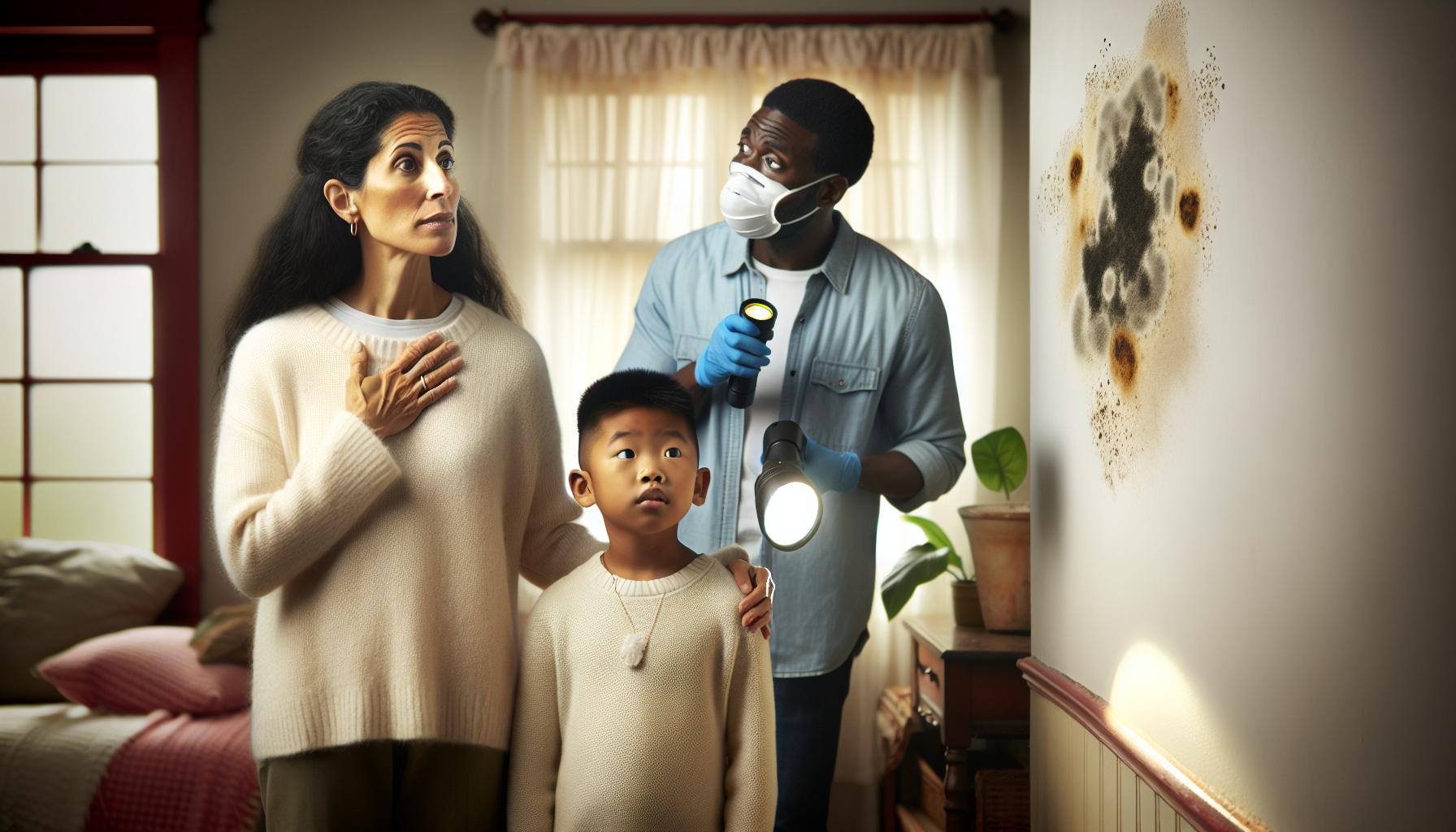
The Connection Between Mold and Respiratory Issues
Living in environments that foster mold growth can trigger a variety of concerning health issues, especially related to respiratory function. Mold thrives in damp, poorly ventilated areas, often found in low-income housing where upkeep may be inadequate. Exposure to mold spores can lead to respiratory problems, triggering asthma attacks, exacerbating allergies, and contributing to chronic conditions such as bronchitis. Individuals with pre-existing health issues or weakened immune systems are particularly vulnerable, facing heightened risks when exposed to mold-laden air.
A particularly alarming aspect is the prevalence of mold in homes where moisture accumulates due to leaks, floods, or inadequate drainage. For many, the prospect of addressing these issues can feel overwhelming, especially for families facing financial constraints. However, understanding that mold is not just a nuisance but a genuine health hazard can inspire proactive measures. Simple prevention tactics can be employed to reduce and control moisture levels inside the home. Regularly checking for leaks, using dehumidifiers, and ensuring proper ventilation can significantly mitigate the risk of mold growth.
To further safeguard health in such environments, it’s essential to identify symptoms linked to mold exposure early on. These may include chronic coughing, sneezing, nasal congestion, or irritation in the eyes and throat. If you or your loved ones start experiencing these symptoms, consider taking action – whether that means investigating potential mold sources in your home or seeking medical advice to address health concerns. Community health resources may also provide support for mold remediation efforts, offering the guidance needed to create safer living conditions.
Finally, tackling mold also opens an avenue for empowerment. By taking charge of your living space and making small, manageable changes, you can cultivate a healthier home environment. Engaging with your community, seeking out local resources, and educating yourself about the potential hazards of mold are all essential steps toward resilience, ultimately leading to improved health outcomes for you and your family. Remember, it’s not just about combating mold-it’s about fostering a space where well-being can thrive.
Understanding the Health Effects of Overcrowding
Living in tightly packed quarters can have a profound impact on both physical and mental well-being. Overcrowding in homes not only creates a discomforting physical space but also enhances the risk of disease transmission, mental health challenges, and overall stress levels. When multiple individuals share limited space, the potential for conflict and strain on personal relationships increases, leading to heightened anxiety and emotional distress.
The health implications of crowded living conditions are especially significant for families with children and elderly members. According to research, increased household density can lead to a greater likelihood of infectious diseases due to close contact. Poor sanitation and ventilation, common in overcrowded conditions, can exacerbate these risks. It’s essential to consider not only the physical health risks but also the emotional toll that such environments can inflict. Creating personal space, even in small areas, becomes crucial for maintaining mental clarity and peace. This can be as simple as designating quiet corners for reading or relaxation.
Effective management strategies can help mitigate the negative effects of overcrowding. Here are some practical steps to consider:
- Maximize Space: Use furniture that doubles as storage to reduce clutter and create more room.
- Establish Routines: Develop a family schedule that allows for individual activities and downtime.
- Encourage Communication: Foster open discussions among family members to address stressors and resolve conflicts.
- Utilize Outdoor Spaces: If available, make use of parks or community areas to provide a breather from the confines of home.
By taking proactive steps to manage their environments, families can not only alleviate some of the pressures of overcrowding but also foster a supportive atmosphere that encourages personal growth and resilience. Remember, every little effort towards enhancing your living situation can contribute significantly to your health and happiness. Whether through creative space management, fostering strong family bonds, or seeking support from community resources, it’s possible to find a path to a healthier, more fulfilling life even in challenging circumstances.
Lead Exposure: A Silent Hazard in Deteriorating Homes
The tragic reality is that many families unwittingly expose themselves to lead-a dangerous and often invisible hazard-in their own homes. Risk factors increase significantly in older properties, particularly those built prior to 1978 when lead-based paints were banned in the United States. Lead can chip off walls and become dust, making its way into the air and eventually into the bodies of unsuspecting residents, especially young children who are most sensitive to its effects. The consequences of lead exposure can be dire, ranging from developmental delays in children to severe health problems for adults, including cardiovascular issues and reproductive problems.
To safeguard your family from lead exposure, it’s crucial to take proactive steps. Start by having your home tested for lead, particularly if it was constructed before 1978. Many local health departments offer free or low-cost testing programs. If lead is detected, consider hiring certified professionals for safe removal or encapsulation of lead sources. Additionally, you can implement some simple practices to minimize lead dust in your home:
- Regular Cleaning: Use a damp cloth to wipe surfaces and vacuum frequently with a HEPA filter to capture lead dust.
- Keep Children Safe: Ensure that children wash their hands frequently, especially before meals, and avoid playing in areas where paint is chipping.
- Safe Renovation: If you’re planning renovations, hire contractors who are trained in lead-safe work practices to avoid disturbing lead-based materials.
Being informed and vigilant can make all the difference. In conjunction with lead risk assessments, consider advocating for community resources that support lead abatement programs. Joining forces with local organizations can amplify your voice, leading to policy changes that provide safer living conditions for everyone. Your health and well-being matter, and taking these measures not only protects your family but also contributes to the broader goal of improving housing safety in your community. By empowering yourself with knowledge and action, you can create a nurturing environment that fosters both physical health and mental resilience.
The Role of Unsafe Heating Sources on Health
In homes where heating systems are outdated or improperly maintained, the risk of serious health hazards significantly increases, particularly during the colder months. Many families relying on unregulated heating sources like space heaters, gas stoves, or even fire pits may unknowingly expose themselves to toxic gases, such as carbon monoxide, which can have deadly consequences. Moreover, relying on these alternative heating methods often leads to poor air quality, exacerbating respiratory problems and other health conditions.
Utilizing unsafe heating sources can lead to a slew of health issues, primarily stemming from carbon monoxide poisoning. This colorless and odorless gas can build up in poorly ventilated areas, leading to symptoms such as headaches, dizziness, confusion, and in severe cases, even death. A practical step to mitigate this risk involves ensuring that homes equipped with gas appliances have functioning carbon monoxide detectors installed in key areas such as bedrooms and hallways. Regular maintenance of heating systems and appliances is vital in preventing leaks and ensuring they operate safely.
Another consideration is the risk of fires when using unsafe heating methods. Improperly used space heaters can easily ignite flammable materials nearby, while open flames from unregulated sources pose an obvious fire hazard. To enhance safety, it is crucial to maintain a three-foot clearance around any heating source and to never leave them unattended. Families should also develop a fire safety plan that includes multiple escape routes and regularly check smoke detectors to foster a safe living environment.
A budget-conscious solution for families struggling with inadequate heating involves seeking assistance from local housing organizations or utility companies that may offer programs for low-income residents. These programs might assist in upgrading heating systems or provide vouchers for safe heating alternatives. By promoting awareness and creating proactive measures, individuals can significantly improve their living conditions, leading to healthier environments and ultimately fostering better overall wellbeing.
Mental Health Consequences of Inadequate Housing
Living in inadequate housing can take a significant toll on mental health, often leading to feelings of anxiety, depression, and social isolation. The environment we call home should be a sanctuary, yet for many, it becomes a source of stress and instability. Poor housing conditions-such as overcrowding, lack of maintenance, or unsafe neighborhoods-create an atmosphere of uncertainty that can contribute to chronic stress and exacerbate mental health issues.
Impact of Environmental Stressors
Inadequate housing often means exposure to environmental stressors-noisy neighbors, insufficient lighting, or even feeling unsafe at home. Such conditions can activate our stress response, resulting in a cycle where individuals experience persistent worry and anxiety about their living situation. As stability decreases, so does the ability to focus on personal aspirations or maintain healthy relationships. The sense of being trapped in unfavorable housing can lead to depressive symptoms, compelling residents to feel hopeless about their circumstances.
To counteract these impacts, it’s essential to foster a supportive community. Building connections with neighbors or community resources can provide emotional support and shared experiences that create resilience. Organizations often offer resources such as counseling services or community events, which can bolster social ties and reduce feelings of isolation.
Practical Tips for Improving Mental Health
Here are some actionable steps to enhance mental well-being amid challenging housing situations:
- Create a Safe Space: Personalize your living area, no matter how small, to make it feel like your own sanctuary. Simple changes like comforting decorations or maintaining cleanliness can uplift your mood.
- Establish Routines: Consistent daily routines can provide structure and predictability, helping alleviate feelings of chaos.
- Engage in Community Activities: Look for local groups or resources focused on mutual support; this can foster connection and reduce feelings of isolation.
- Practice Stress-Relief Techniques: Mindfulness, meditation, or even engaged hobbies can provide necessary mental breaks and promote overall emotional health.
By acknowledging the and taking steps toward community engagement and personal routine-building, individuals can better navigate their circumstances. Remember that mental health and housing stability are interconnected; seeking support and fostering resilience is key to thriving, regardless of living conditions.
Identifying Symptoms of Poor Housing Conditions
Living in subpar housing can manifest a variety of symptoms that impact both physical and mental health, often in ways that are overlooked until they escalate. Recognizing the signs of poor housing conditions is crucial for anyone looking to protect their well-being. Symptoms might include persistent respiratory issues, such as coughing or wheezing, which can often indicate problems with ventilation or the presence of allergens like mold. Inadequate heating or cooling can lead to discomfort, affecting mood and overall health, particularly for those with pre-existing conditions.
Another significant indicator is the state of repair in the living environment. Cracks in walls, damp patches, or unreliable plumbing services might not just be inconvenient; they can signify deeper structural problems that pose safety hazards. It’s important to assess whether these factors lead to unwanted drafts or poor temperature regulation, further impacting health. Additionally, overcrowding can result in increased stress levels; if the space is too cramped, personal boundaries are compromised, leading to anxiety or irritability.
Also crucial is the mental aspect of poor housing conditions. If feelings of stress or anxiety about your living situation are becoming overwhelming, this may be a symptom of inadequate housing. Social isolation can be exacerbated by unsafe or poorly maintained neighborhoods where individuals feel disconnected from their community. Staying aware of these signs can empower individuals to seek changes or resources to improve their living situation.
Taking proactive steps can lead to significant improvements. Regularly inspecting your home for signs of deterioration and addressing issues promptly is valuable. Additionally, seeking community resources or local advocacy programs can provide support and guidance for improving housing stability. Remember, living well doesn’t have to depend on financial status; making small, smart changes can create a healthier and more supportive environment conducive to both mental and physical health.
Low Income and Increased Health Disparities
Living in financially constrained conditions can deeply influence health and well-being, creating a cycle of increased disparities. Low-income households often reside in poorly maintained housing, which can directly contribute to chronic health issues, including respiratory diseases, mental health disorders, and overall diminished quality of life. This reality illustrates the profound connection between socio-economic status and health outcomes, highlighting a fundamental challenge that must be addressed.
- Health outcomes impacted by housing quality: Poor housing conditions, such as the presence of mold or lead, can exacerbate existing health issues and contribute to new ones. Families living in inadequate housing are frequently exposed to hazardous elements due to deteriorating infrastructure.
- Access to healthcare: Low-income individuals often face barriers to accessing healthcare services, which can prevent timely treatment of health issues linked to their living conditions. This lack of access exacerbates health disparities, making it harder for families to seek necessary medical attention.
- Stress and mental health: The stress of financial instability and unsafe living environments can take a toll on mental health. Conditions such as anxiety and depression are more prevalent among individuals in low-income households, further hindering their ability to seek better housing or health solutions.
Considering these realities, it becomes crucial to explore creative solutions and resources that can help break this cycle. For instance, local government programs and nonprofit organizations often provide assistance for low-income families, offering resources such as housing rehabilitation grants or affordable rental options. Additionally, community initiatives aimed at improving public infrastructure can foster environments that support health and well-being.
By forging connections between low-income families and available resources, we can cultivate resilience and foster an environment where health disparities are addressed effectively. Each step taken toward advocating for better housing solutions or leveraging community resources can significantly improve the lives of those affected. Remember, empowerment comes from awareness and action; small changes in advocacy or accessing available resources can lead to a healthier future for many families.
Preventive Measures for Healthier Living Spaces
Creating a healthier living environment is not just an aspiration; it’s an essential step toward enhancing your well-being. Small changes can lead to significant improvements in the quality of your home and, consequently, your health. By focusing on preventive measures, individuals and families can foster safer living spaces that mitigate health risks linked to poor housing conditions.
First and foremost, improving ventilation is critical. Open windows and doors regularly to promote air circulation, which helps reduce moisture and indoor air pollutants. Using exhaust fans in kitchens and bathrooms can further aid in maintaining air quality. For those on a tight budget, simply utilizing fans can circulate air and decrease humidity levels. Additionally, consider investing in houseplants like peace lilies or spider plants, which naturally purify the air.
Next, countertop cleanliness plays an essential role in preventing mold growth and pest infestations. Regularly clean surfaces with non-toxic cleaners, and pay close attention to areas that may collect moisture, such as sinks and bathrooms. Employing simple mold-resistant practices, such as wiping down surfaces after use and ensuring that your home is adequately heated and dry, can vastly reduce the likelihood of mold growth.
Another crucial preventive measure is regular home maintenance. Many health hazards can be mitigated through routine checks. Inspect for leaks, peeling paint, or damaged structures that may contain lead, particularly in homes built before 1978. If you are unsure about how to conduct these inspections, local community programs often provide free or low-cost home safety assessments. Addressing issues early can prevent them from developing into larger, more costly problems that could further jeopardize your health.
Finally, foster community connections that emphasize safe living environments. Joining community groups focused on housing advocacy can provide access to valuable resources, including workshops on home safety, financial advice for home repairs, and even grants for those needing assistance with home improvements. By sharing knowledge and support, neighbors can reinforce the importance of healthy living spaces, ultimately leading to a community-wide enhancement of health and well-being.
Investing in these preventive measures creates a ripple effect that positively impacts not just individual health but also strengthens community ties, promotes resilience, and paves the way for a brighter future. Embrace these changes, and watch both your living space and overall well-being transform.
Community Resources for Safe Housing Solutions
Accessing community resources can significantly improve your housing situation and, by extension, your health. Many neighborhoods are home to organizations dedicated to assisting families with safe housing solutions, enabling individuals to address issues like poor ventilation, overcrowding, and maintenance needs.
One effective way to find help is by connecting with local non-profits and housing advocacy groups. These organizations often provide essential services such as home safety assessments, financial counseling for repairs, and workshops on maintaining a healthy environment. Many also offer grants or low-interest loans specifically designed to aid with housing-related ventures, such as installing air filtration systems or conducting necessary renovations. For example, community programs may also facilitate connections with local tradespeople who offer discounted services to low-income families, ensuring that issues like mold and lead are properly addressed.
Another valuable resource is government-sponsored programs aimed at ensuring safe housing for all citizens. Look for local housing authorities or federally funded initiatives like HUD (Housing and Urban Development) that may provide financial assistance, rental subsidies, and home repair grants. These programs can empower families to enhance their living conditions without the burden of overwhelming debt.
Additionally, engaging with neighborhood associations can foster collaborative efforts among residents to advocate for better living environments. Through community meetings and workshops, residents can share knowledge, collectively address housing concerns, and develop action plans that promote safer housing conditions. Such connectivity not only enriches your living environment but also helps build a supportive network that spans financial advice, local resources, and emotional well-being. Embracing these community-driven solutions allows individuals and families to thrive, fostering resilience and improving overall health.
Advocacy and Policy Changes for Better Housing
Advocating for improved housing conditions is vital for fostering healthier communities and addressing the hidden dangers associated with poor living environments. Many citizens are unaware that policy changes can significantly influence the quality of housing and, consequently, public health. By pushing for reforms at local, state, and national levels, individuals can contribute to creating sustainable living conditions that promote well-being for everyone, especially vulnerable populations.
One effective strategy is to engage with local government representatives and participate in town hall meetings, where housing issues are often discussed. Sharing personal experiences and advocating for specific changes-such as better regulations on rental properties or increased funding for public housing-can amplify community voices. By collectively addressing issues like mold, lead exposure, and inadequate ventilation, residents can create pressure for policies that prioritize health and safety. Building coalitions with local advocacy groups can further enhance these efforts, ensuring that a broader range of needs and perspectives is represented.
Moreover, it’s essential to educate communities on existing laws and regulations designed to protect tenants. Knowledge about tenants’ rights can empower individuals to demand necessary repairs and maintenance. For instance, understanding the legal obligations of landlords regarding habitability conditions can lead to stronger demands for timely interventions. Community workshops focused on these topics can galvanize collective action and promote grassroots movements aimed at improving housing standards.
Key Areas for Advocacy:
- Funding for Affordable Housing: Advocate for increased appropriations for low-income housing initiatives and community development programs.
- Health and Safety Regulations: Push for stricter enforcement of existing laws related to housing quality and advocate for new legislation where gaps exist.
- Community Engagement: Foster neighborhood associations that work together to address housing concerns effectively, creating a united front that can engage policymakers more compellingly.
Real change requires involvement and perseverance. By staying informed, connected, and persistent, individuals can drive impactful policy changes, transforming their communities into healthier and more vibrant spaces. Empowering citizens through education and engagement can not only improve individual health outcomes but also foster a collective community spirit that thrives on resilience and collaboration.
Frequently asked questions
Q: What are the immediate health effects of living in poor housing?
A: Living in poor housing can lead to immediate health effects such as respiratory issues due to mold, increased allergies, and exacerbated asthma symptoms. Ensuring proper ventilation and moisture control can mitigate these risks. For more prevention strategies, refer to the section on preventive measures in the main article.
Q: How does overcrowding in homes affect health?
A: Overcrowding can lead to heightened stress levels, increased transmission of infectious diseases, and reduced mental well-being. It can also exacerbate existing health conditions. Strategies for reducing overcrowding include finding communal resources or advocacy for community housing initiatives detailed in the article.
Q: What long-term health risks are associated with inadequate heating?
A: Inadequate heating can increase the risk of respiratory illnesses and cardiovascular problems, particularly in vulnerable populations like the elderly. To improve heating safety, consider safe heating alternatives and regular maintenance checks, as discussed in the main article.
Q: Why is lead exposure considered a hidden danger in poor housing?
A: Lead exposure is a significant hidden danger in older homes due to deteriorating paint and plumbing. It can lead to serious neurological impairments, especially in children. Homeowners should conduct lead tests and address identified hazards, emphasizing prevention methods mentioned in the article.
Q: How can poor housing conditions impact mental health?
A: Poor housing conditions can significantly affect mental health, leading to anxiety, depression, and stress due to instability and environmental factors. Addressing housing concerns is crucial; for more resources, refer to the section on community resources in the article.
Q: What practical steps can families take to improve their housing conditions?
A: Families can improve their housing conditions by reporting issues to landlords, seeking community assistance programs, or learning DIY repairs for minor issues. Identifying symptoms of poor housing is a key focus area outlined in the article.
Q: Can poor housing conditions affect children’s health?
A: Yes, children are particularly vulnerable to health risks associated with poor housing, such as developmental delays and respiratory problems. Ensuring a safe living environment is critical for their health; tips for preventive measures are elaborated in the main article.
Q: What resources are available for individuals living in unsafe housing conditions?
A: Various community resources exist for individuals in unsafe housing, including local housing authorities, non-profits, and legal aid. Advocacy for safer housing policies is vital, as highlighted in the article’s advocacy section.
Future Outlook
Understanding the hidden dangers of poor housing is just the first step towards safeguarding your health and well-being. By addressing these issues promptly, you not only improve your living conditions but also enhance your quality of life. If you found our discussion insightful, explore our related articles on affordable housing solutions and budgeting for better living arrangements.
Don’t let inadequate housing hold you back-take action today. Consider reaching out to local housing resources or seeking financial advice to make informed choices for you and your family. We invite you to join our community by signing up for our newsletter, where we share valuable tips on living well within your budget, and check out our guides on smart homeownership and debt-free living.
Your health matters, and with the right information and resources, you can create a safe, thriving environment for yourself and your loved ones. Engage with us in the comments below or share your thoughts on social media! Together, we can build a future of well-being and resilience.