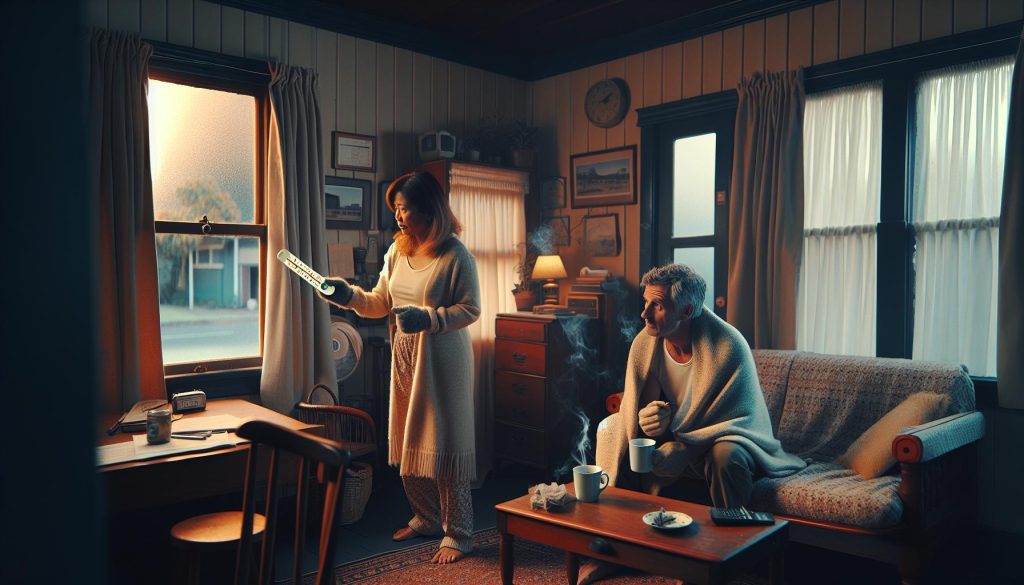
Did you know that despite being a country known for its beautiful landscapes and climate, many Australian homes struggle with insulation? Poor insulation in Australian houses not only leads to uncomfortable living conditions but also drives up energy bills, a concern for families and individuals alike. Understanding the reasons behind inadequate insulation can empower homeowners to make informed decisions that improve comfort and reduce costs. As you explore the reasons for this issue, you’ll discover how addressing insulation shortcomings can enhance your home’s efficiency, contribute to a healthier living environment, and help you save money over time. With the right insights, you can transform your living space into a well-insulated haven, effectively balancing comfort and affordability while navigating the challenges of homeownership. Let’s delve into the reality of insulation in Australian homes and uncover practical solutions that promote financial security and well-being.
Understanding the Insulation Crisis in Australia
While many Australians enjoy a sunny climate, the country faces a significant insulation crisis that leaves many homes inadequately protected against temperature extremes. This situation is not just about comfort; it affects energy bills and overall living quality. A survey conducted by the Australian government revealed that over 70% of homes lack sufficient insulation, which can lead to excessive heat loss in winter and heat gain in summer. Such deficiencies are contributing factors to skyrocketing energy costs, as homeowners turn up heaters or air conditioners to maintain comfortable indoor temperatures.
One of the critical aspects of this crisis is the wide variability in building standards and practices across the country. Australia’s diverse climate zones demand tailored insulation solutions, yet there is often a one-size-fits-all approach in both new constructions and renovations. Many older homes were built with minimal consideration for energy efficiency, prioritizing aesthetics or initial costs over long-term savings. As a result, homeowners are left with homes that do not perform well thermally, leading to frustration and financial strain.
Adding to the crisis is a lack of awareness among homeowners about energy efficiency and the importance of proper insulation. There is often confusion regarding the types of materials available and how they can significantly affect monthly utility bills. For instance, understanding thermal resistance values (R-values) can empower homeowners to make informed decisions about upgrades. With increasing energy prices and a growing emphasis on sustainability, addressing this insulation crisis becomes not only an environmental imperative but also a pathway to greater financial resilience.
In engaging with this issue, it is vital to recognize that solutions exist, and homeowners can take proactive steps. From consulting with insulation specialists to exploring government rebates for insulation improvements, there are numerous avenues to enhance home comfort and efficiency. By fostering a culture of awareness and action around insulation, Australia can move towards a more energy-efficient future that benefits both households and the environment.
Common Myths About Australian Home Insulation
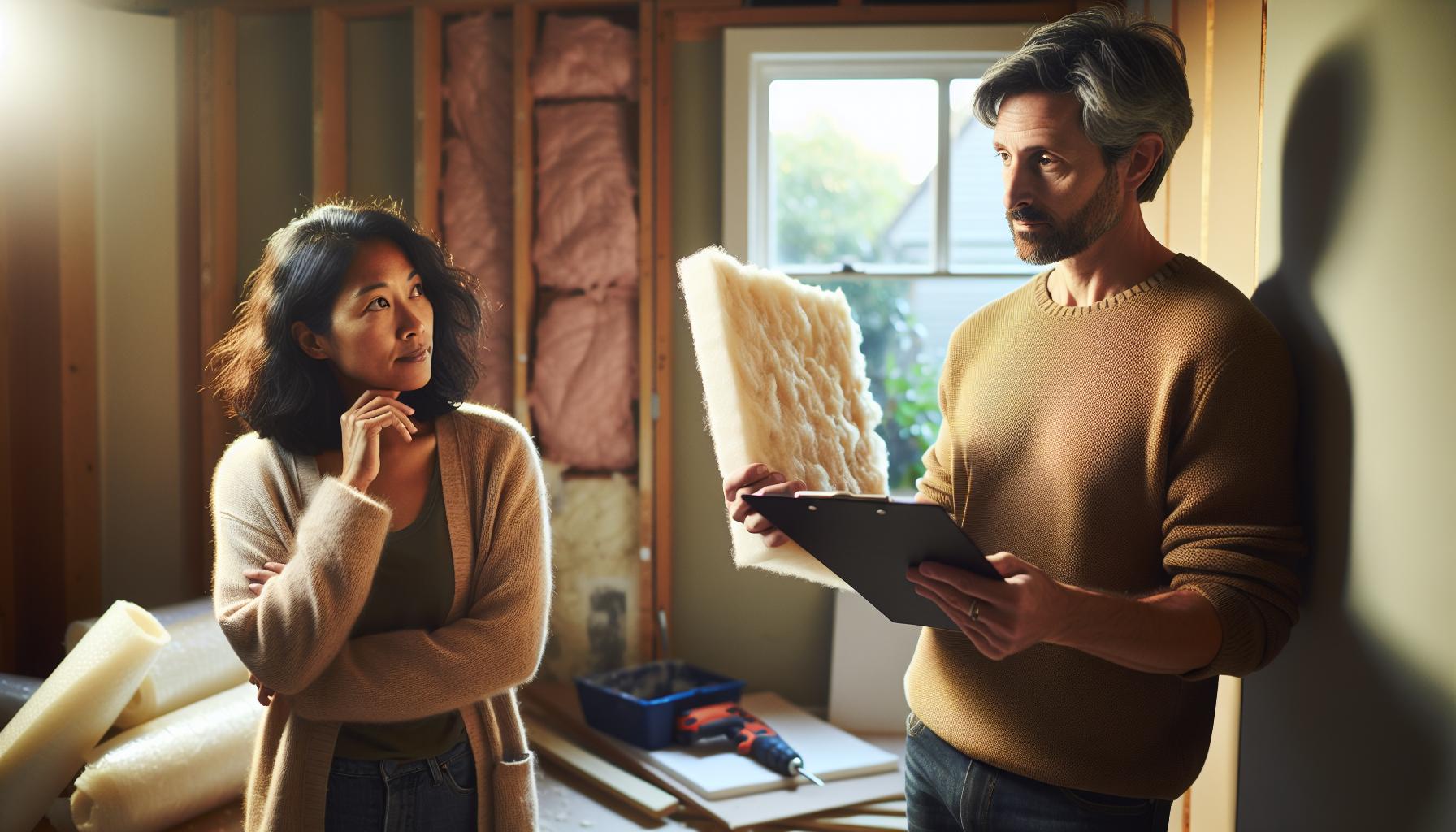
Many homeowners in Australia are unaware of the pervasive myths surrounding home insulation, which contribute to widespread inefficiencies and discomfort. One common misconception is that all insulation types are the same. In reality, insulation materials vary significantly in their thermal resistance, or R-values, which determine how effectively they can keep homes warm in winter and cool in summer. Using low-quality materials may seem like a cost-effective choice initially, but it can lead to higher energy bills and an uncomfortable living environment over time.
Another prevalent myth is the belief that new homes are automatically well-insulated. While building codes have improved in recent years, many newly constructed houses still utilize inadequate insulation due to cost-cutting measures or a lack of understanding about best practices. Homebuyers often assume that new constructions are built to the highest standards, but without proper monitoring, shortcuts can lead to insufficient insulation being installed.
Furthermore, many individuals think they only need insulation in colder climates; however, insulation plays a critical role in both hot and cold weather. In regions with significant temperature fluctuations, effective insulation can mitigate heat gain during scorching summers and prevent heat loss in chilly winters. Ignoring this essential layer can lead to excessive reliance on heating and cooling systems, driving up energy costs dramatically.
Lastly, there’s a belief that insulating a home is a one-time solution. Continuous advancements in insulation technology mean that older materials can often be replaced with more effective options. Homeowners should regularly assess their insulation and consider upgrades or retrofitting, especially if their homes were built over a decade ago. Estimated savings on energy bills could be substantial-sometimes amounting to hundreds of dollars yearly-making insulation upgrades a worthwhile investment both financially and environmentally. By debunking these myths and embracing improved insulation strategies, homeowners can enhance their comfort, reduce energy costs, and contribute to a more sustainable future.
The Science Behind Home Insulation Efficiency
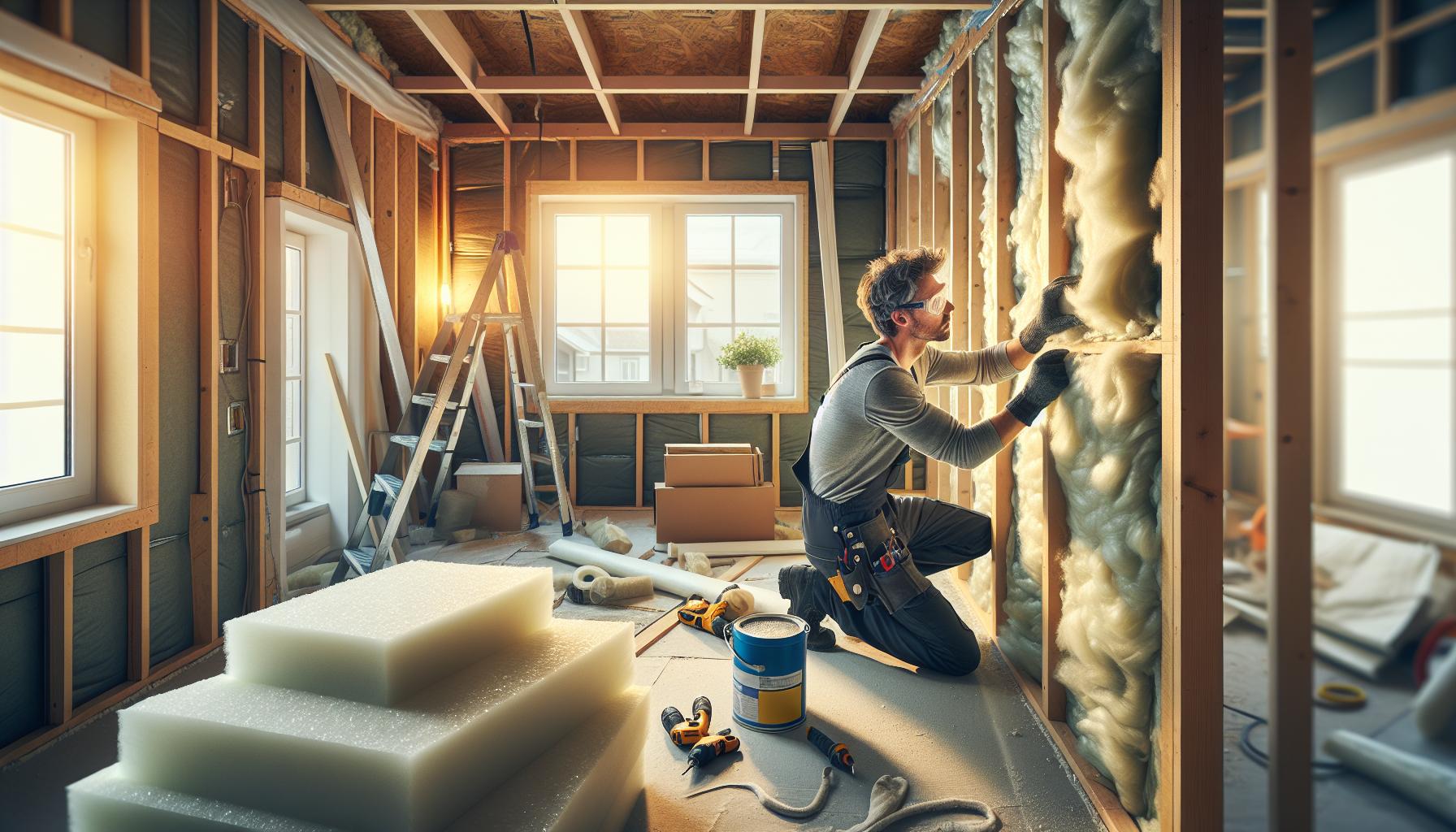
In Australia, where seasonal temperature extremes can be a common experience, the efficiency of home insulation is critical for maintaining comfort and reducing energy costs. Proper insulation works by creating a barrier that slows down the transfer of heat, which means homes remain cooler in the summer and warmer in the winter. Understanding the science behind this process illuminates why many Australian homes struggle with insulation efficiency – often rooted in outdated materials and construction practices.
The effectiveness of insulation is measured by its thermal resistance, known as the R-value. Higher R-values indicate better insulation performance. For example, adding layers of insulation in attics significantly improves energy efficiency. In contrast, low-quality insulating materials may result in rapid heat loss or gain, undermining energy savings. Homeowners should consider multiple types of insulation materials, such as fiberglass, cellulose, or spray foam, each with unique properties suited for various applications within a home.
Furthermore, the distribution of insulation throughout the home plays a vital role. Many older homes in Australia may still have inadequate wall insulation, despite having some insulation in attics. Addressing these gaps can enhance overall efficiency substantially. Regular assessments and potential retrofitting of insulation are essential, particularly in homes built before current standards were established. With advancements in insulation technology, replacing older materials with more effective options can yield significant long-term savings.
Investing in proper insulation is not just about immediate comfort; it also has profound implications for sustainability. Efficient insulation results in reduced reliance on heating and cooling systems, leading to lower energy consumption and smaller carbon footprints. Homeowners are encouraged to embrace innovative solutions and regularly update their homes, transforming both living environments and financial outcomes over time. By making informed choices about insulation, Australians can foster greater efficiency, substantial energy savings, and a more comfortable home irrespective of the climate challenges they face.
Government Regulations and Building Standards
In Australian housing, play a crucial role in determining the quality and efficiency of home insulation. Unfortunately, many existing homes were constructed before these standards were firmly established or were built using materials that do not meet current efficiency benchmarks. As the climate becomes increasingly unpredictable, understanding these regulations is essential for homeowners and prospective buyers looking to make informed decisions about insulation improvements.
Australia’s building codes are primarily governed by the National Construction Code (NCC), which sets out minimum requirements for health, safety, and sustainability in the building industry. Recent revisions have recognized the importance of energy efficiency and have introduced specific insulation standards aimed at improving building performance. For instance, the NCC outlines requirements for thermal performance based on climate zones, considering factors like local weather conditions and energy efficiency ratings. Homeowners should familiarize themselves with these regulations, as compliance can not only enhance comfort but also increase property value and reduce energy bills.
It’s important to note that many older homes, especially those built prior to the 2000s, may not meet these enhancing standards due to a lack of mandatory insulation representation at the time of their construction. Homeowners in these situations should consider retrofitting their homes with current insulation materials that align with NCC guidelines. This process may involve structural alterations or adding insulation in key areas, such as walls, roofs, and floors. Engaging a qualified builder or insulation specialist can significantly aid in navigating this process, ensuring that any modifications comply with local regulations while maximizing energy efficiency.
In addition, various state and territory governments provide incentives and grants aimed at improving residential insulation and encouraging compliance with modern building standards. Homeowners can explore these options to support their energy efficiency improvements. Leveraging these practical resources can ease the financial burden while leading to long-term energy savings and increased comfort in the home. Awareness and utilization of government regulations not only empower homeowners but also pave the way for a more sustainable future in Australian housing.
Comparison of Insulation Practices Globally
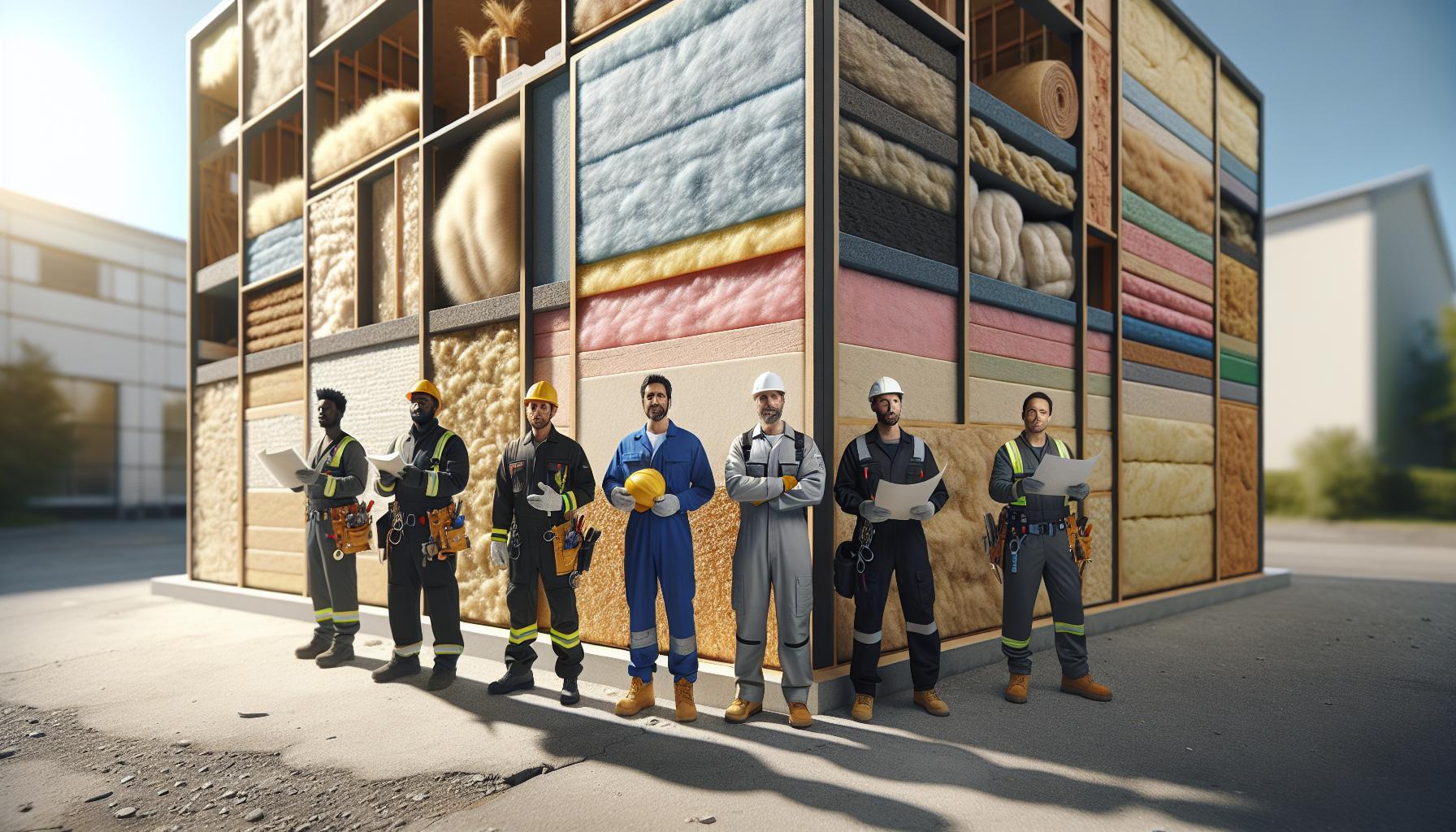
Across the globe, insulation practices vary widely, shaped by local climates, building codes, and cultural attitudes toward energy efficiency. In countries like Norway and Sweden, stringent regulations and a long-standing tradition of energy-conscious building mean that homes often feature high-performance insulation materials and advanced techniques. These countries benefit from not only efficient insulation but also government incentives encouraging homeowners to adopt sustainable practices. Meanwhile, in the United States, insulation standards can differ significantly from state to state, depending on local climates and individual regulations, which leads to a patchwork of insulation quality and energy efficiency across the nation.
In contrast, many Australian homes, particularly older builds, are structured without adequate insulation or in compliance with modern standards. While newer constructions are increasingly meeting the National Construction Code requirements, the legacy of poorly insulated homes remains a pressing issue. For instance, homes in warmer regions, such as Queensland, often lack sufficient insulation to combat not just the heat but also the humidity, leading to uncomfortable living conditions and high energy costs. This situation is exacerbated by an underappreciation for the role of insulation in enhancing overall energy efficiency.
To put this into perspective, let’s compare different insulation materials and methods used around the world.
| Country | Common Insulation Materials | Regulatory Framework | Energy Efficiency Focus |
|---|---|---|---|
| Norway | Mineral wool, cellulose | Strict national codes | High performance in extreme cold |
| Germany | Polystyrene, rock wool | Mandatory energy performance standards | Emphasis on sustainability |
| USA | Fiberglass, foam board | Variable state-level codes | Energy-efficient retrofitting focused |
| Australia | Blanket insulation, spray foam | National Construction Code | Improving standards but lagging in older homes |
The significant difference in insulation practices reflects not just regulatory environments but also varying degrees of public awareness about energy efficiency. Countries with established insulation practices advance with the notion that proper insulation is a foundational element of sustainability. Australians, in contrast, may need to shift their perspective, viewing insulation not merely as an additional expense but as a vital investment that enhances comfort, reduces energy bills, and contributes to environmental sustainability. Through education, awareness campaigns, and financial incentive programs, there is a notable opportunity for Australia to catch up to its global counterparts in insulation efficiency, ultimately transforming its housing landscape.
The Impact of Climate on Insulation Needs
Australia’s diverse climate presents unique challenges and opportunities when it comes to home insulation. From the tropical heat of the northern regions to the temperate zones in the south, the demands placed on insulation systems vary dramatically. This variance highlights the need for tailored insulation solutions that not only address the extreme temperatures but also the specific humidity levels that can plague certain areas, particularly in Queensland and the Northern Territory.
One crucial aspect of insulation’s role is its ability to enhance indoor comfort while reducing energy demands. In areas like Sydney and Melbourne, where temperatures can swing from chilly winters to sizzling summers, effective insulation helps regulate temperature fluctuations, making homes not only more comfortable but also reducing the reliance on heating and cooling systems. This can significantly lower energy costs – a critical consideration for budget-conscious homeowners. Investing in appropriate insulation systems, such as high-performing batts or reflective foils, can offer immediate relief from high energy bills.
Conversely, areas with milder climates may still suffer from under-insulation because homes were often built with the least consideration for energy efficiency. In these cases, educating homeowners about the importance of adequate insulation can be pivotal. Many still operate under the misconception that insulation is only necessary in extreme climates. Changing this mindset is essential; homeowners should understand that effective insulation is vital in enhancing energy efficiency and comfort, regardless of local weather conditions.
Furthermore, the impact of climate change cannot be ignored. As weather patterns shift, regions previously considered temperate may experience more extreme conditions, making old insulating techniques obsolete. Residents are encouraged to stay informed about modern insulation technologies, such as spray foam or insulated concrete forms, which provide superior thermal performance. By proactively adapting their homes to meet these evolving climate demands, Australians can not only enhance their personal comfort but also contribute to broader energy conservation efforts.
In summary, understanding the relationship between climate and insulation needs is crucial for all Australian homeowners. Tailoring insulation strategies not only ensures a healthier home environment but also promotes energy savings and environmental sustainability – a win-win for both households and the planet.
Costs and Benefits of Better Insulation
Investing in better insulation can transform a home from a drab energy guzzler into a bastion of comfort and efficiency, making it a financially savvy choice for many Australian homeowners. Not only does effective insulation help maintain ideal indoor temperatures, but it can also lead to significant savings on energy bills. In fact, studies suggest that properly insulated homes can reduce heating and cooling costs by 20% to 50%. This improvement not only eases financial burdens but also contributes to environmental sustainability by reducing overall energy consumption.
- Immediate Energy Savings: By upgrading insulation, homeowners often see immediate reductions in energy bills. For those living in regions with wide temperature fluctuations, such as Melbourne or Sydney, this can equate to hundreds of dollars saved each year.
- Increased Home Value: Better insulation enhances property value by making homes more appealing to potential buyers. Energy efficiency has become a desirable feature, and homes with superior insulation are often more marketable.
- Improved Indoor Comfort: Proper insulation serves as a buffer against external temperature extremes. Comfortable living conditions promote well-being, making homes a refuge from the elements.
- Long-Term Durability: Quality insulation materials can also protect against moisture, which can lead to mold and structural issues over time. Preventing such problems reduces the need for costly repairs down the line.
While the upfront costs for upgrading insulation can seem significant, many homeowners find that the long-term benefits far outweigh these initial investments. Options like spray foam or blown-in fiber materials may carry higher price points than traditional batts, but they offer stronger thermal performance and enhanced energy savings over time. Moreover, government incentives and programs aimed at improving energy efficiency may also help offset costs, making insulation upgrades even more accessible.
To take full advantage of these benefits, homeowners should conduct regular assessments of their insulation needs and consider consulting with insulation specialists. They can diagnose existing issues and recommend tailored solutions to optimize energy efficiency. As climate patterns shift and energy costs continue to rise, investing in proper insulation is more critical than ever for building a sustainable and cost-effective future.
Homeowner Tips for Improving Existing Insulation
Improving the insulation in your home can transform it into a more efficient and comfortable living space while also helping you save money on energy bills. Many Australian houses suffer from inadequate insulation, but homeowners can take steps to enhance their existing setups without breaking the bank. Here are some practical tips to help you bolster the thermal performance of your home.
Start with a thorough inspection of your current insulation. Check areas such as the attic, walls, and crawl spaces for gaps or deterioration. Look for signs of wear, such as moisture damage, drafts, or inconsistent temperatures between rooms. Understanding where your home’s insulation is lacking enables you to prioritize areas that need immediate attention.
Next, consider adding insulation where needed. If your attic is under-insulated, you could add a layer of batts or blow-in insulation to achieve the recommended R-value for your climate. For walls, if they are not insulated, you might explore options like foam board or blown-in cellulose. These materials provide excellent thermal resistance and can be a cost-effective solution to diminishing heat loss.
Another effective method is to seal air leaks. Use caulk or weatherstripping on windows, doors, and any vents that may allow cold air in or warm air out. Simple changes like this can significantly reduce your heating and cooling expenses. In addition, consider installing door sweeps to prevent drafts from creeping under exterior doors.
Lastly, don’t underestimate the power of behavioral changes. Simple adjustments like closing curtains during the night can keep warmth in, while opening them during daylight hours can utilize natural sunlight to warm your home. Regularly maintaining your heating and cooling systems ensures they operate efficiently, which complements your insulation efforts.
By implementing these practical tips, you not only create a more comfortable living environment but also contribute to energy savings and sustainability. Investing a bit of time and care in improving your home’s insulation can yield substantial benefits for both your wallet and the environment.
Innovative Technologies for Home Insulation
Innovative advancements in insulation technologies are paving the way for more efficient and effective solutions tailored to the unique challenges faced by Australian homes. With rising energy costs and increasing awareness of environmental impacts, homeowners are turning to modern methods that not only enhance comfort but also lead to substantial savings.
One standout development is the use of aerogel insulation, often considered the world’s most efficient thermal insulator. Aerogels are lightweight and have an incredibly low thermal conductivity, making them perfect for homes where space is a concern. This technology is increasingly being utilized in retrofitting projects, allowing homeowners to improve their insulation without losing precious square footage.
Vacuum insulation panels (VIPs) are another revolutionary option. These panels offer superior thermal resistance by creating a vacuum between layers of insulation material. Although slightly more expensive, VIPs can provide significantly increased R-values compared to traditional materials. Their thin profile makes them ideal for walls and ceilings where space might be a limiting factor, ensuring that homes remain warm in winter and cool in summer without compromising interior design.
Innovative products like reflective foil insulation actively respond to temperature changes, making them suitable for various Australian climates. By reflecting radiant heat away from living spaces during the summer and keeping warmth inside during winter, these materials can enhance overall energy efficiency. When strategically combined with traditional insulation types, reflective foil can create a well-rounded insulation system that adapts to seasonal variations.
Lastly, smart insulation technologies that incorporate sensors to monitor indoor temperature and humidity are emerging trends. These systems can provide real-time data to homeowners, allowing them to make informed decisions about energy use. Such innovations help create a more responsive living environment, leading to further cost savings and increased comfort.
Investing in these innovative insulation technologies not only improves the energy efficiency of Australian homes but also contributes positively to the environment. By reducing excessive energy consumption, homeowners can play a vital role in sustainability efforts while enjoying the immediate benefits of a more comfortable home. Through these advancements, there is clear potential to transform how we approach home insulation, catering to both present needs and future challenges.
Environmental and Economic Implications of Poor Insulation
Poor insulation in Australian homes can lead to a cascade of environmental and economic challenges, affecting not just individual households but the entire community. The impact on energy consumption is profound; homes that lack adequate insulation require more heating in winter and cooling in summer, resulting in astronomical energy bills. A study has shown that well-insulated homes can save up to 50% on energy costs compared to those with subpar insulation. This is not merely a matter of convenience-it translates into significant financial stress for families trying to manage their budgets effectively.
The environmental implications are equally pressing. Increased energy use not only drives up costs but also contributes to higher greenhouse gas emissions. The electricity that fuels heating and cooling systems often comes from fossil fuels, intensifying the climate crisis. Poorly insulated homes are responsible for a substantial portion of household carbon footprints in urban areas. For instance, retrofitting homes with better insulation materials can reduce overall energy demand, thereby fostering a more sustainable environment and helping mitigate climate change impacts.
Moreover, the economic strain of poor insulation extends beyond individual bills. It can contribute to broader financial issues for local economies by escalating demand for energy resources and straining infrastructure. Communities could face rising utility costs and potential energy shortages, which can lead to increased poverty levels as families prioritize energy expenditures over other essentials like food and healthcare.
To counteract these challenges, homeowners can take proactive steps. Identifying and addressing insulation deficiencies through simple measures-like sealing gaps and upgrading to more efficient insulation materials-can be financially rewarding. Engaging in community initiatives focused on energy efficiency not only fosters resilience but nurtures an entrepreneurial spirit by creating opportunities for local businesses to provide insulation solutions. In the long run, investing in proper insulation is not just about immediate comfort; it’s a vital component of building a healthier planet and a more secure financial future for Australian families.
Future Trends in Australian Housing Insulation
As the urgency to combat climate change intensifies, the future of insulation in Australian homes looks promising yet transformative. Builders and homeowners are increasingly seeking eco-friendly solutions, leaning towards sustainable materials and innovative technologies that not only enhance comfort but also significantly reduce energy consumption. The shift toward adopting higher R-values (which indicate better insulation performance) is becoming a standard practice, aligning with the growing awareness about energy efficiency and sustainability.
Emerging Materials and Technologies
- Recycled Materials: Traditional insulation materials like fiberglass and foam are giving way to options made from recycled products, such as denim or cellulose from recycled paper. These materials not only provide excellent thermal resistance but also contribute to reducing landfill waste.
- Smart Insulation: The advent of smart home technology has given rise to advanced insulation systems that can adapt to changing environmental conditions. For instance, radiant barrier insulation can reflect heat away in summer, while smart sensors monitor temperature fluctuations, optimizing heating and cooling across the seasons.
- Phase Change Materials (PCMs): These innovative materials absorb or release heat as they change states, providing an added layer of temperature regulation that can enhance the comfort of a home without additional energy costs.
The emphasis on energy-efficient retrofits is also gaining momentum. Homeowners are encouraged to undertake renovations that prioritize superior insulation strategies-addressing issues like air leaks and inadequate sealing, which are often overlooked yet significantly impact energy bills and comfort levels. Programs promoting government grants or incentives for energy-efficient home upgrades are making it easier and more affordable for families to invest in better insulation.
Community and Regulatory Support
Local governments are increasingly recognizing the need to enforce stricter building codes that prioritize sustainable insulation practices. As regulations evolve, new homes are being built with integrated solar technology and high-performance insulation materials, setting a benchmark for energy-efficient living. This not only aligns with national goals for reduced greenhouse gas emissions but also fosters innovation within the construction industry.
In conclusion, the future is bright for Australian housing insulation, shaped by advancements that promise to foster environmental stewardship and economic resilience. Homeowners engaging in these trends not only improve their own living conditions and reduce energy costs but also contribute to a broader positive impact on the community and the environment. By choosing to invest in quality insulation solutions today, families can pave the way for a sustainable and secure future.
Expert Insights: Interviews With Insulation Specialists
In a recent series of interviews with insulation specialists across Australia, several key insights emerged regarding the alarming state of home insulation in the country. Surprisingly, many houses still lack adequate insulation-a fact that can be attributed not only to construction practices but also to insufficient public awareness about the importance of energy-efficient housing. One expert noted that while many homeowners recognize the need for comfortable living conditions, they often underestimate how much insulation contributes to energy efficiency. The mismatch between knowledge and action reveals a significant opportunity for outreach and education in the industry.
A prevalent theme discussed by several specialists centers around the socio-economic barriers that prevent homeowners from upgrading their insulation. Many families simply aren’t aware of the long-term savings associated with better insulation, which can significantly lower energy bills. By emphasizing affordable insulation solutions, such as government grants and DIY projects, specialists advocate for proactive measures that all homeowners can consider, regardless of budget constraints. As one expert put it, “Investing in insulation today can yield substantial financial relief tomorrow, setting families up for a more sustainable future.”
The interviews also highlighted innovative technologies shaping insulation practices. Experts emphasized that cutting-edge materials-like reflective insulation and phase change materials-offer not only enhanced performance but also provide flexibility for homeowners looking to improve comfort levels without large expenditures. Advice on leveraging these materials is often paired with practical tips on checking existing insulation conditions, promoting simple steps for improvement that can lead to better energy consumption.
In conclusion, the insights gained from industry specialists serve as a catalyst for positive change. By arming homeowners with knowledge and practical solutions, the goal is clear: transform the narrative around insulation in Australia from one of neglect to one of proactive engagement. As awareness grows and options diversify, families across the nation can stride toward energy efficiency, enhanced comfort, and ultimately, a more sustainable living environment.
Frequently asked questions
Q: Why do Australian homes lack good insulation?
A: Australian homes often lack adequate insulation due to historical building practices where energy efficiency was not prioritized. Additionally, climate variations across regions lead to insufficient regulations enforcing proper insulation standards, contributing to the widespread insulation issues seen today.
Q: How does climate affect insulation standards in Australia?
A: Australia’s diverse climates mean insulation needs vary widely. In hotter regions, homes may be designed for cooling rather than retaining heat, leading to subpar insulation. Understanding local climate impacts is crucial for homeowners aiming to improve their home’s energy efficiency.
Q: What are common misconceptions about home insulation in Australia?
A: Many believe that insulation is only necessary in cold climates; however, effective insulation is vital for all Australian homes, even in warmer areas. Proper insulation helps regulate indoor temperatures year-round and reduces energy costs, debunking the myth that it’s unnecessary in hotter climates.
Q: When is the best time to improve home insulation?
A: The ideal time to enhance insulation is during renovations or before winter, when energy bills spike due to heating demands. Homeowners can also take advantage of off-peak seasons for cost-effective materials and labor when making improvements.
Q: Where can I find trustworthy insulation contractors in Australia?
A: Homeowners should seek insulation contractors through reputable websites like the Australian Insulation Contractors Association (AICA) or by checking local listings and customer reviews. A well-rated contractor can provide expertise tailored to regional insulation needs.
Q: What are the financial benefits of better insulation in Australian homes?
A: Improved insulation can significantly lower energy bills, sometimes by up to 40%, leading to substantial long-term savings. Additionally, it can enhance property value and appeal, making it a smart investment for homeowners mindful of reducing costs and increasing responsible living.
Q: How does poor insulation impact the environment?
A: Poor insulation contributes to higher energy consumption for heating and cooling, leading to increased carbon emissions. Improving insulation not only enhances comfort but also supports environmental sustainability by reducing a home’s overall energy footprint.
Q: What innovative technologies are emerging in home insulation?
A: New materials such as nanotechnology-enhanced insulations and reflective barriers are gaining attention in Australia. These technologies promise to improve energy efficiency without taking up excessive space, making them viable for modern Australian housing needs. For further exploration of insulation advancements, refer to the related section on innovative technologies in our article.
Concluding Remarks
As we’ve explored the reasons behind the poor insulation in Australian homes, it’s clear that understanding these factors is crucial for making informed decisions about energy efficiency and comfort in your living space. If you’re eager to improve your home’s insulation, consider taking immediate action by checking out our guides on budget-friendly insulation solutions and effective home upgrades.
Curious to learn more? Dive into our related articles on sustainable living and energy-saving tips, which can further empower you on your journey toward a cozier, more efficient home. Don’t forget to join our newsletter for exclusive insights and updates. Share your thoughts in the comments below-let’s keep the conversation going! Together, we can overcome the challenges of living in less insulated homes and build a community dedicated to smarter, healthier living.