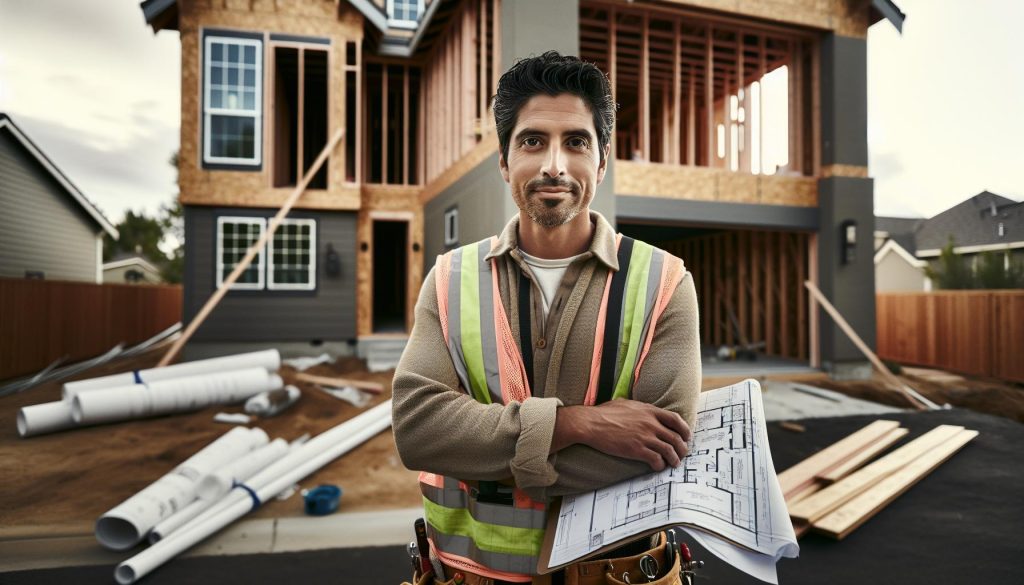
Have you ever wondered why many American houses seem to lack durability and quality? Unfortunately, a combination of cost-cutting measures, rushed timelines, and a focus on maximizing profits often leads to homes built with subpar materials and construction practices. This raises significant concerns for anyone looking to invest in a property that can withstand the test of time. Understanding these industry secrets is crucial for prospective homeowners who wish to avoid pitfalls that could compromise their financial stability and family well-being. As we dive into the underlying reasons behind this trend, you’ll gain valuable insights that empower you to make informed decisions and discover creative solutions for building a home that reflects your values and needs.
Why Are American Houses Built So Poorly? Industry Secrets
Building a home is often seen as one of the most significant investments a person can make, yet many American houses seem to fall short in quality. The truth is, several underlying industry secrets contribute to this phenomenon, making it essential for potential homeowners to be informed and vigilant. One of the primary reasons behind poor construction quality is the constant pressure on builders to reduce costs. This urgency can lead to shortcuts in materials and labor, with builders often opting for cheaper options that may not stand the test of time. For instance, using lower-grade wood in framing can compromise the structure’s integrity and inviting issues like warping and decay.
Another factor that exacerbates the problem is the fragmentation and complexity of the construction industry. Many builders operate under tight deadlines and budget constraints, resulting in rushed projects that sacrifice thorough inspections and quality control. Workers may not be adequately trained, or they might skip critical protective measures to save time, leading to higher long-term costs in repairs and maintenance for homeowners. Additionally, the lack of standardization across the industry means that what passes as acceptable in one region may not meet quality standards elsewhere, creating a disparity in home quality.
Furthermore, consumer awareness plays a vital role in the quality of homes built. Many homebuyers, especially first-timers, might overlook vital aspects such as the materials used or the builder’s reputation, focusing instead on aesthetics or immediate affordability. This lack of knowledge allows builders to continue using subpar products without fear of losing business, perpetuating a cycle of poor construction practices. By taking the time to conduct thorough research, prospective homeowners can better navigate the housing market, ensuring they prioritize durability and quality over surface-level appeal.
In this landscape of challenges, it’s crucial for homebuyers to remain informed and proactive. Understanding the industry’s secrets equips them with the knowledge needed to ask the right questions, push for better quality standards, and ultimately make investments that stand the test of time. By fostering a culture of quality and consumer awareness, there’s hope for a future where American homes are built not just to be sold, but built to last.
The Hidden Costs of Poor Construction Practices
Many homeowners underestimate the long-term consequences associated with poor construction practices. While the initial cost savings might seem appealing, these shortcuts can lead to hidden expenses that accumulate over time, significantly impacting financial stability. For instance, choosing lower-quality materials may save money upfront but can result in costly repairs or replacements down the line. Issues like persistent leaks, inadequate insulation, and structural weaknesses often go unnoticed until they escalate into major problems, forcing homeowners to pay more in repairs than they initially saved.
Moreover, the failure to adhere to proper building standards doesn’t just affect the durability of a home; it can also compromise safety. When builders skimp on essential structural components-like adequate support beams or proper wiring-homeowners may face hazards that could lead to accidents or even loss of life. The cost of addressing such deficiencies often falls to the homeowner, and in some cases, the expenses for legal action or medical costs can escalate beyond what was initially invested in the home.
Building Resilience through Awareness
Understanding these hidden costs is essential for prospective buyers to avoid the pitfalls of poor construction. Prioritizing a comprehensive home inspection before purchase can uncover potential issues, allowing you to make informed decisions. Establishing a budget that includes funds for potential renovations or repairs can also safeguard against sudden financial strain.
Ultimately, by engaging in thorough research, staying alert to industry trends, and discussing any concerns with builders, homeowners can foster better construction practices. Asking about materials used, ensuring compliance with local building codes, and learning about the builder’s reputation can help turn the dream of homeownership into a reality that doesn’t become a financial burden. By empowering oneself with knowledge and maintaining a proactive approach, it’s possible to transform the home buying experience from a risky gamble into a sound investment for the future.
Common Materials Leading to Subpar Quality
While many prospective homeowners envision sturdy structures and lasting beauty, the reality often differs. A primary factor contributing to the subpar quality of many American homes is the use of inferior materials. Builders may opt for cheaper options to cut costs, impacting not only the aesthetic appeal but also the long-term durability of the home. Such choices can lead to a myriad of problems that emerge over time, escalating maintenance costs and undermining the investment made by the homeowner.
Common materials associated with lower-quality construction often include particle board instead of solid wood, vinyl siding in place of traditional wood or brick, and subpar asphalt shingles that deteriorate faster than higher-grade alternatives. These materials, while economical in the short term, often fail to withstand the test of time-losing structural integrity, leading to issues like warped surfaces, water intrusion, and even the growth of mold. Homeowners may find themselves replacing or repairing these elements sooner than anticipated, nullifying any initial savings.
Furthermore, the installation of these materials is sometimes less than thorough. For example, inadequate sealing around windows and doors can cause air leaks and water penetration, which are often overlooked during the building phase. By prioritizing cheaper materials and quick installations, builders compromise the overall quality and energy efficiency of the home. Homebuyers should be aware of these practices and consider advocating for higher-grade materials, which can greatly enhance longevity and comfort.
Investing time to understand the materials being used in the construction process can empower buyers to make informed decisions. Engage with builders about the specifics of each material, and consider requesting upgrades where necessary. Not only does this foster construction integrity, but it also promotes a healthier living environment, ultimately supporting your financial and emotional well-being as a homeowner. Understanding these factors leads to stronger, more resilient homes that stand the test of time.
How Building Codes Affect Home Durability
In the realm of home construction, building codes serve as the foundation for ensuring quality and safety. However, many homeowners remain unaware of how these regulations can significantly influence the durability of their homes. Building codes establish minimum safety standards for construction, including aspects such as structural integrity, electrical systems, plumbing, and energy efficiency. Unfortunately, while these codes are meant to protect homeowners, they can sometimes be inadequately enforced or outdated, leading to homes that may not stand the test of time.
One of the key ways that building codes affect home durability is through the materials and methods that are permitted. For instance, many areas still allow the use of less durable materials in residential construction, which can contribute to long-term wear and potential structural issues. Code modifications often lag behind advances in building technology and higher standards seen in other countries. As a result, homes built under older codes may not include the latest innovations designed to improve performance and longevity. Homebuyers should advocate for adherence to the most current codes and request details on how these regulations are being applied in their prospective homes.
Moreover, the enforcement of these building codes varies widely across regions and municipalities. Some areas have rigorous inspections and compliance requirements, ensuring that builders adhere strictly to safety and quality standards. Others, however, may have less stringent oversight, paving the way for shortcuts that compromise a home’s lifespan. Homebuyers should consider researching the local building department and understanding the inspection process in their area, as well as encouraging builders to go above and beyond basic code compliance.
It’s essential for prospective homeowners to not only understand the implications of building codes but also actively engage in the construction process. By asking questions and staying informed, buyers can influence decisions that might otherwise result in poorer construction practices. Collaborating with builders who prioritize quality and transparency can enhance the durability of the home and contribute to a more secure financial investment. In a world where a home is often the most significant purchase one can make, ensuring that it meets and exceeds the established codes can lead to a safer, more resilient living environment for years to come.
The Role of Labor Shortages in Home Building
In the current landscape of home construction, the burgeoning labor shortages have profound implications for the quality of American homes. With fewer skilled workers available, builders often resort to hastily trained or less experienced labor, which can negatively impact both craftsmanship and the overall integrity of new builds. The National Association of Home Builders has reported that nearly 80% of builders are facing challenges due to a lack of qualified labor, leading to projects that may cut corners or compromise on quality to meet deadlines and budget constraints.
This labor deficit is a result of several intersecting factors, including an aging workforce and a lack of new entrants into the construction industry. Many younger individuals are pursuing careers in technology and other sectors, often overlooking the substantial opportunities available in skilled trades. Consequently, the remaining workforce often bears the burden of increased workload, leading to burnout and further reducing the quality of workmanship on homes. Builders who might have previously taken pride in detail and quality are now pressured to complete projects quickly, often sacrificing standards to keep up with demand.
To mitigate these challenges, potential homeowners can take a proactive stance by doing thorough research on the builders they are considering. Look for companies that prioritize training and continuous education for their employees. Asking questions about the qualifications and experience of subcontractors can help ensure that your home is built by skilled professionals. Additionally, consider advocating for and supporting local apprenticeships and trade programs, which can help cultivate a new generation of skilled workers-ultimately benefiting both the industry and consumers in the long run.
In a time where every detail counts, it’s essential for buyers to invest in their education about the construction process. By understanding the current labor landscape and its impacts on quality, homebuyers can make more informed decisions, ensuring their largest investment meets not just their immediate needs but also stands the test of time. Collaboration and communication with builders who acknowledge the challenges of labor shortages can foster an environment where quality-and not just speed of completion-remains a priority.
Environmental Factors Impacting Construction Quality
The construction quality of American homes is often further compromised by various environmental factors that builders may overlook or inadequately address. Notably, climate plays a significant role in how houses withstand the elements over the long term. For instance, homes built in regions with extreme weather conditions, such as heavy rainfall or intense heat, require particular materials and construction techniques to ensure durability. Builders sometimes underestimate these local environmental conditions, opting instead for standard practices that may not provide the necessary protection against specific risks.
Another critical aspect is the presence of natural elements in the surrounding environment. Factors like soil composition, elevation, and proximity to water bodies can dramatically affect the foundation and overall structure. For example, building in low-lying areas prone to flooding without implementing adequate drainage and waterproofing solutions can result in long-term damages and costly repairs. Homeowners should actively inquire about how builders plan to address these environmental considerations during the planning process.
Mitigating Environmental Risks
To enhance the construction quality of homes, it’s essential for potential homeowners to understand the environmental factors that can impact their investment. Here are some practical steps to consider:
- Assess Local Conditions: Research the specific environmental challenges of your building site, including climate, soil type, and potential natural hazards.
- Work with Experienced Builders: Choose builders who have a proven track record in your area and understand the local environmental challenges.
- Promote Sustainable Practices: Encourage the use of sustainable, high-quality materials that can withstand environmental stresses, reducing long-term maintenance issues.
- Ask About Environmental Assessments: Request that your builder conducts an environmental impact assessment to identify any potential risk factors before construction begins.
By being informed and proactive about environmental considerations, homebuyers can help ensure that their new homes are built to last, avoiding costly repairs and renovations down the line. Ultimately, taking these steps not only enhances the quality of construction but also contributes to a stronger, more resilient community.
Consumer Choices: What Homebuyers Often Overlook
When embarking on the journey to purchase a home, many buyers become preoccupied with factors like aesthetics and location but often overlook the critical elements that influence the long-term quality and durability of their investment. Understanding these aspects can lead to more informed decisions, ultimately saving money and time in the future. Too frequently, homebuyers are drawn in by appealing features such as open layouts, fancy countertops, and trendy fixtures, while neglecting more substantial concerns like building materials, foundation stability, and construction practices.
One of the most significant missteps is ignoring the quality of materials used in construction. Many buyers are unaware that lower costs often come with compromises in material strength and longevity. It’s essential to ask about the types of materials being utilized in the home, from insulation to roofing, as these choices will affect energy efficiency, maintenance needs, and resistance to environmental risks. For instance, opting for higher-quality materials like fiber cement siding instead of vinyl can enhance a home’s lifespan, providing better resistance against weather elements and reducing future repair costs.
Another overlooked factor is the importance of local building codes and regulations. Homebuyers often assume that newly constructed homes comply with the latest standards; however, builders may cut corners to save costs or expedite completion. This can lead to serious quality issues down the line. Engaging a knowledgeable real estate agent or inspector to review the property’s compliance with local codes can reveal potential red flags. Homebuyers should feel empowered to ask builders about the compliance history and whether third-party inspections were conducted during different construction phases.
Moreover, buyers frequently underestimate the impact of site selection on a home’s overall durability. Factors such as soil type, drainage, and proximity to water sources play a critical role in the longevity of a structure. Homebuyers should conduct thorough research or avail themselves of professional assessments to evaluate the land’s characteristics. By identifying and addressing any potential risks-like flooding or poor drainage-buyers can make informed decisions about necessary precautions, possibly saving themselves from substantial repair costs later.
Being mindful of these often-overlooked aspects of home buying can significantly enhance the quality of life and financial health of homeowners. By placing emphasis on enduring features rather than fleeting trends, homebuyers can choose homes crafted to withstand the rigors of time, promoting both peace of mind and long-term investment viability.
Secrets from Builders: Cost-Cutting Techniques
When building a home, a perplexing truth often emerges: many builders resort to cost-cutting techniques that can influence the quality of construction. While these practices may offer immediate savings for builders, they can lead to significant long-term consequences for homeowners. Understanding these strategies can empower prospective buyers to make informed choices and advocate for better quality in their homes.
One common technique involves the use of substandard materials. Builders may opt for cheaper alternatives that do not meet durability or efficiency standards, such as using lower-grade plywood or insulation. This often manifests in reduced energy efficiency and increased maintenance costs down the line. Homebuyers should insist on transparency regarding the materials being used and, where possible, perform or commission an independent inspection to ensure compliance with quality specifications.
Another prevalent method is to reduce labor costs by hiring less experienced workers or relying on subcontractors who may not have a vested interest in the quality of the finish. This can result in inadequate workmanship, from improperly installed roofing to poorly configured plumbing. Homebuyers can mitigate this risk by researching the reputation of builders and demanding that qualified personnel handle critical aspects of construction, such as electrical and plumbing installations.
Shortcuts in Construction Practices
Contractors often find ways to accelerate timelines to keep projects on budget, which can lead to rushed work and quality compromises. For example, skipping critical steps in site preparation or foundation work can lead to long-term structural issues. It’s vital for buyers to ask about the construction timeline and what practices are being prioritized to ensure a solid build. Engaging a qualified home inspector at various stages of the construction can reveal whether shortcuts are being taken.
Emphasizing thorough due diligence and open communication with builders can empower consumers. By being aware of common cost-cutting techniques and asking the right questions, homebuyers can advocate for their investment, ensuring that the home they purchase is truly built to last. As you navigate the home-building process, remember that your vigilance can prevent costly oversights, ultimately safeguarding your financial wellbeing and enhancing your living experience.
Impact of Design Trends on Home Longevity
In recent years, design trends in American housing have shifted dramatically, often prioritizing aesthetics over structural integrity and longevity. While modern homes may captivate with their sleek lines and open-floor plans, the implications of these design choices can be detrimental to durability. For instance, the increasing popularity of large, expansive windows may enhance natural light and visual appeal, but they can also compromise energy efficiency and increase heating and cooling costs if not properly insulated.
Many builders, responding to consumer demand for trendy designs, may overlook fundamental engineering principles that contribute to a home’s longevity. This includes the use of less robust materials that can align with a minimalist aesthetic but fail to withstand the test of time. Open-concept layouts, while fostering a sense of spaciousness, can sometimes lead to challenges in heating and cooling, as larger spaces are generally less efficient to manage without adequate HVAC planning.
To ensure that beautifully designed spaces can stand the test of time:
- Prioritize Quality Materials: When considering home design, opt for robust materials that reinforce both the look and longevity of your home. Researching and investing in well-reviewed building materials-even if they come at a higher upfront cost-can save considerable amounts on repairs and maintenance in the long run.
- Consult Experienced Architects and Designers: Engaging professionals who understand both aesthetics and structural integrity can provide invaluable insight into creating beautiful spaces that are also built to last. Collaboration can yield creative solutions that marry form and function.
- Stay Informed About Trends: While it can be tempting to chase the latest design fads, discerning homeowners should consider how new trends impact the longevity of their properties. Educating yourself on the potential pitfalls of certain styles can empower you to make choices that will serve you well in the years to come.
By making informed choices and remaining aware of how design trends may affect the long-term livability and durability of homes, buyers can better navigate the balance between beauty and practicality. This approach not only ensures a sturdy and comfortable living space but also contributes to overall financial health by minimizing costly future repairs and renovations.
Comparing U.S. Homes to International Standards
In many parts of the world, construction practices emphasize durability and quality, setting a higher standard for homebuilding that often contrasts sharply with the trends seen in the U.S. For instance, countries like Germany and Sweden employ rigorous building codes and a strong focus on energy efficiency, resulting in homes that typically last longer and require less maintenance. These standards prioritize materials and techniques that stand up to climate challenges, aiming to create homes that are not only aesthetically pleasing but also environmentally sustainable.
One major area where American homes often fall short is in the use of subpar building materials. In places like Japan, for example, the types of wood and insulation used are chosen for their long-lasting properties and resilience against natural disasters. By contrast, the U.S. has a tendency to favor cost-saving measures that may compromise structural integrity, leading to houses that suffer from issues like mold, rot, and poor energy efficiency. Local climates also influence these choices; in warmer regions, homes built with concrete may be favored, while colder areas might emphasize superior insulation materials to combat heat loss.
Additionally, labor practices in different countries can significantly impact construction quality. While the U.S. suffers from labor shortages and a lack of training, other nations often have well-established apprenticeship programs that ensure workers are skilled and knowledgeable about the latest construction methods and materials. This emphasis on training helps elevate the overall quality of the homes being built, as workers are equipped to handle complex challenges and implement best practices.
As you contemplate constructing or purchasing a home in the U.S., it’s essential to consider these international standards as a benchmark. Understanding what makes homes in other countries built to last can empower you to advocate for better construction practices, whether you’re choosing a builder, selecting materials, or designing your space. Emphasizing durable materials and professional craftsmanship in your project not only enhances your investment but also contributes to a sustainable future, aligning with a global movement toward homebuilding quality that transcends cost. Making informed decisions today can lead to a happier, more secure home environment tomorrow.
DIY vs. Professional: Misconceptions in Home Building
When it comes to home building, there’s a prevalent misconception that a DIY approach is always more economical and efficient than hiring professionals. While many homeowners are motivated by the idea of saving money and adding a personal touch to their spaces, this mindset can lead to costly mistakes and subpar construction. The belief that anyone can take on significant home improvements without the necessary skills often overlooks the value of experience, knowledge, and proper tools that professionals bring to the table.
When contemplating whether to tackle a project yourself or hire an expert, consider the complexity of the task. Structural repairs, electrical work, and plumbing issues, for instance, all necessitate specialized training and understanding of building codes. Neglecting these aspects can lead to long-term issues-think of water damage from improper plumbing or dangerous electrical setups. In contrast, hiring a qualified professional may have upfront costs, but it often results in a safer, higher-quality outcome that can save money in repairs down the line.
Furthermore, there is a time investment associated with DIY projects that many first-time home builders underestimate. Endless hours can be spent researching techniques, acquiring materials, and attempting to execute plans, all of which could have been streamlined by professionals equipped to handle jobs efficiently. While it’s rewarding to say, “I built that,” weighing the emotional and financial costs of your time is crucial.
In light of these realities, consider a balanced approach where you can harness your creativity and enthusiasm for smaller projects while relying on professional expertise for larger or more critical tasks. This not only ensures quality but also allows you to enjoy the process of home building without unnecessary stress. Embrace the entrepreneurial spirit within your home-finding that sweet spot between self-sufficiency and professional help can lead to results that not only satisfy aesthetically but also stand the test of time.
Navigating Home Inspections for Quality Assurance
Navigating the home inspection process is crucial for homeowners and potential buyers who wish to ensure the quality and safety of their investment. A well-conducted home inspection can reveal troubling issues that threaten the longevity and integrity of a property, particularly when many American houses are constructed with cost-cutting measures in mind. Understanding what to expect during an inspection-and how to effectively utilize the findings-can empower homeowners to make informed decisions and avoid financial pitfalls.
One of the key elements of a successful home inspection is choosing a qualified inspector. Look for professionals with certifications and a solid track record. Reviews and testimonials from previous clients can provide valuable insights into an inspector’s thoroughness and reliability. Once you’ve selected an inspector, it’s beneficial to accompany them during the examination. This experience allows you to ask questions and gain firsthand knowledge of any potential problems, such as structural damage, outdated electrical systems, or plumbing issues.
During the inspection, be prepared to discuss any findings in detail with your inspector. They will provide a comprehensive report highlighting areas that require attention. Focus on critical elements, such as:
- Foundation Issues: Small cracks might seem insignificant but could indicate larger structural problems.
- Roof Condition: Inspect the roof’s age and materials, as many American homes use subpar materials that can lead to leaks.
- Electrical Systems: Outdated wiring can cause safety hazards and may not meet current codes.
Understanding the nuances of these findings can help you negotiate repairs or price adjustments with the seller, ensuring you’re investing in a home built to last. Furthermore, use the inspection report as a guide for future maintenance, addressing any deferred issues promptly to maintain the home’s integrity.
Ultimately, being proactive and informed during the home inspection process cultivates confidence in your choice. This step not only protects your investment but also enhances your overall homeownership experience, making it a stepping stone for future improvements and a foundation for financial security and personal growth.
Future Trends: Innovations Improving House Construction
As the demand for home construction grows, so do innovations aimed at improving the quality and durability of American homes. These advancements offer exciting opportunities to address past shortcomings and adapt to modern living needs while enhancing energy efficiency and sustainability. Emerging technologies, such as modular construction and advanced building materials, are transforming the industry, allowing for quicker builds that don’t sacrifice quality.
One significant trend is the rise of modular construction, where homes are built in sections in a factory setting before being transported to the site for assembly. This method not only speeds up construction but also provides better quality control, as homes are constructed in a controlled environment, reducing the risks associated with weather-related delays and inconsistencies. Factories can also implement automation and precision tools, leading to improved accuracy and less waste.
Advanced Materials for Greater Durability
Innovative building materials are also revolutionizing home construction. For instance, fiber-reinforced polymers and structural insulated panels (SIPs) are gaining popularity for their energy efficiency and strength. SIPs can significantly enhance insulation, reducing energy costs and creating more comfortable living environments. Furthermore, materials with intrinsic moisture resistance can mitigate issues of mold and rot, common concerns in traditional wood-framed homes.
Another exciting development is the incorporation of smart home technology into the design phase, allowing for interactive home features that enhance usability and energy management. Homeowners can control heating, cooling, and lighting systems through their smartphones, leading to increased efficiency and convenience. These smart systems not only reduce utility costs but also contribute to a more effective management of resources, promoting sustainable practices.
By embracing these innovations, home builders can mitigate many of the issues plaguing American construction quality. As these trends continue to evolve, they provide compelling solutions for future homeowners looking to invest in properties that not only withstand the test of time but also offer the comfort and efficiency desired in today’s living spaces.
FAQ
Q: Why do American houses have such a bad reputation for quality?
A: American houses often face criticism due to a combination of cost-cutting practices, reliance on low-cost materials, and varying building codes. These factors can lead to durability issues, potentially affecting long-term homeowner satisfaction. For deeper insights, explore “The Hidden Costs of Poor Construction Practices” in the article.
Q: What are the common construction mistakes in American homes?
A: Common construction mistakes include inadequate insulation, poor foundation work, and improper sealing against moisture. These issues can compromise energy efficiency and invite structural problems. Understanding typical pitfalls can help homebuyers make informed decisions.
Q: How do labor shortages impact the quality of home construction in the U.S.?
A: Labor shortages can lead to rushed construction processes and compromises on quality. Inexperienced workers might be filling positions, potentially resulting in poor workmanship. This goes hand-in-hand with the section on “The Role of Labor Shortages in Home Building.”
Q: Are there specific materials that contribute to poor-quality homes?
A: Yes, frequently used low-cost materials, like substandard plywood and drywall, can lead to reduced durability and longevity. Homebuyers should be aware of the materials used in construction; consult the article section “Common Materials Leading to Subpar Quality” for examples.
Q: What should consumers look for to avoid low-quality homes?
A: Consumers should prioritize thorough home inspections, request detailed documentation of building practices, and investigate the reputation of contractors. Awareness can help prevent future issues, as discussed in “Navigating Home Inspections for Quality Assurance.”
Q: How do design trends impact the longevity of American homes?
A: Trendy designs often prioritize aesthetics over practicality, leading to maintenance issues and reduced longevity. Choosing timeless designs can contribute to a home’s durability, which is explored in-depth in the article’s section on “Impact of Design Trends on Home Longevity.”
Q: How do American building codes compare to international standards?
A: American building codes can be less stringent than international standards, sometimes leading to lower construction quality. Understanding these differences can help consumers set realistic expectations for durability. A comparison can be found in “Comparing U.S. Homes to International Standards.”
Q: What strategies can builders use to cut costs without sacrificing quality?
A: Builders can implement efficient design practices, leverage technology, and invest in training their workforce. However, it’s essential for builders to balance cost-saving measures without compromising overall quality. For further ideal practices, refer to “Secrets from Builders: Cost-Cutting Techniques” in the article.
In Conclusion
Understanding the challenges behind the construction quality of American houses is just the beginning. Now that you’re equipped with industry secrets, it’s time to take action! If you’re considering a new home or looking to improve your current one, dive deeper into our resources on budget-friendly renovations and smart homeownership tips.
Don’t wait-start exploring how to make informed decisions that ensure your home is not only affordable but also built to last. Check out our guides on avoiding financial pitfalls and maximizing your buying power. And if you have any thoughts or questions, we’d love to hear from you in the comments. Your journey toward a secure and fulfilling living situation starts now-let’s build it together!