Imagine squeezing an entire family into a cramped, cold room, where every breath is a reminder of life’s struggles. Poor Tudor houses, often mere shadows of their wealthier counterparts, reveal the resilience of those who lived in them. In exploring these medieval survival stories, we uncover how creativity and resourcefulness flourished amidst harsh conditions. This exploration not only deepens our understanding of historical living conditions but also inspires us today to find strength in adversity. As we embark on this journey into the past, consider how these stories echo the challenges many face in our modern world-inviting us to innovate and thrive, regardless of our circumstances.
What Were Tudor Homes Really Like?

In the Tudor period, homes reflected the stark realities of social status and economic circumstances, particularly for the poorer classes. While many envision grand timber-framed houses with picturesque gables, the reality for many was far more modest. Poor Tudor houses were often simple one- or two-room structures, constructed from readily available materials. The walls were typically made from wattle and daub-a framework of wooden strips filled with mud or clay-which provided basic insulation but poor protection against the weather. Thatched roofs topped these homes, often leaking and requiring frequent repairs.
Living conditions in these houses were challenging. Families shared tight quarters, with the main living area serving multiple functions-cooking, sleeping, and gathering. The absence of chimneys meant that smoke from the central fire often filled the home, creating a smoky atmosphere that contributed to respiratory issues. Natural light was limited, and when darkness fell, families relied on small candles or rush lights. This setup speaks volumes about resilience: families had to find creative solutions to maximize their living space and make the most of minimal resources.
Survival strategies varied but often included growing their own food in small gardens or sharing communal plots. For those unable to farm, bartering goods or labor for necessities was essential. Community played a crucial role in these households; neighbors would often come together to assist each other through difficult seasons, whether by sharing food, lending tools, or helping with repairs.
Despite the challenges of poor Tudor housing, these homes were often filled with love and a strong sense of community. The resourcefulness exhibited by these families can inspire modern readers to cultivate creativity and resilience in their own lives, regardless of financial situations. Embracing a community spirit and supporting one another can lead to fulfilling lives that go beyond material measures of success.
Key Features of Poor Tudor Houses

The stark reality of poor Tudor houses is often overshadowed by the romanticized imagery of grand timber-framed estates. In truth, these homes were far from luxurious; they were typically modest, functional, and built with the resources at hand. Commonly, a poor Tudor house was a simple one- or two-room structure, where families not only lived but conducted all aspects of daily life. The walls were predominantly made from wattle and daub, a practical yet rudimentary material formed by weaving thin strips of wood together and filling the spaces with a mixture of mud and straw. This construction method was inexpensive and quickly assembled, although it offered minimal insulation and protection from the elements. Many of these homes had thatched roofs, which provided warmth but required constant maintenance to keep leaks at bay.
Inside these humble dwellings, space was not a luxury-every inch was utilized efficiently. The central hearth served as the sole source of heat and light, and with no chimney, smoke would permeate the living areas, creating an environment that was often oppressive. Families used this central space not just for cooking, but also for sleeping, eating, and socializing. This multi-functional use of space resulted in an atmosphere that emphasized communal living, where privacy was scarce but family bonds were strengthened through shared experiences. Limited natural light turned evenings into a time of togetherness, often spent around the flickering glow of rush lights or small candles, encouraging conversation and storytelling.
With a focus on survival rather than comfort, the design and layout of poor Tudor houses were deeply intertwined with the realities of peasant life. Homes typically lacked formal separation of rooms, with a singular area serving all purposes. The simple furnishings consisted mostly of essential items such as wooden benches, a table, and straw-filled mattresses. Families often made do with what they could craft or barter for; thus, creativity and resourcefulness became trademarks of Tudor life. These qualities are not only a testament to human resilience but can also inspire modern readers to appreciate the value of community and resourcefulness in their own lives, whether they’re facing financial constraints or seeking meaningful connections.
In an era where material possessions were scarce, families leaned heavily on social structures and communal support to navigate through hardships. Neighbors frequently came together, sharing resources, aiding in repairs, or assisting with childcare-demonstrating how community played a crucial role in survival. The lessons drawn from these tiny, inefficient spaces are clear: a strong sense of community and support can create a resilient foundation in any challenging circumstances, reflecting back on the importance of togetherness in contemporary living. By valuing relationships and fostering creativity, readers can find ways to thrive even in less-than-ideal conditions, drawing parallels between past and present in their financial and personal lives.
The Daily Life of Those in Poverty
Living in poverty during the Tudor era required immense resilience and resourcefulness. Daily life for those in humble circumstances was a constant juggling act between survival, community, and the harsh realities of their environment. Without the luxuries that wealthier classes enjoyed, the poor learned to maximize their limited resources and often relied heavily on their immediate social circles for support and sustenance.
Families typically rose with the sun, their routines dictated by the demands of both survival and their agricultural obligations. The central hearth, serving as the home’s kitchen and warmth source, became the hub of activity. Meals were simple and often consisted of bread, porridge, and seasonal vegetables-anything that could be foraged, bartered, or grown. Food preservation was crucial, so families developed methods to dry or salt meats and store grains, ensuring that they could make it through the winter months. Even in scarcity, the act of sharing food could strengthen community ties; neighbors would often gather to distribute excess bounty or assist in harvesting, illustrating the critical importance of mutual aid.
Despite the physical constraints of their living situations, individuals found joy and fulfillment through creativity and craftsmanship. Children might occupy themselves by making simple toys from scraps, while adults often engaged in various handicrafts, creating everything from pottery to weaving. Resourcefulness wasn’t just a necessity-it became a defining element of their identity, revealing a community spirit that thrived on innovation. For those facing financial difficulties today, such historical perspectives remind us that there is always room for ingenuity and collaboration. Embracing simplicity and fostering connections can provide warmth in trying times, as evidenced by the Tudor people’s lived experiences.
In the evenings, as darkness fell and the flickering glow of rush lights filled their rustic homes, families would gather to share stories and dreams, weaving a narrative of resilience that transcended their immediate hardships. It was during these moments that they cultivated hope and community bonds, proving that even in the stark realities of poverty, the human spirit can flourish. Understanding these aspects of Tudor life highlights the power of a supportive network-something that remains incredibly relevant today in nurturing growth and stability within our families and communities. By looking back to learn from the past, we can find inspiration to build our futures, regardless of the challenges we face.
Survival Strategies for Tudor Families
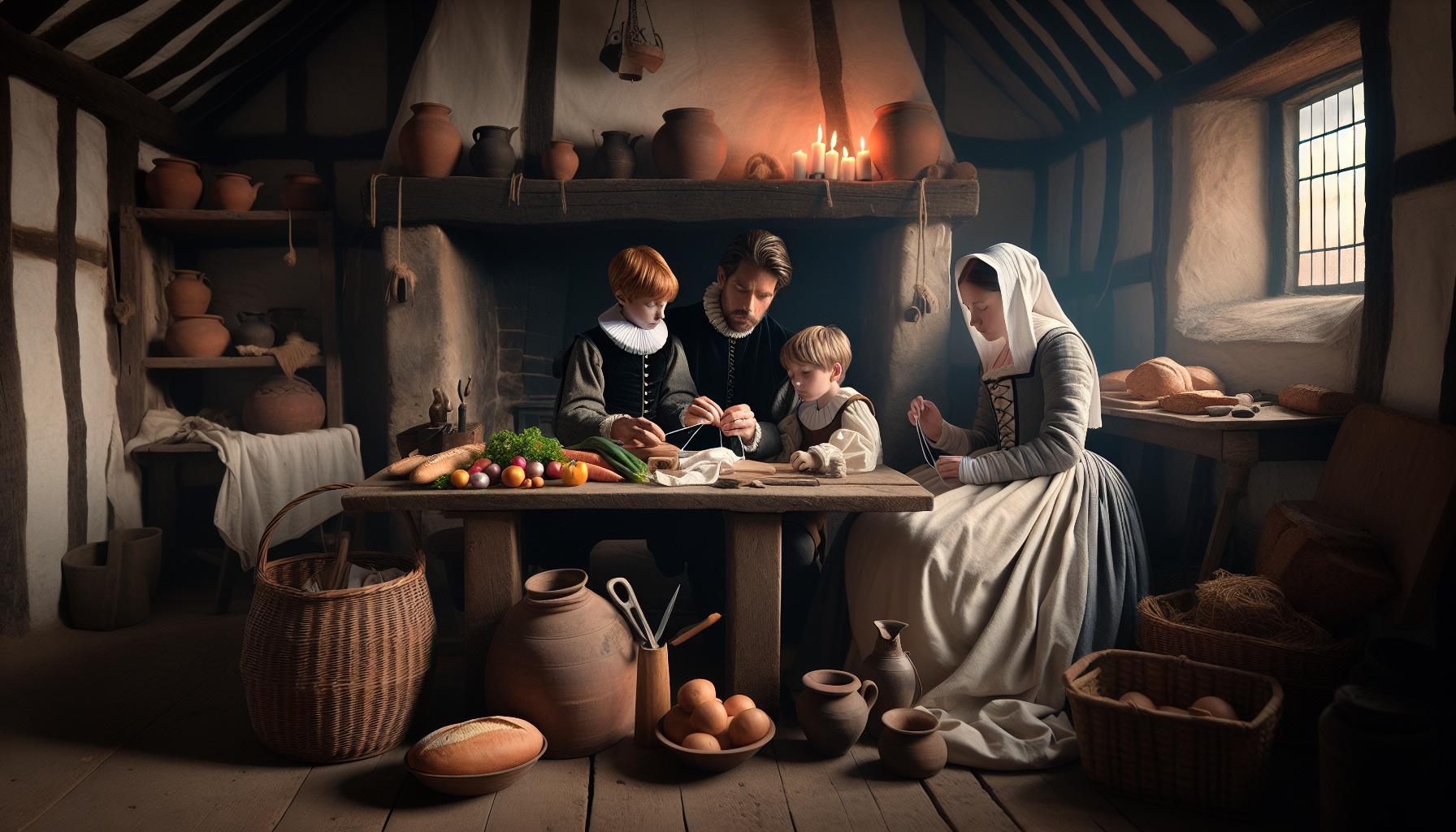
In the face of adversity, Tudor families developed numerous strategies to survive their challenging conditions, reflecting the profound resilience and ingenuity required to navigate everyday life in an era marked by poverty. Central to their survival was the wise use of available resources, which often included bartering and trading. In many communities, neighbors would share their skills and goods, further cultivating a sense of solidarity that became vital for everyone’s well-being.
Resourcefulness in Daily Living
Living in cramped, often rudimentary homes, Tudor families had to be exceptionally resourceful. Many engaged in subsistence farming, growing crops that were suited to their local soil and climate. Common staples included:
- Barley and rye for bread
- Peas, beans, and other legumes
- Vegetables like cabbage and onions
The practice of kitchen gardening allowed families to supplement their meager diets while also providing ingredients for meals. Families frequently foraged for wild edibles, gathering nuts, berries, and herbs, thus improving their nutrition without additional costs.
The preservation of food was another critical aspect of Tudor survival. Given the lack of refrigeration, families developed various methods to store food for the winter months. Techniques such as drying, salting, and pickling were common, enabling them to maintain a sufficient food supply even during leaner seasons.
Craftsmanship and Skill Sharing
Moreover, many families relied on traditional crafts to supplement their income. Skills in weaving, pottery, and woodworking created opportunities for barter or sale at local markets. Children were often involved in these activities from an early age, learning trades that would foster independence and provide additional family income. This culture of craftsmanship was not just about survival; it imbued life with creativity and purpose, highlighting the importance of skill and talent in building a stronger community.
By understanding the adaptive methods employed by Tudor families, we can draw inspiring lessons for modern living. Emphasizing collaboration, resourcefulness, and creativity in daily life can yield rich rewards, fostering not only financial sustainability but also a rich sense of community. Embracing these principles today reminds us to look after our neighbors, share our resources, and cultivate a spirit of resilience amidst our own challenges.
Materials Used in Tudor House Construction
The construction of Tudor houses, especially those inhabited by the poor, was largely dictated by the availability of local materials and the pressing need for practicality. Many Tudor homes were built using timber framing, a technique particularly favorable in regions with abundant forests. Tall, slender timbers were used to create a frame, and then the spaces between the timber were filled with wattle and daub-an ingenious mixture of woven branches and a clay-rich earth that provided insulation. This method not only utilized accessible resources but also showcased the community’s ability to adapt creatively to their environment.
However, the materials used by poorer families were often not glamorous. Many homes featured thatched roofs, made of straw or reeds, which were cost-effective and provided decent insulation. Unfortunately, thatch required regular maintenance and was susceptible to fire, which added a unique layer of challenge to their living conditions. Walls built from the clayey earth dug from local land were common, offering a sturdy yet simple solution but proving to be less durable in harsher weather conditions. These materials highlighted a practical approach to building that prioritized basic shelter over aesthetic appeal.
Inhabitants often improvised solutions to save on expenses. For instance, old planks and discarded materials from larger construction projects could be repurposed into walls or furniture, embodying a spirit of recycling and resourcefulness. The simple interiors usually consisted of a single room that served multiple purposes; spaces for sleeping, cooking, and communal activities were all integrated, enhancing the need for strong, multifunctional designs. Here, creativity flourished, as families constructed their furniture from sturdy timber and often made do with whatever was at hand.
Navigating the challenges of Tudor life with resilience, these families not only built their homes but also built a sense of community, relying on each other to share skills, labor, and materials. Their ways of living remind us today that the solutions to our challenges often lie within our immediate surroundings and the relationships we cultivate. By embracing resourcefulness and creative collaboration in our own lives, we can thrive financially and spiritually, no matter our circumstances.
Layout and Design of Poor Tudor Homes
In the world of Tudor homes, the layout and design of poorer residences reveal much about the resilience and ingenuity of families amid severe economic constraints. Typically, these dwellings were modest in size, often composed of a single room that served multiple purposes. This multifunctional space was a practical response to the limited resources available and allowed families to maximize their living area. The design often included a central hearth where cooking, warmth, and communal gathering took place, making the hearth the heart of the home.
The interior arrangement was driven primarily by necessity. Furniture was often handcrafted from readily available materials, showcasing an incredible level of skill and creativity. Families would build sturdy wooden benches and tables, sometimes even using crates or barrels repurposed for seating or storage. Curtains made from homespun fabric or even animal hides would serve to provide privacy, separating sleeping areas from communal spaces, albeit in a makeshift manner. These simple yet functional arrangements not only optimized the limited space but fostered a spirit of cooperation and shared living, as families often took care of extended relatives or friends in need.
In these homes, light was a precious commodity. Windows were typically small and often lacked glass, using materials such as parchment or oiled cloth instead. This design choice was both a reflection of economic need and a strategy to retain heat during the colder months. The architecture’s strengths lay in its adaptability and practicality; for example, as families grew or circumstances changed, they could easily modify their homes-extending them with additional wooden structures or partitioning off sections to create makeshift bedrooms.
The layout of poor Tudor homes exemplified not just survival but also a deep sense of community and resourcefulness. Neighbors would often collaborate on building efforts or trade materials, highlighting the bond that was crucial for thriving despite scarcity. This historical context can inspire modern readers to embrace a similar spirit of collaboration and creativity, finding strength in community networks and applying resourceful living principles to their own circumstances. Whether through DIY projects or community exchanges, today’s families can draw lessons from the past to build secure, meaningful lives on a budget.
Comparison of Tudor Homes to Modern Housing
While comparing Tudor homes to modern housing, it’s fascinating to note how living spaces have evolved over the centuries. Tudor homes, particularly those of the poorer classes, were often compact and multifunctional, designed for survival rather than comfort. In contrast, modern housing tends to prioritize space, privacy, and amenities- reflecting the values and resources of contemporary society.
Tudor houses typically consisted of one or two rooms, where families would eat, sleep, and socialize all in the same area. In comparison, modern homes often feature distinct rooms for specific purposes, such as separate kitchens, living rooms, and bedrooms. This shift towards specialized spaces allows for greater privacy and personal comfort, but it also raises questions about community dynamics. Today, the physical separation in homes can sometimes lead to less interaction among family members compared to the communal living style of the Tudor period.
Another notable difference is in building materials and technologies. Tudor houses were primarily constructed from timber or wattle and daub, which provided rudimentary insulation but left much to be desired in terms of durability and weather resistance. Modern houses benefit from advanced building materials-such as insulated concrete forms and energy-efficient windows-that promote sustainability and reduce heating costs. While Tudor homes were resourceful, relying on local materials and simple construction techniques, current housing structures reflect significant advancements that prioritize both environmental impact and energy efficiency.
Despite the stark contrasts, there are valuable lessons from Tudor housing principles that can inspire today’s homeowners. For example, the notion of maximizing small spaces through clever layouts remains relevant, as many modern families face challenges with rising housing costs. Implementing solutions like multifunctional furniture and collaborative living arrangements can create affordable, welcoming homes similar to those of the past. By embracing resourcefulness and community, contemporary households can foster connections and creativity, ensuring that both their living environments and relationships thrive.
Overall, the progress from Tudor dwellings to modern housing showcases not only changes in design and materials but also variations in our societal values relating to privacy, community, and sustainability.
The Role of Community in Tudor Society
In Tudor society, community was not merely a backdrop; it was the very fabric that held life together, particularly for the poorer classes. Small, tightly-knit communities served as a vital support system where families faced hardships together, relying on collaboration and shared resources to navigate the challenges of everyday existence. In a time marked by limited possessions and a scarcity of wealth, relationships with neighbors were essential for survival, emphasizing the importance of unity, resilience, and mutual aid.
Collaboration and Shared Resources
Within these communities, collaboration manifested in numerous practical ways that highlighted a strong sense of responsibility towards one another. Families would often pool their resources, sharing food and housing when times were tough. For example, when one family faced a poor harvest, another might share their surplus, creating a safety net during lean periods. Such interdependence was crucial; rather than viewing others with suspicion or envy, these families cultivated bonds built on cooperation.
Additionally, communal gatherings were not only social occasions but also opportunities to strategize on community survival. Neighbors shared knowledge on farming techniques, foraging, and preserving food-skills essential for thriving in an era when the environment offered both abundance and peril. These gatherings reinforced community ties and provided a platform for exchanging information that could lead to improved living conditions.
The Role of Faith and Tradition
Faith also played a pivotal role in fostering community spirit. Churches were central to local life, often serving as gathering places where families could not only worship but also connect. Festivals, seasonal celebrations, and communal prayers helped strengthen bonds and maintain a sense of hope amid poverty. In this way, spirituality reinforced the notion that the community was a collective entity, where each member mattered and had a role to play.
These connections can provide inspiration for modern living, especially for those navigating financial challenges today. Adopting a similar spirit of community can create a robust support network that enhances emotional and practical well-being. Consider initiating potluck dinners with neighbors, engaging in skill swaps, or organizing community cleanup events. Such shared ventures foster relationships and can lead to cost-saving opportunities.
Ultimately, drawing from the lessons of Tudor communities reminds us that even in challenging times, we can lean on each other. By embracing a community-focused approach, we can build stronger, more resilient lives, enhancing not only our material circumstances but also our collective spirit.
Famous Tudor Locations: A Closer Look
Exploring notable Tudor locations offers a fascinating glimpse into the lives of those who inhabited these homes, especially for the poorer classes striving to carve out a sustainable existence amidst hardship. Many Tudor-era sites serve as reminders of the communal spirit and resilience that characterized daily life. Areas such as Stratford-upon-Avon and the historic neighborhoods of London showcase how architecture and community intertwined to support families in their survival strategies.
Take, for instance, the quaint market town of Stratford-upon-Avon, famous as the birthplace of William Shakespeare. Here, lesser-known cottages illustrate the modest living conditions many families endured. As these homes often featured simple thatched roofs and timber frames, they reflected not just an architectural style but a way of living that necessitated deep communal ties. The local marketplace served as a vital hub where families traded goods and bartered services, fostering a sense of unity and reliance among neighbors that was crucial for their survival.
Another significant location is the Shambles in York, renowned for its medieval charm and tight-knit street layout. Originally, this area was lined with butcher shops, and today, it stands as a testament to the principles of mutual aid and shared resources. The narrow streets allowed communities to thrive through cooperation, with families frequently coming together to help one another with food preparation, childcare, and farm work. Celebrating communal harvests reinforced these bonds and provided essential respite and joy in challenging times.
Understanding these locations encourages modern readers to reflect on the importance of community in their own lives. Just as Tudor families depended on each other for survival, today’s individuals can cultivate relationships with their neighbors through initiatives like community gardens, cooperative buying groups, and skill-sharing workshops. By fostering such connections, individuals can create a network of support that echoes the inspiring survival stories of the Tudor era, ultimately enriching their own lives and those of their community.
How Shelter Reflected Social Status
In the Tudor period, a person’s social status was often starkly visible through their choice of shelter, with the architecture and materials used in homes reflecting an intricate hierarchy. Wealthy families enjoyed elaborate stone or brick houses with multiple rooms, intricate fireplaces, and expansive gardens, while poorer households lived in much more modest conditions. This disparity was not merely about aesthetics; it underscored the societal structure of the time, where one’s residence could dictate social interactions and economic opportunities.
For the poor, homes typically featured a single room that served multiple purposes, indicating that their financial means were limited. These structures were usually made from local materials, like wattle and daub, with thatched roofs providing basic protection against the elements. The lack of separate spaces made privacy a luxury few could afford, reinforcing communal living conditions. Residents often shared their homes with livestock, further blending domestic and agricultural life and highlighting the subsistence strategies necessary for survival.
Conversely, the homes of the affluent displayed features that signified their prosperity. Larger houses often included grand halls and multiple bedrooms, built with durable materials like stone to withstand time. Ornate details like leaded glass windows, decorative timbering, and plasterwork illustrated not just wealth but also cultural aspirations. These homes often served as centers for social gatherings, showcasing a lifestyle that included leisure and entertainment-a sharp contrast to the arduous daily routines of the poor.
Understanding how shelter signified social status during the Tudor era not only provides insight into the historical context but also offers valuable lessons for modern living. It encourages us to recognize the creativity found in modest homes and the importance of community dynamics. Reflecting on these historical living conditions, individuals today can appreciate the significance of resourcefulness and cooperation, regardless of financial standing. By fostering a sense of community and utilizing shared resources, anyone can enrich their living environment and personal interactions, making meaningful connections through collective resilience and support.
Sustenance and Resources in Tudor Times
In Tudor times, sustenance and resource management were pivotal to survival, especially for the poorer families who struggled to meet their basic needs. With limited access to markets and financial resources, many employed innovative strategies to gather food and maintain their households. Their lives revolved around agriculture, small-scale farming, and foraging, illustrating their resilience and resourcefulness.
Agricultural Practices
Poor families often relied heavily on subsistence farming, growing what they could manage in small plots of land. Crops such as barley, rye, and oats were staples, serving as the foundation for their diets. In addition to grains, they cultivated vegetables like cabbages, peas, and onions, which offered essential nutrients. The practice of rotating crops was common, which not only preserved soil fertility but also maximized yield.
Furthermore, livestock played a crucial role, with families typically raising chickens, pigs, and goats. These animals provided eggs, milk, and the occasional meat, which would supplement their diets. Rearing livestock also enabled families to use their waste as fertilizer, creating a sustainable cycle of growth on their limited land.
Foraging and Fishing
In addition to farming, many individuals supplemented their diets through foraging and fishing. Woodlands and riversides were rich with wild berries, nuts, and edible plants. Families often gathered these natural resources during seasonal harvests, adding variety and nutrition to their often monotonous meals. Fishing in local rivers and streams provided an additional protein source, as fish was a staple among many impoverished households, especially during fasting periods mandated by the church.
Community and Sharing
The importance of community cannot be overstated. Neighbors commonly banded together, sharing resources and labor to improve their collective chances of survival. This communal spirit was reflected in shared harvests, livestock, and even during times of hardship when families would trade goods or services with one another. Such practices fostered not only a sense of belonging but also a safety net that could buffer against the uncertainties of crop failures or ill fortune.
Resourceful Cooking
Meal preparation was a reflection of their resourcefulness. Recipes often featured simple and accessible ingredients, transforming them into nourishing meals. Common dishes included stews made from root vegetables and grains, seasoned with herbs and whatever scraps were available. These hearty meals were designed to provide energy for hard labor throughout the day while minimizing waste and maximizing sustenance.
By examining how Tudor families navigated their resource limitations, we can draw valuable lessons for modern living. Their strategies encourage a focus on community support, sustainable practices, and creativity in addressing needs. As individuals today seek to balance budgets and navigate financial challenges, embracing resourcefulness and collective solutions can foster both economic stability and a deep sense of community fulfillment.
Lessons from Tudor History for Modern Living
In the tapestry of history, the resilience of Tudor families serves as a powerful reminder that survival often hinges on community, resourcefulness, and adaptability. Poor Tudor houses, with their humble designs and limited resources, mirrored the realities of their inhabitants, who thrived despite challenges. Today, as we navigate our own financial and personal hurdles, we can draw inspiration from these historical lessons to cultivate a life of purpose and security.
One of the foremost lessons from Tudor times is the importance of community. Just as Tudor families relied on their neighbors for shared resources and support, fostering connections in our lives can provide a vital safety net. Consider establishing a network of friends or family members who can collaborate on projects such as child care, shared meals, or even co-housing arrangements. This communal approach not only enhances practical living but also nurtures emotional strength. In today’s digital age, joining local groups or online platforms focused on skill sharing (like childcare, gardening, or cooking) can further extend your support system without financial strain.
Moreover, resourcefulness was a hallmark of Tudor survival. With limited means, families made the most of their resources, whether through creative cooking or utilizing foraged goods. Similarly, embracing a mindset of innovation and frugality can have profound effects on modern living. Start small: explore ways to repurpose items around your home, grow herbs on a windowsill, or participate in community gardens. Not only do such activities reduce waste and save money, but they also foster a sense of accomplishment and sustainable living that aligns with today’s ecological values.
Practical Strategies for Financial Stability
To cultivate financial security inspired by Tudor ingenuity, consider these actionable steps:
- Budgeting Wisely: Create a monthly budget that allocates funds for essentials while also prioritizing savings. Use free budgeting apps to track spending patterns and identify areas for improvement.
- Side Hustles: Explore freelance opportunities or location-independent careers that leverage your skills. Websites like Fiverr or Upwork can be platforms to sell your services, whether it’s writing, graphic design, or consulting.
- Community Engagement: Attend local workshops or classes that build skills and promote networking. These experiences can lead to potential job opportunities or collaborative projects.
- DIY Projects: Embrace do-it-yourself projects for home improvements or personalized gifts, saving cash while also promoting creativity.
By embedding the community spirit and resourceful mindset of the Tudor era into our lives, we can not only withstand but thrive amid modern challenges. Embracing shared responsibilities and creative solutions reinforces our capabilities while building a supportive environment that enriches our lives spiritually and materially. In every small effort to connect, share, and innovate, we weave a stronger tapestry for our families and communities, reminding us that we are never truly alone in our journeys.
Q&A
Q: What were the common features of poor Tudor houses?
A: Poor Tudor houses typically featured simple construction, often using local materials like wattle and daub. They had thatched roofs, small windows with crude glass or none at all, and only one or two rooms to accommodate entire families. For more on house features, see the section on Key Features of Poor Tudor Houses.
Q: How did poor families survive in Tudor times?
A: Survival for poor families in Tudor times involved a mix of agriculture and barter. Many relied on subsistence farming, growing vegetables and raising small animals. Community support was crucial, as families often exchanged goods and services to meet essential needs. For detailed survival strategies, refer to the Survival Strategies for Tudor Families section.
Q: What materials were used in the construction of poor Tudor homes?
A: Poor Tudor homes were commonly constructed from readily available materials such as timber, wattle, and daub for walls. Thatch or wooden shingles covered their roofs, while earthen floors were prevalent. For a more comprehensive overview, check the Materials Used in Tudor House Construction section.
Q: How did poor Tudor houses differ from wealthy homes?
A: Poor Tudor houses were smaller and simpler, lacking the elaborate architectural features of wealthier homes, which often included brick construction, large windows, and multiple rooms. Additionally, wealthy homes had better access to resources and amenities. Explore more in the Comparison of Tudor Homes to Modern Housing section.
Q: Where did poor Tudor families find food and resources?
A: Poor Tudor families primarily relied on small-scale farming, gathering wild food, and hunting. They supplemented their diets with food from local markets and community exchanges. Resources were often scarce, requiring families to be resourceful. See the Sustenance and Resources in Tudor Times section for more insights.
Q: What role did community play in the lives of poor Tudor families?
A: Community was essential for poor Tudor families, providing support in times of need. Neighbors often helped each other with farming, building homes, and child-rearing. This communal lifestyle fostered strong social ties and shared resources. Read about community roles in the Role of Community in Tudor Society section.
Q: What were the daily struggles of poor families living in Tudor homes?
A: Daily struggles included inadequate shelter, food scarcity, and limited access to healthcare. Families often faced harsh living conditions and worked tirelessly to meet daily needs, relying on hard labor and the support of their community. For a deeper look at daily life, explore the Daily Life of Those in Poverty section.
Q: How did shelter reflect social status in Tudor society?
A: Shelter in Tudor society clearly reflected social status, with wealthy homes showcasing elaborate designs and better materials, while poor houses were small and basic. This disparity highlighted the economic divide of the era. For more on this topic, see the section on How Shelter Reflected Social Status.
Insights and Conclusions
Thank you for joining us on this journey through the lives of those who inhabited poor Tudor houses. As we’ve discovered, these simple dwellings tell powerful stories of resilience and resourcefulness in a challenging era. If you found yourself intrigued by the stark reality of medieval survival, be sure to explore our related articles on medieval life and architecture, which dive deeper into the fascinating interplay between history and daily existence.
Don’t miss out on your chance to learn more about how social classes shaped their living conditions and survival strategies; check out our piece on the daily life of Tudor society. And if you’re passionate about history, consider subscribing to our newsletter for updates on our latest content, including practical tips on historical home restoration and financing your own period renovations.
Your engagement fuels our mission to uncover and share these transformative stories. Share your thoughts in the comments below, and let us know how these insights resonate with your own experiences. Keep exploring-there’s so much more to uncover in the rich tapestry of our past!