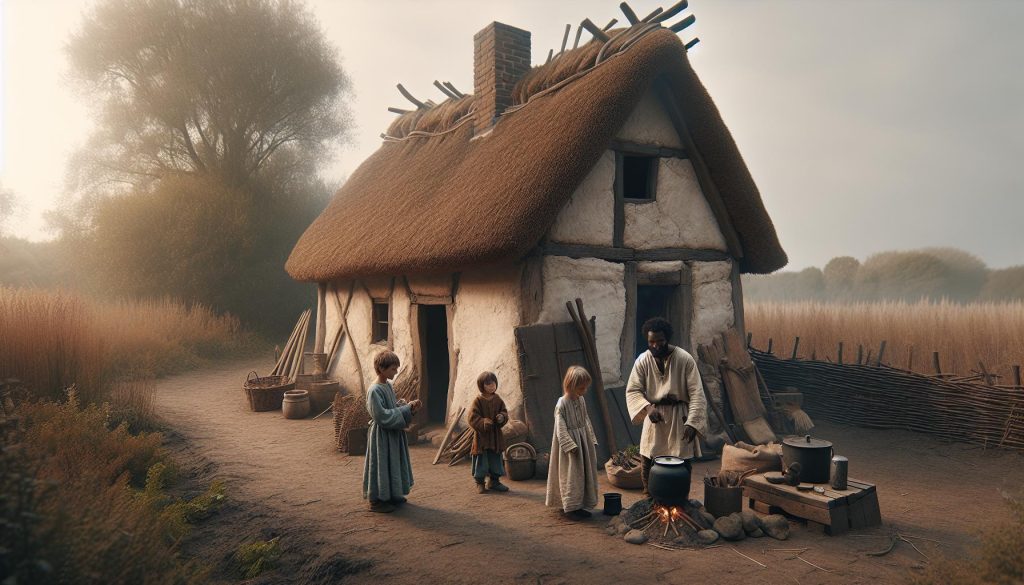
Imagine living in a world where homes were often built with materials scavenged from the landscape, each choice reflecting resilience against the harsh realities of medieval life. Understanding what poor medieval houses were made of not only highlights the ingenuity of our ancestors but also resonates with today’s challenges of affordable living. Explore how survival architecture shaped communities and offered practical solutions for shelter, revealing lessons in resourcefulness and creativity that remain relevant as we navigate modern economic difficulties. From wattle and daub to thatched roofs, these structures tell a story of innovation and sustainability. Join us as we delve into the fascinating world of medieval housing, discovering how history’s solutions can inspire our pursuit of well-being in today’s world.
What Materials Were Used in Medieval Housing?
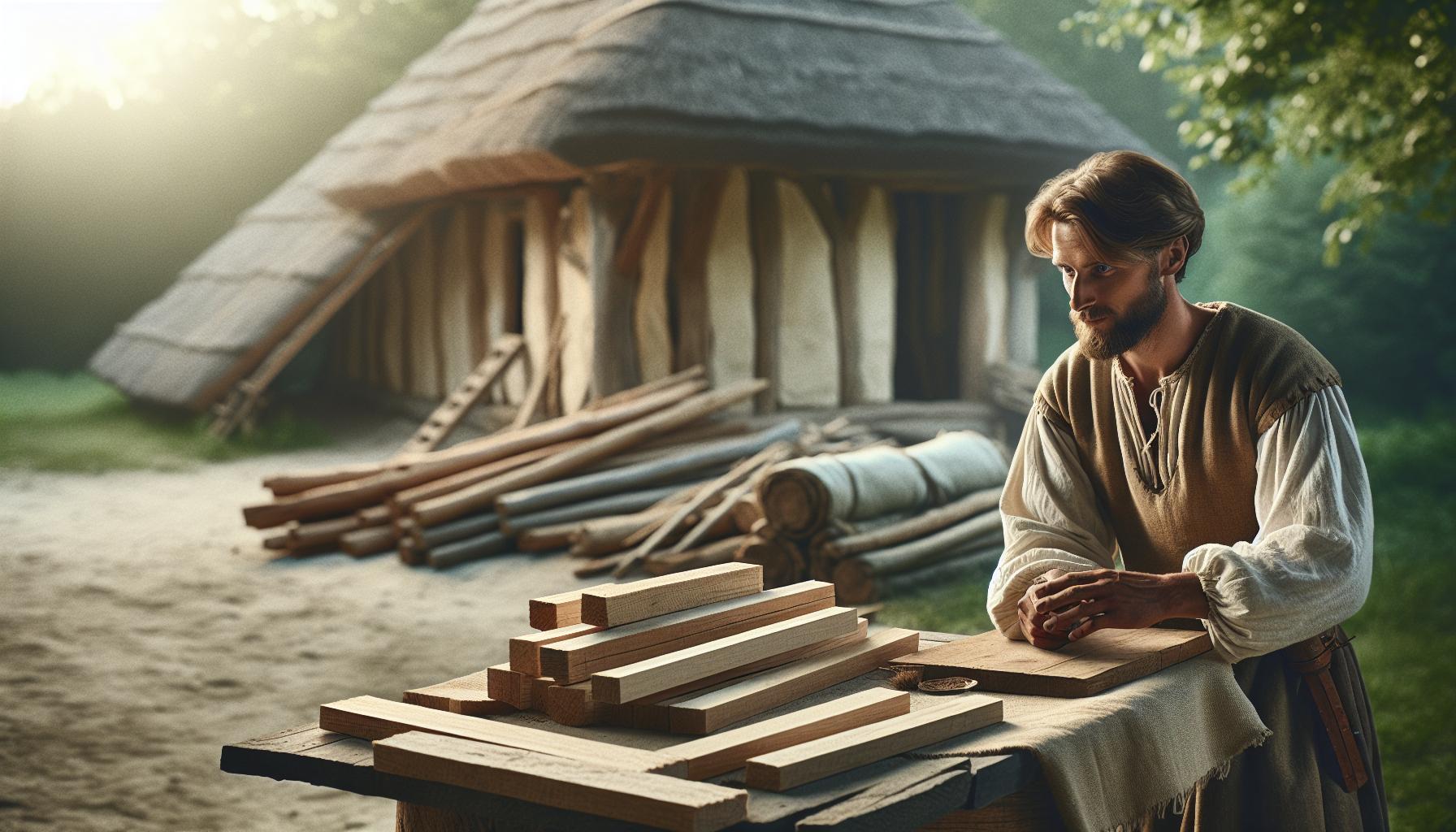
In the medieval era, construction materials were largely dictated by local resources and practicality, reflecting the humble realities faced by the lower class. The predominant materials employed in building poor medieval houses included timber, wattle and daub, thatch, and straw. Each of these choices was not only economically feasible but also optimized for the specific environmental challenges of the time.
The Role of Timber in Medieval Homes
Timber was the backbone of medieval housing construction, particularly due to its accessibility and versatility. Trees such as oak and willow were frequently used because they were abundant. Craftsmen would often utilize timber for frameworks, doors, and sometimes even flooring. These wooden structures provided a solid form of shelter against the elements, as well as a modicum of insulation.
How Thatch and Straw Shaped Roof Designs
Roofs, vital for protecting inhabitants from rain, snow, and wind, were typically constructed using thatch made from dried vegetation such as straw or reeds. This material was not only lightweight but also incredibly effective at shedding water. The steep pitch of thatch roofs was crucial in preventing the accumulation of rainwater, thus prolonging the life of the dwelling underneath.
Uncovering the Significance of Wattle and Daub
The walls of poor medieval houses were commonly made using a technique called wattle and daub. This method involved weaving thin branches (wattle) together to create a sturdy framework, which was then daubed with a mixture of clay, mud, and straw. This combination resulted in a strong, well-insulated wall, enabling families to stay warmer in winter while providing a relatively strong defense against intruders.
The Impact of Local Resources on Home Construction
Local availability of materials played a significant role in shaping the construction of houses. In regions with extensive forests, timber structures flourished, while those near wetlands might rely more heavily on thatch and reeds. Hence, a peasant’s home could vary drastically depending on geography, showcasing an adaptive architecture that reflected the specific needs and resources of each community.
The ingenious combinations of these materials not only made medieval homes functional but also economically sustainable in a time where every resource counted. As you consider your own housing needs today, reflecting on the resourcefulness of medieval builders can inspire innovative and cost-effective solutions that celebrate both creativity and sustainability.
Understanding the Basics of Survival Architecture
In a time when resources were scarce and survival depended on adaptability, medieval housing exemplified the principles of survival architecture. Poor medieval houses were not merely shelters; they were a testament to ingenuity and resilience. Each structure, built from the most available materials, reflected the local environment, community needs, and cultural values. during this period sheds light on the creative solutions that people employed to thrive despite economic hardships.
Utilizing locally sourced materials was essential for these structures. Timber, for instance, was abundant in many regions, providing not just strength but also insulation. This accessibility facilitated a building practice that emphasized durability and effectiveness against the elements. Homes were often designed to withstand harsh winters and inclement weather, showcasing innovative methods like steeply pitched roofs to cascade rain and snow away from the dwelling. Moreover, the technique of wattle and daub emerged as a practical solution for wall construction, combining wood and earth to create safe, sheltering spaces that could be modified or expanded as needed.
The importance of community in this context cannot be overstated. Neighbors frequently collaborated on building projects, pooling resources and labor. This collective effort was not only a means of creating a home but also a way to strengthen community bonds and share knowledge. Through this unity, families learned best practices for preserving warmth in winter and ventilating their homes in the summer, ensuring their living spaces remained comfortable and livable throughout the year.
Today, we can take inspiration from their resourcefulness. By assessing available materials and embracing simplicity, modern homeowners can create sustainable living spaces that align with their financial goals and environmental commitments. Whether you are renovating an existing home or building a new one, consider how local resources can shape your design. Just as medieval builders demonstrated creativity in the face of adversity, we can apply similar principles to our own lives, crafting homes that are both practical and reflective of our values.
The Role of Timber in Medieval Homes
Timber played a crucial role in the construction of poor medieval houses, serving as a primary building material that shaped not only the physical structures but also the daily lives of their inhabitants. The abundance of forests across Europe meant that timber was readily available, making it an accessible choice for families with limited financial resources. This natural resource contributed significantly to the overall resilience of medieval homes, providing both structural integrity and effective insulation against the elements.
In constructing their homes, medieval builders leveraged timber’s versatility in various ways. For instance, heavy timbers were used for the frameworks of houses, creating robust skeletons that could support the weight of thatched roofs while allowing for the inclusion of features like windows and doors. The use of timber also facilitated the creation of upper floors, known as jettying, where the upper level protruded over the lower, maximizing interior space without enlarging the footprint of the structure. Such architectural ingenuity exemplified how resourcefulness was vital in addressing the spatial needs of growing families.
Moreover, the connection to timber was deeply rooted in community practices. Neighbors often came together for communal construction projects, exchanging labor and expertise to build homes efficiently. This not only fostered a sense of solidarity but also engaged the community in learning essential skills related to woodcraft and sustainable building techniques. As families pooled their resources and knowledge, they contributed to the collective resilience of their village or town.
Maintaining a well-constructed timber home also encouraged homeowners to be proactive about their living conditions. Regular checks for rot and insect damage became a routine part of life, promoting not just a sense of stewardship over their properties but also a deeper understanding of their environment. As modern builders can draw inspiration from medieval practices, recognizing the importance of local materials and community collaboration can empower contemporary homeowners to create homes that are both functional and reflective of their values and sustainability goals.
How Thatch and Straw Shaped Roof Designs
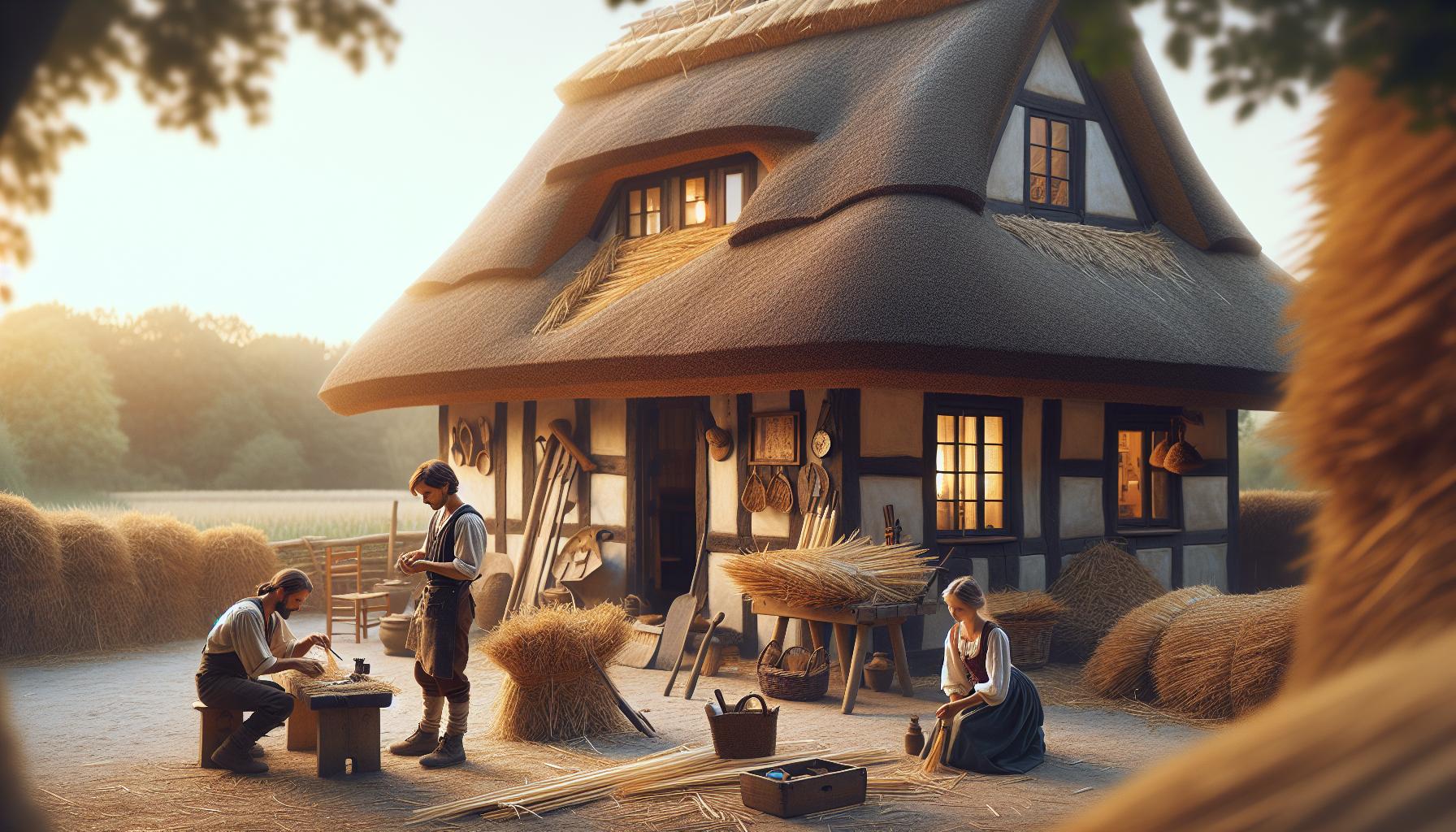
Thatched roofs played a pivotal role in the construction and longevity of poor medieval houses. With thatch primarily made from locally sourced materials such as straw, reeds, and rushes, it was an economical and efficient roofing solution for families across Europe. This type of roofing provided natural insulation, keeping homes warm in winter and cool in summer, which is essential for the comfort of any household. The natural water-repellent properties of thatch also made it a suitable choice for regions with significant precipitation, creating a robust barrier against the elements.
Notably, the method of layering thatch created an air pocket that enhanced insulation. Thatch was laid in a specific manner, with the longest pieces at the bottom and gradually shorter ones layered on top, promoting effective water runoff and preventing leaks. Such construction techniques, despite their simplicity, were refined over generations, reflecting a deep understanding of local climate and environmental conditions. Homeowners often relied on communal knowledge and resources to maintain their roofs, emphasizing the importance of community involvement and shared expertise in medieval life.
Furthermore, the aesthetics of thatched roofs contributed to the overall charm of medieval architecture. Their distinctive, cozy appearance added character to rural landscapes and symbolized a connection to traditional living. Beyond functionality, thatch prompted creativity; many families adorned their rooftops with floral designs or decorative elements made from dried materials, adding a personal touch to their homes.
Understanding the practicality of thatch can inspire modern homeowners. Whether you’re considering cost-effective roofing options or seeking sustainable materials, the principles from medieval architecture can guide contemporary building projects. Embracing local resources, utilizing traditional techniques, and fostering community collaboration can lead to resilient housing solutions today, echoing the enduring spirit of creativity and adaptability that defined medieval life.
Uncovering the Significance of Wattle and Daub

Wattle and daub was a revolutionary building technique that not only defined the character of medieval homes but also showcased the ingenuity of communities constrained by limited resources. This method used wooden frameworks (wattle) filled with a mixture of clay, straw, and animal dung (daub) to create sturdy, insulated walls. The appeal of wattle and daub lay in its accessibility; the materials were typically gathered locally, making it an economically viable option for poorer families who needed to create durable homes that could withstand the elements.
The construction process itself was a community effort, where skills were shared, and children often learned alongside their parents. Incorporating local materials meant that the homes could adapt to the climate and landscape of the region. In areas with abundant clay and timber, wattle and daub houses flourished, demonstrating not just practicality but a deep understanding of environmental resources. As families gathered to help build or repair homes, they fostered strong community bonds, reinforcing the idea that survival architecture was as much about connection as it was about physical shelter.
- Durability: When properly constructed and well-maintained, wattle and daub walls could last for decades, offering excellent thermal insulation.
- Cost-Effectiveness: Using local materials significantly reduced construction costs, allowing families to invest their limited resources elsewhere.
- Flexibility and Creativity: The daub could be shaped and molded, allowing families to express their creativity through decorative elements or functional designs that addressed specific needs.
For modern homeowners inspired by this medieval technique, there are valuable lessons to be learned. Utilizing local, sustainable materials not only lowers costs but also promotes environmental stewardship. Today, individuals can explore ways to incorporate traditional building methods into contemporary contexts, perhaps by focusing on eco-friendly insulation or natural clay plaster. This approach not only respects historical practices but also empowers families to create homes that are both affordable and reflective of their unique circumstances, encouraging a resilient and sustainable lifestyle.
The Impact of Local Resources on Home Construction
Building medieval homes was a resourceful endeavor, shaped by the bounty of local materials found in nature. In the rural landscapes of medieval Europe, access to timber, clay, and thatch often dictated the architecture of a household, directly influencing its durability, warmth, and overall livability. This connection to local resources not only reflected the physical environment but also the community’s resilience and ingenuity. By harnessing the materials at their immediate disposal, families were able to construct homes that stood strong against the elements while also fostering a sense of belonging and collaboration.
The abundance of timber in wooded regions allowed for the creation of sturdy wooden frames, which formed the skeleton of many medieval houses. These frames supported walls made of wattle and daub-a mixture of woven branches (wattle) and a clay/straw combination (daub). This technique demonstrated profound adaptability; communities could mix and match available materials to develop structures tailored to local climatic conditions. For example, areas rich in clay made for effective insulation against harsh winters, while those with plentiful straw adapted well to thatched roofs, providing both shelter and aesthetic appeal.
Moreover, the choice of materials revealed not just practical considerations but also social dynamics within these communities. By using locally sourced materials, families engaged in a barter-like economy, exchanging skills and labor during construction. This teamwork not only strengthened community ties but also empowered individuals, fostering a culture of cooperation and mutual support. Building a house was often a collective endeavor, embodying both function and communal spirit.
Even in today’s world, these ancient practices hold valuable lessons for individuals striving for financial security and sustainability. Reducing dependence on external resources through local sourcing can significantly cut construction costs, allowing families to invest in other crucial areas of their lives. Modern homeowners can draw inspiration from the medieval emphasis on local materials, exploring options such as reclaimed wood, natural insulation, or eco-friendly building techniques. Embracing sustainable practices not only pays homage to our historical roots but also enables families to create homes that are personal, affordable, and aligned with current environmental needs. Building a resilient lifestyle begins with understanding and utilizing what is close to home.
Exploring the Architecture of the Peasant Class
Peasant homes in medieval Europe offer a fascinating glimpse into the resilience and resourcefulness of the lower classes during difficult times. Built with practicality in mind, these homes often reflected a life closely intertwined with the land and community. The architecture of these dwellings not only catered to the immediate needs of shelter but also mirrored the social and economic realities faced by their inhabitants.
The majority of peasant houses utilized local materials, creating structures that were both functional and affordable. Timber was often the primary building material due to its availability in many rural areas. Wooden frames were erected, supporting walls made from wattle and daub, a combination of woven branches covered with a mixture of clay and straw. This construction method was not only cost-effective but also provided reasonable insulation against the elements, showcasing the clever adaptation of available resources. For roofing, thatch made from reeds or straw was popular-it was lightweight, effective in keeping out rain, and, when maintained, could last for many years.
Life in these homes was simple and communal. The layout generally consisted of a single room that served multiple purposes: sleeping, cooking, and socializing. In many instances, animals were also accommodated within the living space to protect them from theft and the harsh weather. This shared environment fostered strong family bonds and a sense of community among neighbors, who often helped one another in building homes and sharing resources. The architecture, therefore, was an expression of the peasant lifestyle, marked by adaptability and mutual support.
While peasant architecture might seem rudimentary by modern standards, it holds critical lessons for today’s world-especially for those seeking affordable housing or exploring sustainable building practices. By understanding the historical relationship between local materials and home construction, contemporary individuals can find inspiration in creating their own living spaces that reflect a blend of practicality and creativity. Whether through community projects or individual initiatives, the principles of resourcefulness and cooperation central to medieval peasant houses can guide current efforts toward building resilient, budget-conscious homes.
Differences in Housing Based on Geographic Location
Across medieval Europe, housing for the lower classes varied significantly based on geographic location, influenced by local materials, climate, and cultural practices. Regions rich in timber, such as the forests of Northern Europe, saw the predominance of wooden structures, while areas in the south utilized stone and adobe to create more durable homes. This disparity not only shaped the physical architecture but also reflected the varying social and economic conditions across different locales.
In northern regions, timber-frame houses dominated, using locally sourced wood for both structural support and insulation. These homes typically featured steep roofs covered in thatch or wooden shingles to manage heavy rainfall and snow. The enclosed spaces often included a central hearth, providing warmth and a gathering point for families. For example, the iconic longhouses of Scandinavia showcased a communal living environment, blending space for both human occupants and livestock, a practical solution for harsh winters and security needs.
Conversely, in the warmer southern regions, such as the Mediterranean, homes were often built from sun-dried mud bricks or stone, materials that provided thermal mass to keep interiors cool in summer. The design of these dwellings took advantage of natural ventilation, featuring high ceilings and small windows to promote airflow while maintaining privacy and security. Examples of such architecture include the simple, whitewashed houses found in parts of Italy and Greece, which not only reflected local materials but also adapted to cultural habits surrounding family life and communal gatherings.
Ultimately, understanding the regional differences in medieval housing informs contemporary discussions about sustainable living and resourcefulness. For those today facing budget constraints, exploring local materials and adapting designs to make the most of one’s environment can inspire affordable housing solutions. Whether considering the sturdy timber homes of the north or the cool adobe structures of the south, modern individuals can draw lessons from the resilience and creativity that characterized medieval living. Embracing these principles fosters a sense of community while also promoting sustainable practices that benefit both individuals and the greater society.
Ventilation and Insulation Techniques in Poor Houses
In the often cramped and rudimentary homes of the medieval poor, effective ventilation and insulation were essential for survival, particularly during the seasonal extremes of winter and summer. While these houses were constructed with locally available materials such as timber, wattle, daub, or thatch, understanding how to optimize these resources for airflow and temperature control was key to maintaining a livable environment.
Ventilation in poorer medieval homes was achieved primarily through strategic design choices. The placement of small windows, often high in the walls, minimized drafts while allowing heat to escape rather than accumulate. In addition, the inclusion of a centrally located hearth not only served as the primary heat source but also functioned as a natural exhaust for smoke, creating an upward airflow that helped circulate fresh air from outside. Many homes included small vents or flues in their roof designs, which further facilitated the evacuation of stale air. This practice not only improved air quality but also prevented the buildup of soot and smoke from cooking and heating, significantly reducing fire hazards in these closely packed living spaces.
Despite their simplistic construction, insulation techniques in these homes were notably innovative. In regions with harsh winters, thick walls made of wattle and daub effectively trapped heat while also providing a degree of sound insulation. The use of thatch roofs helped to insulate against cold and heat alike; packed straw acted as a barrier, keeping warm air inside during the frigid months. To stave off the dampness common in low-lying areas, homes were often raised slightly off the ground using stone, timber, or even mud bricks, minimizing direct contact with moisture-laden soil. Furthermore, families often used household textiles-such as quilts and blankets-to cover windows and doorways, reducing heat loss and blocking cold winds.
The layering of knowledge gained from these past practices can be a beacon of creativity for those today facing budget constraints. By adopting modern methods that draw inspiration from medieval ingenuity, individuals can enhance their own living spaces. Whether through DIY projects utilizing affordable materials or exploring efficient heating systems that echo the principles of medieval survival architecture, the lessons of the past persist as powerful guides for resilient and budget-conscious living. Embracing resourcefulness not only cultivates a sense of community and shared knowledge but can also cultivate a space that is warm, inviting, and economically viable for future generations.
The Evolution of Medieval Housing Over Centuries
The progression of housing in medieval times reveals remarkable ingenuity and adaptability to changing needs, climates, and resources. From the crude structures of the early medieval period to more sophisticated designs by the late Middle Ages, each era showcased a response to environmental challenges and social structures. As communities evolved, so did their approach to architecture, reflecting not only survival strategies but also cultural identities.
In the early medieval period, homes were primarily simple one-room dwellings often constructed from readily available materials like timber and thatch. The use of wattle and daub was common, with clay mixtures providing both insulation and structural integrity. Over time, these homes began to incorporate functional elements such as central hearths, which provided warmth and served as cooking areas. This was an era where families worked together to maintain their homes, with each member contributing to construction and repairs. As societies became more settled and agricultural practices improved, houses began to expand both in size and in complexity.
The late medieval period saw significant advancements in building techniques and materials. As trade routes flourished, access to a wider variety of building materials increased, leading to innovations such as stone foundations and more intricate timber framing. In urban areas, housing became more densely packed, and multi-story buildings began to appear, accommodating the growing populations. Additionally, the social implications of these architectural choices became apparent. For example, the inclusion of decorative elements and larger windows in wealthier homes indicated status and prosperity, while poorer households continued to rely on more austere and functional designs.
Throughout these changes, the essence of survival architecture remained. The ability to adapt to local climates and available resources was crucial. For example, in wetter regions, elevated structures and thatched roofs were preferred to prevent flooding and moisture accumulation. This evolution reflects a broader trend: as people adapted their homes to their environmental context, they also embraced new ideas and techniques, laying the groundwork for modern building practices today.
Ultimately, understanding the evolution of medieval housing offers valuable lessons in resilience and resourcefulness. Emphasizing local materials and innovative construction techniques not only meets immediate survival needs but also fosters a connection to community and environment. Embracing these principles can inspire modern homeowners to create efficient and budget-friendly living spaces without sacrificing comfort or creativity. As individuals look to build their own homes or renovate existing ones, drawing on the wisdom of the past can lead to innovative solutions that are both economically viable and socially enriching.
Social Implications of Material Choices in Housing
The choices made regarding building materials in medieval housing reveal much about the societal structure and values of the time. For the poorer classes, who often lived in simple structures made from local resources such as wattle and daub, timber, and thatch, these choices were a reflection of necessity more than status. This survival architecture not only provided shelter but also symbolized the resilience and creativity of people facing economic hardships. Understanding this can inspire modern readers to appreciate the inherent value of adaptability and resourcefulness in their own lives.
The Interplay of Material Choices and Social Status
In medieval society, the type of materials used in a home was often indicative of one’s social standing. Wealthier families could afford durable materials like stone and tiles, allowing them to build larger, more complex structures with decorative elements. In contrast, the poorer population relied on readily available and inexpensive materials. The use of wattle and daub, a mixture of sticks (wattle) and clay (daub), not only kept costs low but also demonstrated an intimate connection to the land they inhabited. This practical choice was driven by circumstance and served to foster community ties, as families often helped each other gather materials and construct their homes.
Beyond the immediate need for shelter, these material choices held deeper significance. Buildings constructed from local resources often bore the unique characteristics of the region, reflecting a community’s heritage and traditions. Inhabitants felt a sense of pride in their homes, even if they were modest. This connection to place and culture can be mirrored today; modern families can realize the value of using local goods and materials, fostering both a sense of belonging and sustainability.
Lessons for Contemporary Living
In today’s world, where financial constraints often dictate lifestyle choices, looking back at medieval housing can provide valuable lessons on resilience and financial prudence. Emphasizing the importance of local and affordable materials can empower individuals and families to craft homes that reflect their values and creativity without overstretching their budgets. Here are some practical approaches:
- Repurposing Materials: Just as medieval builders utilized local resources, modern homeowners can look into upcycling materials for renovations or new constructions.
- Community Collaboration: Engaging with neighbors and friends in DIY projects fosters community spirit while sharing the costs and labor of building or refurbishing homes.
- Embracing Minimalism: Limiting the scope of home projects to what is necessary can reduce expenses and focus the space on what matters most to the family.
By adopting an entrepreneurial spirit in their home-building or renovation endeavors, individuals can celebrate creativity and resilience, drawing from the wisdom of the past to carve out a sustainable future. Recognizing that thoughtful choices in materials and design can lead to a fulfilling living experience allows for a lifestyle that values both practicality and personal expression. Such reflections can serve as a powerful reminder to cultivate environments that nourish both the spirit and community.
Faq
Q: What were the common materials used for poor medieval houses?
A: Poor medieval houses were primarily constructed using local materials such as timber, wattle and daub, thatch, and sometimes stone or mud. These materials were often readily available and affordable, allowing peasants to build functional shelters suited for their environment.
Q: How did geography influence the construction of poor medieval houses?
A: Geography played a crucial role in medieval housing construction. In forested areas, timber was the main building material, while in regions with abundant clay, wattle and daub became prevalent. This ensured that homes were built from resources that were both accessible and cost-effective for local populations.
Q: What are wattle and daub, and why was it used in medieval homes?
A: Wattle and daub is a composite building material made from woven wooden strips (wattle) covered with a mixture of clay, mud, or straw (daub). It was commonly used in medieval houses due to its insulation properties and the relative ease with which it could be constructed using local materials.
Q: How did poor medieval houses ensure insulation and ventilation?
A: Poor medieval houses employed thick walls made of wattle and daub for insulation, while strategically placed windows and thatched roofs helped regulate ventilation. These design choices were essential for maintaining warmth in winter and allowing airflow during summer, balancing comfort and practicality.
Q: What architectural features were common in poor medieval houses?
A: Common architectural features of poor medieval houses included a single room layout, thatched roofs for rain protection, and minimal windows. This simplicity was due to financial constraints and the need for efficient use of available materials while still providing basic shelter.
Q: Why were thatched roofs popular among the poor in medieval times?
A: Thatched roofs were popular due to their cost-effectiveness and insulating properties. Made from straw or reed, they provided excellent protection against the elements while being lightweight and easy to repair, making them ideal for poorer households.
Q: How did local resource availability affect housing styles in medieval communities?
A: Local resource availability directly influenced housing styles, as communities adapted their building techniques to utilize what was around them. Areas with abundant timber featured wooden structures, while regions rich in clay leaned towards wattle and daub, showcasing a diverse range of architectural responses.
Q: What challenges did the poor face regarding their housing conditions?
A: The poor faced numerous challenges, including inadequate insulation, susceptibility to weather damage, and limited space. Homes were often cramped and vulnerable to pests, leading to difficult living conditions that complicated daily life and survival.
The Way Forward
Understanding the humble materials used in poor medieval houses highlights the resilience and resourcefulness of those times. From wattle and daub to thatched roofs, each element tells a story of survival shaping the communities we study today. If you found this exploration intriguing, dive deeper into the architectural innovations of the Middle Ages with our article on “Essential Features of Medieval Architecture,” or discover how social classes influenced living conditions in medieval Europe.
Don’t miss out on future insights-subscribe to our newsletter for in-depth articles delivered straight to your inbox. If you have questions or insights about medieval life, we encourage you to leave a comment below. Your thoughts contribute to a vibrant community eager to explore history together! Keep your curiosity alive and join us as we uncover more fascinating aspects of history and architecture.