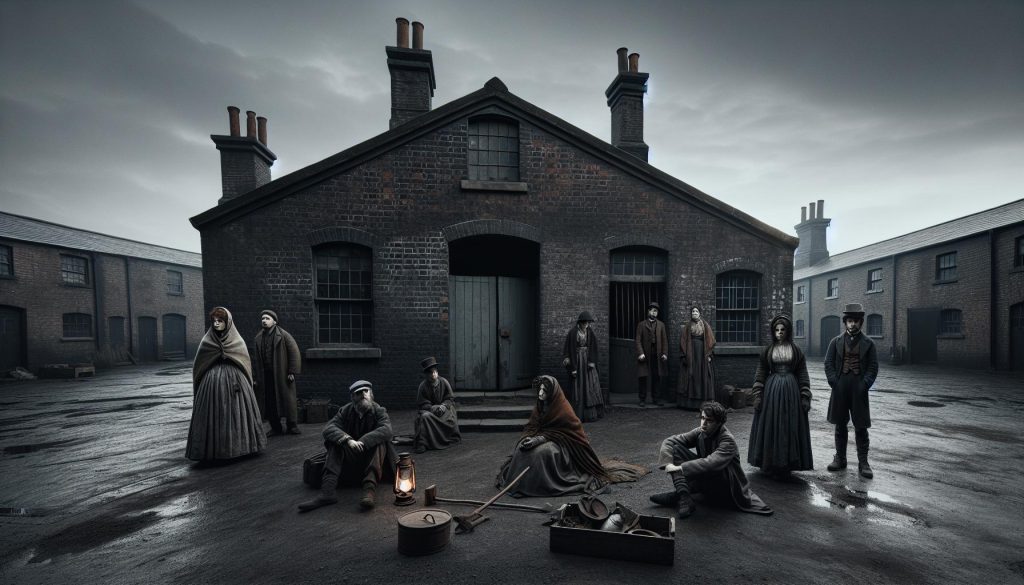
In the heart of the Victorian era, when rapid industrialization coexisted with profound social challenges, the Victorian poor house became a grim symbol of hardship and necessity. These institutions were created as a means to provide relief for the impoverished, yet they often reflected the harsh realities of societal neglect and moral judgment. Understanding the legacy of these poor houses is not just about exploring a bleak chapter in history; it offers crucial insights into the complexities of welfare, human dignity, and community resilience that still resonate today. As we delve into their history, you’ll uncover how these establishments serve as a mirror reflecting both the struggles of the past and the lessons that can guide our modern approach to compassion and support for those in need. Join us as we unravel the untold stories of resilience and the enduring spirit of those who faced unimaginable circumstances within the walls of these institutions.
What Were Victorian Poor Houses?
Throughout the Victorian era, poor houses emerged as a stark representation of society’s struggles and the complexities of poverty. These institutions, officially known as workhouses, were established to provide shelter and employment to the impoverished, reflecting both a compassionate effort to help those in need and a punitive system aimed at discouraging reliance on public assistance. Marking a significant shift in how society cared for its most vulnerable, poor houses often carried a dual identity of refuge and punishment, creating an ambiguous legacy that still resonates in discussions about social welfare today.
In essence, Victorian poor houses served as a last resort for those who could not support themselves, whether due to illness, unemployment, or other personal disasters. Families often faced the agonizing decision of whether to separate in order to gain assistance. The workhouse system was characterized by the Poor Law Amendment Act of 1834, which standardized conditions and imposed stringent measures on applicants to discourage frivolous requests for aid. Life within these walls was strictly regimented, with rules dictating waking hours, meals, and even personal behavior, emphasizing hard work as a virtue while stigmatizing individuals seeking help.
While poor houses aimed to address the immediate needs of the destitute, they also reflected broader societal attitudes toward poverty. The stigma associated with entering a workhouse was profound, as the institutions were viewed as places of shame rather than sanctuary. This perspective often further disempowered already vulnerable populations, perpetuating cycles of poverty. Yet, the very existence of these establishments highlighted the ongoing and often ignored struggles of the working class, prompting discussions about social justice, rights, and reforms that would shape future welfare policies.
Understanding the complex nature of Victorian poor houses allows us to reflect on current social support systems. It serves as a reminder of our responsibility towards those in need and encourages an empathetic approach that recognizes the struggles of individuals beyond their economic status. As modern society continues to grapple with issues of poverty and assistance, the lessons from the Victorian era remain relevant, urging us to build inclusive communities that empower rather than stigmatize.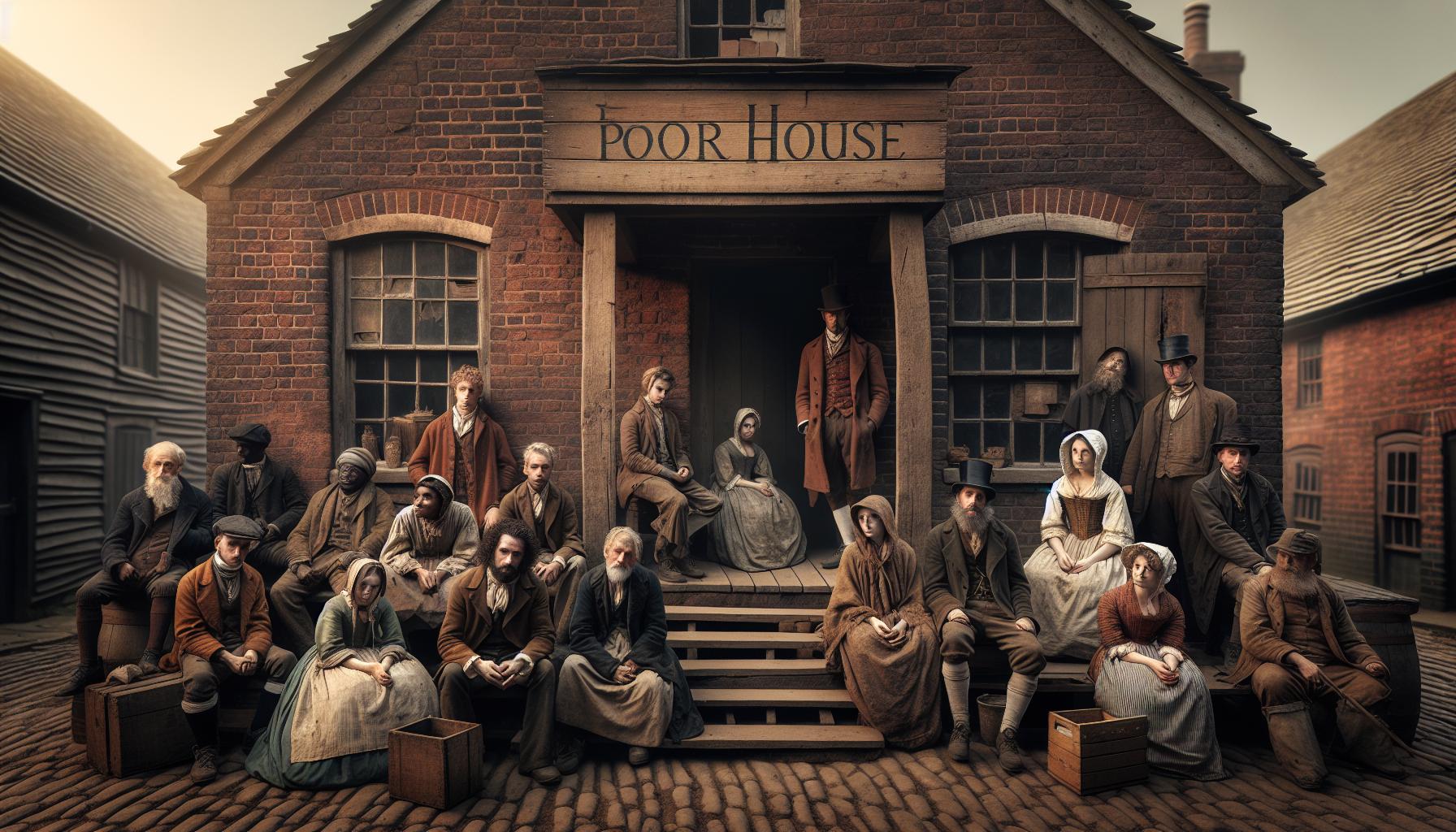
The Historical Context of Poor Houses
The establishment of poor houses, or workhouses, in Victorian England marked a significant turning point in societal approaches to poverty and welfare. This new system emerged in the early 19th century, primarily as a response to growing industrialization, urban migration, and the consequent rise in destitution. The Industrial Revolution had triggered mass shifts in population as individuals flocked to cities for work, often facing harsh conditions. As the gap between the wealthy and the poor widened, the existing care structures for the impoverished became increasingly inadequate, leading to the implementation of the Poor Law Amendment Act of 1834. This legislation not only standardized the treatment of the poor but also introduced stringent measures aimed at discouraging reliance on public assistance.
Understanding the historical context reveals that these institutions were part of a broader societal philosophy concerning work and merit. By linking aid to labor, the workhouse system was designed to reinforce a sense of responsibility among the poor. Often, this meant long hours of hard, unskilled labor in unpleasant conditions, emphasizing the Victorian values of industry and morality. Rather than providing unconditional support, the system imposed a framework that sought to “reform” those in need by forcing them to demonstrate their worthiness through toil.
Despite their intent, poor houses often became synonymous with fear and stigma. Many people viewed them as a last resort, reflecting prevailing attitudes that equated poverty with personal failure. This negative perception discouraged families from seeking help, even in dire circumstances. The reality was that entering a workhouse often meant separation from loved ones, as families were frequently split up according to age and gender. For some, the very thought of the workhouse represented not just a loss of dignity, but a forfeiture of hope.
As these institutions evolved, they became essential in addressing the complexities of poverty during the Victorian era. While they provided a safety net for the destitute, they also spotlighted the inadequacies of the welfare system. The ongoing debates about the compassion versus punishment inherent in the workhouse model continue to resonate today, prompting reflections on our current approaches to social welfare and highlighting the need for a more humane and understanding framework.
Living Conditions in Victorian Poor Houses
The stark reality of life in Victorian poor houses was often one of extreme deprivation, reflecting a system designed more to deter the needy than to provide them with comfort. Families entering these institutions were typically met with cramped quarters, strict rules, and insufficient resources. Many workhouses had walls that echoed with the sounds of despair, a testament to the arduous realities faced by their inhabitants.
In terms of physical conditions, the accommodations were substandard at best. The wards designated for the poor were often overcrowded, with multiple beds crammed into small spaces. Hygiene was a significant issue-facilities were frequently inadequate, contributing to the spread of diseases. Basic necessities like clean water, proper sanitation, and adequate ventilation were lacking, leading to a chronic environment of filth and suffering. Meals served in the workhouses were meager and monotonous, typically made up of gruel or thin soup, which barely sustained the inhabitants.
Regulations and Routine
Life within these walls was governed by strict schedules and regulations. Inmates were subject to early rising and long hours of work, which could include menial tasks such as breaking stones, stitching, or farming-often under the watchful eyes of overseers who enforced a harsh discipline. The emphasis was on productivity, with little regard for the physical or mental well-being of the residents. This regime shaped not only their daily existence but also contributed to a broader societal belief in the merit of hard work, regardless of the dire circumstances that often drove individuals and families to seek help.
Despite these oppressive living conditions, the human spirit displayed resilience. Many inmates formed informal communities within the workhouses, sharing their stories, struggles, and skills with one another. It was in these shared experiences that some derived comfort and hope for eventual change, emphasizing the power of solidarity even in the bleakest of environments.
Understanding the sheds light on the complexities of poverty and the societal attitudes that shaped welfare policy during this era. It serves as a poignant reminder of the importance of compassion and dignity in addressing the needs of vulnerable populations today.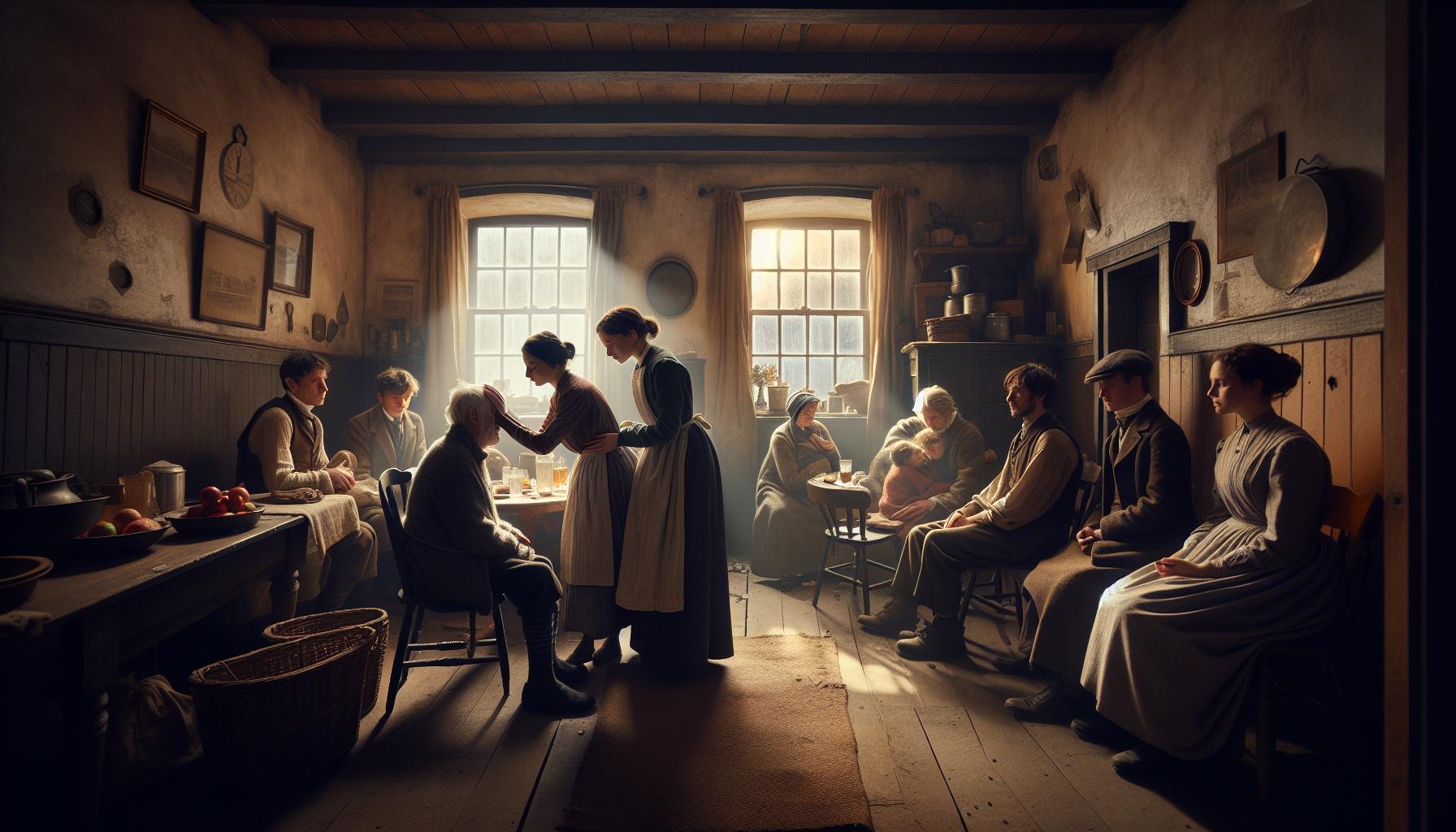
The Role of Poor Houses in Society
The Victorian poor houses, often referred to as workhouses, played a complex role in society during a time when economic hardship was prevalent. These institutions were intended as a solution to rampant poverty, designed to provide shelter and basic sustenance to those who could not support themselves. However, their impact often veered towards the unsettling, as they became embodiments of social control rather than compassionate care.
These establishments were established under the Poor Law Amendment Act of 1834, which aimed to reduce the financial burden of public welfare on taxpayers by deterring anyone from seeking assistance unless absolutely necessary. The philosophy behind the workhouse system was that individuals should experience a level of hardship that would inspire them to seek work and self-sufficiency. This often resulted in poor houses being viewed not as places of refuge but as institutions of punishment for the impoverished. Families, the elderly, and vulnerable individuals faced the harsh, dehumanizing conditions that dictated their daily lives, reinforcing societal stigmas around poverty and dependence.
Despite this grim utility, workhouses also served an essential social function. They were often the only available safety net for the destitute, providing a refuge in times of dire need. The communities within these walls occasionally fostered a sense of camaraderie among inmates, as they shared common struggles and exchanged stories of resilience. This bittersweet solidarity could offer deeper emotional supports, showcasing how even in the bleakest of conditions, human connections often emerged.
As societal perspectives began to shift in the late Victorian period, the shortcomings of the poor house system became more apparent, sparking discussions about social reforms. Critics highlighted the need for more humane approaches to poverty alleviation that considered the dignity of the individual. The difficult reality of life in these institutions ultimately contributed to the gradual transformation of welfare systems in Britain, leading to policies that aimed to better support vulnerable populations with compassion rather than control.
In reflecting on the role of poor houses, it’s important to draw lessons for contemporary discussions around poverty and assistance. Acknowledging the complexities of economic hardship reminds us that today’s solutions must focus on empowerment, dignity, and resilience, ensuring that every individual has access to the resources they need for a fulfilling life.
The Housing Crisis of the Victorian Era
The rapid urbanization and industrialization of the Victorian Era resulted in a significant housing crisis, particularly impacting the lower classes. In cities experiencing explosive growth, such as Manchester and London, the demand for affordable housing far outstripped supply. This imbalance led to overcrowded conditions; entire families often crammed into single-room accommodations, which further deteriorated in quality as landlords sought to capitalize on the demand. The poor were left with little recourse, and many turned to the workhouse system as a last resort for shelter.
As industrial jobs proliferated, workers flocked to urban areas for employment, but they encountered scant options for housing. The existing tenements were frequently substandard, lacking basic sanitation and safety measures. Public health crises emerged, with overcrowded living spaces contributing to outbreaks of diseases such as cholera and typhus. In this context, poorhouses were touted as solutions to the problem, albeit with harsh living conditions that stripped residents of dignity.
Additionally, the Victorian housing crisis shed light on broader social issues, including class disparities and inadequate welfare systems. The poor were often stigmatized, with society prevailing on the belief that poverty was a result of personal failure rather than systemic issues. This cultural narrative reinforced the rigid divide between classes and complicated the willingness of reformers to battle against established structures like the workhouse system.
In the face of these challenges, it’s important for modern readers to draw lessons from history when approaching housing and poverty today. Advocating for affordable housing initiatives, supporting community development projects, and fostering empathy towards those facing economic challenges are all crucial steps. By learning from the past and recognizing the complexities of housing crises, society can work towards creating a more equitable future where everyone has a safe place to call home.
Social Stigmas Surrounding Poor Houses
The stigma surrounding poorhouses in the Victorian era was deeply rooted in societal beliefs about poverty, morality, and personal responsibility. Many viewed those living in poorhouses as embodying moral failings, with poverty seen as a consequence of laziness, vice, or lack of ambition. This mindset was perpetuated by the notion that individuals had the power to escape their circumstances through hard work and determination. Consequently, those who sought refuge in poorhouses faced scorn and derision, compounding their already dire situation.
Moreover, the architectural design and operational practices of poorhouses often reflected their grim reputation. These institutions were typically austere, resembling prisons more than places of shelter. The harsh realities of life inside, such as regimentation, strict rules, and minimal provisions, solidified the notion that residents were undeserving of compassion. Such sentiments made it challenging for individuals to seek assistance, fearing the judgment of their peers and the loss of their dignity. This social ostracism not only deterred people from utilizing these essential services but also contributed to the cyclical nature of poverty, since individuals often felt trapped by societal perceptions that deemed them unworthy of better opportunities.
It is essential to recognize how these stigmas impacted the policymaking process and social reforms. Many reformers aimed to improve conditions within poorhouses, yet societal attitudes often stymied meaningful change. The prevailing belief that the poor were responsible for their plight led to a reluctance to allocate resources for improving living conditions or providing additional support. This ingrained stigma served as a barrier to developing more effective social safety nets, as reformers had to navigate not only the systemic issues within the welfare system but also the pervasive societal attitudes that labeled the poor as inferior.
As we reflect on this historical context, it serves as a reminder of the importance of compassion and understanding toward those facing economic difficulties today. Challenging stigmas associated with poverty is crucial for advocating for equitable solutions, promoting empathy, and creating an inclusive society where individuals are valued regardless of their financial circumstances. Recognizing our shared humanity can lead to more responsive policies and community support systems that prioritize dignity and fairness for all.
Daily Life and Activities in Poor Houses
Life in Victorian poorhouses was largely a struggle, shaped by the social and economic conditions of the era. Residents faced a stark reality that was often filled with routine, regimentation, and the constant specter of societal judgment. While each poorhouse had its own rules and structures, common activities in these institutions were centered around survival and compliance with the strict system imposed by their overseers.
Daily life typically began early, with residents rising at dawn to partake in morning chores. These tasks, assigned based on age and physical ability, often included cleaning communal areas, cooking, and laundry. Men might be engaged in more physically demanding labor such as farming or maintenance of the grounds, if applicable, while women and children focused on household duties. The regimen was stringent, emphasizing obedience and self-discipline, which mirrored the harsh treatment that many residents expected from the wider world outside.
Meals in poorhouses were basic and sometimes meager, highlighting the institutional neglect that was common in these facilities. Breakfast often consisted of porridge or bread, with lunch and dinner similarly sparse, usually comprising little more than gruel or boiled vegetables. Limited nutritional variety led to widespread malnutrition and health problems, exacerbated by cramped living conditions. Still, mealtimes were communal and provided a rare opportunity for social interaction among residents, fostering a sense of fleeting community spirit amid the hardships.
Evenings might be spent in shared spaces where residents could engage in simple activities such as reading or quiet conversation. However, the oppressive atmosphere left little room for leisure-the overarching goal was compliance with the system. For many, the poorhouse was not merely a refuge from homelessness but a daily reminder of their marginalized status.
In spite of the grim conditions, some residents found ways to carve out a sense of agency and support. Residents occasionally formed informal groups to share skills-such as sewing or crafts-which could provide them with a modicum of purpose and an opportunity for an independent income through small projects. These activities, although limited, showcased the inherent resilience that many possessed, highlighting a critical element of human spirit nestled within the stark confines of Victorian poorhouses.
Ultimately, the daily realities of poorhouses are a testament to enduring human resilience even under challenging circumstances. Recognizing these historical conditions serves not only as a reflection on the past but also as a call to foster compassion and understanding for those facing economic hardships today. Empowering narratives from the poorhouses remind us of the value of community and the importance of dignity for all individuals, regardless of their financial circumstances.
The Impact of Poor Houses on Families
The Victorian poor houses profoundly affected families, reshaping their structure, dynamics, and emotional landscapes. For many, these institutions were a last resort, driven by factors such as unemployment, illness, or familial breakdown. Instead of providing a nurturing environment, poor houses imposed harsh realities that often strained familial bonds. Families were frequently separated upon entry; children were physically removed from parents, leading to a distressing upheaval of familial connections and responsibilities.
The implications of this separation were dire. Not only were parents deprived of their children’s companionship, but the emotional toll of not knowing the fate of their loved ones could lead to despair and a sense of loss that lingered long after leaving the poor house. The institutional care provided for children often lacked affection and individual attention, risking lifelong psychological impacts. In stark contrast, the welfare of youth became a communal concern, with children absorbing the hardships and stigmas that marked their households.
Moreover, poor houses functioned within a rigid system that stressed compliance and obedience, often encouraging a culture of shame regarding dependency. Families entering these institutions faced societal stigmas that etched deep-seated feelings of inadequacy and failure. Many residents struggled with identifying as part of a community, overshadowed by the label of “poor” which was rooted in public perception. The shared experience of hardship at times fostered temporary solidarity among residents; however, the environment’s oppressive nature often stifled true community building.
Despite the grim realities, families in poor houses demonstrated remarkable resilience. Many sought to preserve familial bonds informally, establishing networks of support within their walls. For instance, parents would attempt to arrange visits or exchange messages with their children, leveraging any small opportunity to maintain their family unit as best as possible. This determination to connect amid adversity reflects the unwavering family spirit that can often thrive even in the most challenging of circumstances.
Ultimately, the experience of Victorian poor houses painted a complex picture of family life during this era, laden with trials yet illuminated by the enduring bonds of love and dedication. Understanding this historical context can inspire contemporary families facing challenges, highlighting the importance of community support, resilience, and the tireless pursuit of connection in times of need.
Reforms and Changes to the Poor House System
The grim realities of Victorian poor houses prompted substantial social and political reforms that aimed to improve the conditions within these institutions and alter public perception of poverty. Initially designed to provide shelter and food, poor houses often became synonymous with neglect and despair. As advocacy for the poor became more vocal, reformers identified the need to create a system that offered not just basic sustenance but dignity and support.
One significant turning point was the Poor Law Amendment Act of 1834, which aimed to reduce the financial burden of poor relief on local parishes. This act introduced the workhouse system, which emphasized a more punitive approach, where relief was given only in exchange for labor. The intent was to discourage dependency on public aid. However, the stark reality was that these workhouses often continued to perpetuate inhumane conditions, sparking further opposition and the desire for reform.
By the latter half of the 19th century, public outcry regarding the maltreatment of inmates gained momentum. Influential social reformers, such as Octavia Hill and Alfred, Lord Tennyson, began to advocate for kinder treatment and better facilities. Their efforts helped shift the discourse around poverty from a moral failing to a societal issue requiring systemic change. Key reforms included:
- Improved Living Conditions: Acknowledging the dire conditions, many workhouses began to implement reforms that included better sanitation, nutritional standards, and access to healthcare.
- Family Unity Focus: Some efforts were made to prevent the separation of families upon entry to poor houses, allowing them to live together whenever possible.
- Education Initiatives: Recognizing the importance of education, some institutions started to provide schooling for children who resided there, offering a glimmer of hope for a brighter future.
Despite the initial resistance to these changes, gradual reforms led to the establishment of more compassionate welfare practices and the eventual creation of social security systems in the 20th century. The legacy of these reforms emphasizes the importance of addressing poverty with empathy and support, reminding us that even in challenging financial circumstances, fostering community, dignity, and hope can lead to lasting positive change. These historical lessons inspire contemporary approaches to social welfare, inviting us to promote behaviors that encourage resilience and connection amidst adversity.
Notable Cases and Personal Stories
Throughout the Victorian era, many personal stories emerged from poor houses that illuminated the harsh realities of life within these institutions. One notable example is that of a woman named Mary Ann, who entered a workhouse after the death of her husband left her destitute. Despite the grim circumstances, Mary Ann demonstrated resilience and resourcefulness. She managed to secure a place in the workhouse alongside her two children, fiercely determined to keep her family together despite the overwhelming challenges.
While life in the workhouse was fraught with hardship, personal accounts reveal small victories that humanized the experience. For instance, children residing in these institutions often forged close bonds with one another, forming makeshift families in an environment marked by strict rules and harsh conditions. The story of siblings James and Lucy highlights this, as they supported each other through various tasks and shared dreams of escaping their dire situation. Their determination to remain united provided both of them with a crucial sense of hope and purpose, demonstrating the profound impact of familial bonds even under duress.
Another inspiring figure is that of Thomas, a laborer who found himself in a workhouse after a series of unfortunate events left him unemployed. While initially feeling defeated, Thomas used his time in the workhouse to learn new skills, such as carpentry, thanks to the classes offered as part of the institution’s educational initiatives. He later utilized this knowledge to secure a job upon his release, emphasizing how even the bleakest situations could lead to personal growth and improved circumstances.
These stories emphasize the strength of the human spirit during one of the harshest periods of social history. They remind us that, even amid despair, there are narratives of courage and survival that serve as powerful lessons today. Each case not only shaped individual lives but also highlighted the need for systemic change within society. Recognizing the worth and dignity of every individual became a cornerstone in the push for reforms, ultimately leading to a broader understanding of welfare and human rights. Embracing the lessons from these narratives in contemporary discussions can encourage a compassionate approach toward those facing similar hardships today, reminding us of our shared humanity and the importance of community support.
Legacy of Victorian Poor Houses Today
The echoes of the Victorian poor houses resonate today, reminding society of the importance of compassion and community support in addressing poverty and homelessness. While the grim past of these institutions often overshadows their legacy, they have also paved the way for contemporary attitudes toward social welfare and assistance. Today, many communities are rethinking the delivery of social services, integrating lessons learned from the workhouse system to create more humane and effective support structures.
Modern society recognizes that merely providing shelter is not sufficient; rather, a holistic approach to assistance is critical. This includes access to mental health resources, job training programs, and support for families facing hardship, echoing the resilience seen in historical narratives. For instance, community-driven initiatives often focus on empowering individuals, much like Thomas in the workhouse who seized opportunities for personal growth. By fostering skill development and emphasizing personal agency, these programs aim to break the cycle of poverty in a more sustainable manner.
Furthermore, public awareness campaigns continue to address the social stigmas surrounding poverty, aiming to dismantle stereotypes similar to those faced by individuals from poor houses in the Victorian era. Schools, local governments, and non-profits work collaboratively to promote understanding and acceptance, transforming the narrative around poverty into one of resilience and community strength.
Ultimately, the legacy of the Victorian poor houses serves as a crucial reminder that society must strive to treat all individuals with dignity and respect. Engaging in local efforts to support the vulnerable-whether through volunteer work, donations, or advocacy-can foster a sense of connectedness and shared responsibility. Every action contributes to a culture of empathy, ensuring that no one is left behind in the march toward a more equitable future.
Exploring Museums and Sites of Interest
Exploring the remnants of Victorian poor houses can be an enlightening journey, revealing both the stark realities of the past and the progress made in social welfare today. Many museums and sites dedicated to this era highlight the complex narratives of poverty, resilience, and reform. Visiting these places offers not only an educational experience but also a chance to reflect on the values of empathy and community support that are essential in modern society.
One notable site is the Charles Dickens Museum in London, which celebrates the life and works of the famous author who boldly depicted the struggles of the poor. Dickens’ writings often highlighted the grim conditions of workhouses and the desperate lives led by many during the Victorian era. The museum features exhibitions that explore these themes, providing visitors with a comprehensive understanding of the societal issues Dickens addressed in his works.
Another poignant location is the Victorian Workhouse Museum in Yorkshire, which reconstructs the environment of a historical workhouse. This immersive experience allows visitors to walk through the dormitories, kitchens, and communal areas, offering a tangible glimpse into the lives of those who sought refuge-or were forced to enter-these institutions. The museum also conducts educational programs and workshops aimed at fostering dialogue about poverty and social responsibility today.
Lastly, sites like the Tewkesbury Museum and Shrewsbury’s Assembly Rooms include collections that focus on local histories related to poor houses, including artifacts and first-hand accounts that bring the stories of those who lived there to life. Such museums often host events and discussions, inviting community engagement and reflection on how far society has come since the Victorian era, while also addressing current social challenges.
As you explore these museums and sites, consider how these historical contexts inform contemporary discussions about poverty and public assistance. Engaging with the history of poor houses not only enriches our understanding of the past but also inspires a renewed commitment to compassion and support for vulnerable populations today. Each visit serves as a reminder of the importance of community, empathy, and continued advocacy for social justice.
Faq
Q: What was the purpose of Victorian poor houses?
A: Victorian poor houses were designed to provide shelter and basic necessities for the destitute and impoverished individuals unable to support themselves. They aimed to deter vagrancy and provide a structured environment for the needy, though conditions were often harsh and stigmatized, leading many to avoid them if possible.
Q: How did Victorian poor houses impact families?
A: Victorian poor houses often disrupted families, as admission typically separated members. This separation was emotionally taxing and created social stigmas, further isolating those who sought assistance. Families had to navigate the stigma while trying to reunite, demonstrating the profound impact on familial relationships and community ties.
Q: What were the living conditions like in Victorian poor houses?
A: Living conditions in Victorian poor houses were stark and often grim. Residents faced overcrowding, inadequate sanitation, and limited food supplies. These factors contributed to an environment of neglect, where the physical and emotional wellbeing of residents suffered significantly, echoing the broader societal views on poverty.
Q: What reforms were made to the poor house system during the Victorian era?
A: Reforms to the poor house system emerged in response to public outcry over inhumane conditions. Notable changes included the implementation of the Poor Law Amendment Act of 1834, which aimed to improve conditions and restrict access to help, emphasizing workhouse over outdoor relief as a means of assistance.
Q: Why were poor houses stigmatized in Victorian society?
A: Poor houses were stigmatized due to societal beliefs that equated poverty with moral failure. This perspective led many to view residents as undeserving or lazy, perpetuating negative stereotypes. This stigma discouraged individuals from seeking help, further entrenching the cycles of poverty.
Q: What was daily life like in a Victorian poor house?
A: Daily life in a Victorian poor house involved strict routines, often with residents waking early for chores, meal preparation, and communal activities. Work was mandatory, and leisure was minimal, creating a rigid environment that emphasized discipline and order, lacking the comforts of home.
Q: Were there notable personal stories from those who lived in poor houses?
A: Yes, numerous personal accounts reveal the struggles and resilience of individuals in Victorian poor houses. Stories often highlight the emotional toll of separation from families, the impact of poverty on dignity, and the varied responses of residents to their harsh realities, offering deep insights into their experiences.
Q: How do Victorian poor houses influence modern perspectives on social welfare?
A: The legacy of Victorian poor houses influences modern social welfare discussions by highlighting the importance of humane treatment and comprehensive support for the needy. Current policies strive to address the failings of past systems, advocating for dignity, respect, and rehabilitation over stigmatization and punishment, evolving the conversation on poverty today.
To Conclude
Understanding the grim history of Victorian poor houses sheds light on the struggles faced by many during this transformative era. If you found this exploration intriguing, dive deeper into related topics such as the impact of the Industrial Revolution on social structures or the evolution of charity and welfare systems in Britain. Don’t miss our article on the significant social reform movements that emerged during the Victorian era, offering insights into the progress made since then.
We invite you to engage further-subscribe to our newsletter for updates on fascinating historical content, or explore our resources on budget-conscious living and smart financial strategies. Every click not only enriches your knowledge but also helps foster a community dedicated to learning and growth. Share your thoughts in the comments below and connect with others who are equally curious about the past. Together, let’s continue this journey into the history that shapes our present!