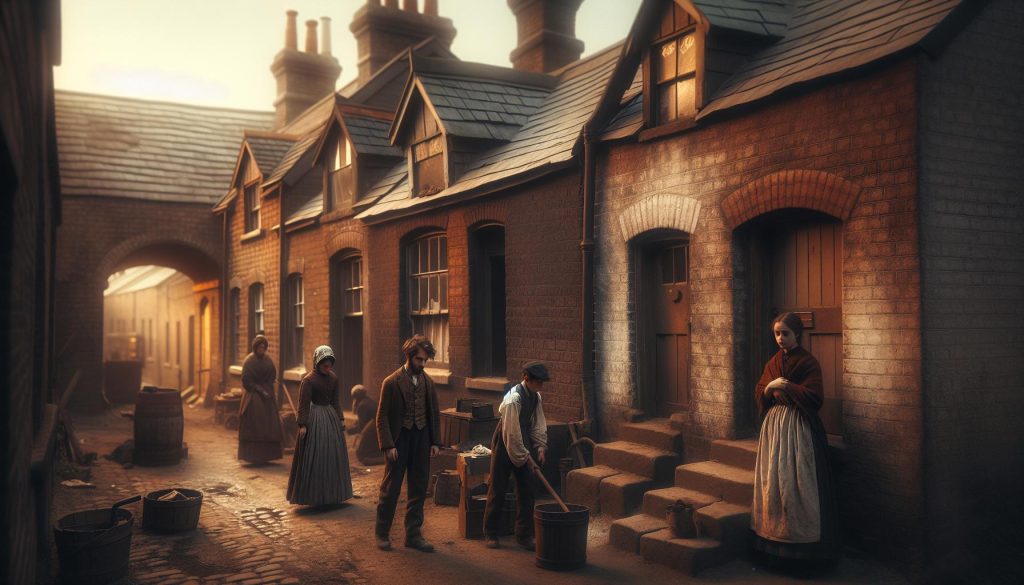
Victorian houses, once symbols of grandeur, can reveal surprising stories about working-class living during their time. The so-called “poor Victorian house” exemplifies how low-income families navigated their daily lives in modest yet resourceful homes. Understanding these residences not only highlights the challenges faced by ordinary families but also inspires contemporary readers to find creativity and resilience in their own living situations. As we delve into the essence of these homes, you’ll discover how the spirit of innovation thrived amidst financial constraints, offering valuable lessons on affordability, sustainability, and community. Join us as we explore the world of poor Victorian houses and uncover insights that resonate with today’s pursuit of meaningful, budget-conscious living.
Understanding the Poor Victorian House Aesthetic
The Poor Victorian house aesthetic is often characterized by modest structures that reflect the economic realities of working-class families during the Victorian era. Despite being overshadowed by the grand designs of wealthier citizens, these homes embody resilience and practicality. A striking aspect of these houses is their functionality-designed not just to shelter, but to support the daily lives of families who often struggled to make ends meet.
One of the defining features of working-class Victorian homes is their simple yet effective design, typically including a narrow, multi-story layout to maximize limited space. These houses frequently featured small kitchens, shared living spaces, and minimal bedrooms. High ceilings and tall windows were common, allowing light into the cramped interiors, which both improved the feeling of space and served utilitarian purposes, such as proper ventilation. Rooms were often multifunctional; for example, the living area could double as a sleeping space for older children, showcasing the efficient use of every square foot.
In terms of aesthetics, the Poor Victorian houses often incorporated local materials, such as brick or stone, emphasizing durability over luxury. Decorative elements were typically minimal; however, practical fixtures like wooden staircases and exposed beams added a certain charm and warmth to the environment. Homeowners often personalized these spaces through handmade decorations or repurposed furniture, highlighting creativity and resourcefulness.
While these homes provided a roof over the family’s heads, they also served as the backdrop for vibrant cultural lives. The community around these houses fostered social networks that offered mutual support, emphasizing the importance of shared experiences and collective resilience. As you explore the Poor Victorian house aesthetic, consider its rich history-each element tells a story of the families who lived there, their struggles, triumphs, and enduring spirit amidst economic challenges.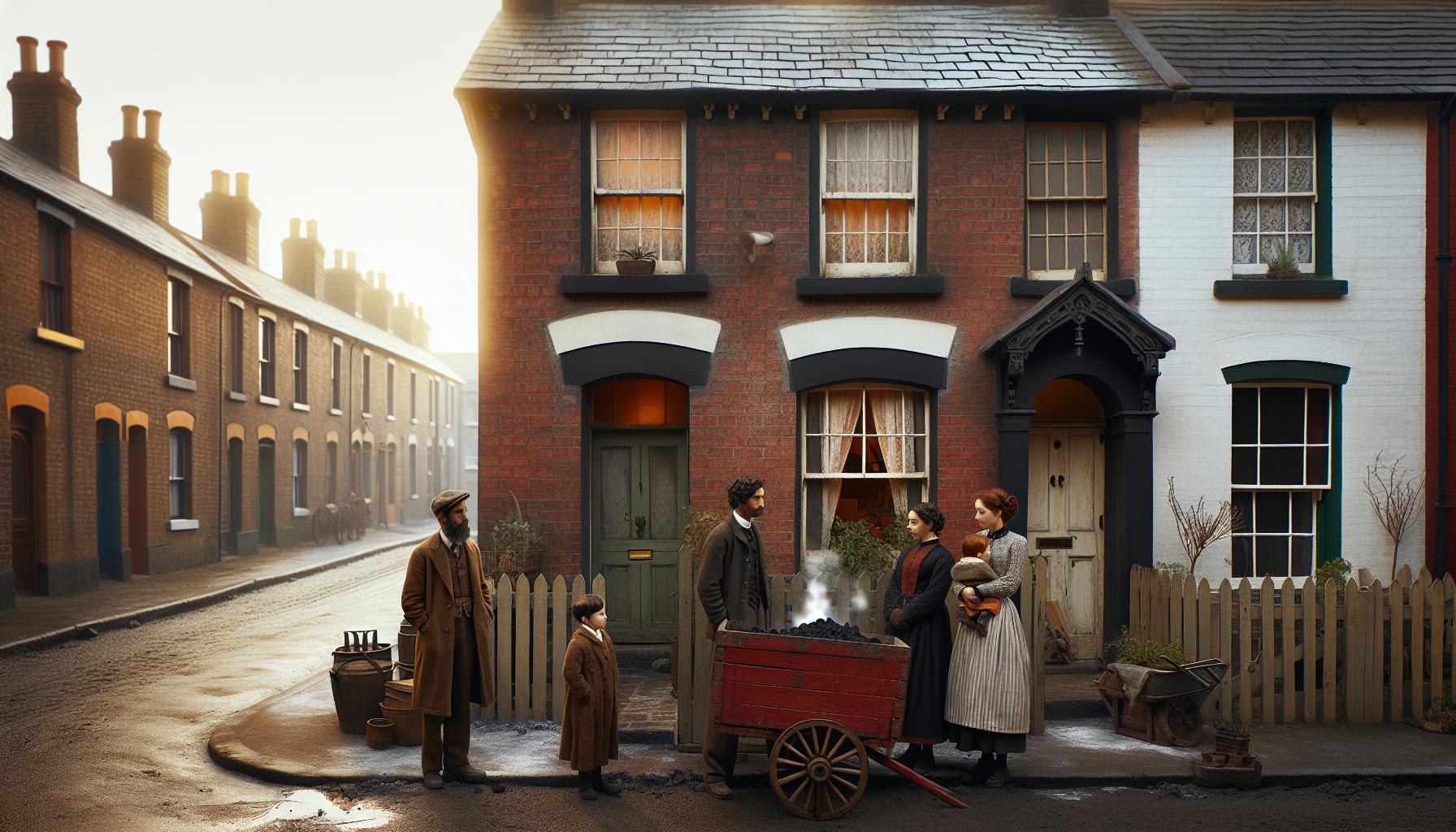
Characteristics of Working-Class Victorian Homes
Working-class Victorian homes are a testament to the resilience and resourcefulness of families during the Victorian era, often showcasing their practicality in design and functionality. These homes were built to accommodate the needs of families who, despite financial constraints, sought comfort and a sense of belonging. The architecture typically favored modest, pragmatic structures that maximized limited space, resulting in narrow, multi-story designs that ingeniously utilized every square foot available.
Within these homes, the layout often included small kitchens that served as the heart of the household, where families gathered not just for meals but for daily activities and conversations. Living spaces were also designed to be flexible; the main room might function as a living area by day and transform into a sleeping space for children at night. The prevalence of high ceilings and tall windows not only enhanced the aesthetic appeal but also allowed natural light and fresh air to permeate the rooms, creating a more inviting atmosphere in the often cramped interiors.
Materials used in the construction of these homes frequently reflected local availability, such as brick and wood, emphasizing durability over opulence. Decorative elements were kept to a minimum, focusing instead on practicality. However, the charm of these homes often lay in their handmade touches-families would personalize their living spaces with repurposed furniture and original decorations, showcasing their creativity and innovative spirit.
These environments fostered tight-knit communities, where shared experiences and mutual support flourished. Neighbors often relied on one another, creating a network of solidarity amid economic challenges. Even within the confines of a modest home, the spirit of community thrived, allowing families to draw strength and resilience from one another. This blend of practicality and social connection characterizes the essence of working-class Victorian homes, where every corner and detail tells a story of endurance and creativity in the face of hardship.
The Historical Significance of Victorian Architecture
The legacy of Victorian architecture is a powerful reflection of the social dynamics and economic conditions of the 19th century, particularly highlighting the stark realities and aspirations of working-class families. As industrialization rapidly transformed cities into bustling hubs of activity, the demand for affordable housing soared, prompting a proliferation of modest homes that catered to the burgeoning working class. These houses were not merely structures; they symbolized resilience, adaptability, and a striving for dignity amidst challenging circumstances.
The design of working-class Victorian homes often drew from a mix of styles that became synonymous with the era, such as Gothic Revival and Italianate. However, these influences were adapted to create practical living spaces that met the immediate needs of families on tight budgets. Functional layouts maximized small areas, ensuring that each room served multiple purposes, which was not just economical but also fostered a sense of community among residents. Common areas became social hubs where families could engage and support one another, creating an atmosphere of shared experience that was crucial for survival in often adverse conditions.
Furthermore, these homes are significant in their representation of a time when class distinctions were sharp, yet the spirit of the community persisted. Families often took pride in their homes, finding ways to personalize and embellish them within their means, showcasing creativity through handmade crafts and repurposed materials. This resourcefulness highlighted not only their economic challenges but also their ability to create beauty and comfort in their living environments.
Preserving the architectural integrity of these homes today is important not only for historical appreciation but also for learning lessons about sustainable and affordable living. As modern society faces its own housing challenges, the practical adaptations and communal spirit of Victorian working-class homes offer valuable insights into crafting contemporary living solutions that promote collaboration, creativity, and financial prudence. By studying and preserving these homes, we not only honor the past but also inspire future generations to innovate and thrive within their means.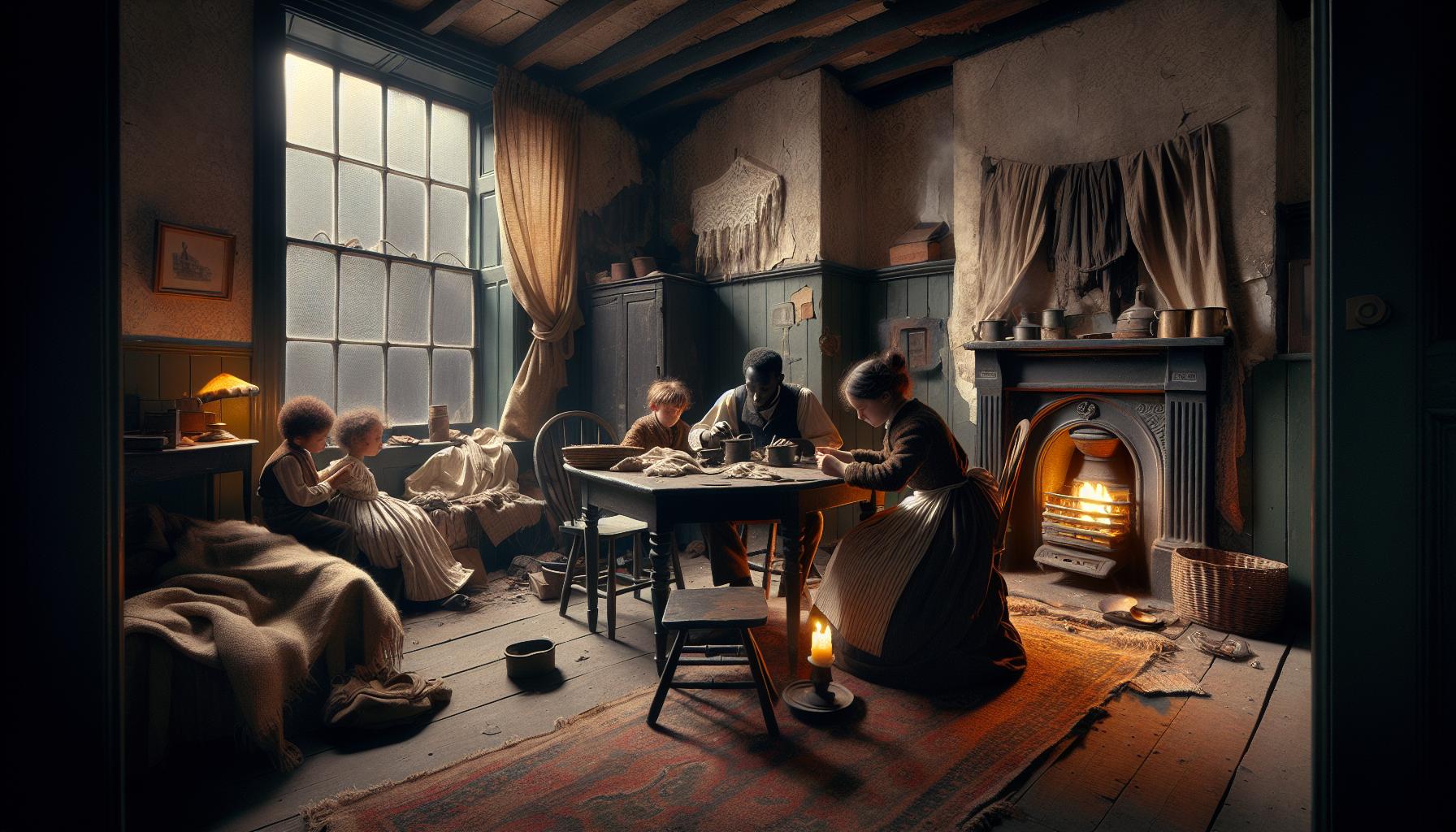
Key Features of Poor Victorian Interiors
In the heart of Victorian working-class homes, the interiors tell a story of ingenuity and adaptability, reflecting the daily lives of families striving to create warmth and functionality despite their limited means. These spaces were often compact, with homes averaging just a few rooms to accommodate multiple family members. Ingeniously, each area was designed to maximize utility while minimizing costs, emphasizing a community-centered approach among neighbors who shared resources and support.
Space Optimization
To cope with small living areas, poor Victorian interiors often featured multi-functional spaces. For instance, the kitchen served not only as a place for cooking but also as a dining area and social hub. Bold choices like built-in storage and foldable furniture helped families maintain order and organization. Using innovative designs, families could craft communal areas where they gathered for meals, a practice that reinforced social bonds amidst economic hardships.
Personalization and Resourcefulness
Despite economic limitations, individuals poured creativity into their homes. Walls might be adorned with handmade decorations, or repurposed materials were transformed into practical art. Families displayed sentimental items like photographs and crafts, which added character and warmth. This emphasis on personalization was not merely for aesthetic appeal; it fostered a sense of pride and belonging, showcasing resilience against the backdrop of their challenging environment.
Common Materials and Aesthetic Choices
The materials used in these homes often reflected local availability and economic feasibility. Budget-conscious families frequently utilized stained wood for furniture and walls, offering durability at minimal cost. Paint, when possible, was a luxury, but when used, bright hues became a symbol of joy amid hardship. Additionally, textiles-often sewn or woven at home-played a crucial role in enhancing comfort and embodying family heritage while being cost-effective.
The beauty of poor Victorian interiors lies not just in their physical features but in the spirit they embodied-a testament to hard work, community, and an enduring pursuit of comfort and dignity. By allowing creativity to thrive within constraints, these homes sought to uplift spirits and foster connections, teaching valuable lessons about living well within one’s means. Building upon this foundation, modern families can find inspiration to craft their spaces thoughtfully, whether through upcycled decor or communal gatherings, creating homes that feel rich in love, support, and togetherness regardless of financial constraints.
Common Materials Used in Construction
Among the defining characteristics of working-class Victorian homes is the thoughtful selection of construction materials that reflected both economic realities and local availability. In an era when budgets were tight, families adopted a pragmatic approach to building their homes, making the most of what they could afford while aiming for durability and comfort. Stained wood emerged as a favored choice for structural elements and furnishings, prized for its cost-effectiveness and resilience. This material not only provided a warm aesthetic but also stood the test of time, allowing families to invest in pieces that could withstand the wear and tear of everyday life.
Budget-Conscious Choices
In addition to wood, various other materials were commonly utilized in the construction and decor of working-class homes. While brick was a popular choice for walls, sometimes families turned to locally sourced stones or even repurposed materials from demolished buildings. This practice not only reduced costs but also fostered a sense of community, as neighbors would often share resources or assist one another in construction projects. The exterior of many homes showcased a mix of texture and color, resulting from such diverse material choices.
Textiles and Decorative Elements
The interiors of these modest homes often featured carefully chosen textiles that contributed to a cozy atmosphere. Families would use fabric remnants or scrap materials to create curtains, tablecloths, and upholstery. Those with a knack for sewing would turn these items into expressions of personal style, incorporating vibrant patterns that brightened the space. This creativity provided a sense of ownership and pride, turning simple homes into unique reflections of family identity amidst economic challenges.
Creating Lasting Spaces
Resilience was a hallmark of working-class Victorian living, and the materials used in construction played a significant role in shaping these more durable spaces. Families prioritized functionality, often opting for furniture that could multitask-like benches with storage compartments. By employing locally-sourced and reclaimed materials, these homes became not just shelters but also embodiments of resourcefulness and community spirit, teaching valuable lessons in sustainable living.
Through innovative use of materials, families forged environments that offered safety, warmth, and a sense of belonging. For modern readers seeking to cultivate their homes on a budget, this spirit of ingenuity stands as an inspirational model. Engaging in DIY projects, using reclaimed materials, and emphasizing personalization can transform any living space into a sanctuary that resonates with character and community connection, regardless of financial constraints.
Living Conditions: Space, Layout, and Functionality
In the working-class Victorian homes, space, layout, and functionality were paramount as families navigated the challenges of their economic realities. These houses, often modest in size, had to accommodate not only the day-to-day activities of family life but also the varied needs of the numerous residents who often shared the space. A common feature was the cramped but cleverly organized interiors that utilized every square inch to maximize livability.
Many poor Victorian homes were structured as two-up, two-down layouts, consisting of two rooms on each floor. This arrangement allowed for functional separation between living and sleeping areas, which was critical for maintaining some semblance of privacy in a multi-generational family setup. The ground floor typically featured a combination of a kitchen and living room, where families would gather for meals and leisure. This bustling hub was often filled with multifunctional furniture-such as benches that doubled as storage- allowing residents to keep personal items neatly tucked away but easily accessible.
Strategic Utilization of Space
Even in small areas, families found ingenious ways to create functional spaces. Consider the clever use of nooks and alcoves for children’s beds, which helped conserve space in shared bedrooms. These designs not only optimized the available area but also ensured that children had a dedicated sleeping space, fostering a sense of routine and comfort despite the home’s tight quarters. Additionally, rooms were often purposefully designed to serve multiple functions: the living room might transform into a bedroom at night, with beds being rolled out or converted from sofas.
Living conditions in these Victorian homes also reflected the community spirit ingrained within poorer neighborhoods. Shared resources meant that families often banded together to create communal spaces outside their homes-perhaps forming small gardens or playgrounds, which were vital in fostering a sense of belonging and support among neighbors. This shared space became a lifeline where children could play and parents could connect, underscoring the resilience and resourcefulness that defined working-class life during the Victorian era.
Ultimately, the layouts of these homes might seem simple by today’s standards, yet they epitomized the ability to thrive in challenging circumstances. For modern families and individuals working within budget constraints, these historical examples of ingenuity and efficiency illustrate that functional living doesn’t always require excess space or wealth. Rather, it’s about making the most of what you have-an inspiring lesson that resonates through time, encouraging contemporary readers to embrace creativity and community in their own living environments.
Economic Challenges Faced by Victorian Families
As the Industrial Revolution took hold in Victorian England, families in the working class faced formidable economic challenges that shaped their lives and homes. The rapid urbanization led to an influx of labor in factories, yet many workers found themselves trapped in a cycle of poverty. With low wages and high living costs, families struggled to make ends meet, often relying on the meager income of a single earner. This struggle required both ingenuity and resilience as families sought ways to navigate their economic realities.
One of the most daunting challenges was housing affordability, as many working-class families were forced to live in cramped and overcrowded conditions. Rents in urban areas spiked due to demand, often consuming a significant portion of their income. Consequently, households commonly shared homes with extended family members or other families, leading to a scarcity of personal space. To maximize their limited income, families creatively repurposed their homes; kitchen areas doubled as living spaces, and shared sleeping arrangements were commonplace. Such resourcefulness reflects a community spirit where neighbors banded together, not only for economic reasons but also for social support.
Grocery costs posed another burden. Families needed to budget carefully to afford basic necessities. The practice of shopping at local markets for fresh produce was vital, as it allowed for flexibility in spending. Cooking from scratch became essential, as pre-packaged meals were too costly. Many families cultivated small vegetable gardens, utilizing every available space to supplement their diets and save money. These gardens became both a source of food security and a communal activity, fostering connections among neighbors.
Despite these economic hurdles, the spirit of entrepreneurship flourished among poor Victorians. Many turned to side hustles, such as street vending or crafts, to secure additional income. This entrepreneurial mindset not only provided financial relief but also fostered skills that could lift families out of poverty over generations.
Ultimately, the played a crucial role in shaping their resilience and creativity. Their ability to adapt and thrive, even in the face of adversity, serves as an inspiring model for modern individuals and families grappling with similar challenges of affordability and resource management today. Embracing a proactive approach to budgeting, cultivating community ties, and exploring innovative income opportunities can empower us to navigate our own financial landscapes more effectively.
Cultural Life in Poor Victorian Neighborhoods
In the heart of working-class neighborhoods during the Victorian era, cultural life flourished amidst economic hardship. The vibrancy of community was a testament to the resilience of its residents, who found joy in companionship, shared traditions, and the arts despite their challenging circumstances. These neighborhoods were often a mosaic of diverse backgrounds, creating a rich cultural tapestry where storytelling, music, and local customs thrived.
Community gatherings played a vital role in fostering social bonds. Streets were commonly filled with laughter and conversation as families and neighbors celebrated festivals, engaged in traditional games, and held markets. Even in cramped living situations, the spirit of cooperation emerged through communal activities like gardening and shared meals. Annual events like harvest festivals and religious observances allowed families to momentarily escape their day-to-day struggles, reinforcing shared identities and encouraging collaboration.
In this vibrant cultural landscape, creativity bloomed. Many families engaged in handmade crafts, from sewing to woodworking, passing down skills through generations. Street performances became a popular form of entertainment, where musicians and performers would entertain children and adults alike, uniting the community in shared laughter and appreciation for the arts. Local theaters and music halls often provided affordable entertainment, allowing families to experience the thrill of theater and concerts without straining their budgets.
Economic and Social Support Networks
The economic challenges faced by residents also spurred innovative responses through mutual aid. Informal networks emerged, where neighbors supported one another through sharing resources or child care. These connections eased the burdens of everyday life and fostered a sense of solidarity that proved essential during tough times. Local churches and community leaders often organized assistance programs, providing essential services like food banks and employment support.
Resilience Through Creativity
Despite limited financial means, the spirit of entrepreneurship remained alive. Many individuals explored side hustles, engaging in activities such as baking, laundry services, or repaired items on the streets. This not only contributed to family income but also encouraged skills development that could be passed on to children, embedding a spirit of initiative and resourcefulness deeply into the community ethos.
The cultural life within poor Victorian neighborhoods serves as a testament to the strength of community ties and collective resilience. In celebrating creativity, fostering social networks, and supporting one another, these neighborhoods created a vibrant cultural landscape that transcended mere survival, demonstrating the profound ability of people to uplift each other through shared experiences and communal joy.
Preservation and Restoration of Victorian Houses
With so many Victorian houses still standing today, the preservation and restoration of these architectural gems offer not just a glimpse into the past, but also a meaningful way to address contemporary living challenges, particularly for working-class families. These houses, once symbols of resilience and community spirit, can be revitalized to enhance modern life without losing their historical character.
To successfully preserve and restore a poor Victorian house, it’s essential to employ a thoughtful approach that respects the original materials and craftsmanship while adapting the space for contemporary needs. Prioritizing sustainability can be both budget-friendly and ecologically responsible. For instance, consider using reclaimed wood for repairs, which not only honors the house’s legacy but also reduces costs. Regular maintenance, such as painting with eco-friendly products and ensuring proper drainage to prevent foundation issues, can extend the life of these homes significantly. Engaging with local preservation societies can also provide resources and expertise to navigate restoration projects effectively.
Incorporating modern comforts doesn’t have to sacrifice the home’s unique charm. Enhancements like energy-efficient windows, updated insulation, and sustainable heating solutions can transform these spaces into cozy, economical living areas. Homeowners can also find solace in preserving character details, such as moldings and decorative elements, which can often be restored at a fraction of the cost of new additions. By embracing a DIY mindset, families share the burden of restoration costs while creating spaces that reflect their communal values and personal histories.
Furthermore, community engagement plays a vital role in preservation efforts. Suggestions for neighborhood workshops, where residents can learn about home maintenance and restoration techniques, can foster local pride and strengthen relationships. Collaborating on projects like community gardens or shared repairs not only beautifies the area but also revitalizes the economic landscape by increasing property values and attracting local businesses.
As working-class families navigate the complexities of homeownership, the restoration of Victorian houses offers not just a connection to the past, but also innovative solutions for modern living. By blending creativity, resourcefulness, and community spirit, we can breathe new life into these houses, ensuring they serve generations to come while honoring the resilience and richness of their history.
Modern Interpretations of Victorian Living Spaces
The charm of Victorian homes continues to resonate with contemporary homeowners, especially as they seek to blend historical elegance with modern practicality. Adapting these notable structures into functional living spaces without losing their character is a creative challenge that many families embrace. Today’s interpretations of poor Victorian living spaces often focus on maximizing functionality while incorporating sustainable practices that honor both the environment and the building’s heritage.
To create modern interpretations of Victorian homes, consider these key approaches:
- Sustainable Renovations: Utilize eco-friendly materials, such as reclaimed wood and low-VOC paints, which not only reduce environmental impact but also pay homage to the original craftsmanship of these homes. This approach often leads to lower renovation costs in the long run.
- Open Spaces: Many Victorian homes feature small, compartmentalized rooms. By removing non-load-bearing walls, homeowners can create open concepts that facilitate better flow and light, transforming these often cramped environments into airy living spaces.
- Smart Storage Solutions: Incorporate built-in shelves, under-stair storage, and multi-functional furniture to maximize the usable space within limited square footage. This clever use of storage helps maintain a minimalist aesthetic while accommodating modern lifestyles.
- Maintaining Character: While updating interiors, it’s crucial to retain original features such as moldings, fireplaces, and window casings. These elements serve as focal points that reflect the home’s history and add unique charm to modern decor.
Engaging the community also plays a vital role in transforming these homes. Homeowners can connect with local preservation societies or historical commissions to gain insights on maintaining architectural integrity. Community workshops focusing on DIY renovations can empower neighbors to share skills, thereby fostering a sense of collaboration and resourcefulness.
The combination of traditional aesthetics and modern functionality encourages creativity and resilience in navigating homeownership. By celebrating the spirit of Victorian architecture while adapting it to contemporary needs, families can create vibrant, welcoming living spaces that reflect their values and heritage. Whether it’s through sustainable practices or innovative design, these efforts not only breathe new life into old homes but also pave the way for future generations to appreciate the rich history embedded in these structures.
Affordable Housing Lessons from Victorian Homes
The Victorian era, often romanticized for its architectural beauty, also provides a wealth of lessons in affordable housing that resonate with today’s economic challenges. Many working-class families lived in compact, functional homes that prioritized practicality over extravagance. By examining these homes, modern families can glean insights on maximizing their own living spaces while maintaining budgetary constraints.
One of the distinguishing features of Victorian working-class homes was their efficient use of space. These homes were often designed with a clear layout that separated living and sleeping areas, optimizing every square foot. To replicate this in modern settings, consider the following strategies:
- Multi-Functional Furniture: Invest in adaptive furniture that serves multiple purposes, such as a sofa bed or a dining table that can extend. This can make a small living area function like a larger one while ensuring that every piece serves a distinct role.
- Vertical Storage Solutions: Utilize wall space for storage through shelving and hanging organizers. Vertical storage can help keep living spaces tidy while minimizing the footprint of bulky furniture.
- Repurposing Spaces: Look at areas that may typically have a singular use and challenge yourself to repurpose them. For example, a basement could serve as a guest room, home office, or playroom depending on the family’s needs, allowing for greater versatility.
Financial security is essential, and learning from the resourceful spirit of Victorian families can help cultivate a resilient mindset. During this period, many families turned to community resources, building networks that not only supported their living situations but thrived on shared skills and resources. Engage with local community workshops or co-ops that focus on DIY home projects or offer tool-sharing programs. This not only saves money but fosters community ties, creating a supportive environment that can lead to inventive solutions for housing challenges.
Moreover, the essence of the Victorian approach to housing encourages a subtle but vital confidence in creative problem-solving. Whether through turning backyards into gardens for supplementary food sources or participating in neighborhood groups to share caregiving duties, such practices embody a spirit of resilience that can help modern families navigate financial constraints while creating a nurturing home environment. Embracing these principles offers a pathway not only to affordable living but also to stronger community bonds and personal fulfillment in everyday life.
Community and Social Structures in Victorian Times
In the challenging landscape of the Victorian era, where working-class families often contended with economic hardship, community and social structures played a pivotal role in shaping their lives and resilience. The neighborhoods were often tightly knit, fostering a sense of belonging and mutual support that became essential for survival. Families relied on one another not just for social interaction but also for practical assistance-sharing food, childcare, and sometimes even financial resources. In a time when external support systems were limited, this ingrained interdependence provided a foundation for both emotional support and economic stability.
Communities often held gatherings in local parks or common areas, serving as the social backbone of working-class life. Events like church picnics, market days, or street festivals were occasions for bonding over shared struggles and hopes, reinforcing ties among neighbors. These gatherings also offered opportunities to exchange services or goods, further solidifying cooperative relationships. For example, a skilled carpenter might repair furniture for a family in exchange for fresh produce from their garden, embodying the spirit of resourcefulness that characterized many Victorian households.
Furthermore, the importance of informal networks cannot be overstated. These networks consisted of friends, family, and neighbors who could lend a hand during economic downturns or personal crises. By cultivating relationships within their communities, families could tap into a collective pool of skills and resources. Historically, many working-class women formed mutual aid societies, providing crucial support systems that focused on health care, child-rearing, and financial aid. Engaging in these collaborative efforts not only eased financial burdens but also fostered a sense of purpose and agency among participants.
As today’s families navigate similar economic constraints, we can draw valuable lessons from the Victorian experience. Building strong community ties through local cooperative groups, neighborhood associations, or even simple acts of kindness-like sharing tools and skills-can create a safety net similar to what existed in the past. By embracing collaboration and nurturing friendships, modern families can foster resilience and a spirit of innovation, turning challenges into opportunities for growth and solidarity.
Frequently Asked Questions
Q: What are the common features of a poor Victorian house?
A: Poor Victorian houses typically exhibit simpler architectural details, less ornamentation, and utilitarian construction. Features may include small rooms, sloping roofs, modest facades, and functional materials like brick or local stone. For a deeper understanding, refer to the section on the “Characteristics of Working-Class Victorian Homes.”
Q: How did economic challenges affect working-class Victorian homes?
A: Economic challenges led to overcrowding, inadequate maintenance, and limited space in working-class Victorian homes. Families often faced difficulties affording repairs or essential services, which hampered living conditions. Insights can be further explored in the “Economic Challenges Faced by Victorian Families” section.
Q: What was the social structure of Victorian working-class neighborhoods like?
A: Victorian working-class neighborhoods were characterized by tight-knit communities, often consisting of extended families and neighbors supporting one another. These social networks were crucial during economic hardships, fostering a sense of belonging and mutual aid, as discussed in “Community and Social Structures in Victorian Times.”
Q: Why are poor Victorian houses significant in architectural history?
A: Poor Victorian houses are significant as they represent the living conditions of the working class during the Industrial Revolution. They highlight societal inequalities and the impact of rapid urbanization, making them important for historical and architectural studies. Reference the section on “The Historical Significance of Victorian Architecture” for more details.
Q: What can be learned from the preservation of poorer Victorian houses today?
A: Preserving poorer Victorian houses offers lessons in sustainable living and the importance of community heritage. It encourages adaptive reuse and educates on historical challenges, helping inform modern affordable housing strategies. This topic is further explored in the “Preservation and Restoration of Victorian Houses” section.
Q: How were interiors of poor Victorian houses typically laid out?
A: Interiors of poor Victorian houses usually featured a straightforward layout with multi-functional spaces. Common configurations included shared living and dining areas, reflecting practical needs and economic restrictions. To learn more, check the section on “Key Features of Poor Victorian Interiors.”
Q: What materials were commonly used in the construction of working-class Victorian homes?
A: Working-class Victorian homes commonly utilized local and inexpensive materials such as brick, timber, and limestone. These materials were chosen for their availability and affordability, making them practical for the economic status of the residents. This topic is detailed in the “Common Materials Used in Construction” section.
Q: How have modern interpretations of Victorian living spaces evolved?
A: Modern interpretations of Victorian living spaces often blend historical elements with contemporary design. This evolution emphasizes functionality while respecting heritage, showcasing how these homes can meet today’s living standards. More insights can be found in the “Modern Interpretations of Victorian Living Spaces” section.
Insights and Conclusions
Understanding the challenges faced by those living in poor Victorian houses sheds light on the significant historical context of working-class life. By recognizing the struggles and resilience of these families, we can draw inspiration for our financial journeys, emphasizing the importance of smart budgeting and creative money-saving solutions. If you’re eager to take charge of your financial future, explore our resources on debt-free living and homeownership tips to equip yourself with practical strategies.
Dive deeper into related topics, such as navigating affordable housing options and discovering entrepreneurial opportunities that can provide location-independent income. We invite you to join our community by subscribing to our newsletter for fresh insights, or check out our guides on parenting and personal growth, designed to inspire purposeful living. Your journey toward financial security and resilience starts today-take the next step and empower yourself with knowledge and community support!