Have you ever wondered what daily life looked like for the less fortunate in Ancient Egypt? Exploring the humble abodes of poor Egyptians reveals not only their living conditions but also the resilience and creativity required to thrive amidst adversity. These houses, often constructed from mudbrick and situated in tightly-knit communities, provide a window into the societal structures and everyday struggles of the time. Understanding their way of life connects us to the historical context of resilience in the face of economic challenges, much like what many families experience today. By delving into the details of their homes and lifestyles, we can uncover valuable lessons about resourcefulness, community support, and the pursuit of a fulfilling life, regardless of material wealth. Join us as we journey back in time to see how these elements shaped the lives of those living in ancient times, and perhaps find inspiration for navigating our own challenges.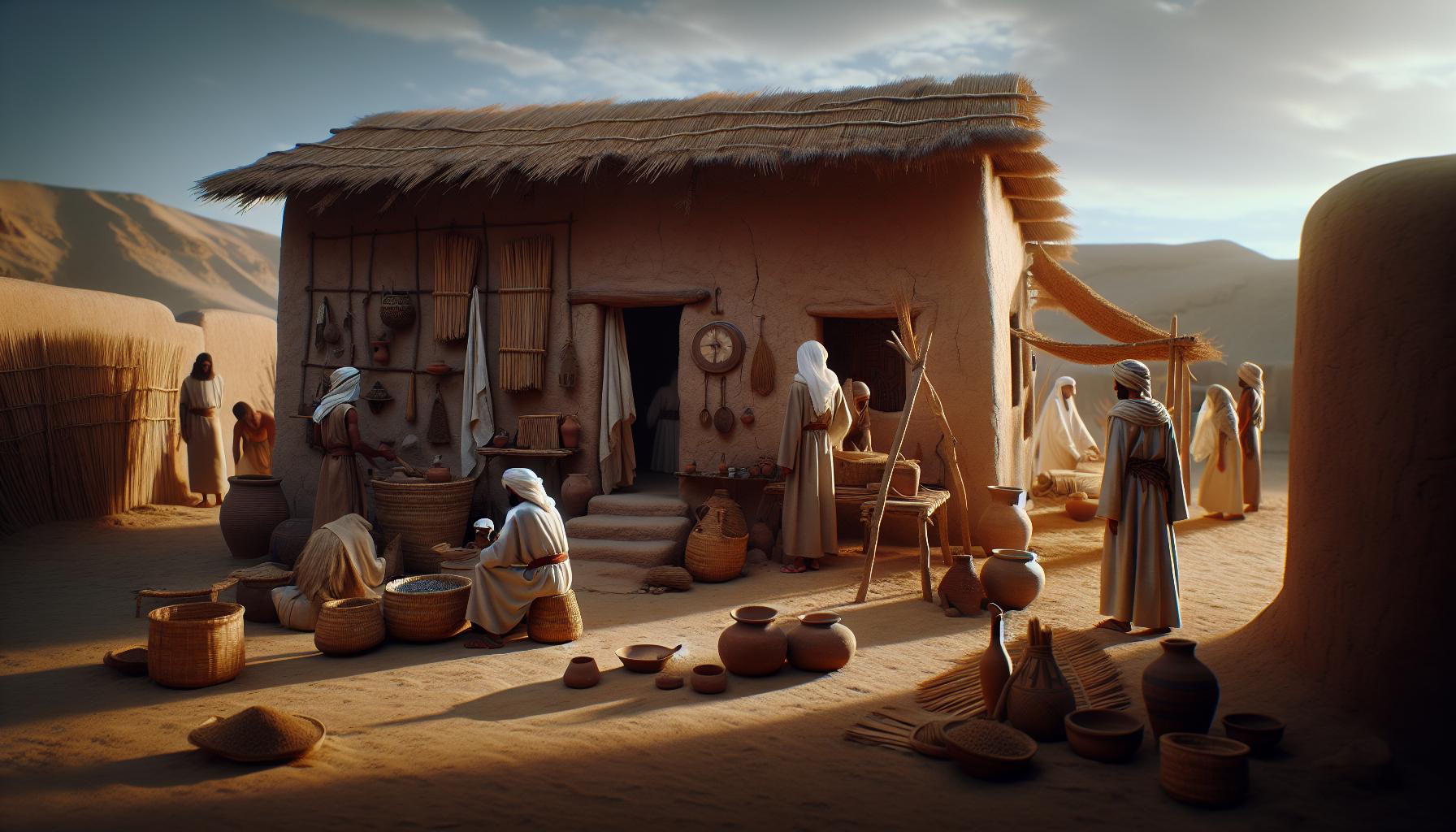
What Defined a Poor Egyptian House in Ancient Times?
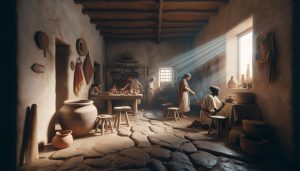
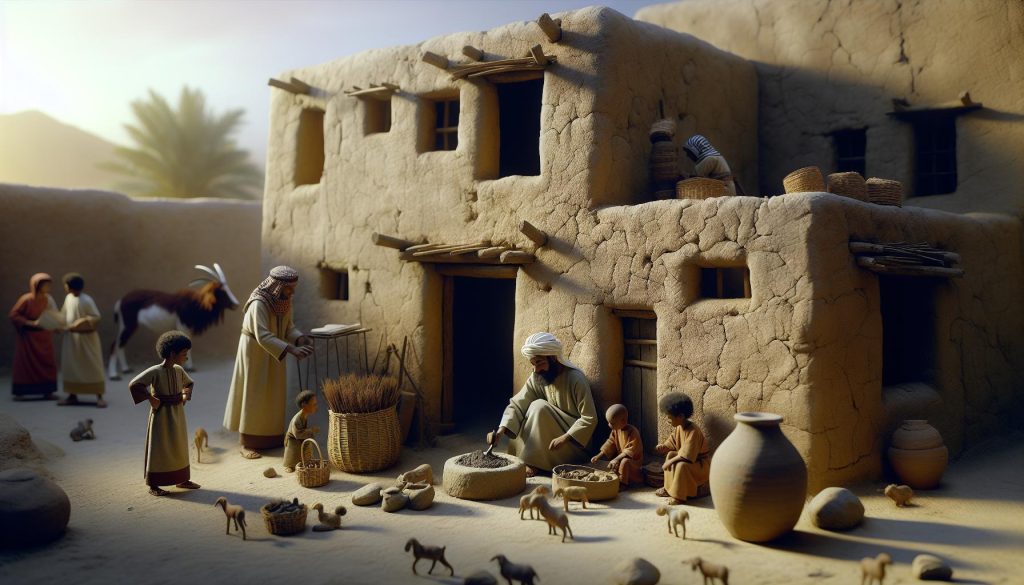
In ancient Egypt, the design and structure of a poor person’s house revealed much about the daily lives and struggles of the lower class. Unlike the opulent homes of the wealthy, these residences were often basic and functional, made from readily available materials. The most common construction method involved sun-dried mud bricks, a testament to both the resourcefulness of the builders and the harsh climatic conditions they faced. These homes typically consisted of a few small rooms, usually arranged around a central courtyard, which served multiple purposes, including cooking and gathering.
The interiors of these houses were minimalistic, often featuring just a few pieces of furniture such as low tables and mats. For many families, sleeping was done on reed mats laid directly on the floor, with little distinction between different areas. The lack of separation in living spaces reflected both the close-knit nature of families and the limited resources available to them. Windows were often absent or small, resulting in dim interiors that relied heavily on natural light during the day.
Life in these homes was defined by simplicity, but it also highlighted a remarkable resilience. Families often adapted their living spaces to accommodate a variety of needs, demonstrating an incredible ability to thrive despite economic hardships. The community aspect of life was crucial; neighbors often came together to share resources and support one another through tough times. This interdependence helped create a sense of belonging and unity among the poorer classes, fostering a spirit of cooperation that was essential in a society that was often divided by wealth.
In summary, a poor Egyptian house was not just a dwelling but also a reflection of the broader social dynamics of the time. The architecture and organization of these homes shed light on the values, challenges, and enduring strength of the families that inhabited them, illustrating how necessity can give rise to innovation and communal support.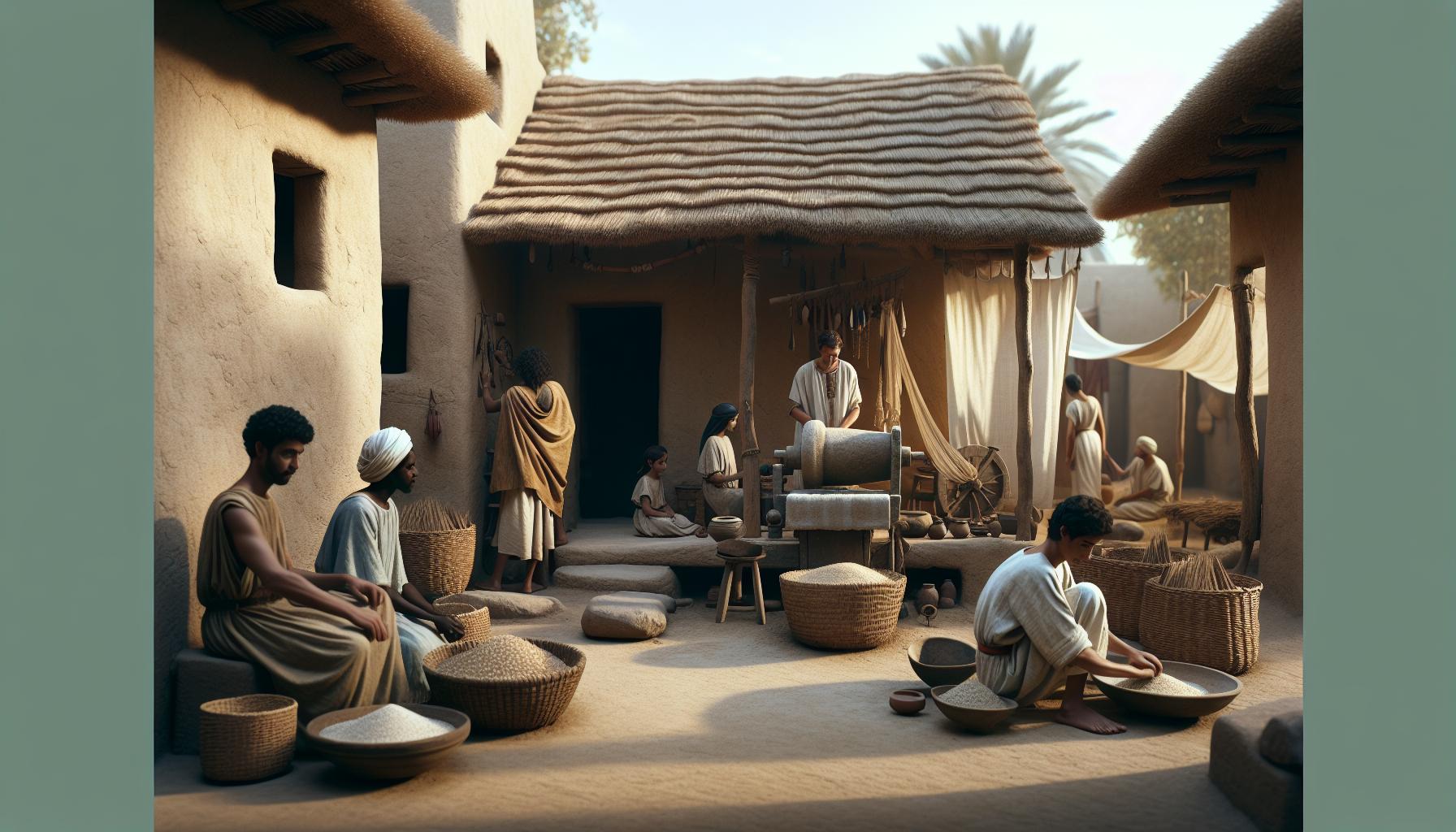
Key Features of Lower-Class Homes in Ancient Egypt
In the bustling communities of ancient Egypt, the homes of poorer families were marked by simplicity and practicality, reflecting both their economic constraints and their resourceful spirit. These houses were typically constructed using sun-baked mud bricks, a building method that provided adequate insulation against the intense heat. This not only highlighted the ingenuity in utilizing local materials but also served as a cost-effective solution for construction needs.
The typical layout of a lower-class home featured small, densely arranged rooms surrounding a central courtyard. This courtyard was multifunctional, often serving as a place for cooking, gathering, and playing-a communal hub that fostered family connections and community life. The interiors were generally devoid of lavish furnishings; families relied on a few essential items like mats for sleeping and low tables for meals, embodying a lifestyle where utility took precedence over luxury.
Windows in these homes were often minimal, allowing limited light into the dim interiors. This lack of natural light underscored the simplicity of their existence, yet families ingeniously adapted their routines to maximize daily activities around the available daylight. The communal spirit was essential for these families, as neighbors often lent support to one another, whether through the sharing of resources or assistance with daily tasks, thus cultivating a sense of unity and cooperation amid financial hardships.
Understanding these features offers a glimpse into the resilience of lower-class Egyptians. Their homes, while modest, were arenas for creativity, adaptability, and profound familial bonds, showcasing that even within constraints, the human spirit can thrive and foster community connections that are vital for well-being. These architectural choices remind us that true wealth often lies not in material possessions, but in our relationships and the support systems we build around us.
Daily Life and Struggles of the Ancient Egyptian Poor
In the daily lives of ancient Egyptians, particularly those from lower socio-economic backgrounds, the routine was a blend of hard work, creativity, and resilience. Families often engaged in labor-intensive jobs such as farming, fishing, or crafting, working from dawn until dusk in fields or local markets. Their roles were crucial for community sustenance; for example, farmers would rely on the Nile’s annual flooding for fertile soil, yet they faced the constant struggle against unfavorable weather or crop failures, which could lead to scarcity. The unpredictability of income necessitated a financial savvy where every resource had to be utilized wisely.
Life within their modest homes was marked by community interactions and shared resources, which provided both support and emotional strength. Neighbors exchanged goods and services, fostering a spirit of cooperation. Common meals were prepared communally, and families would often gather in the courtyard, which served as a social hub to share stories and strengthen their bonds. The simple act of cooking together became a vital part of nurturing family ties and social networks, highlighting the essence of community over material wealth.
Survival required significant budgeting expertise, as food was often scarce and needs were basic. Diets were typically composed of bread, vegetables, legumes, and the occasional fish or meat, making nutrition a challenge. Families learned to stretch their resources creatively, utilizing every part of a plant or animal and preserving food whenever possible. This frugality not only reflected their circumstances but also instilled a cultural appreciation for resourcefulness.
Furthermore, the educational opportunities available to the lower classes were limited, leading to a reliance on informal learning within families and communities to pass down necessary skills. Crafting techniques, agricultural knowledge, and even moral teachings were shared between generations, creating a legacy of wisdom that was less about formal education and more about life experiences. Ancient Egyptian society taught that strength came not just from material possessions but from the unity and perseverance of families and communities, emphasizing that their true wealth lay in their relationships and shared determination to thrive against all odds.
Comparative Analysis: Wealthy vs. Poor Egyptian Residences
The stark contrasts between the homes of the wealthy and the poor in ancient Egypt reveal much about their social structures and daily lives. While the wealthy elites resided in grand, well-constructed houses boasting ample space and elaborate decorations, the poor made do with simple, functional dwellings susceptible to the elements. Wealthy residences were often built from durable materials like mudbrick, with multiple rooms designed for different purposes, including leisure and entertainment areas adorned with murals and beautiful artifacts. In contrast, lower-class homes were typically one or two-room structures, often hastily constructed from mud, straw, and reeds.
The differences in housing directly affected the lifestyle of their inhabitants. For the affluent, homes served not only as shelter but as status symbols reflecting their wealth and power within society. Their residences often featured courtyards for relaxation and gatherings, with gardens that included herbs and vegetables for personal use. Meanwhile, poor families lived in cramped conditions where privacy was a luxury. Their homes usually consisted of a single room that served multiple functions, from cooking to sleeping, with little room for personal belongings. In the absence of lavish decoration, these homes were practical, allowing families to focus on survival rather than comfort.
Another significant distinction lay in the household roles and community interactions fostered by the different living spaces. Wealthy families could afford servants who handled domestic chores, allowing them more leisure time and opportunities for socialization outside the home. Conversely, poor families operated as tight-knit units, with each member contributing to the household through shared responsibilities. Community support was key; neighbors would often work together to help each other, ensuring that everyone had access to essential resources, such as food and services, fostering a sense of solidarity essential for survival.
Despite the limitations of their homes, the perseverance of the poor shone through their ability to create vibrant community lives filled with shared meals, storytelling, and cooperation. This resilience underscored the idea that wealth is not merely a matter of material possessions but also encompasses the bonds of family and community that sustain individuals through hardship.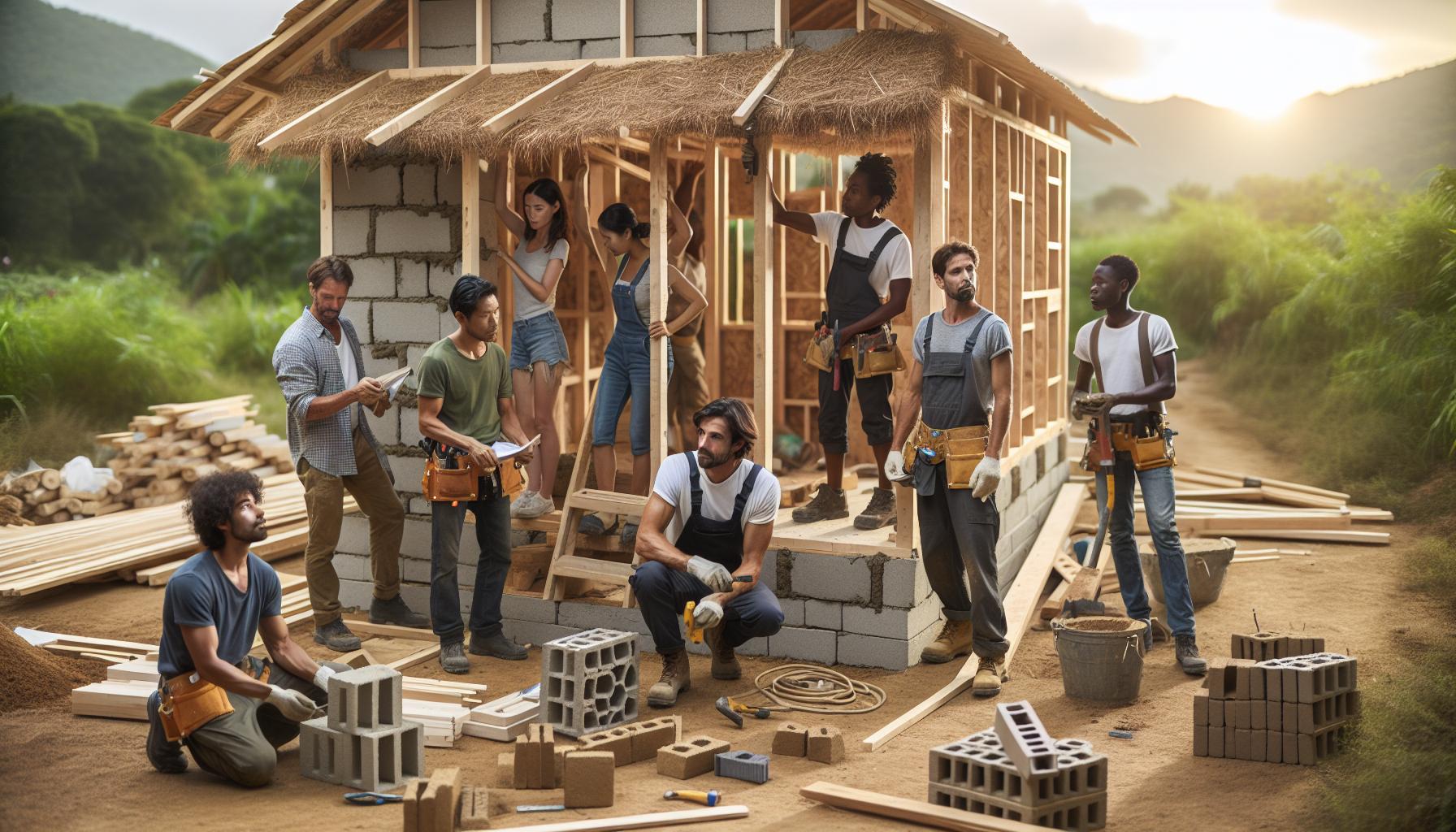
Materials and Construction Techniques for Budget Homes
In a society marked by stark economic divides, the construction of budget homes in ancient Egypt provides valuable insights into resourcefulness and adaptation. Lower-class dwellings typically featured simple, practical designs that reflected the limited means of their inhabitants. Utilizing locally available materials was key to creating these homes, which were often built from mud, straw, and reeds-elements that offered insulation against the intense heat while remaining affordable.
Common Materials and Techniques
The most prevalent building material was mudbrick, a mixture of mud and straw baked in the sun. This technique allowed for quick assembly and was environmentally sustainable. The use of reeds, particularly in areas near the Nile, contributed to constructing walls and roofs, leveraging their light weight and excellent insulation properties. Homes commonly consisted of one or two rooms, demonstrating efficient use of space that served multiple functions, from cooking and sleeping to socializing.
Maintaining these homes required ingenuity, as they were susceptible to flooding and the harsh elements. Families often reinforced their walls with additional mud or incorporated plants to create natural barriers, showcasing their ability to innovate under constraints. The layout was typically open, making it easier to cool down the space during the sweltering days while fostering interaction among family members.
Learning from Ancient Practices
The emphasis on community and support was evident in the construction of these homes. Neighbors often collaborated on building projects, sharing labor and resources, which fostered strong social bonds. This collaborative spirit not only strengthened the community but also provided practical solutions for those facing financial hardships.
Even today, the ancient Egyptian approach to housing offers inspiration for modern living. By embracing simplicity and focusing on community, individuals can create fulfilling lives without excess. Considerations for sustainable living and resource-sharing resonate strongly in today’s world, highlighting the lessons in resilience and creativity passed down through the ages.
Social Classes and Their Influence on Housing Styles
In ancient Egypt, the stark contrasts between social classes significantly influenced the styles and structures of housing, creating a layered societal landscape reflected in its architecture. Lower-class homes were not merely a matter of utility but also a cultural expression of shared experiences and community resilience. While the wealthier classes engaged in elaborate and ornate designs, complete with intricate carvings and expansive spaces, the poorer populations had to focus on practicality and resourcefulness in their living conditions.
The architecture of lower-class homes often consisted of simple, compact structures built with limited materials, showcasing a stark divergence from the lavish constructions of the elite. Typically only consisting of one or two rooms, these modest homes served multiple purposes-ranging from cooking and sleeping to socializing and work. This multifunctionality was not just a necessity imposed by economic constraints, but also a reflection of communal living where family and neighbors frequently shared resources and spaces. The styles of housing varied regionally but maintained the basics of efficiency and sustainability, utilizing readily available materials like mudbrick and reeds.
The Role of Community in Housing Design
The influence of social class on housing is profoundly tied to community dynamics. In lower-class neighborhoods, building homes was often a collaborative event, with families and neighbors joining forces to construct and maintain their dwellings. This practice was not only economically beneficial but also served to strengthen social ties, creating a network of support that was vital for survival in challenging times. The communal approach to homebuilding fostered a sense of belonging and mutual aid, allowing families to share labor and materials, which was crucial in a society where resources were scarce.
Moreover, the architectural choices made by poorer families reflected their adaptation to the environment and available resources. For example, homes built near the Nile often utilized reeds for insulation and strength, while those further inland relied on locally sourced mud and straw. The layout of their homes also facilitated airflow, which was essential for comfort in the hot climate, indicating a sophisticated understanding of environmental needs despite limited means.
In reflecting on these historical practices, modern individuals and families can glean lessons about resilience and community-oriented living. By embracing simplicity and leveraging local resources, contemporary housing solutions can mirror those of ancient Egyptians, fostering not only survival but a rich tapestry of interdependent relationships that enhance quality of life. The approach of focusing on community support and sustainable practices is as relevant today as it was in ancient times, providing an enduring blueprint for resilient living amidst budgetary constraints.
The Role of Family and Community in Living Spaces
In ancient Egypt, the homes of the poor were not merely shelters but vibrant spaces shaped by familial bonds and communal relationships. These dwellings served as a canvas for shared experiences, where every wall echoed the laughter of children playing and the stories exchanged during evening gatherings. Families living in these modest homes created a sense of unity and resilience, transforming their small living spaces into hubs of support that were essential for thriving under economic strain.
The construction and maintenance of lower-class homes often relied on collective effort. Neighbors would gather to help each other build or repair their homes, strengthening bonds and fostering a spirit of cooperation. This practice not only eased the financial burden but also cultivated a strong sense of community, with families sharing not only materials but also skills and knowledge. Such collaboration was vital in a society where resources were scarce and the challenges of life were considerable.
The design of these homes was also reflective of the family-oriented lifestyle. Typically consisting of one or two rooms, these compact structures were multifunctional, serving as sleeping quarters, kitchens, and social spaces all in one. The layout often encouraged interaction among family members, with open areas that allowed for communal activities and cooking, reinforcing relationships and support networks. An understanding of climatic conditions also influenced home design; for instance, structures built near the Nile incorporated reeds to maximize insulation and air circulation, providing comfort in the sweltering heat.
Emulating the communal spirit of ancient Egyptians can inspire modern families to cultivate their own networks of support. Building connections with neighbors and engaging in cooperative projects not only enriches relationships but also enhances the sense of belonging. These practices can be adapted to today’s context through community gardens, co-housing projects, or local skill-sharing initiatives. By finding strength in togetherness, families and individuals can navigate life’s challenges with resilience and creativity, making the most of available resources while fostering personal growth and stability.
Cultural Significance of Home Layouts in Ancient Egypt
Many dimensions of life in ancient Egypt were woven intricately into the fabric of home design, reflecting not just practicality but also cultural values and social structures. The layout of lower-class homes was deliberately crafted to enhance communal living while fostering family relationships. Unlike the grandiose designs of wealthier residences, these humble dwellings focused on multifunctionality, essential for nurturing the bonds that held families and communities together.
The typical poor Egyptian house was often a simple structure, usually consisting of one or two rooms. These spaces were versatile; they served as sleeping areas, cooking zones, and gathering spots, allowing for interaction among family members. This arrangement reinforced solidarity and cooperation within the family unit, vital for survival in a challenging environment. For example, cooking could occur while children played nearby, facilitating a daily rhythm of life that echoed warmth and togetherness.
Understanding the climatic conditions also played a crucial role in home layouts. Many homes were built using local materials like mud bricks and reeds, strategically positioning them to benefit from natural cooling breezes, especially vital in the heat of the Egyptian sun. This thoughtful orientation not only highlighted a practical approach to comfort and sustainability but also underscored the Egyptians’ deep connection to their environment, showcasing resilience in the face of economic constraints.
Fostering strong communities was engrained in the very structuring of these homes, where gatherings were frequent and support systems robust. Much like today, the physical space reflected significant social and cultural practices, shaping a way of life that embraced collaboration and shared responsibility. As modern families navigate their own living situations, the lessons of these ancient layouts remain relevant. Creating spaces that promote interaction and support can enrich communal ties, encouraging resilience through shared experiences and cooperative engagements, grounding families in both material and emotional security.
Challenges Faced by the Underprivileged in Ancient Society
The existence of underprivileged communities in ancient Egyptian society was deeply intertwined with a plethora of challenges that shaped their daily lives and living conditions. Often confined to smaller, less durable homes, these families faced a stark contrast to their wealthier counterparts, where common issues like limited resources, precarious labor, and social inequality dictated their experiences. For the poor, survival was a daily battle, with economic hardships driving their household decisions and lifestyle.
Despite the resilience and creativity of these families, the structural limitations of their homes greatly affected their living conditions. The lack of space often meant that privacy was a rare commodity, with multiple generations cohabitating in single-room dwellings. This close proximity fostered strong family bonds, yet it also led to daily conflicts and an overstretched sense of personal space. The shared environments served as both a hub of family life and a constant reminder of their economic struggles, often leading to stress and interpersonal issues.
Weather also posed significant challenges to those living in poverty. Homes made from mud brick and thatch, while locally sourced and affordable, were not impervious to the elements. Heavy rains could quickly lead to flooding, while the scorching heat of summer made interiors unbearably hot. Families had to find creative solutions to cope, such as strategic placement of furniture to improve airflow or utilizing outdoor space for cooking and socializing, effectively melding indoor and outdoor life.
Moreover, the economic instability inherent in society meant that job insecurity was a constant threat. Many underprivileged families relied on seasonal labor or casual work opportunities, which were often sporadic and insufficient to cover basic needs. This precarious economic circumstance would force families to make difficult choices regarding food, healthcare, and education, frequently sacrificing one essential for another.
Empowered by their communal ties, poorer neighborhoods became vital networks of support, where neighbors rallied to assist one another in times of need. This collective resilience was essential, as sharing resources and responsibilities-like childcare and chores-helped alleviate some daily pressures. Though their living conditions were often harsh, these shared experiences cultivated a spirit of cooperation and solidarity, illuminating the human capacity to adapt and thrive even in the face of adversity.
Creating a supportive environment for today’s families mirrors these ancient practices. By prioritizing community connections and fostering open communication within households, modern families can build resilience in their own lives. Efforts to share resources, whether through communal activities or cooperative purchasing, can ease financial burdens and promote well-being, echoing the ingenuity of those who once inhabited the humble homes of ancient Egypt.
Preserving Heritage: Archaeological Insights on Poor Homes
Archaeological studies of ancient Egyptian homes have revealed fascinating insights into the lives of the poorer classes, often characterized by their resourcefulness and resilience in the face of economic hardship. Excavations in urban areas such as Amarna and Memphis have uncovered the remnants of simple mudbrick structures, which were typically small and sparsely furnished. These humble abodes were designed with practicality in mind, often featuring a central courtyard that served multiple purposes-cooking, socializing, and even working. Understanding these dwellings allows us to appreciate the ingenuity of their inhabitants, who made the most of limited resources.
Historically, poorer homes were constructed from local materials like mudbrick and straw, which were both inexpensive and readily available. The architecture reflected a community-focused lifestyle where space was shared, fostering a collective spirit that was vital for survival. Such homes were often built in clusters, creating tight-knit neighborhoods that provided emotional and social support. Archaeologists note that the layout of these homes varied greatly depending on their location, with those in more rural areas often having larger gardens for subsistence farming, while urban homes emphasized communal living.
Archaeological finds also include artifacts such as pottery, tools, and remnants of food, which provide a glimpse into daily life. For instance, the presence of simple tools suggests that many households engaged in crafts or trade to supplement their meager incomes. Even small findings, like spindle whorls and loom weights, indicate that women played a crucial role in producing textiles, thus contributing economically to their families. These discoveries emphasize a lifestyle that, while constrained by financial limitations, thrived on community engagement and shared responsibilities.
The significance of these findings extends beyond mere historical interest; they serve as a powerful reminder of resilience in adversity. The lessons derived from these ancient households can inspire those facing similar socioeconomic challenges today. Encouraging community support, resourcefulness, and creative living solutions can empower individuals and families to navigate financial difficulties. Just as the ancients adapted to their environment, embracing creativity and cooperation can play a crucial role in finding paths to stability and fulfillment in modern life. By recognizing the value of shared experiences, we can draw strength and inspiration from the past while thriving in the present.
Lessons from Ancient Egyptian Housing for Today’s World
The resourcefulness and community spirit of ancient Egyptians living in poverty offer invaluable lessons for modern society. The modest mudbrick homes of the lower class were not merely shelters; they exemplified resilience, practicality, and a profound sense of community and shared responsibility. By studying how these ancient families maximized their limited resources, we can adopt similar strategies in today’s world, fostering environments where creativity and collaboration take precedence over material wealth.
One key takeaway is the importance of community. Just as ancient Egyptians lived in clusters that provided emotional and social support, today’s families can benefit from building strong community ties. Consider hosting community events or joining local groups to share resources and support. This communal approach can lead to joint ventures such as community gardens, tool-sharing cooperatives, or local barter systems, enabling everyone to thrive despite financial constraints.
Additionally, resourcefulness shines through in the ways these families made the most of what they had. In the spirit of this ingenuity, modern households can embrace sustainable living practices such as DIY projects, repurposing items, and utilizing outdoor spaces for growing food. Even simple changes, like shopping for second-hand items or swapping goods with neighbors, can significantly lower living expenses and foster an enriching environment of cooperation and creativity.
Practical Steps to Enhance Financial Security and Well-Being
- Budget Wisely: Create a clear budget to track income and expenses, prioritizing essential needs and eliminating non-essentials.
- Embrace Minimalism: Consider decluttering your home, selling unused items through garage sales, or donating to those in need, which can enhance both your space and spirit.
- Explore Entrepreneurial Opportunities: Use skills or hobbies to generate additional income, whether through freelance work, crafts, or online services.
- Foster Family Connections: Allocate time for family activities that are low-cost yet rich in experience, such as family game nights or cooking together.
By adopting principles rooted in community, creativity, and sustainability showcased by ancient Egyptian households, we empower ourselves and those around us. With a focus on shared experiences and mutual support, anyone can cultivate a fulfilling lifestyle that transcends financial struggles and promotes well-being.
Q&A
Q: What materials were commonly used in poor Egyptian houses in ancient times?
A: Poor Egyptian houses were typically constructed using mudbrick or bundles of reeds. These materials were affordable and locally sourced, making them suitable for lower-class families. The use of mud bricks allowed for effective insulation against heat, which was vital in the hot climate of Egypt.
Q: How did the layout of a poor Egyptian house differ from that of wealthier homes?
A: Poor Egyptian houses often consisted of one or two small rooms with minimal divisions, focusing on functionality rather than aesthetics. In contrast, wealthier homes featured multiple rooms, courtyards, and decorative elements, reflecting their occupants’ status and wealth.
Q: What was daily life like for a poor family in ancient Egypt?
A: Daily life for a poor family in ancient Egypt involved labor-intensive work, often in agriculture or manual trades. Families commonly shared responsibilities, including cooking, cleaning, and caring for children, while facing challenges like limited resources and seasonal flooding affecting crops.
Q: What role did community play in the lives of poor Egyptians?
A: Community was vital for poor Egyptians, fostering strong support systems among families. Neighbors often exchanged goods and services and collaborated in farming and household tasks, reinforcing social bonds and helping each other cope with economic hardships.
Q: How did social class impact housing styles in ancient Egypt?
A: Social class significantly influenced housing styles; wealthier Egyptians had access to more elaborate homes made of durable materials, whereas lower-class families resorted to simpler, less durable constructions. This disparity highlighted the broader social inequalities within ancient Egyptian society.
Q: What were the main challenges faced by the underprivileged in ancient Egyptian society?
A: The underprivileged faced significant challenges, including poverty, lack of access to education, and vulnerability to natural disasters like floods. These factors hampered their ability to improve living conditions and often perpetuated cycles of hardship.
Q: What can we learn from ancient Egyptian housing about modern challenges?
A: Ancient Egyptian housing reveals the importance of community resilience and sustainable building practices. Modern societies can learn from these approaches to address housing shortages and encourage cooperative living in today’s urban environments.
Q: Were there any decorative features in poor Egyptian houses?
A: While poor Egyptian houses were primarily functional, some families adorned their homes with simple decorations, such as painted pottery or woven mats, to bring a sense of identity and comfort to their living spaces despite their economic limitations.
The Conclusion
Understanding life in a poor Egyptian house during ancient times offers a fascinating glimpse into resilience and resourcefulness. The simplicity of their living conditions highlights the ingenuity of those who faced adversity with limited means. If you’re intrigued by the daily struggles and triumphs of this era, why not explore more about the fascinating architectural styles of ancient Egypt or delve into the rich tapestry of their social structures?
Don’t miss our articles on “Everyday Life in Ancient Egypt” and “The Influence of Geography on Ancient Civilizations” to deepen your understanding. Take action today-subscribe to our newsletter for insights delivered directly to your inbox or share your thoughts in the comments below. Your engagement not only enriches our community but also inspires us to continue sharing valuable content. Let’s embark on this journey together and uncover more stories from the past!