Did you know that many families in the Aztec Empire lived in humble homes that reflected their resourcefulness and community spirit? Understanding what a poor Aztec house looked like offers a unique glimpse into daily life in one of history’s most fascinating civilizations. These simple dwellings, often crafted from adobe or thatch, showcased the ingenuity and resilience of the people. By exploring their designs, we can appreciate how they maximized limited resources to meet their needs and build a strong community. This exploration not only enriches our knowledge of the past but also inspires us to find creative solutions in our own lives, regardless of our financial situations. Delving into the architectural choices of these early inhabitants invites us to reflect on our living conditions today, urging us to draw lessons on adaptability and sustainability while cultivating our own homes. So, let’s step into the world of the Aztecs and discover the ingenuity behind their humble abodes.
What Does a Typical Aztec House Look Like?
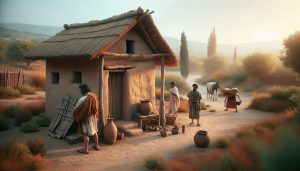
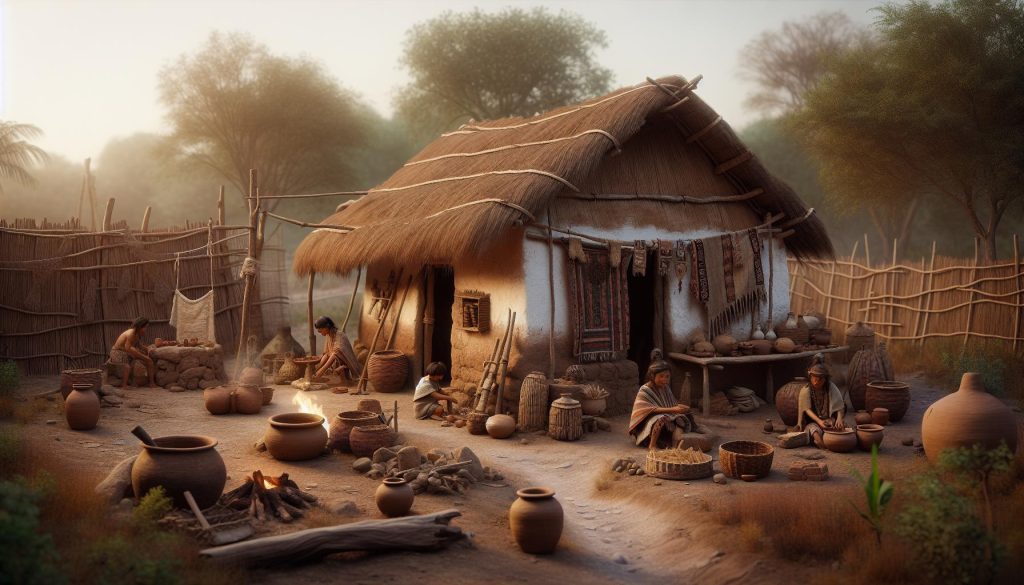
In the bustling heart of the Aztec empire, the homes of commoners tell a story of resilience and practicality. A typical poor Aztec house was simple in design, often constructed from readily available materials such as adobe, which is a mixture of clay, sand, and straw. These homes were one-story structures with thatched roofs, providing basic shelter from the elements. The walls were typically made of wattle and daub or stone, depending on the resources at hand, emphasizing the ingenuity with which the Aztecs adapted their architecture to their environment.
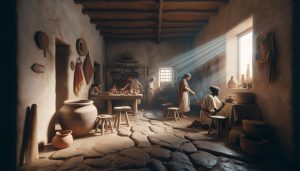
Inside, space was utilized efficiently, but it was limited compared to the elaborate homes of the elite. The interior usually featured a central room that served multiple purposes, from sleeping to cooking. Furniture was minimal; families often laid mats on the floor, using woven trunks for storage and communal cooking pots made from clay for meal preparation. The simplicity of their household items reflects a lifestyle focused on functionality rather than luxury.
Living in these homes fostered a strong sense of community, as families would often share communal gardens, planting essential crops that supported their diet and daily life. This communal effort not only enhanced food security but also strengthened social bonds, creating a network of support among neighbors. In embracing their modest architecture, the Aztecs exemplified a resourceful spirit that is inspiring today, reminding us that meaningful connections and community resilience can thrive even in the most modest of circumstances.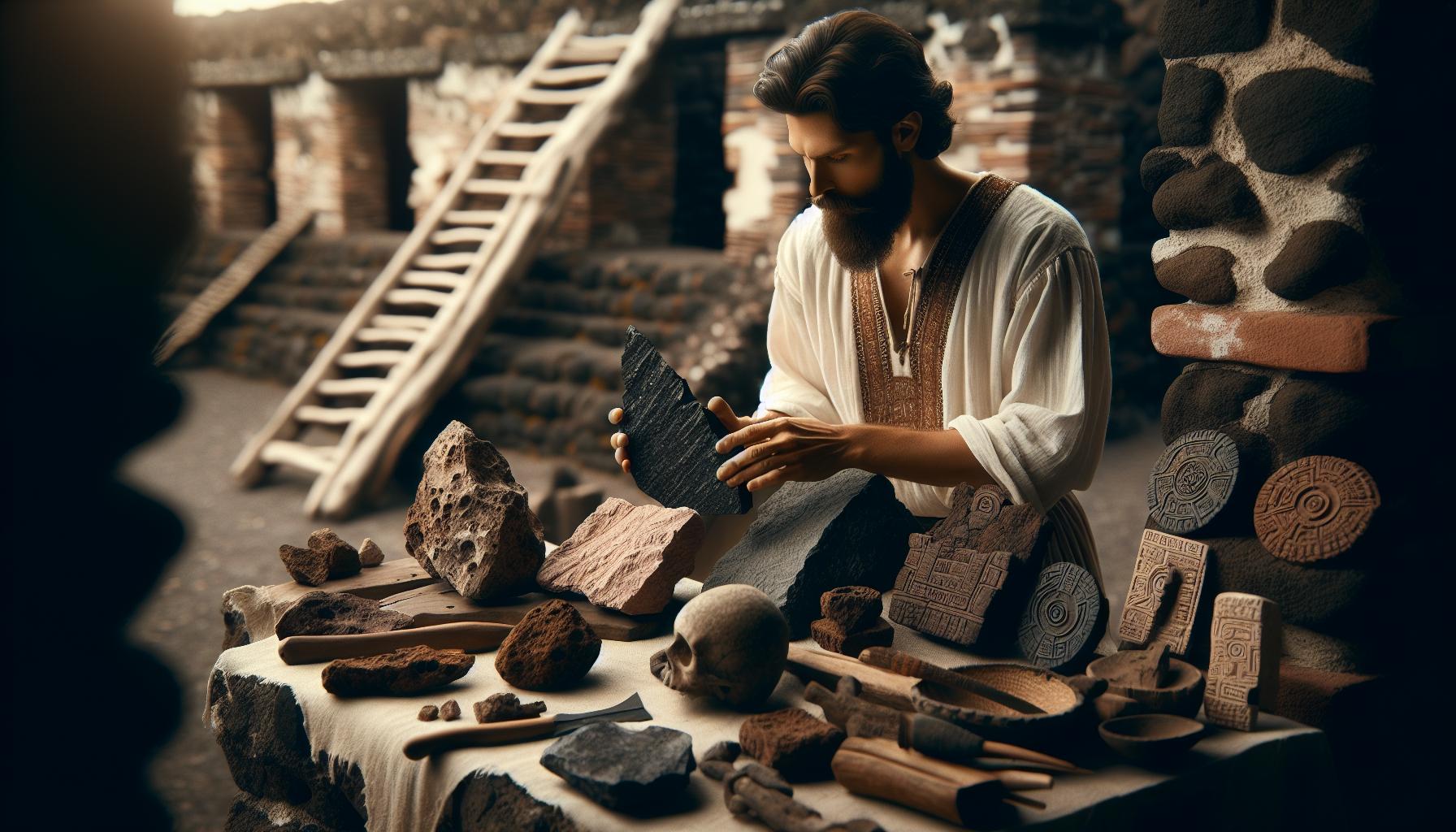
The Materials That Shaped Aztec Architecture
The ingenuity of the Aztecs in their choice of materials for construction not only defines the architectural landscape of their time but also reflects their adaptive strategies for living efficiently and sustainably. One of the primary materials used in the construction of poor Aztec homes was adobe, a mixture of clay, sand, and straw that provided excellent insulation against the varying temperatures in central Mexico. This affordable and locally sourced material allowed families to build sturdy one-story houses that protected them from the elements.
In addition to adobe, Aztec homes often featured walls made from stone or a wattle-and-daub technique. Wattle and daub involved weaving branches together to form a sturdy framework, which was then coated with a mixture of clay and straw. This method not only ensured structural integrity but also allowed for easy repairs whenever necessary, embracing a culture of resourcefulness. The thatched roofs made from local vegetation further enhanced their shelters, showcasing the Aztecs’ respect for their environment and its resources.
The Benefits of Natural Materials
Utilizing natural materials helped the Aztecs cultivate a sense of community and shared responsibility. By participating in the construction of their homes and using resources that were readily accessible, families established strong neighborhood ties. This collective effort fostered a supportive atmosphere where people worked together not only to build shelters but also to create lush communal gardens that supplemented their diets.
Moreover, these sustainable practices reflect principles that resonate today. In an era where sustainable living is more critical than ever, looking to past civilizations such as the Aztecs offers valuable lessons in making the most of available resources. For individuals or families aiming to build or renovate on a budget, considering materials that are local and eco-friendly can help reduce costs while also promoting environmental stewardship. By prioritizing creativity and adaptability, anyone can achieve a functional and welcoming living space that honors both traditional practices and modern sensibilities.
Understanding the Layout of Aztec Homes
The layout of a poor Aztec home reflects not only the creativity of those who built it but also a deep connection to community, functionality, and the environment. These modest houses typically featured a simple, organized design tailored to meet the daily needs of a family in a sustainable manner. The primary living space was often a single-room structure that served multiple purposes: cooking, sleeping, and socializing. In this compact living area, families would gather for meals, share stories, and engage in communal activities, fostering a tight-knit family unit.
Inside, the layout was practical. Families utilized a central hearth for cooking and heating, creating a warm and inviting atmosphere despite the external pressures of daily life. The walls of the home were often adorned with handmade decorations, displaying a blend of artistry and functionality. Simple furniture crafted from local materials, like wooden benches and woven mats, offered storage solutions while also being adaptable for various activities. The absence of many partitions allowed families to maximize space while promoting a sense of togetherness.
In terms of extensions and outdoor areas, many Aztec homes included small gardens or communal plots. These gardens were not just an aesthetic choice; they served as an essential source of food and herbs, illustrating the Aztecs’ commitment to self-sufficiency. By cultivating plants nearby, they could easily access fresh produce, fostering a sustainable lifestyle that relied heavily on local resources. The integration of the home with nature extended to the use of nearby plants for thatching and decor, further enhancing the space’s utility.
Such thoughtful layouts exemplify how even the simplest homes can be beautifully functional and harmoniously integrated with the environment. For modern individuals aiming to create a comfortable living space on a budget, this historical perspective serves as a reminder of the possibilities within constraints. Embracing simplicity and sustainability can lead to innovative solutions, allowing anyone to build a welcoming home that reflects personal values and the community spirit. Through creativity and resourcefulness, homes can flourish, no matter the financial limitations faced.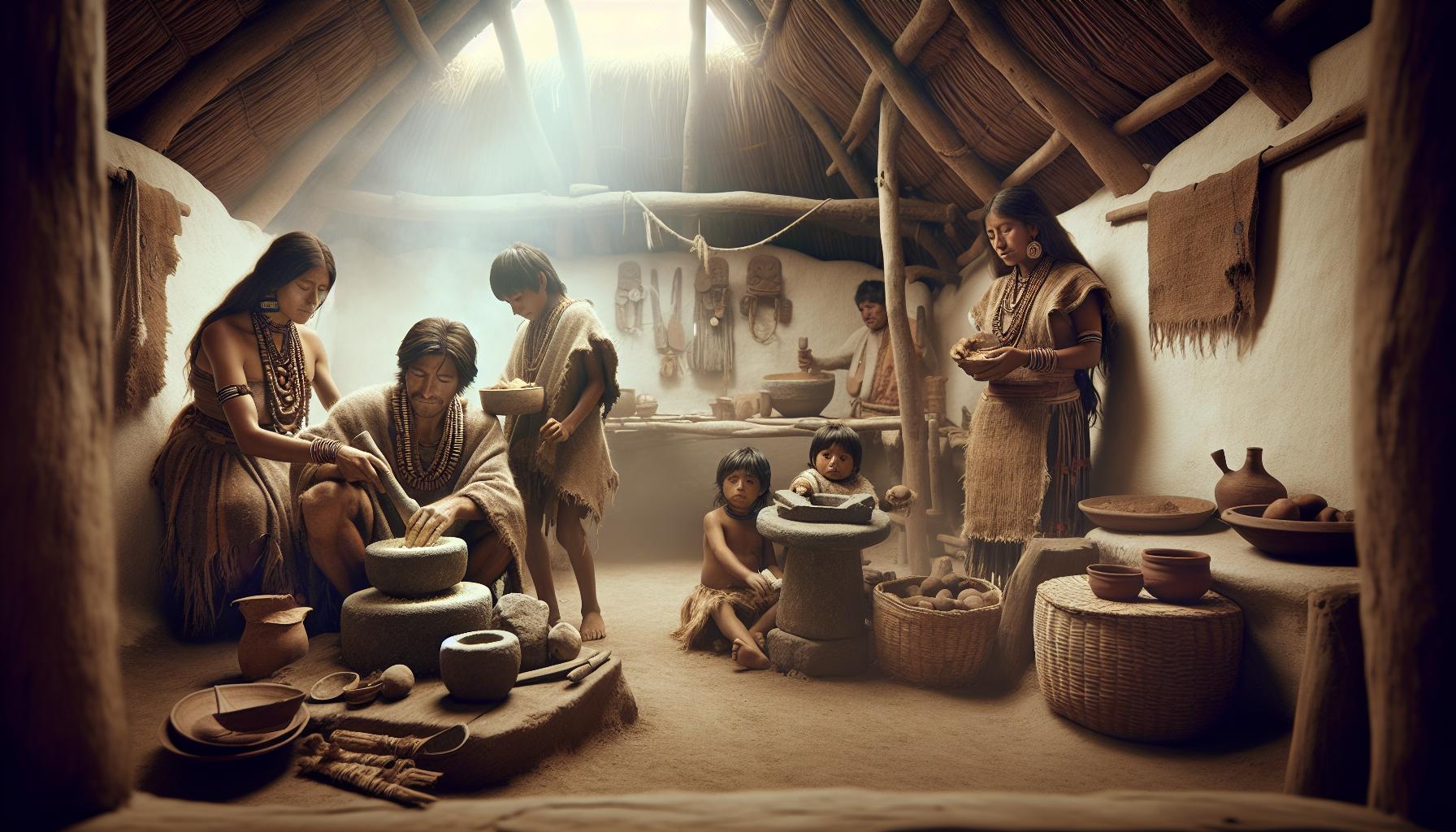
Daily Life in a Poor Aztec Household
The essence of daily life in a humble Aztec household was deeply rooted in community, practicality, and resilience. Life revolved around a structure that, despite its simplicity, functioned as a hub of family activities and social interaction. Most often, one would find a single-room dwelling that combined living, cooking, and sleeping areas in a cozy yet efficient manner. This multifunctional space was not just a house; it was a microcosm of the family’s daily existence, where every corner held a purpose and stories were woven into the fabric of everyday interactions.
Within these modest homes, daily routines were often dictated by the sun’s rhythms. Early mornings began with the soft light of dawn as families gathered around the central hearth, which served as both a source of warmth and a cooking area. Meals were simple but nourishing, typically featuring maize, beans, and vegetables harvested from their own gardens or nearby fields. Food preparation was often a communal activity, with children helping to grind maize while adults managed the cooking. This not only fostered a sense of teamwork but also illuminated the importance of cooperation in family life.
- Cooking and Food: Meals were foundational to daily life, emphasizing the use of locally sourced ingredients and traditional methods.
- Socializing: The home served as a space for storytelling and sharing wisdom between generations, enriching their cultural practices.
- Gardening: Many families maintained small gardens where they grew essential herbs and vegetables, promoting self-sufficiency and health.
Despite financial constraints, the creativity and resourcefulness of these households shone through in their approach to challenges. Households would maximize their limited resources by upcycling materials and engaging in barter systems with neighbors to fulfill their needs. For example, a family might trade handmade goods for grains or share excess produce with the community. This reliance on one another built a strong network of support, which highlighted the importance of relationships and community cohesion in overcoming adversity.
A stark sense of adaptability permeated daily life, as families found joy and fulfillment in simple pleasures. Festivals and rituals brought vibrancy to their existence, allowing them to celebrate their culture and spirituality even amidst the hardships. These gatherings were not only a way to observe traditions but also an opportunity to strengthen familial bonds and communal ties. Such experiences served as reminders that wealth is not only measured in material possessions but also in love, support, and shared experiences.
In this context, lessons can be drawn for modern living. Embracing simplicity, focusing on relationships, and cultivating adaptability can lead to a fulfilling life, especially when financial resources are limited. Just like the Aztecs, individuals today can find innovative, budget-friendly ways to nurture their homes and communities, drawing strength from connections and creativity.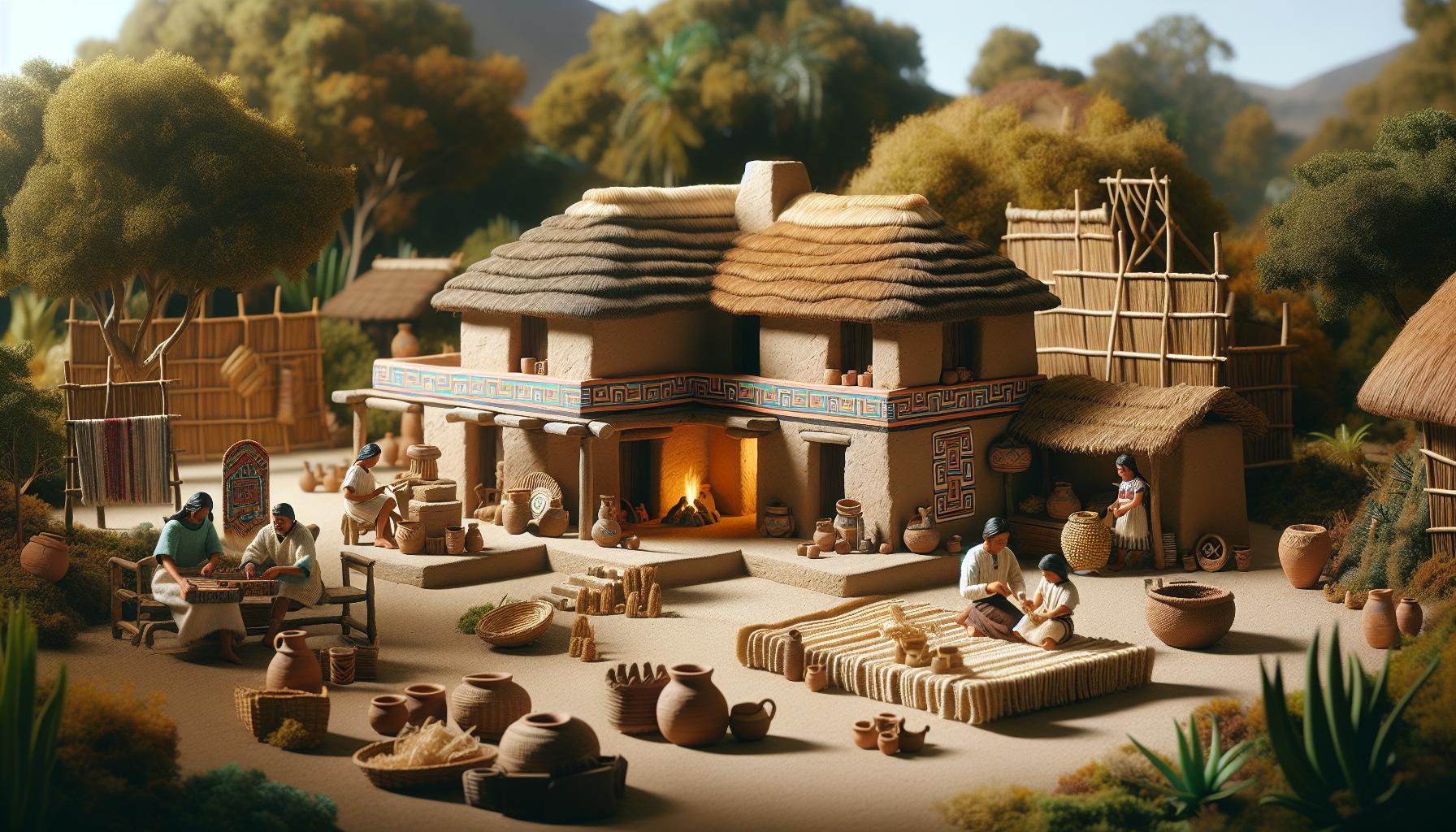
Distinct Features of Pre-Columbian Home Design
In the world of Pre-Columbian architecture, particularly within the humble framework of a poor Aztec household, functionality and community impression played vital roles. These homes were typically constructed with local materials such as adobe and thatch, ensuring both insulation and durability. The simplicity in design did not compromise practicality; it reflected the daily rhythms of family life while promoting a sense of shared responsibility among occupants.
Most Aztec houses featured a single room that seamlessly blended various aspects of life, from sleeping and cooking to socializing. This open-plan layout fostered intimacy and interaction, where family members could engage in communal tasks or share stories without barriers. The central hearth often served as a multifunctional space-it provided warmth, facilitated cooking, and acted as a communal gathering spot. This design emphasizes a lifestyle centered on togetherness, illustrating how home life resonated with broader community connections.
Emphasizing sustainable practices, these households utilized natural materials that were not only locally sourced but also biodegradable. Roofs made of palm leaves and walls crafted from clay and straw were not only cost-effective but also harmonized with the environment. Such choices reflect an intrinsic understanding of ecological balance, showcasing how ancient civilizations prioritized sustainability long before it became a modern requirement.
The distinctiveness of Aztec home design extended to the inclusion of outdoor spaces, where gardens flourished alongside homes. Families often cultivated crops and herbs, allowing them to practice self-sufficiency. This integration of nature into living spaces promotes a healthy lifestyle while demonstrating innovative agricultural techniques such as chinampas-floating gardens that maximized arable land. Such practices provide a sense of inspiration today: modern families can cultivate small gardens or utilize container gardening to create inviting outdoor spaces that contribute to well-being and resourcefulness.
Living within the practical yet creative constraints of a poor Aztec household invites us to reflect on our own lifestyles. By embracing simplicity, preserving community values, and fostering adaptability, we can enhance our lives and cultivate a home that resonates with purpose and connection, regardless of financial limitations.
The Influence of Environment on Aztec Housing
The natural environment played a pivotal role in shaping the architecture of Aztec homes, particularly among the lower-income families who relied on available local resources to construct their dwellings. In a landscape marked by the volcanic soil of the Valley of Mexico, adobe and other earth-based materials became essential components of Aztec housing. The use of locally sourced materials was not merely a matter of convenience; it reflected a profound understanding of the climate and geography in which these families lived.
Aztec homes were typically built to withstand the varying weather conditions, from the intense sun to seasonal rains. The thick adobe walls provided excellent insulation, keeping the interiors cool during hot days and warm during chilly nights. Additionally, the roofs, often made of thatched palm leaves, offered natural protection against rain and allowed for effective ventilation. This adaptability demonstrated a remarkable ingenuity that ensured comfort and sustainability in their harsh environment.
Furthermore, the placement of homes in relation to natural resources was also strategic. Many families constructed their households near agricultural areas, enabling easy access to food production. This not only reduced the labor involved in gathering food but also emphasized a lifestyle steeped in self-sufficiency. Families adeptly incorporated elements of their environment, such as gardens for growing crops and medicinal plants, into their homes. This connection with nature fostered an enduring reliance on the land, showcasing a harmonious balance between living spaces and agriculture.
In today’s fast-paced world, the essence of such practices can inspire modern approaches to home design and sustainability. Emulating the Aztec value of integrating nature into living environments can lead to financial and spiritual fulfillment. Individuals and families can create their own small urban gardens or engage in community gardening projects, echoing the resourceful living of the Aztecs. By utilizing available space wisely and opting for sustainable materials when renovating or building, we too can cultivate environments that foster resilience, creativity, and purpose.
Social Status and Housing: The Aztec Perspective
In the Aztec society, the type of dwelling one inhabited was a clear reflection of their social status. The homes of poorer families differed vastly from those of the wealthy, illustrating the stark contrasts in lifestyle and opportunity. While wealthier Aztecs lived in spacious multi-roomed homes adorned with intricate decorations and surrounded by lush courtyards, the residences of the lower class were far simpler. These modest structures, often made of readily available materials like adobe or palm fronds, typically consisted of one or two small rooms, providing just enough shelter for the family.
The design of poorer Aztec houses was not only functional but also reflected the resourcefulness of the inhabitants. Families engaged in a lifestyle intertwined with the land, often constructing their homes near agricultural plots. This strategic placement not only facilitated access to food resources but also allowed for communal activities centered around sharing agricultural knowledge and practices. The use of local materials exemplified a sustainable approach to living; thick, clay-based walls modeled after their more affluent counterparts provided insulation against the weather, illustrating how necessity fostered innovation.
Yet, even within this economic framework, creativity prevailed. Poor families often found ways to enhance their living spaces through the use of color and community art. While they may not have had the wealth for exquisite decorations, they often utilized natural dyes and crafted communal art projects that reflected their culture and unity. This spirit of togetherness and ingenuity highlights how social status did not solely define the well-being or happiness of a family in Aztec society.
For those inspired by the resourcefulness of poorer Aztec households, consider applying similar principles today. Emphasizing creativity over extravagance, individuals can cultivate homes filled with personal touches, using repurposed materials or engaging in community efforts to enhance their living spaces without heavy expenses. Just as the Aztecs adapted to their circumstances, modern families can find fulfillment and joy in simplicity. Embracing a minimalist approach can lead to financial security, while also encouraging a deeper connection with community and environment. It’s about gathering wisdom from the past to build resilient, meaningful lives today.
Contrasting Wealth: Rich vs. Poor Aztec Dwellings
In the world of the Aztecs, the stark contrast between the dwellings of the wealthy and those of the poor painted a vivid picture of social stratification. Wealthier Aztecs resided in expansive homes with multiple rooms, built from solid stone or adobe, and often adorned with intricate frescoes and carvings that showcased their status and artistic achievements. These homes typically featured separate areas for cooking and socializing, and they might be surrounded by lush gardens filled with native plants and fruits, allowing families to enjoy both beauty and utility in their living spaces.
In sharp contrast, the homes of poorer families were often simplistic, constructed with readily available materials such as adobe bricks and thatched roofs made from palm fronds. These modest dwellings usually consisted of one or two small rooms, providing just enough space for essential living. The design prioritized functionality over comfort, with families often sleeping on woven mats and utilizing communal spaces for many daily activities. Despite their limited resources, these households thrived on their resourcefulness, often situating their homes near agricultural plots to maximize access to food and promote communal labor and shared knowledge.
Ingenious Adaptations and Community Spirit
The resilience of poorer Aztec families is evident in how they chose to adapt their environment creatively. While they lacked the means to afford lavish decorations, many homes reflected a vibrant community spirit through the use of locally sourced materials. For example, they would often employ natural dyes to color textiles and create communal art that celebrated their culture. Even in the face of economic challenges, these families exhibited a strong sense of unity and creativity, proving that happiness and fulfillment could thrive alongside material simplicity.
Emulating this spirit today can be a source of inspiration. By focusing on creativity and community rather than consumerism, families can create enriching living spaces without the need for excessive spending. Engaging in local art projects, utilizing recycled materials for home decor, and fostering a strong sense of neighborhood connection can enrich lives-in much the same way the poorer Aztec households turned their limited resources into symbols of resilience and cultural pride. Thus, regardless of financial constraints, a purposeful and fulfilling life can be built through resourceful practices, communal ties, and a deep appreciation for one’s environment.
Sustainability Practices in Aztec Construction
In the heart of the Aztec civilization, sustainability was not merely a modern concept but a fundamental aspect of everyday life. Poorer Aztec households exemplified this ethos through their resourceful use of local materials and their harmonious relationship with the environment. Building practices centered around natural resources ensured that structures were both functional and eco-friendly, allowing families to thrive even with limited financial means.
The primary materials used in constructing poor Aztec homes included adobe bricks and thatched roofs made from palm fronds. These materials were abundant and required minimal processing, reducing waste and environmental impact. The thick adobe walls provided insulation, keeping homes cool in the scorching sun and warm during chilly nights, thus optimizing energy efficiency in a time long before modern technology. Families often collected rainwater and utilized simple irrigation techniques to support their neighboring gardens, demonstrating an intimate understanding of sustainable agriculture. This not only provided food security but also enriched the soil and boosted biodiversity.
Community practices played a crucial role in sustainability as well. The sharing of tools and resources among neighbors fostered a sense of cooperation and support. Communal efforts in housing construction also allowed families to economize their labor while ensuring homes were built to last. Such collaboration nurtured a spirit of resilience and adaptability, as families learned to make the most of their surroundings.
By reflecting on these age-old practices, today’s families can be inspired to adopt sustainability in their own lives. Simple steps like using reclaimed materials, participating in local community projects, or cultivating urban gardens can initiate a sustainable lifestyle. Embracing these principles not only promotes better environmental practices but also creates a deeper connection with the community and a sense of personal fulfillment-qualities that were essential to the everyday lives of poorer Aztec households.
How Aztec Housing Inspired Modern Architecture
Aztec architecture, particularly the design of poorer households, holds a treasure trove of lessons that can inspire modern sustainable living and housing solutions. The clever use of locally sourced materials-like adobe and palm fronds-demonstrates an inherent understanding of environmental harmony. These traditional building methods reflect an intimacy with the surrounding landscape that can provoke innovative ideas today, especially in the context of rising costs and environmental challenges.
Understanding the functional aspects of Aztec homes can inform present-day architectural practices. These structures were not just shelter; they were carefully designed to facilitate the natural flow of air and light, create communal spaces, and maximize energy efficiency. Homeowners today can implement similar concepts by prioritizing ventilation and optimizing natural light in their designs. Using contemporary, sustainable materials that mimic the eco-friendliness of adobe can also contribute to a reduced carbon footprint.
Bridging Ancient Wisdom with Modern Needs
The communal spirit of Aztec housing-where families worked together to build and maintain their homes-can inspire today’s community-oriented housing projects. This approach encourages shared resources and cooperative living, which can be both financially beneficial and socially enriching. For instance, creating co-housing communities where many families share amenities and resources can streamline expenses and foster stronger neighborly ties, reflecting the collaborative nature of Aztec life.
As urban areas become more populated and expensive, the adaptability of Aztec designs could also provide inspiration for tiny homes or modular housing. By maintaining a minimalist yet functional approach, these housing solutions can cater to diverse needs without the excess, promoting a lifestyle focused on essentials.
Incorporating these time-honored principles into today’s architectural trends not only celebrates historical ingenuity but also champions creativity and resilience in the face of economic challenges. By learning from the past, we can cultivate a future where home design is both sustainable and aligned with our efforts for community and environmental well-being.
Artifacts and Artistry in Aztec Home Decor
In the heart of Aztec homes, where practicality met artistry, various artifacts and decorative elements played a vital role in enriching daily life and showcasing cultural heritage. The use of locally sourced materials not only defined the functionality of these spaces but also transformed simple dwellings into vibrant extensions of personal and communal identity. In many ways, these decorative choices offered insight into the values, creativity, and resilience of the Aztec people, even when economic constraints were a reality.
Ceramic pottery, adorned with intricate designs and symbolic motifs, served both aesthetic and practical purposes. Families often produced their own cooking vessels, which doubled as eye-catching decor when not in use. Additionally, colorful textiles woven from cotton, which were common in Aztec households, added warmth and personality to interiors. Households, even those of lower income, would utilize their skills to create beautiful objects that reflected their cultural narratives-be it through vibrant tapestries hanging on the walls or handmade mats made from palm fibers.
Community and Creativity
Community bonds were nurtured through shared artistic practices. Families would often collaborate on the creation of decorative items, fostering a sense of unity and collective identity. This tradition encourages us today to embrace community efforts in our own homes, whether through joining craft groups or community workshops. Decorating with handmade items not only saves money but also enriches personal stories, encouraging us to celebrate our unique heritages and experiences.
Simple Elegance in Everyday Life
The artistry of Aztec home decor was not merely for show; it symbolized resilience and adaptability. Utilizing discarded materials or leftover scraps, families crafted unique pieces that spoke to their creativity and resourcefulness. This legacy can inspire modern readers to rethink their own home decor approaches-consider creating artistic pieces from recycled materials, repurposing items, or involving family members in crafting something meaningful together.
Embracing this perspective can empower individuals and families to make thoughtful choices that reflect their values and lifestyles. In a world striving for financial stability, turning to simple yet beautiful home decor based on local resources and communities can uplift spirits and enhance daily life, crafting not just a home but a sanctuary filled with personal history and creativity.
Faq
Q: What materials were used to construct poor Aztec houses?
A: Poor Aztec houses were primarily made of locally available materials like adobe and thatch. The walls were often constructed from mud bricks, while roofs were covered with straw or palm leaves to provide insulation against the heat and rain.
Q: How did the layout of a poor Aztec house differ from that of a wealthy one?
A: The layout of a poor Aztec house was generally simpler and consisted of just one or two rooms, lacking the inner courtyards or multiple rooms found in wealthier homes. This design reflected their need for basic living space without elaborate amenities.
Q: What was daily life like in a poor Aztec household?
A: Daily life in a poor Aztec household revolved around subsistence activities such as farming, domestic chores, and caring for children. Families often worked together to grow crops and produce essential goods for their survival.
Q: How did social status affect housing in Aztec society?
A: Social status significantly influenced housing designs in Aztec society. Wealthier individuals lived in spacious homes with decorative elements, while poorer families had minimalistic houses that catered strictly to essential living needs, as discussed in “Contrasting Wealth: Rich vs. Poor Aztec Dwellings.”
Q: What role did climate play in the design of poor Aztec houses?
A: Climate was a crucial factor in the design of poor Aztec houses. Builders utilized materials that offered protection against extreme sun and seasonal rains, ensuring that homes were functional and comfortable throughout the year, as highlighted in “The Influence of Environment on Aztec Housing.”
Q: Were there any distinctive features in the architecture of poor Aztec homes?
A: Poor Aztec homes often had few distinctive features compared to wealthier houses. Basic structures might include small windows for ventilation and clay floors for easy cleaning, lacking elaborate decorations or complex layouts.
Q: How did poor Aztec families manage resources in their homes?
A: Poor Aztec families managed resources by cultivating their own food, utilizing barter systems for trade, and often pooling resources with extended family. This communal approach was crucial for survival in a resource-limited environment.
Q: What attention was given to hygiene in poor Aztec households?
A: Hygiene in poor Aztec households was basic but mindful. Families typically maintained cleanliness by using natural materials for waste disposal and by frequently cleaning their living spaces, focused on practicality to ensure a healthier living environment.
The Conclusion
Understanding the humble homes of the Aztecs provides invaluable insight into their daily lives and social structures. While we’ve explored the key elements of a poor Aztec house, there’s so much more to discover about this incredible civilization’s architecture, culture, and historical significance. Don’t miss out on learning about the impressive construction techniques used in Tenochtitlán or the rich symbolism embedded in their designs.
Ready to dive deeper? Explore our additional articles on Aztec architecture and everyday life to enrich your understanding. If you found this topic insightful, subscribe to our newsletter for more fascinating insights into history and culture. Share your thoughts in the comments and connect with fellow history enthusiasts! Your journey through the intriguing world of the Aztecs doesn’t have to end here-uncover new knowledge and perspectives today!