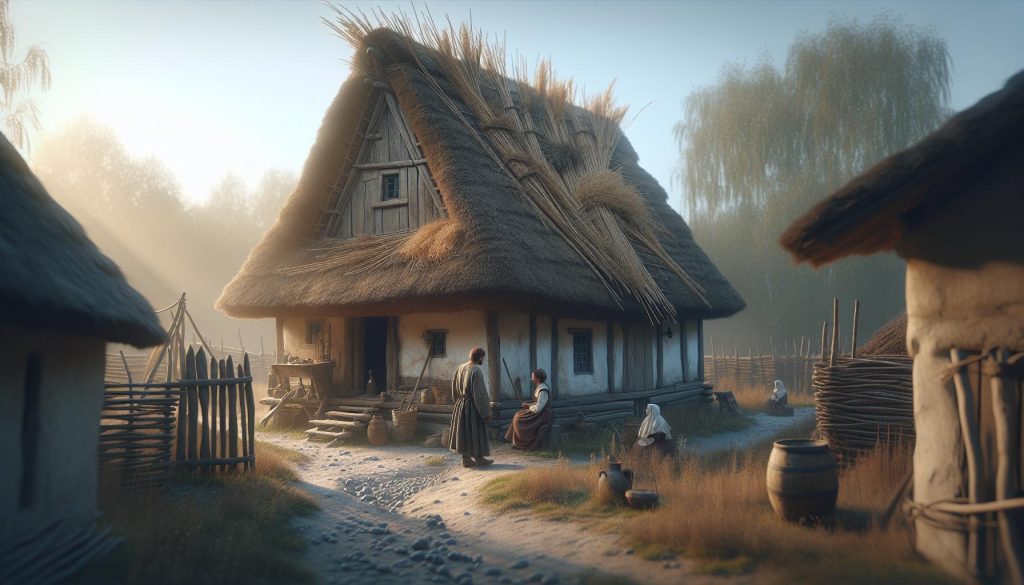
Did you know that the roofs of poor medieval houses often used some truly shocking materials? While we may envision homes sheltered by sturdy tiles or thatch, the reality for many was far different, relying on whatever was affordable and accessible. Understanding the resourcefulness of those who lived in these conditions not only enriches our historical perspective but also inspires us. As we explore the inventive, if surprising, choices made by medieval families, we can draw connections to today’s challenges in sustainable living and budget-conscious housing. Join me in uncovering how these resilient individuals made the most out of their circumstances, showcasing creativity and adaptability that resonate in our own pursuits for resourcefulness and stability in the modern world.
The Costly Reality: Common Medieval Roofing Materials
In the medieval period, roofing materials varied greatly, influenced by geography, availability of resources, and the economic status of the household. For poorer communities, roofing options were not only limited but often involved unconventional materials that today might shock modern sensibilities. The need for affordability led to the widespread use of materials that were easily sourced, cheap, and sometimes surprising in their composition.
Common Roofing Materials
Peasant homes often featured thatch, made from dried reeds, straw, or rushes. This natural insulator was advantageous due to its availability and low cost. While thatch is effective at shedding rain and significantly reduces heating costs, it requires regular maintenance to prevent decay and pest infestations. Additionally, it has a shorter lifespan compared to more durable materials, making it a trade-off for those with financial constraints.
Wood shingles were also popular but came with their own set of challenges. While they provided better durability and aesthetics, the cost of wood could be prohibitive for the poorest families. Therefore, many relied on wooden planks scavenged from fallen trees or old structures, showcasing a culture of resourcefulness. However, wood shingles were susceptible to fire, which posed a significant risk in densely populated areas.
Innovative Alternatives
Surprisingly, some medieval roofs incorporated mud and clay as low-cost solutions. In regions where clay was abundant, this material was shaped and baked into durable tiles. Though labor-intensive and not as widespread among the poorest, inwet homes, it offered reasonable protection against the elements while being more resilient than thatch.
The collaborative spirit of medieval communities greatly influenced housing solutions. Neighbors often helped each other repair or construct roofs, sharing labor and resources. This communal effort fostered a sense of unity while allowing families to save on costs.
Exploring these historical roofing practices offers valuable lessons for modern homeowners. By appreciating the use of local and sustainable materials, one can draw inspiration for budget-conscious building, demonstrating that creativity and community can triumph over financial barriers.
Exploring Thatching: Natural and Affordable Options
Though seemingly primitive by today’s standards, thatching offered medieval communities a remarkable solution to roofing needs that was both natural and affordable, effectively showcasing the balance between utility and resourcefulness. Commonly made from materials like dried reeds, straw, or rushes, thatch not only provided excellent insulation but also was readily available, making it a popular choice among the poorer populations. This method of roofing served not only as a functional barrier against the elements but also as a testament to the community’s ingenuity in making the most of the resources at hand.
Thatch roofing had the distinct advantage of being a cost-effective option that required minimal tools for installation, allowing even the less skilled to partake in the building process. It’s important to recognize that while thatch can efficiently shed rainwater and insulate homes during colder seasons, it does come with challenges. Regular maintenance was essential to safeguard against decay and pest infestations, which are often the bane of thatched roofs. Families needed to be diligent in checking for wear and tear, sometimes sacrificing time and resources to ensure their roof remained intact and functional.
For those inspired by the resourceful spirit of medieval times, exploring sustainable building practices today can lead to practical solutions. Consider how local vegetation might be harnessed for roofing, even in modern environments, or how community-based projects can source materials collectively to minimize costs. Creative alternatives, such as using sustainable materials found in your area, echo the medieval reliance on local resources, while fostering a sense of communal effort and shared responsibility.
Ultimately, thatching is a reminder that financial constraints can spark innovation, urging us to rethink our approaches to home construction. Embracing such historical practices not only honors the resilience of those who came before us but can also effectively guide contemporary solutions by emphasizing sustainability, creativity, and community. Building a home with purpose does not require extravagant spending; sometimes, the simplest solutions yield the most profound results.
The Use of Wood Shingles: Pros and Cons
Wood shingles, crafted from split logs, were a common roofing material in medieval times, offering a blend of practicality and aesthetic appeal. These shingles provided a sturdy and relatively affordable option for those wanting more durability than thatch could offer. A roof made of wood shingles could effectively repel rain and insulate against the cold, making it preferable for many families. However, while there are numerous advantages to using wood shingles, they also come with their share of disadvantages, which are worth considering for both historical context and modern applications.
Advantages of Wood Shingles
One of the primary benefits of wood shingles is their longevity when properly maintained. Unlike thatch, which requires regular upkeep to stave off decay, wood shingles can last several decades if treated and installed correctly. The natural oils in certain types of wood, like cedar, help resist moisture and insects, which can significantly enhance the lifespan of the roof. Furthermore, wood shingles provide excellent insulation, aiding in temperature regulation within the home and lowering heating costs during the colder months.
In addition to practical benefits, wood shingles also have an aesthetic appeal. Their natural look complements a variety of architectural styles, making them a favorite among homeowners who prioritize visual beauty along with functionality. A well-installed wood shingle roof can enhance a property’s overall charm and value, adding a rustic touch that resonates with many.
Disadvantages of Wood Shingles
Despite their advantages, wood shingles are not without drawbacks. One significant concern is susceptibility to fire. In a time when flammable materials were common and fire safety was less regarded than today, wood shingles posed a fire hazard, leading to the destruction of homes. Furthermore, wood roofs require periodic treatment with preservatives and protective coatings to prevent rotting and pest damage, leading to additional costs in maintenance.
Another factor to consider is the initial cost. While wood shingles can be more affordable than some other roofing materials, they often require skilled labor for proper installation, which can drive up the total expense. The long-term commitment of maintaining these roofs can also deter some homeowners from choosing this option.
In conclusion, wood shingles represent a fascinating chapter in roofing material history, showcasing the balance between cost, durability, and aesthetics. They offer an opportunity for modern readers to rethink how historical practices can inform contemporary design choices. For those looking to combine traditional methods with modern sensibilities, considering wood shingles could inspire thoughtful, sustainable choices in home construction, emphasizing a commitment to quality and local craftsmanship.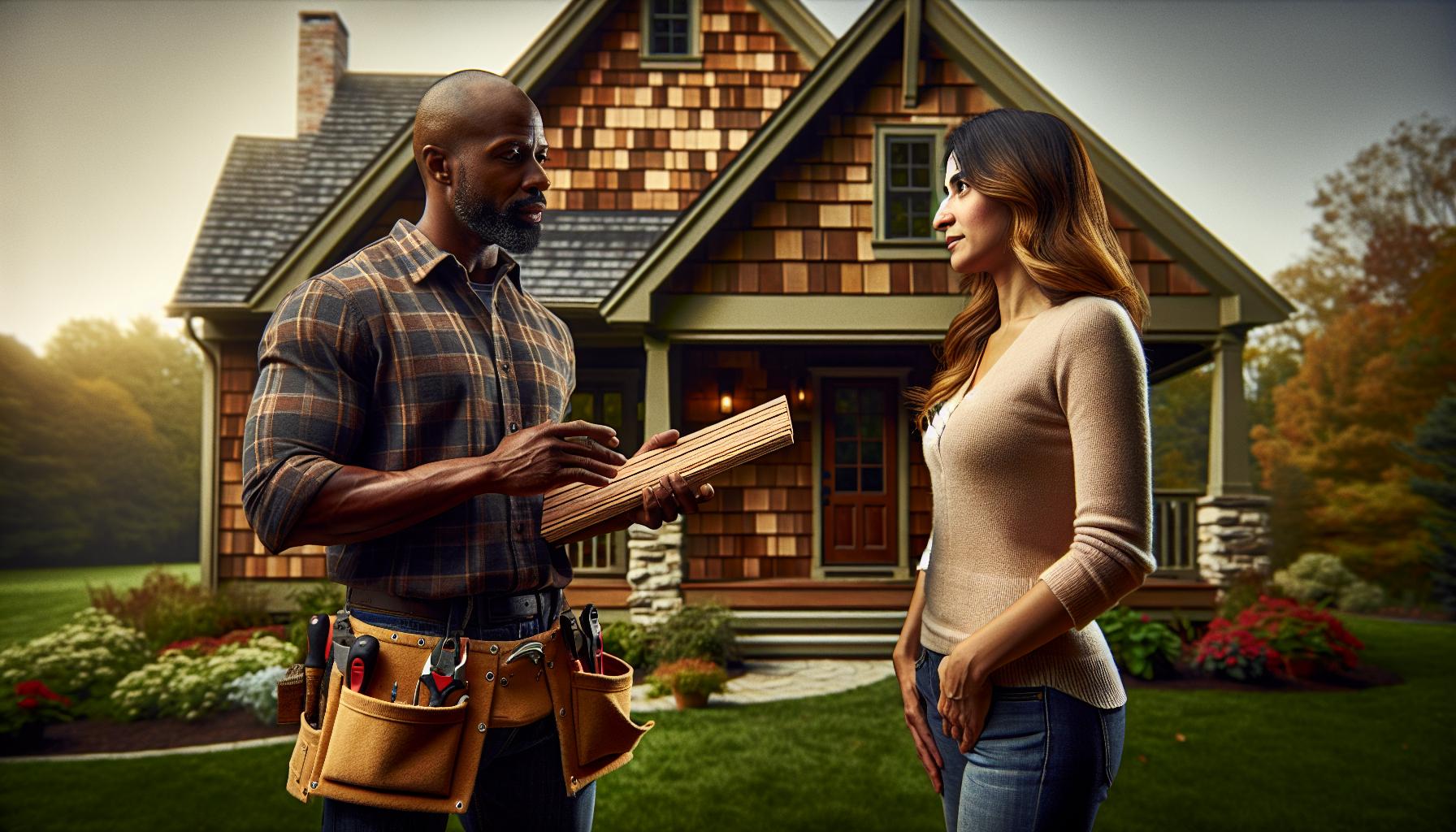
Rooftops of Straw: Ingenious Cost-Cutting Measures
Straw rooftops were a common sight in medieval villages, serving as a testament to the ingenuity of communities facing limited resources. Using straw was not just a cost-effective solution, but it also showcased the resilience and creativity of those who lived during a time of hardship. The practice of thatching with straw, made from the harvested stalks of cereal crops like wheat and barley, formed a robust and practical roofing material that offered shelter at a minimal expense. This method highlights how sustainability and resourcefulness can lead to innovative housing solutions even in challenging economic conditions.
Advantages of Straw Roofing
Utilizing straw for roofing came with several benefits, making it an attractive option for lower-income households. First and foremost, straw was abundant and could be sourced nearby, significantly reducing transportation costs. Furthermore, straw thatch provided excellent insulation, keeping homes warm in the winter and cool in the summer. This natural material was also surprisingly resilient to various weather conditions when correctly layered and maintained, offering solid protection against rain and wind.
Another advantage of straw roofs lies in their potential for easy repair. If a section became damaged, it could be replaced quickly and with minimal expense, allowing homeowners to maintain their roofs without investing a fortune. This adaptability made straw a practical choice for families who may have been managing multiple financial responsibilities.
Challenges and Considerations
While straw roofs had clear benefits, they also presented certain challenges. The primary drawback was their susceptibility to fire, which was a significant risk during a time when many homes were heated by open flames. Regular maintenance was crucial to prevent pests and decay, as the organic nature of straw could lead to issues if not attended to properly.
Moreover, the longevity of straw roofing was often less than that of more durable materials, requiring regular replacement every few years. This ongoing need for maintenance could lead to accumulated costs over time, making it necessary for homeowners to be proactive in caring for their roofs.
In light of these considerations, straw roofs embody a balance of creativity and practicality. They remind us that solutions can be found in the simplest materials, illustrating how resourceful choices can provide comfort and safety while promoting sustainable living. As we navigate our paths towards financial security, these historical lessons encourage us to embrace innovation and resilience, even in the face of adversity.
Innovation in Roof Design: Adaptations Over Time
The evolution of roofing materials during the medieval period reflects a remarkable blend of ingenuity and necessity, as communities navigated the challenges of limited resources and adverse weather. As the demand for durable yet affordable roofs grew, people began to innovate and adapt their roofing designs based on their environment and available materials. This adaptability was not merely a matter of survival; it was a testament to human creativity in resource management.
Traditionally, rural areas saw the prevalence of thatched roofs made from straw or reed, which provided excellent insulation and was relatively easy to repair. As communities recognized the constraints of time, labor, and finances, they began to experiment with layering techniques and mixtures of materials to enhance durability. For instance, alongside the standard straw, some added layers of mud or clay to create a more weather-resistant barrier, combining different local resources for maximum effectiveness.
Local Resources Shaping Designs
Geography played a critical role in determining roofing styles. In regions with abundant timber, wood shingles became popular due to their availability and practicality. Townsfolk would often split wood into thin, overlapping shingles, which not only shed water effectively but also showcased a craftsmanship that highlighted local resources. In communities along riverbanks, mud and clay were utilized to create a more uniform roofing surface, offering a rustic appeal while protecting homes from the elements.
Additionally, the emergence of communal efforts to repair and maintain roofs marked a shift in how communities approached home improvement. Neighbors would come together to help thatch roofs, sharing not only labor but also techniques that were passed down through generations. This collective effort not only reinforced the social fabric of the community but also optimized resource use, demonstrating that in challenging times, collaboration could lead to innovative solutions.
Through these adaptations, medieval builders laid the groundwork for sustainable practices that resonate today. The creativity displayed in local adaptations serves as a valuable lesson for modern homeowners. By embracing sustainable materials and encouraging community involvement in building projects, we can draw inspiration from the past to create resilient living spaces that respect both our environment and our budgets. Such practices not only foster a sense of community but also empower us to make mindful choices about housing, ensuring that we can thrive regardless of our financial circumstances.
Uncovering Mud and Clay: The Low-Cost Solutions
In the medieval period, mud and clay became essential materials for roofing, particularly among poorer households. Their availability and low cost made them ideal for communities that lacked financial resources to invest in more traditional roofing materials. The use of these humble substances reflects a remarkable resourcefulness, showcasing the ingenuity of people adapting to their circumstances.
Applying mud and clay to roofs involved a layered approach. First, a sturdy wooden frame or support structure was constructed. Then, a mixture of mud and straw-sometimes referred to as daub-was applied over the roofing structure. This combination not only provided insulation but also created a weather-resistant barrier against the elements. The natural properties of clay offered durability, helping to keep homes dry even during the harshest weather conditions.
Practical Benefits of Mud and Clay Roofing
Utilizing mud and clay had several practical benefits for medieval families:
- Cost-Effective: Both materials were readily available and inexpensive, making them accessible for low-income households.
- Insulation: Clay has notable thermal properties, helping to keep homes warm in winter and cool in summer, which was vital for comfort.
- Energy Efficiency: By utilizing local resources, communities were able to minimize transportation costs and energy expenditure associated with sourcing materials.
- Ease of Maintenance: Repairs to mud and clay roofs were relatively simple. Families could patch leaks or cracks using the same materials found nearby, encouraging DIY home improvement.
The communal aspect of roof maintenance was another significant advantage. Neighbors often collaborated on building and repairing roofs, fostering community spirit and solidarity. This cooperation not only brought families together but also helped to share expertise and techniques that improved the quality of the roofing work completed. The practice of pooling resources and labor not only resulted in cost savings but also enhanced social ties within these communities.
Overall, the use of mud and clay as roofing materials highlights a larger narrative of resilience and adaptability in medieval society. For modern homeowners seeking to create affordable and sustainable living conditions, there is much to learn from these historical practices. Drawing on the past can inspire innovative solutions today, allowing us to build homes that reflect both our values and needs. Embracing a mix of traditional techniques with modern materials can empower people to design living spaces that are not only cost-efficient but also environmentally conscious.
Historical Roof Durability: What Survived the Ages?
The roofs of medieval homes, particularly those belonging to the lower classes, were remarkable in their resilience, showcasing an ability to withstand the test of time despite the humble materials used. Many roofs crafted from basic elements like straw, thatch, and mud have surprisingly survived centuries, offering us a glimpse into the resourcefulness of those who lived in this era. Understanding the durability of these materials can inspire modern homeowners focused on sustainability and affordability.
Natural materials like thatch and straw, commonly used for roofing, demonstrated an impressive capacity for longevity when properly maintained. Thatching, made from dried grass or reeds, was layered tightly, creating a waterproof barrier that could last several decades if replaced regularly. This method not only served as insulation but also blended harmoniously with the environment. Thatch roofs exemplify how simplicity can lead to enduring results, proving that sustainable living was achievable even in medieval times.
Mud and clay, integral to many of these structures, featured a layered application technique that enhanced durability. When combined with straw to create daub, this mixture provided effective weather resistance and thermal insulation, thus preventing leaks and drafts. Many medieval homes featuring these materials have similarly withstood the ravages of time, highlighting the clever construction techniques that prioritized both functionality and cost-effectiveness.
The social aspects surrounding roof maintenance also played a pivotal role in their durability. Community cooperation allowed for shared repairs and regular upkeep, ensuring roofs remained in good condition for longer. This collaborative spirit reflects a community-centric approach to living, which can be inspirational today as we seek to foster connections and support systems within our neighborhoods for maintenance and improvement projects.
Ultimately, the endurance of medieval roofing solutions provides a compelling case for the potential of using natural, locally sourced materials in modern construction. Emphasizing creative, budget-conscious methods can lead to practical solutions that are not only affordable but also deeply connected to heritage and community, paving the way for a resilient and sustainable future.
Local Resources: How Geography Influenced Roofing Choices
Geography played a crucial role in dictating the roofing choices of medieval households, particularly for those in lower socioeconomic classes. The availability of local resources directly influenced what materials were used and how structures were built, reflecting not only practicality but also the ingenuity of the people living within various regions. For instance, in areas abundant with woodlands, timber became the preferred choice for roofing. Oak and pine, commonly available trees, were often split into shingles or used in structural frameworks, showcasing a resourcefully sustainable approach to home construction.
In contrast, regions where grass and reeds were plentiful turned to thatch as a popular roofing solution. This natural material was not only accessible but also offered excellent insulation and waterproofing when crafted correctly. Villagers would harvest local grasses, such as marram grass or sedge, which could be harvested and easily replaced. The adaptability of thatch demonstrated the ability of communities to utilize their immediate surroundings effectively, fostering a lifestyle that celebrated low-cost yet efficient building methods.
Additionally, the use of mud and clay in roofing reflected the environmental conditions of certain areas, particularly in more arid regions where wood might be sparse. In such places, earthen materials were often combined with straw to create a durable thatch-like roof, which provided significant thermal insulation against the harsh elements. This technique not only utilized the soil but drew on the local climate’s demands, showcasing how the medieval people innovatively collaborated with their environment.
Ultimately, the geographical influences on roofing decisions in medieval communities reveal a significant insight into ancient resourcefulness and sustainability. Today’s homeowners can take inspiration from these practices by considering local materials in construction and renovation projects, fostering strong connections to their environment and heritage while supporting budget-conscious building efforts. By embracing available resources and engaging with local materials, modern builders can cultivate homes that are not only economically viable but also environmentally sustainable.
The Role of Community: Shared Roofing Solutions
In the tightly-knit communities of medieval Europe, the spirit of collaboration often extended to every aspect of life, including essential home construction. Roofs, often a vulnerable yet critical part of any household, were not just individual concerns; they embodied the collective effort of the community. When funds were low and resources scarce, neighbors frequently united to share tools, skills, and materials for roofing projects, making it possible to create durable homes without imposing an unbearable financial burden on any single person.
Building a roof was a communal endeavor; families would gather to help each other, pooling talents and resources. This not only made the labor lighter but also strengthened social bonds. For example, in many rural areas, groups of villagers might schedule days to assist one another, bringing along whatever materials they could spare. Straw, reeds, and even mud were often harvested collectively, allowing them to lower costs and maximize efficiency in their roofing efforts.
This community involvement went beyond mere practicality; it fostered a sense of shared ownership and responsibility for the entire neighborhood’s well-being. When one family’s roof needed repair, others joined in, knowing that their contribution would be repaid in kind during their own times of need. Such cooperative arrangements echoed the notion that the strength of the village lay in its unity.
In today’s context, this model serves as a powerful reminder of the value of community support in tackling modern challenges. For those seeking financial stability or involved in DIY home improvement, leveraging local networks can translate into savings and shared knowledge. Consider organizing community workshops or tool-sharing programs to replicate the collaborative spirit of the past. These practices not only cut costs but also enrich lives through friendship and mutual assistance, proving that strength truly lies in numbers.
Surprising Myths About Medieval Roofs Debunked
The medieval roof landscape is often misunderstood, and several myths persist about what materials were actually in use during this period. Many people might picture run-of-the-mill thatched roofs or rustic logs as the primary components of a medieval home, but the reality encompasses a much broader and sometimes surprising array of materials and techniques that reveal the ingenuity of the times.
One major misconception is that only affluent families could afford sturdy roofs or sophisticated materials, leaving the less fortunate with only straw and mud. In truth, many poorer households made strategic use of local resources. For instance, straw, while often derided as a subpar roofing material, was widely used not only due to its availability but also for its insulating properties. Many homes were constructed with a selection of materials tailored to individual geographical contexts, which demonstrates how low-income families creatively adapted to their environmental challenges.
Furthermore, there’s a belief that roofs were uniformly poor in quality and prone to constant repair. While it is true that maintenance was a notable part of medieval life, many roofs were quite durable when properly constructed. Techniques varied widely; for example, thatching was a skilled craft that made use of tightly woven straw and reeds, providing effective waterproofing against the elements. Additionally, clay tiles became increasingly accessible over time, proving to be another robust, fire-resistant solution that shunned the narrative of fragility.
Lastly, the idea that medieval roofs were solely constructed as singleton projects also misses an important aspect of community living during this time. In many rural areas, neighbors banded together not just to share labor but to pool materials. This communal approach significantly increased the variety and quality of roofing solutions available to poorer households. By embracing collaboration, families were able to create resilient roofs against harsh weather, demonstrating an impressive level of cooperation and resourcefulness.
These debunked myths reveal that creativity and adaptability were paramount in medieval roof construction. They remind us that even when faced with limited resources, communities can come together to innovate, ensuring that essential needs are met while fostering strong communal bonds. Reflecting on this collective spirit can inspire modern home builders to consider local materials and community support systems, encouraging innovative and budget-conscious solutions rooted in collective effort.
Lessons for Modern Home Construction from the Past
The resourcefulness displayed by medieval families in their roofing practices offers modern builders a treasure trove of lessons on sustainability, adaptability, and community involvement. During an era marked by limited resources, those in poorer communities ingeniously utilized available materials such as straw, mud, and thatch to create functional roofing solutions. This adaptability highlights the vital principle of maximizing local resources, encouraging contemporary home builders to look to their immediate environment for suitable materials, whether they be reclaimed wood, locally sourced stone, or even innovative biodegradable options like straw bales.
One inspiring takeaway from medieval roofing is the emphasis on community collaboration. Just as neighbors would come together to share labor and materials for constructing roofs, modern homeowners can benefit from fostering community relationships. Engaging in co-operatives or local building groups can lower costs and enhance the quality of home projects. Consider organizing neighborhood workshops, where skills and tools can be shared, fostering not only strong roofs but also strong community ties. This model not only promotes sustainability by reducing waste but also cultivates a support network that can inspire creativity and resilience in tackling housing challenges.
Moreover, the innovative design solutions employed by medieval builders serve as a reminder that functionality and aesthetics can coalesce beautifully. Incorporating natural elements into modern roofing designs, such as green roofs or eco-friendly materials, not only supports environmental health but can also enhance the overall appeal of a home. Think about practical approaches such as using living plants for insulation and aesthetics, thereby improving energy efficiency while providing habitats for local wildlife.
Ultimately, the spirit of ingenuity and communal effort found in medieval roofing techniques encourages a contemporary mindset focused on creativity and resourcefulness. By embracing these principles, modern builders can craft homes that are not only budget-friendly but also reflective of the values of sustainability, community, and resilience. Emphasizing these connections to the past can illuminate pathways toward creating spaces that enable financial and personal well-being, affirming that even the most humble resources can lead to lasting security and fulfillment in homeownership.
Crafting Your Own Roof: Tips Inspired by History
In a world where modern materials dominate, reflecting on the resourcefulness of medieval builders can provide invaluable insights into practical and budget-friendly roofing solutions. Just as those in poorer communities made ingenious use of available materials, today’s homeowners can harness the spirit of creativity and adaptability to craft effective roofing systems without breaking the bank.
To begin, consider exploring traditional materials that are often overlooked. Thatching, made from dried grass or reeds, remains one of the most iconic medieval roofing solutions. Not only is it renewable and biodegradable, but it also offers excellent insulation properties. Learning how to thatch requires some skill, but workshops or local artisans can provide guidance, making it an accessible community project. By utilizing local grasses, you enhance environmental sustainability while creating a unique and charming aesthetic for your home.
Similarly, wood shingles can offer a blend of durability and natural beauty. Sourcing reclaimed wood for shingles not only helps reduce waste but also adds character to your roofing. If you’re up for a DIY challenge, there are resources available on how to shape and install wooden shingles properly. Remember to treat the wood to prevent decay and extend its lifespan. Incorporating natural oils or stains can also lend additional weather resistance while enhancing visual appeal.
Another innovative option harking back to medieval ingenuity is the use of straw as roofing material. Straw bales, when stacked appropriately, can create a sturdy covering that’s both cost-effective and environmentally friendly. This method not only insulates well but also promotes biodegradability. The process may require some structural adaptation, but the result can be striking and sustainable, not to mention a talking point for visitors.
Moreover, integrating mud and clay into your roofing approach can yield surprising results. Historically, mud roofs were commonplace, particularly in areas rich in clay deposits. These roofs can provide excellent thermal mass and weather resistance. Creating a mud roof involves layering and allowing for adequate drying time, which emphasizes the need for careful planning and execution. This method champions the importance of using what is readily available in your geographical area, championing local resources in your construction efforts.
By revisiting these age-old techniques and embracing the flexibility of local materials, modern homeowners can build roofs that not only serve their practical needs but also reflect a commitment to sustainability. Engaging with community members for shared knowledge can enhance the experience, creating bonds and fostering a sense of teamwork that reflects the very essence of medieval living.
FAQ
Q: What materials were commonly used for roofs on poor medieval houses?
A: Poor medieval houses often used thatch, straw, or wooden shingles for their roofs. These materials were not only locally sourced but also affordable, making them practical options for low-income households. Utilizing natural resources helped families minimize costs while still providing adequate shelter.
Q: How did geography influence roofing materials in the Middle Ages?
A: Geography significantly impacted the availability of roofing materials. Regions with abundant forests provided wood and bark, while areas near wetlands offered reeds for thatching. Communities adapted their roofing choices based on what was easily accessible, which is discussed in more detail in “Local Resources: How Geography Influenced Roofing Choices.”
Q: Were medieval roofs made entirely from natural materials?
A: Most medieval roofs incorporated natural materials, but some also used mud and clay as waterproofing layers. These materials were budget-friendly and effective, providing additional protection against the elements. Exploring “Uncovering Mud and Clay: The Low-Cost Solutions” can further detail these techniques.
Q: What were the pros and cons of thatching as a roofing material?
A: Thatching offered excellent insulation and was easily repaired, making it a popular choice among the poor. However, it was highly flammable and required regular maintenance, which could be a drawback for families on tight budgets. More information on this is available in “Exploring Thatching: Natural and Affordable Options.”
Q: How did community play a role in roofing solutions for the poor?
A: Communities often collaborated to pool resources for roofing repairs or replacements, allowing families to share costs and labor. This mutual support strengthened social ties while helping maintain affordable housing standards, as discussed in “The Role of Community: Shared Roofing Solutions.”
Q: What surprising materials did medieval households sometimes use for roofs?
A: Some impoverished medieval households used mud, clay, or even animal hides for roofing. While these might seem unconventional, they served practical purposes in specific circumstances and helped minimize costs, which is elaborated in “Uncovering Mud and Clay: The Low-Cost Solutions.”
Q: How durable were poor medieval roofs, and what materials lasted the longest?
A: Durability varied widely; thatched roofs lasted around 10-15 years, while wooden shingles could last longer with proper care. Roofs made from mud and clay had unique longevity in dry climates. Explore more in “Historical Roof Durability: What Survived the Ages.”
Q: Did poor medieval roofs require regular maintenance?
A: Yes, regular maintenance was crucial for poor medieval roofs. Materials like thatch and wood shingles needed frequent repairs to ensure their effectiveness against the elements, emphasizing a communal effort for upkeep. More insights can be found in “Innovation in Roof Design: Adaptations Over Time.”
The Way Forward
As we’ve explored, the roofs of poor medieval houses were constructed from surprising materials that reflect the resourcefulness of their time. Understanding these elements enhances our appreciation of medieval life and ingenuity. If you’re curious about the broader context of medieval architecture or wish to delve deeper into everyday life during the Middle Ages, don’t miss our articles on typical medieval homes and the daily struggles of peasant life.
Ready to continue your journey through history? Subscribe to our newsletter for more fascinating insights and updates or explore our collection on medieval society to enrich your knowledge further. Your engagement means a lot-share your thoughts in the comments or click to discover related content. Each piece you read helps us build a vibrant community passionate about the past, ensuring no one misses out on these enlightening stories!