Did you know that poor ventilation in your home can lead to a host of issues, from increased humidity to health problems? Understanding what causes this common yet often overlooked problem is crucial for maintaining a healthy living environment. In this article, we’ll explore five costly culprits behind poor ventilation that you might not even realize are affecting your comfort and well-being. By identifying these issues, you’re taking the first step toward creating a fresher, more breathable home. Join us as we delve into the solutions that can enhance your indoor air quality and overall quality of life, empowering you to live comfortably and without the hidden hazards of inadequate airflow.
Understanding Poor Ventilation Symptoms in Your Home
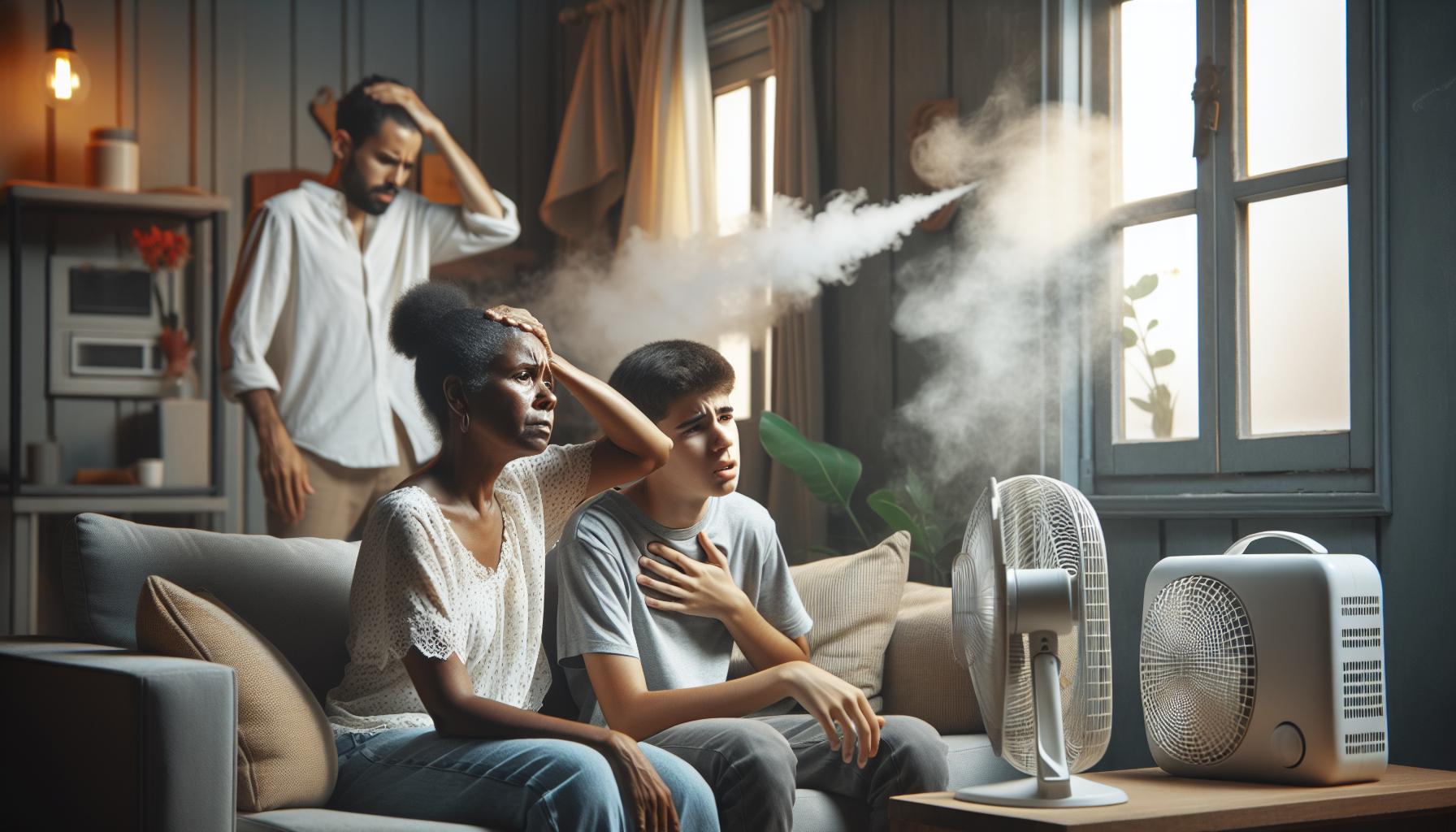
Understanding the symptoms of poor ventilation in your home is critical for creating a healthy living environment. Often unnoticed, these symptoms can manifest in various ways, negatively impacting both your comfort and health. One of the most common indicators is increased humidity levels, which can lead to a musty smell and the growth of mold and mildew. Similarly, stale air or unpleasant odors-particularly in kitchens and bathrooms-suggest that fresh air isn’t circulating properly.
Additionally, you may experience fluctuations in temperature from room to room. If certain areas of your home feel stuffy or hotter than others, this could indicate blocked vents or insufficient airflow, affecting both comfort and energy efficiency. Pay attention to physical symptoms as well; frequent headaches, respiratory issues, or allergy flare-ups may arise from pollutants concentrating indoors due to inadequate ventilation.
To effectively address these symptoms, consider implementing some proactive steps. Regularly changing air filters in your HVAC system can significantly improve air quality by removing dust and allergens. Furthermore, using exhaust fans in areas prone to moisture, such as bathrooms and kitchens, helps expel stale air effectively. Lastly, ensuring your home is decluttered will allow air to flow freely, preventing hot spots and improving overall ventilation. By recognizing these signs early and taking action, you can maintain a healthier home environment and enhance your quality of life while being budget-conscious.
The Role of HVAC Systems in Ventilation Issues
The functionality of your HVAC system plays a pivotal role in maintaining a well-ventilated home. Many homeowners may overlook the impact of heating, ventilation, and air conditioning systems on indoor air quality, inadvertently perpetuating issues like high humidity and stale air. An effective HVAC system not only regulates temperature but also facilitates the continuous exchange of fresh air, crucial for reducing indoor pollutants and ensuring mental and physical well-being.
To combat poor ventilation, it’s essential to understand how different components of an HVAC system contribute to air circulation. For instance, malfunctioning air filters can become clogged with dust and allergens, leading to inadequate airflow and decreased air quality. Regularly replacing these filters increases airflow efficiency and allows your HVAC system to perform optimally. Similarly, ductwork needs regular inspection and cleaning to prevent blockages and leaks. Even the best HVAC units can struggle if the path for air distribution is hindered by dust, debris, or deterioration over time. Investing in routine maintenance can help identify and rectify these issues before they escalate, saving money in the long run.
In addition to repairs and maintenance, incorporating smart technology can elevate your family’s comfort and health. Smart thermostats enable you to monitor and adjust your HVAC system easily, ensuring proper airflow and ventilation are maintained, even when you’re not home. Furthermore, exploring energy recovery ventilators (ERVs) can be beneficial. These systems not only bring fresh air into your home but also help reduce energy costs by pre-conditioning incoming air with the temperature of exiting air. Adopting these modern strategies can enhance how your home breathes, making it a more pleasant and healthier environment.
In a world where indoor air pollution can often be worse than outdoor air quality, taking proactive steps with your HVAC system is essential. By ensuring your equipment is well-maintained, utilizing smart solutions, and considering the installation of additional ventilation systems, you can create a comfortable living space that supports long-term health and financial well-being. Empower yourself with knowledge about your HVAC system; it’s one of the most significant investments in your home and your family’s health.
Hidden Causes of Poor House Ventilation
A significant but often overlooked factor in household comfort and health, poor ventilation can arise from hidden causes lurking in your home’s structure and management. Many homeowners may assume their ventilation issues stem solely from their HVAC systems, but there are deeper culprits at play. For instance, inadequate insulation can severely disrupt airflow. When insulation is not installed correctly or has degraded over time, it can create temperature imbalances that hinder the natural circulation of air. This can trap stale air inside, exacerbating humidity levels and allowing mold and allergens to thrive.
Another common hidden contributor is moisture accumulation, which can stem from various sources, including appliances and plumbing leaks. High humidity levels not only feel uncomfortable but can also lead to poor indoor air quality and structural issues. Homeowners might not realize that regular activities, such as cooking and showering, can introduce excess moisture into the environment; without appropriate exhaust fans or ventilation strategies in place, this moisture can linger and contribute to ventilation woes.
Additionally, cluttered spaces within the home can unintentionally block airflow, particularly around vents and returns. Furniture, decorations, and even piles of laundry can inhibit the free movement of air, making it harder for your HVAC system to do its job effectively. By decluttering and re-evaluating the placement of furniture, you can help restore airflow to vital areas of your home.
To take proactive measures, it’s wise to regularly inspect and maintain your air ducts, ensuring they are clean and free of blockages. Investing in smart home technology, such as humidity sensors and programmable exhaust fans, can help manage indoor moisture levels more effectively. By tackling these hidden causes, you not only promote a healthier indoor environment but also enhance your home’s energy efficiency and overall comfort. Remember, a well-ventilated home is a happy home.
Inadequate Insulation: How It Affects Airflow

Inadequate insulation can significantly hinder airflow throughout your home, often in ways that are not immediately visible. When insulation is installed improperly, or begins to deteriorate over time, the natural balance of temperature and air pressure can be disrupted. This imbalance prevents fresh air from circulating effectively, allowing stale air to linger. Homes that suffer from these issues often become breeding grounds for allergens such as dust mites, mold, and mildew, contributing to poor air quality and a range of health problems.
An insulated home should act as a barrier that regulates temperature and humidity levels; however, when insulation is compromised, several issues can arise. For example, in winter, rooms with inadequate insulation can become significantly colder, causing your heating system to work overtime, which not only increases energy costs but can also lead to uneven heating. Conversely, in summer, the hot air can enter unsealed spaces, pushing cooling systems to their limits. This cycle of inefficient airflow not only strains HVAC units but can also lead to expensive repairs.
To combat these challenges, homeowners can start by assessing their insulation. Here are some practical steps to consider:
- Inspect insulation regularly: Check the attic, basement, and walls for signs of degradation or gaps.
- Choose the right materials: Modern insulation options, like spray foam or cellulose, offer better sealing capabilities than traditional batts.
- Seal air leaks: Use caulk or weatherstripping around windows and doors to minimize air leakage.
- Consult professionals: If unsure about insulation quality or required upgrades, hiring an energy auditor can provide valuable insights.
In addition to improving airflow, enhancing insulation can lead to substantial savings on energy bills and increased overall comfort. By focusing on this key area, you not only improve your home’s ventilation but also contribute to a healthier living environment. Remember, the goal is to create a cozy sanctuary that works for you, and investing in proper insulation is a step towards achieving that within a budget.
Moisture Problems and Their Impact on Ventilation

Moisture can be both a nurturing force and a potential adversary when it comes to ventilation in your home. While a certain level of humidity is essential for comfort and health, excessive moisture can lead to a cascade of problems that directly impact indoor air quality and overall ventilation effectiveness. High humidity levels create an environment conducive to mold growth, dust mites, and other allergens. When these pollutants become airborne, they can circulate throughout your home, exacerbating respiratory issues and contributing to long-term health problems.
To mitigate moisture-related ventilation issues, consider implementing a few proactive strategies:
- Use dehumidifiers: These devices can effectively reduce humidity levels, especially in damp areas like basements and bathrooms. Regularly monitoring and adjusting your home’s humidity levels to between 30-50% can significantly improve air quality.
- Ensure proper ventilation: Exhaust fans in the kitchen and bathrooms are crucial for removing excess moisture. Make sure these fans are functioning correctly and use them during activities that generate steam, such as cooking or showering.
- Inspect for leaks: Routine checks for plumbing leaks or water ingress from outside should be part of your home maintenance. Addressing leaks promptly helps prevent excess moisture buildup.
- Improve drainage: Ensure that gutters and downspouts direct water away from your home. This simple action can prevent water from seeping into your basement or crawl space, reducing overall humidity.
Moreover, consider the materials and design of your home. Use moisture-resistant materials in key areas like bathrooms and kitchens, and ensure that your insulation is breathable to avoid trapping moisture. Regularly open windows when weather permits to facilitate air exchange and allow fresh air circulation, further combating the stagnation that can lead to growth of mold and mildew.
By being vigilant about moisture control, you not only enhance the ventilation of your home but also create a healthier living environment. These preventative measures can also lead to reduced costs in energy bills and expensive repairs down the line as your HVAC system operates more efficiently. In embracing both a creative and practical approach, you strengthen your ability to maintain a thriving home that supports your family’s well-being.
Cluttered Spaces: Blocking Airflow in Your Home

In many homes, it’s all too easy for clutter to accumulate and inadvertently obstruct airflow. Did you know that simply rearranging your living space can significantly enhance your home’s ventilation? When furniture, boxes, or personal items block air vents, it hampers the ability of air to circulate freely. This restriction not only affects the comfort of your indoor environment but can also lead to potential respiratory health issues due to stagnancy and poor air quality.
To create a breathable atmosphere within your home, consider taking these actionable steps:
- Evaluate Your Space: Regularly assess rooms for clutter, particularly around air ducts, vents, and windows. Aim for a streamlined layout that enhances accessibility and promotes airflow.
- Utilize Vertical Space: Maximize storage options by using vertical shelves or wall-mounted organizers. This keeps items off the floor and encourages better airflow while also making spaces look larger and more inviting.
- Create Clear Pathways: Ensure that all entryways and air pathways are free from obstructions. This can be particularly crucial in smaller homes where every square foot counts.
- Adopt Minimalism: Embrace minimalist living by prioritizing only the items that truly matter to you. Consider donating or selling less-used items, turning your home into a more open and inviting environment.
Think of your home as a sanctuary for both you and your family. A curated, clutter-free space not only improves ventilation but also brings a sense of peace and order. Less clutter can also translate into less time spent cleaning, allowing for more family bonding moments or pursuing hobbies, which can uplift your entire mood and deeper well-being.
In a world where financial constraints can feel overwhelming, the act of decluttering can be deeply rewarding and budget-friendly. It fosters creativity in finding new uses for existing spaces and revitalizes your environment without significant expenditure. By understanding the link between clutter and airflow, you empower yourself to enhance the comfort and health of your home in a sustainable, manageable way. Embrace these small changes and watch how they elevate your living experience, turning your home into a haven of wellness.
Duct Issues: Leaks and Blockages Explained
Poor ductwork can silently sabotage your home’s ventilation and air quality, often without your knowledge. Leaks and blockages in your duct system can significantly hinder airflow, making your HVAC system work harder and costing you more in energy bills. In fact, studies suggest that as much as 30% of the air moving through your duct system can be lost to leaks, leading to inefficient heating and cooling and creating uncomfortable living conditions.
H3: Understanding Duct Leaks and Their Impact
Duct leaks occur when air escapes the ductwork due to age, improper installation, or wear and tear. As this conditioned air leaks into unseen areas-such as attics, crawl spaces, or walls-you not only waste energy but also diminish the effectiveness of your HVAC system. Over time, this can lead to uneven temperatures throughout your home, where some rooms feel excessively warm while others remain uncomfortably cool. To detect leaks, you can perform a simple visual inspection or use smoke pencils to see where air is escaping.
H3: Blockages: A Hidden Threat to Airflow
On the other hand, blockages can arise from accumulated dust, debris, or even rodent nests within the ductwork. These obstructions can drastically reduce airflow, resulting in performance issues in heaters and air conditioners, which can lead to early wear and tear on your HVAC system. Regular cleaning of your ducts can help prevent the buildup of these particulates, ensuring that your system operates efficiently. A good rule of thumb is to consider professional duct cleaning every three to five years, particularly if you have pets or live in an area with substantial dust or pollen.
By proactively addressing duct issues, you can improve your home’s ventilation, leading to a healthier and more comfortable living environment. Not only will this enhance indoor air quality, but it will also save you money in the long run by improving system efficiency and reducing energy waste. Small steps, like scheduling regular inspections and cleanings, can lead to significant improvements in your home’s overall health and comfort.
Environmental Factors That Hurt Indoor Air Quality
In the quest for a healthier home, understanding the environmental factors affecting indoor air quality is crucial. Smog, pollen, and other pollutants infiltrate our living spaces, often unnoticed but significantly impacting our wellbeing. According to the Environmental Protection Agency (EPA), indoor air can be two to five times more polluted than outdoor air, making it essential to address these hidden threats.
Natural elements such as humidity can exacerbate poor ventilation. High humidity levels not only make the air feel stuffy, but they also promote mold growth and dust mites, which can trigger allergies and respiratory issues. Managing humidity through dehumidifiers or proper ventilation in moisture-prone areas, such as kitchens and bathrooms, can create a healthier environment. Additionally, consider using exhaust fans or opening windows to allow fresh air circulation when cooking or showering.
Household chemicals also play a significant role in indoor air quality. From cleaning products to personal care items, many contain volatile organic compounds (VOCs) that can evaporate and diminish air quality. Opting for eco-friendly, low-VOC products can mitigate this risk. Furthermore, always ensure good ventilation while using these products-opening windows and using fans can help disperse harmful fumes.
Lastly, consider the impact of outdoor pollution. Living near busy roadways, industrial areas, or densely populated places can introduce harmful pollutants into your home. Installing air purifiers equipped with HEPA filters can help trap particulates and allergens, ultimately enhancing the air quality in your living space. Investing in high-quality air filters for your HVAC system and replacing them regularly is another small step towards cleaner air.
By being vigilant about these environmental factors, you position yourself and your family to enjoy a healthier, more comfortable living environment without breaking the bank. Implementing these affordable changes not only improves air quality but also fosters resilience and well-being within your home.
Cost-Effective Solutions to Improve Home Ventilation
In every home, fresh air isn’t just a luxury-it’s a necessity. If you’re struggling with poor ventilation, don’t despair. There are several budget-friendly solutions that can significantly enhance the airflow in your living space without causing a dent in your finances.
One of the most effective methods to improve ventilation is through strategic window management. Opening windows on opposite sides of your home creates a cross-breeze, allowing cooler air to flow in and warm air to escape. This natural approach works wonderfully on pleasant days. To maximize airflow, consider installing window screens which allow you to keep windows open without worrying about unwanted insects. Additionally, simple tasks like regularly cleaning your windows and removing any obstructions near them can enhance air circulation.
Another great way to boost ventilation is by utilizing ceiling fans. They’re not just for cooling; running them in reverse during colder months can help recirculate warm air, creating a more balanced temperature throughout the house. If your ceiling fans have a “summer” and “winter” setting, adjust accordingly to maintain comfort year-round. For added efficiency, you could also place portable fans in rooms where airflow is especially stagnant, directing air toward doorways or windows to encourage movement.
Natural Ventilation Solutions
In addition to mechanical solutions, don’t overlook the power of plants! Certain indoor plants can improve air quality by absorbing toxins and releasing oxygen. Consider low-maintenance options like peace lilies or spider plants, which are known for their air-purifying qualities. Not only do they beautify your space, but they also contribute to better air quality.
Lastly, check your home for common culprits of poor ventilation. Items like furniture and large appliances can block vents or obstruct airflow. Keep pathways clear and ensure there’s adequate space between your furniture and air vents. Organizing and decluttering your living space encourages better air circulation and creates a more pleasant environment.
By leveraging these cost-effective strategies, you can foster a healthier home atmosphere without stretching your budget. Embrace creativity in managing your space, and remember, even small changes can lead to substantial improvements in your home’s ventilation.
Preventive Measures for Long-Term Ventilation Health
Creating a living space with optimal ventilation doesn’t have to break the bank, and taking preventive measures can ensure long-term air quality health. By instituting a few smart practices, you can maintain a breathable home that not only enhances your comfort but also promotes better health and well-being.
Consider conducting regular inspections of your home for potential airflow blockages. Keep an eye on vents and air intakes, making sure they are not obstructed by furniture, curtains, or other items. A few minutes spent rearranging furniture or moving items can vastly improve airflow and prevent the stagnation of air that leads to unpleasant odors and pollutant buildup. It’s also essential to engage in routine cleaning of your HVAC system and ducts to prevent dust and debris from accumulating, which can inhibit air circulation.
Humidity Control
Humidity control is another vital aspect of maintaining good ventilation. High humidity levels can lead to condensation and create an environment ripe for mold growth, which not only affects air quality but can also cause serious health issues. Use dehumidifiers as needed, especially in damp areas such as basements and bathrooms. Regularly check and repair any plumbing leaks, and consider using exhaust fans that vent moisture outside to lower humidity levels effectively.
Seasonal Adjustments
Taking advantage of seasonal weather changes can also support your home’s ventilation health. During warmer months, open windows to encourage cross-ventilation, while in colder months, ensure that your heating system is working efficiently by having it serviced regularly. You can even combine the use of ceiling fans with open windows to create a cooling effect that maximizes fresh air intake.
By adopting these preventive measures, you not only improve your home’s ventilation but also create a healthier environment for your family. Remember, the goal is to keep air flowing freely, so stay proactive about maintaining your indoor air quality-your health and comfort depend on it.
When to Call a Professional for Ventilation Problems
Understanding when to enlist professional help for ventilation issues in your home can save you not only time and effort but also potentially costly repairs down the line. If you notice persistent symptoms like a musty odor, excessive humidity, or an increase in allergy-related symptoms among household members, it may be a sign that the situation is beyond simple remedies. A professional can provide a comprehensive assessment, helping you pinpoint specific problems affecting air quality and circulation.
Many homeowners may attempt to troubleshoot by cleaning vents and changing filters; however, if you encounter issues such as visible mold growth, frequent condensation on windows, or extreme temperature variations between rooms, calling an expert is crucial. These issues often indicate deeper problems, such as inadequate ductwork or structural issues that impede airflow. By addressing these concerns promptly, you can avoid escalating damage that could lead to expensive repairs or health risks.
One common red flag that should prompt a professional consultation is the presence of water damage or excessive dampness in areas like basements and bathrooms. These environments are less forgiving and can quickly breed mold and mildew, which are not just nuisances but serious health hazards as well. Professionals can assess moisture levels and identify the right solutions-be it enhanced ventilation systems or dehumidifiers-to mitigate these risks effectively.
Finally, if your HVAC system is frequently running yet failing to adequately circulate air or maintain temperature, it’s time to seek a professional evaluation. An expert can check for hidden issues like blocked ducts, worn-out components, or improper system balance, providing you with peace of mind and energy-efficient solutions. Remember, investing in professional help when needed not only enhances your home’s comfort but also contributes to the long-term health and safety of your living environment.
How Poor Ventilation Affects Your Health and Wallet
The impact of poor ventilation extends far beyond just uncomfortable living conditions; it can have significant effects on both health and finances. Research shows that indoor air pollution is often higher than outdoor levels, particularly in homes with inadequate ventilation. This can lead to serious health issues, including respiratory problems, allergies, and even chronic illnesses. Allergens such as mold, dust mites, and pet dander tend to flourish in poorly ventilated spaces, exacerbating conditions like asthma and leading to higher medical expenses.
Moreover, when air circulation is compromised, your HVAC system must work harder to maintain comfortable temperatures. This inefficiency translates to increased energy consumption and skyrocketing utility bills. Over time, the financial burden can strain your budget, pushing you to allocate more funds to energy costs rather than other essential areas like savings or family activities. Investing in proper ventilation solutions can be a game-changer. Simple measures, such as installing exhaust fans in kitchens and bathrooms, ensuring regular maintenance of HVAC systems, or utilizing dehumidifiers, can enhance air quality and promote better air circulation, ultimately saving you money in the long run.
To underscore the importance of addressing ventilation issues, consider the potential hidden costs associated with neglect. Mold growth can lead to extensive damage to your home, requiring costly remediation processes. Additionally, prolonged exposure to indoor pollutants can elevate health care costs related to respiratory ailments, thereby impacting your financial well-being. By proactively tackling ventilation problems, you not only improve your living conditions but also foster a healthier environment that can lead to substantial savings.
In essence, taking steps to improve ventilation is not just a matter of comfort; it’s a crucial investment in your family’s health and your household budget. With a few thoughtful changes and some diligence, you can create a harmonious living space that prioritizes well-being and financial security.
Q&A
Q: What are common signs of poor ventilation in a house?
A: Common signs include stuffy or stale air, excess humidity, mold growth, frequent condensation on windows, and unexplained odors. Observing these symptoms may indicate that your home’s ventilation is inadequate, prompting a need for inspection and improvement measures.
Q: How can poor ventilation impact energy bills?
A: Poor ventilation can lead to higher energy bills due to inefficient heating and cooling systems. When HVAC systems struggle to maintain desired temperatures because of blocked airflow, they work harder, resulting in increased energy consumption and costs.
Q: What role do windows play in home ventilation?
A: Windows serve as crucial components for natural ventilation, allowing fresh air to enter and stale air to exit. If windows are sealed or not opened regularly, it can lead to stagnant air and poor indoor air quality, exacerbating ventilation issues.
Q: How does weather affect home ventilation?
A: Weather can significantly impact home ventilation; for example, high humidity levels can hinder proper airflow, while extreme temperatures may necessitate the use of HVAC systems that might become strained or inefficient if not properly maintained.
Q: Why is regular maintenance important for ventilation systems?
A: Regular maintenance is essential to ensure that ventilation systems operate effectively. This includes cleaning ducts, changing filters, and checking for leaks. Proper upkeep helps prevent costly repairs and maintains indoor air quality.
Q: Can houseplants help improve indoor ventilation?
A: Yes, houseplants can improve indoor air quality by absorbing carbon dioxide and releasing oxygen, but they should not be relied upon solely for ventilation. Proper airflow and exchange through windows or HVAC systems are still necessary for effective ventilation.
Q: What materials can cause poor indoor air quality?
A: Materials like formaldehyde-based products, certain paints, and synthetic carpets can release volatile organic compounds (VOCs) and contribute to poor indoor air quality. Choosing low-VOC products can help mitigate these issues.
Q: When should you consider professional help for ventilation issues?
A: Consider professional help if you notice persistent symptoms of poor ventilation despite your efforts to improve airflow, if you discover mold, or if your HVAC system requires frequent repairs. A professional can assess the situation and recommend effective solutions.
The Way Forward
Understanding the culprits behind poor ventilation in your home is the first step towards a healthier living environment. Remember, taking action now can save you from costly repairs and improve your home’s air quality significantly. If you’re looking for practical solutions, check out our guides on optimizing indoor air flow and DIY ventilation fixes.
Don’t hesitate to share your thoughts or experiences in the comments below, and consider subscribing to our newsletter for more expert tips on maintaining a comfortable and budget-friendly home. For more resources, explore related articles on energy-efficient living and our ultimate checklist for home maintenance to tackle those lingering concerns. Let’s keep your home thriving!