
Did you know that poor ventilation can lead to health issues such as respiratory problems and increased humidity levels inside your home? Many homeowners face challenges with stagnant air and musty odors, but the good news is that improving ventilation doesn’t have to break the bank. By understanding the signs of inadequate airflow and embracing simple DIY solutions, you can enhance your living environment while saving money. This guide will empower you with practical tips to tackle ventilation issues efficiently and effectively, creating a healthier, more comfortable home for you and your family. Let’s uncover the steps you can take to breathe easier and enjoy a fresher space!
How Poor Ventilation Affects Your Health
Poor ventilation in your home can significantly impact your health, creating an environment conducive to various problems that range from mild discomfort to serious health issues. A common misconception is that indoor air can be contained without negative effects, but stale air can lead to the stagnation of pollutants. These pollutants oftentimes include dust, allergens, mold spores, and volatile organic compounds (VOCs). The buildup of these contaminants can trigger allergic reactions, asthma attacks, and respiratory illnesses, especially in vulnerable populations such as children and the elderly.
Effects on Physical Health
Inadequate ventilation can cause a range of physical health issues. Individuals may experience symptoms like headaches, fatigue, and respiratory problems when exposed to poor air quality over time. Additionally, excessive humidity from inadequate airflow creates a breeding ground for mold, which poses serious health risks if inhaled. In some cases, you might notice signs like a persistent cough, sneezing, or skin irritations, indicating that it’s time to evaluate your home’s air quality.
Mental Well-being
The repercussions of poor ventilation extend beyond physical ailments; they can also affect mental health. Studies have shown that stale air can influence mood and cognitive function. Homes with inadequate airflow can feel stifling, leading to increased stress and anxiety levels among occupants. A well-ventilated environment not only facilitates better air quality but also fosters a positive atmosphere, uplifting spirits and enhancing productivity.
Improving your home’s ventilation is not just about comfort-it’s a vital step toward maintaining your family’s health. By addressing this issue proactively, you can create a safer, more inviting living space that promotes overall well-being. Taking the initiative to ensure adequate airflow is a practical way to invest in your health, creating an environment where you and your loved ones can thrive.
Signs Your Home Has Poor Ventilation
One of the most alarming realities about our living spaces is that poor ventilation often goes unnoticed until significant problems arise. Being aware of the signs that indicate inadequate airflow is crucial for maintaining not just a comfortable environment but also a healthy one. If you’re experiencing any of the following symptoms, it may be time to evaluate the ventilation in your home.
- Unpleasant Odors: If your home has a musty or stale smell, it could be a sign of trapped moisture or pollutants indoors. Regular ventilation helps dissipate these odors and keeps the air fresh.
- Excess Moisture: Look for signs of condensation on windows, walls, or ceilings. High humidity levels can lead to mold growth, which poses serious health risks. Use a hygrometer to monitor indoor humidity; levels above 60% can indicate ventilation issues.
- Frequent Allergy Symptoms: If you or your family members experience increased sneezing, coughing, or itching eyes, it might be due to allergens like dust, mold, or pet dander accumulating in poorly ventilated areas.
- Temperature Imbalances: Noticeable differences in temperature between rooms can signal that air isn’t circulating properly. A room that’s uncomfortably stuffy or cold might indicate insufficient airflow.
- Visible Mold Growth: Any signs of mold, especially in bathrooms or basements, are a clear indicator that your home lacks proper ventilation. Mold thrives in damp environments and can lead to serious health problems if left unaddressed.
- High Energy Bills: Poor airflow can result in your heating and cooling systems working harder to maintain comfortable temperatures, leading to increased energy consumption and costs.
By recognizing these clear signs of poor ventilation, you can take proactive steps toward rectifying the issue. Not only will this initiative enhance your home’s comfort level, but it will also significantly contribute to your overall well-being. Investing in ventilation improvements-whether through DIY techniques or affordable solutions-can transform your living space into a healthier environment for your family.
Essential Tools for DIY Ventilation Fixes
To tackle poor ventilation in your home, having the right tools at your disposal can make all the difference. Whether you’re an experienced DIY enthusiast or a beginner eager to improve your living environment, a few essential tools can empower you to enhance airflow effectively and affordably.
A hygrometer is one of the most valuable instruments in your toolkit. This device measures humidity levels and helps you monitor indoor moisture, giving you insights into when and where ventilation improvements are most needed. For basic airflow adjustments, consider a simple fan or box fan, which can be strategically placed to promote circulation throughout your home. Ceiling fans with a reverse switch can also help distribute warm air during colder months, making your home feel cozier while reducing heating costs.
For those ready to get hands-on, tools like a drill and various screwdrivers will be essential for any installation tasks. If you plan to add or repair exhaust fans, these tools will allow you to secure them properly, ensuring they function efficiently. A utility knife is helpful for cutting ducting or weather stripping, while a tape measure ensures accurate installation of any ventilation systems, minimizing errors that could lead to air leaks.
Finally, don’t overlook the importance of insulation materials like weather stripping or insulation foam. These can be instrumental in sealing gaps that allow air to escape, improving your home’s energy efficiency and indoor air quality. The combination of these tools will not only support your DIY efforts but also empower you to create a healthier and more comfortable home environment for yourself and your family.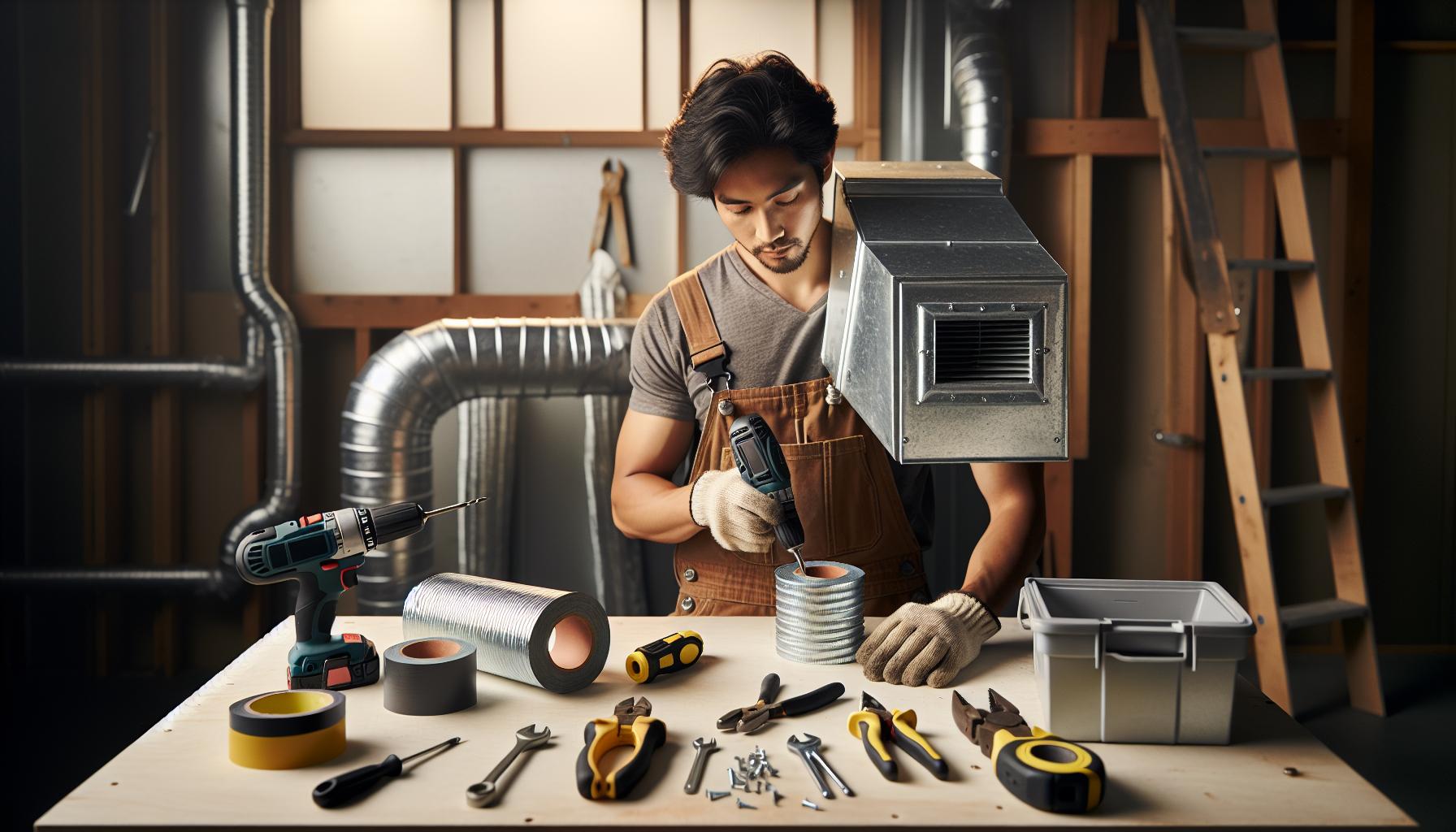
Simple Steps to Improve Airflow
Improving airflow in your home can lead to a more comfortable environment, better indoor air quality, and even energy savings. A few simple adjustments can have a profound impact, allowing you to breathe easier and enjoy your living space more fully. Here are practical steps you can take to enhance airflow throughout your home.
Start by ensuring that all vents are clean and unobstructed. Dust and pet hair can gather in these areas, significantly hindering airflow. Regularly inspect and vacuum vents to keep them clear. In addition, check for any furniture or decor that might be blocking vents; moving these items can help air circulate freely. This small change can make a noticeable difference in your comfort levels.
Another effective strategy is to use fans strategically. Ceiling fans should run counterclockwise in the summer to create a cooling breeze and clockwise in the winter to circulate warm air downwards. In rooms without ceiling fans, consider placing box fans in windows to draw in fresh air during cooler times of the day or direct stale air out. You can also enhance airflow by positioning floor fans in high-traffic areas to promote cross-ventilation; placing them near open doors or windows can create a breeze that improves circulation throughout your home.
Pay attention to humidity levels; high humidity can make a space feel warmer and stifling. Utilize dehumidifiers in areas prone to moisture, such as basements and bathrooms, to reduce humidity levels and improve comfort. On the other hand, if winter air feels too dry, consider using humidifiers to maintain a balanced level of humidity, which can also help your respiratory health. Products like hygrometers can assist in monitoring these levels, ensuring you maintain a comfortable environment year-round.
Finally, sealing gaps in windows and doors with weather stripping or caulk is essential for preventing air leaks, which can let conditioned air escape. This not only enhances your home’s energy efficiency but also keeps the airflow consistent inside. Implementing these steps can lead to a significant improvement in your indoor climate without breaking the bank, empowering you to create a healthier and more inviting home.
Affordable Solutions for Ventilation Issues
Improving ventilation doesn’t have to mean expensive renovations or complicated systems. In fact, there are numerous affordable solutions that can enhance air circulation in your home while sticking to a budget. A few strategic adjustments and simple DIY projects can make a world of difference in your indoor air quality, comfort, and peace of mind.
One of the simplest and most cost-effective measures is ensuring that your vents remain unobstructed. Start by inspecting the airflow from vents and remove any furniture or decor that may be blocking them. Using a vacuum with a brush attachment can help clear out dust and debris that accumulate over time. This routine maintenance could significantly boost airflow without costing a dime.
Another impactful and budget-friendly strategy is to incorporate fans into your home. Ceiling fans are excellent for improving air circulation; switching their direction based on the season can optimize comfort. In summer, running ceiling fans counterclockwise creates a refreshing breeze, while clockwise in winter helps circulate warm air. For spaces lacking ceiling fans, consider using window fans to either pull in fresh air or push out stale air based on outdoor conditions. Placing small box fans strategically can also promote cross-ventilation simply by positioning them near windows or doorways.
For dealing with humidity, which can exacerbate ventilation problems, using affordable dehumidifiers in moisture-prone areas like bathrooms and basements can make a significant difference. Moreover, ensuring that your home is adequately insulated not only saves on energy costs but also enhances overall airflow by preventing drafts. Effective insulation keeps the air you want in while ensuring the air you don’t want stays out, creating a more controlled indoor environment.
These affordable solutions can empower you to take control of your home’s ventilation without breaking the bank. By leveraging simple strategies and tools, you’ll cultivate an environment that truly supports your family’s health and well-being. Embrace your creative spirit and make small tweaks today for a big impact on your ventilation issues tomorrow.
Creating a Balanced Ventilation System
in your home is essential for ensuring optimal air quality, comfort, and energy efficiency. Without proper balance, some areas of your home may become stuffy while others are drafty, leading to temperature inconsistencies and discomfort. An effective ventilation strategy considers the specific needs of each room while working harmoniously throughout the entire home.
To achieve this balance, you first need to understand the airflow dynamics in your space. Start by evaluating how air moves through your home. This involves considering the location and size of vents, windows, and doors. Key steps include:
- Assess Vent Placement: Ensure that supply and return vents are correctly placed. Supply vents should distribute air uniformly while return vents should effectively pull air back to the HVAC system.
- Utilize Airflow Fans: Place fans in strategic locations to help move air from one room to another, thus promoting cross-ventilation. Ceiling fans should run counterclockwise in the summer and clockwise in the winter to optimize airflow.
- Install Dampers: Consider adding dampers to your ventilation systems. This allows you to control airflow to specific areas of your home, helping to balance the system according to seasonal changes and room usage.
- Conduct Regular Maintenance: Keep ducts cleared and fans in working order. Dirty filters and ducts can restrict airflow, making it harder to maintain indoor air quality.
Creating a balance also means monitoring humidity levels throughout the house. Excess moisture can lead to mold and mildew, while overly dry air can cause respiratory issues. Use dehumidifiers in high-moisture areas like basements and bathrooms, and consider humidifiers in drier spaces during winter months.
Ultimately, achieving a well-balanced ventilation system is an ongoing process of monitoring and adjusting as necessary. Engaging in regular assessments and making small changes can lead to significant improvements in air quality and comfort, saving you both energy and money in the long run. Your home’s environment will not only improve for you and your family’s health and well-being but can also contribute to creating a more harmonious living space.
DIY Ventilation Techniques for Every Room
Enhancing ventilation in your home doesn’t require an advanced degree in engineering – a few thoughtful DIY techniques can dramatically improve air quality and comfort in every room. By understanding the unique needs of each space, you can create a more inviting, healthier environment. For example, did you know that simply rearranging furniture can significantly influence airflow? Strategic placements can allow air to circulate freely, preventing stagnant conditions while promoting freshness throughout your living spaces.
Utilizing Window Placement
One of the most straightforward techniques involves taking advantage of existing windows. Open windows on opposite sides of a room can create a cross-ventilation effect, pulling fresh air in and pushing stale air out. To maximize this effect, consider the following tips:
- Use Screens: Install adjustable window screens to allow for airflow while keeping insects out.
- Strategic Timing: Open windows during cooler parts of the day, such as mornings or evenings, to avoid overheating.
By mixing natural and mechanical ventilation, homes can achieve a balanced airflow that adjusts to weather variations.
Incorporating Plants for Natural Airflow
Another creative solution is to introduce plants that improve indoor air quality. Certain species like spider plants or peace lilies not only beautify your space but also help filter out toxins and increase humidity, which can be especially beneficial in drier climates. Placing them near vents or in well-lit areas can aid in improving airflow, making your rooms feel fresher.
Adjusting Ceiling Fans
Ceiling fans are a versatile tool for boosting airflow across all rooms. Adjust the fan direction based on the season: counterclockwise in summer helps cool, while clockwise in winter circulates warm air. Ensure that your fans are at the appropriate height (ideally, 7-9 feet from the floor) to create the most effective airflow.
Enhancing Ventilation with DIY Projects
For more hands-on homeowners, consider small projects like building wooden vent covers with adjustable louvers or installing inline fans in ductwork to ensure consistent airflow even in more challenging areas like attics or basements. Tools like duct tape can be used to seal any leaks in ductwork, which can otherwise waste energy and reduce airflow efficiency.
Regardless of your budget, these practical DIY ventilation techniques can lead to a more pleasurable living experience. Not only do they enhance air quality, but they can also help reduce energy costs by creating a more balanced temperature throughout your home, allowing you to enjoy a refreshing environment year-round. Embrace your creativity and take small steps today towards a healthier home!
Importance of Proper Insulation in Ventilation
A well-insulated home is vital not only for energy efficiency but also for maintaining proper ventilation. Without adequate insulation, your heating and cooling systems may struggle to regulate temperature, leading to stale air and poor indoor air quality. Insulation acts as a barrier that prevents unwanted heat transfer, ensuring your home remains comfortable while allowing fresh air circulation. This balance is essential, as it helps mitigate humidity levels and reduces the risk of mold growth-a common consequence of inadequate ventilation.
When considering the importance of insulation in the context of ventilation, it’s crucial to recognize its impact on air exchange rates. Proper insulation helps maintain a steady temperature, encouraging natural airflow by enabling warmer, lighter air to rise and cooler, heavier air to fall. This natural movement supports the effectiveness of both mechanical and natural ventilation systems. For example, if your attic is poorly insulated, warm air can escape too quickly, causing your air conditioning system to work overtime and creating conditions that invite pollutants to accumulate indoors.
To ensure your home maintains optimal ventilation through insulation, here are some practical tips:
- Inspect Your Insulation: Check areas such as attics, basements, and crawl spaces for insufficient or degraded insulation. If you find any gaps or sagging, consider adding more insulation material.
- Focus on Air Leaks: Seal gaps around doors, windows, and even electrical outlets, as these can allow conditioned air to escape and hinder proper airflow.
- Choose Eco-Friendly Options: If you’re considering a DIY approach, use natural insulation materials like recycled cellulose or sheep’s wool, which can provide excellent thermal resistance while being environmentally friendly.
By reinforcing your home’s insulation, you create a more effective ventilation system that not only enhances your indoor air quality but also contributes to energy savings. This approach allows you to enjoy a comfortable living space while also reducing utility bills, showcasing how thoughtful home improvements can have a significant impact on both your health and finances. Embrace these practical steps to invest in your home’s comfort and efficiency, all while cultivating an environment that supports your well-being.
Natural Ventilation Strategies for Homes
In a world where indoor air quality is paramount for health and comfort, natural ventilation serves as an invaluable ally. This passive approach to improving airflow relies on the inherent movements of air, taking advantage of external environmental conditions without the need for mechanical assistance. By implementing strategic natural ventilation techniques in your home, you can significantly enhance your living environment while conserving energy and resources.
Utilizing windows effectively is one of the simplest ways to promote natural ventilation. Ensure that you have operable windows in various parts of your home, creating a cross-ventilation effect. For example, opening windows on opposite sides of a room encourages cooler outside air to flow in while stale air escapes, creating a refreshing exchange. Consider the position of your windows in relation to prevailing winds; aligning them to face these breezes can maximize airflow.
Another effective strategy is to leverage thermal buoyancy. Warm air rises, so windows placed higher up or utilizing clerestory windows can allow hot air to escape, drawing in cooler air from lower openings. Installing vents in your attic or upper levels can facilitate this upward movement, keeping your home cooler and making it less reliant on air conditioning systems, especially during hot months.
In addition to window placement, consider integrating plants into your home. Indoor plants can help improve air quality by absorbing toxins and releasing oxygen. Furthermore, they can also aid in regulating humidity levels, which is essential for preventing mold growth and maintaining overall indoor comfort. Strategically placing plants near windows can even enhance natural airflow, as they can create microclimates that encourage air movement.
To maximize the effectiveness of your natural ventilation efforts, be mindful of air-blocking furniture and objects. Arrange your living spaces in ways that promote unobstructed airflow. This may include moving larger pieces away from vents and windows or even selecting lighter furniture that can be easily rearranged based on seasonal airflow needs.
By embracing these natural ventilation strategies, you not only improve your home’s air quality but also foster a nurturing environment aligned with sustainable living practices. Such conscious efforts towards maintaining a breathable and healthy home can lead to significant improvements in your immediate well-being and longer-term health. Explore these methods, be creative, and enjoy the refreshing benefits of a well-ventilated space!
Choosing the Right Exhaust Fans
When it comes to enhancing ventilation in your home, can make a world of difference. Not only do they help expel stale air, moisture, and odors, but they also contribute significantly to overall indoor air quality. With various options available, understanding how to select the appropriate fan for specific spaces is essential for anyone seeking practical, budget-friendly solutions to ventilation issues.
It’s crucial to consider the fan’s location first. For bathrooms, a high-CFM (cubic feet per minute) fan is ideal to quickly remove humidity after showers and baths, reducing the risk of mold growth. Meanwhile, in kitchens, a range hood fan can help eliminate smoke and cooking odors, specifically those with a good extraction rate to handle grease and steam effectively. For garages or utility spaces where exhaust is essential, high-capacity or wall-mounted fans serving a large volume might be the perfect fit.
Here are some important factors to keep in mind when selecting an exhaust fan:
- Noise Level: Look for models with low sones ratings. This is especially important for bedrooms or living areas where a quieter operation contributes to a more peaceful environment.
- Power Source: Choose between hardwired options, which are ideal for permanent installations, and plug-in models for temporary or flexible use. Many energy-efficient fans are available that use less electricity, supporting both eco-conscious living and lowering utility costs.
- Energy Efficiency: Opt for ENERGY STAR-rated fans, as these can save you money over time and reduce your carbon footprint, aligning with a sustainable lifestyle.
- Style and Design: Many exhaust fans come in stylish designs that complement your home’s aesthetic. Models with lighting fixtures can also double as a source of illumination in your spaces.
- Features: Some fans include timers, humidity sensors, and even adjustable speeds, providing greater control over when and how often the fan operates. These features can enhance convenience while further improving energy efficiency.
Lastly, installation should be straightforward, but do not hesitate to seek professional assistance if needed, especially with electrical components. Proper positioning is vital; placing fans near problem areas such as kitchen stoves or damp areas ensures optimal performance. By making informed choices, you can effectively combat poor ventilation issues and create a healthier living environment without straining your budget. Investing in the right exhaust fans can lead to fresh air flowing through your home, ultimately contributing to your well-being and comfort.
Seasonal Maintenance for Healthy Airflow
Maintaining optimal airflow in your home is essential for a healthy living environment, and regular seasonal maintenance is a key component to achieving this. As seasons change, so do the demands on your ventilation systems. Taking a proactive approach ensures that your home remains comfortable and energy-efficient throughout the year.
Every season brings unique challenges. For instance, during spring and fall, pollen and dust can accumulate, obstructing air filters and vents. Start by checking and replacing air filters in your HVAC systems every three months or as needed. This simple task can significantly enhance your indoor air quality and improve airflow. Additionally, inspect vents and ducts for any blockages; a clean pathway allows air to circulate freely, reducing energy consumption and costs.
Another critical aspect of seasonal maintenance is ensuring that exhaust fans are functioning properly. In warmer months, kitchens and bathrooms can become humid and stuffy without adequate ventilation. Clean the exhaust fan grills and blades of dust and debris, and test the fans to ensure they’re rotating effectively. If they lack power, consider checking the wiring or replacing the fan altogether. For homes with attic vents, inspect them for any signs of wear or blockages due to bird nests or debris to ensure proper airflow throughout your home.
Finally, take the time to evaluate your home’s overall insulation. Insufficient insulation can lead to temperature fluctuations that affect your home’s ventilation. Inspect insulation in attics, basements, and crawl spaces, replacing or adding materials as necessary. Attention to these details not only improves your home’s ventilation but also contributes to energy efficiency and lower utility bills.
By committing to these seasonal maintenance tasks, you’ll foster a more rewarding living space that supports your well-being while reducing energy costs. Creating a habit of caring for your ventilation system will ensure that fresh air continuously circulates, benefiting you and your family daily.
Advanced DIY Solutions for Persistent Problems
When facing persistent ventilation issues in your home, diving deeper into DIY solutions can not only enhance your comfort but also save you money. Rather than simply addressing symptoms, it’s essential to identify the underlying causes of poor airflow. Many homeowners overlook simple adjustments that can vastly improve indoor air quality and circulation.
One effective strategy is to enhance the airflow between rooms. Start by assessing your doors and windows: if they’re sealed too tightly, consider installing door vents that allow air to flow between spaces without compromising privacy or security. Additionally, using adjustable vent covers can direct airflow more efficiently to where it’s needed most. For homes with multiple levels, balancing airflow through the use of dampers in duct systems can help to channel air where it’s needed, ensuring no space is left stale.
Another factor to consider is the configuration of your furniture. Large furniture placed in front of vents can block airflow, making it harder for systems to circulate air adequately. Rearranging furniture might seem trivial, but it can be a game changer for achieving optimal ventilation. Similarly, adding plants specifically known for improving indoor air quality can enhance both aesthetics and health-consider options like snake plants or peace lilies, which are known for their air-purifying quality.
For particularly challenging areas, consider installing a DIY attic fan. These devices help in expelling hot air, allowing cooler air to circulate from outside. A simple solar-powered attic fan can be an economical solution that requires minimal installation and offers the benefits of reduced indoor temperatures without increasing electricity bills. Lastly, ensure you frequently check and maintain your existing ventilation system, including cleaning ducts and removing any obstructions, which can significantly improve overall efficiency in the long run. Embracing these advanced DIY solutions empowers you to take control of your home’s environment, paving the way for a healthier living space.
FAQ
Q: How can I tell if my home needs better ventilation?
A: Common signs of poor ventilation include persistent odors, excessive humidity, condensation on windows, and draftiness or stagnant air. Additionally, if you notice dust and allergens accumulating quickly, it’s a sign that your home may benefit from improved airflow. For a complete guide on identifying ventilation issues, check the “Signs Your Home Has Poor Ventilation” section.
Q: What materials do I need for DIY ventilation improvements?
A: Essential tools for DIY ventilation repairs include a screwdriver, tape measure, utility knife, caulk and caulking gun, insulation material, and exhaust fan installation kits. Additionally, breathable house wrap can enhance your air quality. Refer to the “Essential Tools for DIY Ventilation Fixes” section for more details.
Q: What are some natural ventilation options for my home?
A: Natural ventilation solutions include opening windows, installing vented skylights, and using strategically placed exterior shutters to promote airflow. Utilizing cross-ventilation by aligning windows to create a breeze can significantly enhance indoor air quality without mechanical systems. Explore “Natural Ventilation Strategies for Homes” for more strategies.
Q: How do I choose the right exhaust fan for my kitchen or bathroom?
A: When selecting an exhaust fan, consider the room’s size and the fan’s required CFM (cubic feet per minute) rating. Ensure the fan’s noise level is acceptable and check its energy efficiency rating. This choice influences how effectively it removes odors and moisture. For detailed guidance, refer to “Choosing the Right Exhaust Fans.”
Q: Can indoor plants help with ventilation and air quality?
A: Yes, certain indoor plants can enhance air quality by filtering pollutants and increasing oxygen levels. Plants like spider plants, peace lilies, and snake plants are effective. Regular maintenance, such as replacing the soil, helps keep them healthy and potent for air purification. Learn more in our sections on DIY ventilation techniques.
Q: When should I consider hiring a professional for ventilation issues?
A: If your DIY efforts fail to improve air quality, or if you suspect major issues like duct leaks or structural ventilation problems, it’s best to consult a professional. They can provide a comprehensive analysis and implement effective solutions that ensure your safety and home comfort.
Q: How does proper insulation impact ventilation in my home?
A: Proper insulation helps maintain a balanced ventilation system by preventing air leaks and reducing the workload of heating and cooling systems. Well-insulated homes can manage airflow more efficiently, leading to better air quality. Check the “Importance of Proper Insulation in Ventilation” for more insights.
Q: What is the best time of year to improve home ventilation?
A: Spring and autumn are ideal for improving ventilation, as outdoor temperatures are mild. You can open windows without excessive heating or cooling costs. Performing seasonal maintenance during these times can enhance your home’s airflow effectively. For continuous tips, refer to “Seasonal Maintenance for Healthy Airflow.”
The Way Forward
Now that you have the tools and knowledge to tackle poor ventilation in your home, it’s time to take action! Start by assessing your current setup and applying the strategies outlined. Remember, good ventilation is essential not just for comfort, but also for maintaining a healthy home environment. If you have additional questions or want to explore more DIY home improvement insights, check out our guides on enhancing indoor air quality or maximizing space utilization.
Don’t forget to subscribe to our newsletter for expert tips delivered right to your inbox! And if you found this guide helpful, share it with your friends and family-your home improvements could inspire others! Whether you’re looking for budget-friendly solutions or planning your next DIY project, we’re here to help you create a comfortable, inviting space. Your journey to a better home starts now!