Did you know that inadequate home insulation can lead to energy bills skyrocketing by up to 30%? Many homeowners face the discomfort of drafty rooms while struggling with high heating and cooling costs. But fixing poor insulation doesn’t have to drain your wallet. With the right strategies and a bit of creativity, you can enhance your home’s comfort and efficiency without breaking the bank. This guide will walk you through budget-friendly solutions that empower you to tackle your insulation issues head-on. Whether you’re a seasoned DIYer or a complete novice, the steps ahead will inspire you to take action, reduce expenses, and create a cozy haven for you and your family. Let’s unlock the potential of your home together!
Assess Your Home’s Current Insulation Efficiency
To truly understand how to improve your home’s insulation without incurring hefty costs, the first step is assessing its current efficiency. The right approach can uncover opportunities for improvement and reveal how easily you can enhance comfort while potentially lowering energy bills.
Begin by identifying common problem areas where heat loss occurs. Check for drafts around windows, doors, and chimney flues. A simple method is to perform a candle test: light a candle and slowly move it around suspected leak points. If the flame flickers, you’ve found a draft. Additionally, consider using a thermal camera or infrared thermometer to visualize heat loss throughout your home, as these tools make it easier to pinpoint deficiencies in insulation.
Next, gather information about your existing insulation materials. Most insulation types, such as fiberglass, foam board, or cellulose, have R-values that indicate their thermal resistance capacity. Compare these values with the recommended R-values for your climate, which can be found through resources like ENERGY STAR. In many regions, upgrading to insulation that meets or exceeds these recommendations can yield long-term energy savings, making it a worthwhile investment.
Additionally, inspect the attic and crawl spaces, where insulation is often most overlooked but critical for maintaining an energy-efficient home. Properly evaluating these areas will provide a clearer picture of your insulation needs and allow you to plan how to tackle any deficiencies without overwhelming your budget.
By taking these steps, you not only empower yourself with knowledge about your home’s current condition but also set the stage for targeted, effective improvements. This strategic approach ensures that your efforts to enhance insulation are both practical and sustainable, ultimately creating a more comfortable living space while being mindful of costs.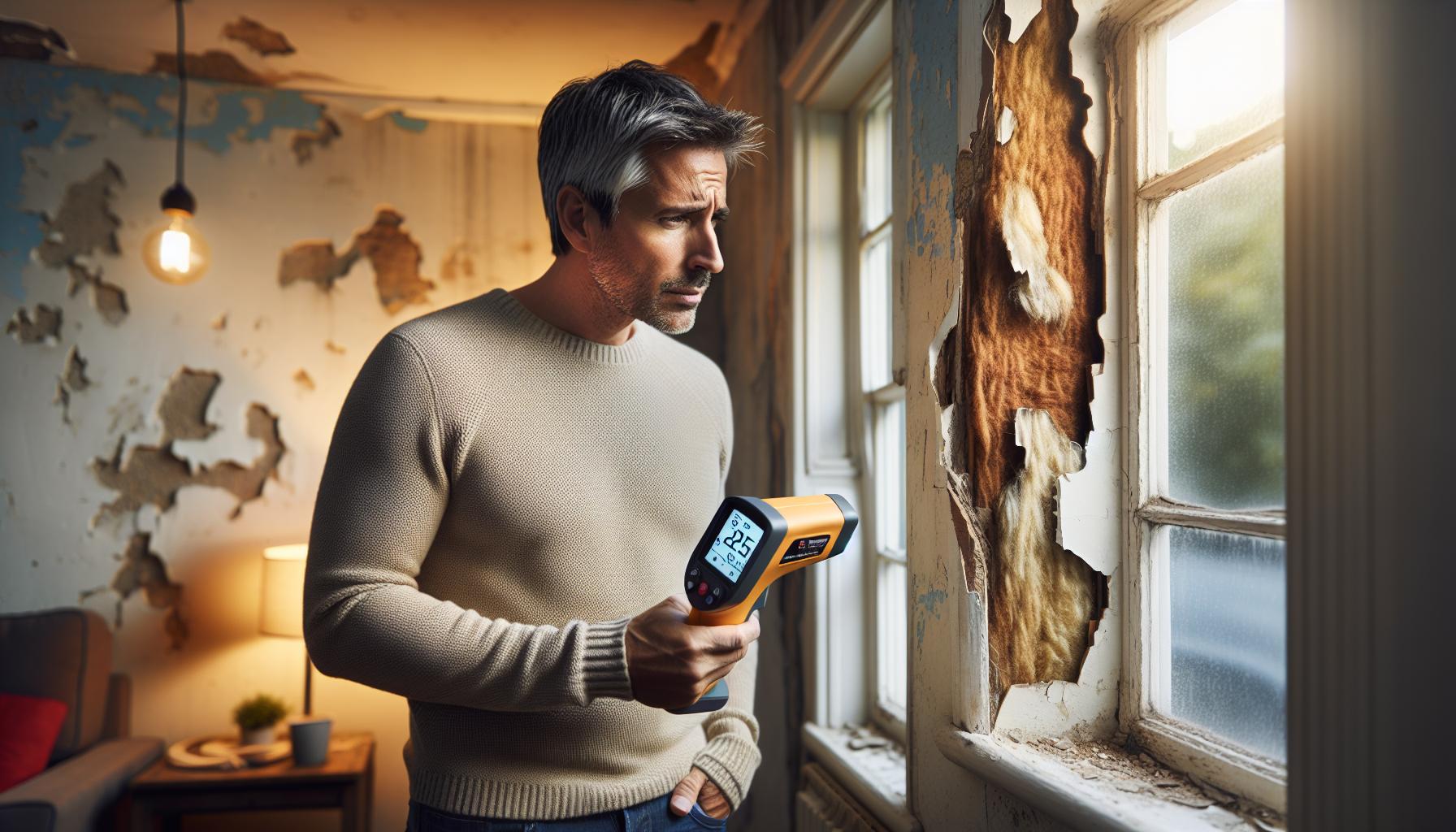
Understanding the Costs of Poor Insulation
Poor insulation in your home not only creates discomfort but can also wreak havoc on your wallet. According to the U.S. Department of Energy, up to 30% of a home’s heating and cooling energy can escape due to inadequate insulation. The consequences of this inefficiency are far-reaching, from skyrocketing energy bills to increased wear on heating and cooling systems, leading to costly repairs down the line. Understanding these financial implications can motivate homeowners to take action, even if they’re on a tight budget.
Inadequate insulation means your HVAC system works overtime to maintain comfortable temperatures, resulting in increased energy consumption. This scenario translates to higher monthly utility bills, which can be particularly burdensome for families trying to manage expenses. For instance, a home inadequately insulated may see an additional $200 to $400 annually in energy costs, a sum that can be reinvested elsewhere or saved for more pressing needs. Addressing insulation can thus be viewed as an investment in your financial well-being.
Moreover, the cost of neglecting insulation doesn’t end with energy bills. Poorly insulated homes are prone to issues such as mold growth, structural damage, and unbearable temperature fluctuations. These problems can lead to more extensive repairs that drain finances and resources. For example, mold remediation can easily cost thousands of dollars and may even necessitate temporary relocation if the issue is severe. By recognizing that spending a little now on insulation can prevent significant expenses later, homeowners can embrace a proactive approach to home maintenance.
Ultimately, greater awareness of how poor insulation impacts not just comfort but also financial stability can empower homeowners to make changes. Embracing energy-efficient solutions can foster a sense of control over one’s budget and create a more sustainable and comfortable living environment. By taking small steps toward improving insulation, families can enjoy a warmer home in winter, a cooler retreat during summer, and significant long-term savings.
Budget-Friendly Insulation Solutions for Every Home
Poor insulation is not just a comfort issue; it can significantly impact your wallet. Fortunately, there are several budget-friendly solutions available that can help you improve your home’s energy efficiency without breaking the bank. By being resourceful and strategic, even homeowners on a tight budget can enhance their insulation and make their living spaces more comfortable year-round.
One effective strategy is to utilize inexpensive materials to fill gaps and cracks around windows and doors. A simple tube of caulk can go a long way in sealing leaks, while weatherstripping is an affordable solution to reduce drafts. Foam sealant is another economical option for larger gaps around pipes or vents; just remember to use it sparingly, as it expands. Additionally, consider using insulation film for your windows, which is a low-cost method to mitigate heat loss. It’s an easy and effective weekend project that can help maintain the internal temperature more easily.
Creative DIY Insulation Ideas
For those willing to roll up their sleeves, DIY insulation solutions can yield significant savings. Here are a few projects you can tackle this weekend:
- Reflective Insulation: Use radiant barriers, such as foil, to prevent heat transfer in attics or crawl spaces. It’s simple to install and can help keep your home cooler in the summer.
- Draft Stoppers: Create your own draft stoppers using old socks or fabric scraps filled with rice or sand. Place them at the base of doors to block cold air from entering.
- Insulated Curtains: Hang heavy curtains or thermal drapes to reduce heat loss through windows. This is an aesthetic and practical solution that adds character to your space.
Utilizing Insulation Materials Smartly
Choosing the right materials is essential, and several options are available that combine affordability and effectiveness. Look for budget-friendly insulation types, like fiberglass batt insulation, which can be relatively inexpensive and effective in various home areas. Recycled denim insulation is another eco-friendly alternative that sometimes costs less than traditional materials. Lastly, keep an eye out for local thrift stores or building supply resale shops; they often have leftover insulation or materials at a fraction of the price.
By embracing these budget-friendly solutions, you can tackle poor insulation in your home head-on, improving comfort and reducing energy bills without significant financial strain. Remember, small changes can lead to remarkable improvements, both in your living environment and your budget.
DIY Insulation Fixes to Try This Weekend
Improving your home’s insulation doesn’t have to be an expensive or overwhelming task. With just a weekend and a bit of creativity, you can tackle common insulation problems and make your space more comfortable while saving on energy bills. From sealing pesky drafts to adding extra warmth, here are several DIY fixes that can yield impressive results without stretching your budget too thin.
Start by assessing areas in your home where drafts might be sneaking in. Caulking gaps around windows and doors is a simple yet effective way to reduce heat loss. A tube of caulk is relatively inexpensive and can handle multiple projects around your home. Similarly, weatherstripping can be applied to door frames; it’s easy to install and creates a tight seal against cold air. For larger gaps, such as those around pipes or vents, consider using foam sealant. Just be mindful of how much you apply, as foam expands upon application.
Another fantastic weekend project is using thermal curtains or insulated drapes. These heavy fabrics keep warmth in during the winter and block heat in the summer. Not only do they enhance your home’s energy efficiency, but they also add style to your living spaces. If you’re feeling crafty, try making your own draft stoppers. Simply fill old socks or fabric scraps with rice or sand, and position them at the bottom of doors to stop cold air in its tracks.
For those with attic access, installing a radiant barrier can help significantly reduce heat transfer. Simply use reflective foil sheets that are easy to install. This barrier will keep your attic cooler in summer and retain warmth in winter, contributing to a more consistent indoor temperature. Additionally, consider window insulation film as a low-cost solution to keep drafts at bay. This transparent plastic film can be affixed directly to window frames, creating an insulating air pocket that helps maintain your home’s temperature.
With just a few simple materials and a weekend’s worth of effort, you can substantially improve your home’s insulation. Embrace these DIY projects to enhance comfort, lower energy costs, and create a cozier living environment. Every small step you take not only reduces your expenses but also contributes to a sustainable and resilient home.
When to Call a Professional for Insulation
Sometimes, despite your best efforts, the insulation issues in your home may require the expertise of a professional. Recognizing when to call in a specialist can save you time, energy, and ultimately money, while ensuring the job is done correctly. If you notice persistent drafts, significant fluctuations in indoor temperature, or areas of your home that are consistently colder or hotter than others, it might be time to consider professional help.
Insulation professionals bring a wealth of knowledge and specialized tools to the table that can make a substantial difference. For instance, if you have an older home, the existing insulation might be outdated or improperly installed, requiring a more complex assessment than a simple DIY fix. A professional can perform thorough inspections using infrared cameras or other diagnostic tools to identify hidden issues like moisture accumulation or inadequate insulation levels that contribute to energy loss.
Additionally, if you’re considering upgrades to your insulation, such as spray foam or blown-in cellulose, calling a professional can ensure that these materials are installed safely and effectively. These types of insulation often require specific skills and techniques to ensure that they perform optimally. Attempting to tackle this alone may lead to improper application and, in the worst cases, could even diminish your home’s energy efficiency rather than improving it.
Ultimately, while DIY projects can be incredibly rewarding and cost-effective, there are situations where enlisting an insulation expert is not just beneficial but essential for achieving lasting results. By taking the time to evaluate your insulation needs honestly, you can make informed decisions that enhance your home’s comfort and efficiency while avoiding potential pitfalls that could lead to greater expenses down the line.
Choosing the Right Insulation Materials on a Budget
Choosing affordable yet effective insulation materials for your home can lead to significant energy savings and improved comfort without straining your budget. One of the most cost-effective options is fiberglass batts or rolls, which are easy to install and widely available. They can be used in walls, attics, and floors. Their low upfront cost makes them a popular choice for do-it-yourself projects while offering decent insulation performance.
Another option is blown-in cellulose insulation, made from recycled paper products. It can be particularly effective for attics and hard-to-reach areas, providing excellent coverage and thermal resistance. This insulation type is not only budget-friendly but also eco-conscious, helping to reduce waste while improving your home’s energy efficiency. For homes with spaces requiring a more tailored fit, spray foam insulation can be a powerful option. While it comes with a higher initial investment, it offers superior air sealing properties, making it worthwhile in areas prone to drafts and air leakage.
To keep costs down, consider purchasing insulation during seasonal sales or seeking out local home improvement stores that offer discounts on bulk purchases. Additionally, many manufacturers offer rebates or financial assistance programs for energy-efficient upgrades, which can further lower your expenses. When selecting insulation, always evaluate the R-value, which measures the material’s resistance to heat flow; the higher the R-value, the better the insulation’s performance, so ensure you’re choosing materials that meet your local climate needs.
In summary, choosing the right insulation materials doesn’t have to be a daunting process. With thoughtful planning and resourcefulness, you can enhance your home’s energy efficiency without sacrificing your financial well-being. Embrace the challenge as an opportunity to make your living space more comfortable and sustainable, paving the way to a cozier home and a brighter future.
Maximizing Energy Efficiency with Simple Upgrades
When it comes to enhancing energy efficiency, small changes can lead to significant savings without requiring a complete overhaul of your home’s insulation system. Simple, cost-effective upgrades can make a noticeable difference in how well your home retains heat and cool air, ultimately allowing you to enjoy a more comfortable living space while keeping your energy bills in check.
One of the most immediate upgrades you can make is to ensure that your windows and doors are properly sealed. Adding weatherstripping around windows and doors can help prevent drafts that allow conditioned air to escape. Consider using caulk to fill any gaps or cracks in your exterior walls; this not only improves insulation but can also prevent moisture problems that can lead to more significant repairs down the line. For homes with older windows, adding insulating window film can help keep heat inside during winter months and reduce heat gain in the summer.
Invest in Smart Thermostats
Upgrading to a smart thermostat can also lead to substantial energy savings. These devices learn your schedule and adjust the temperature accordingly, ensuring that you’re not heating or cooling your home when it’s empty. Many models can be controlled remotely via smartphone apps, allowing you to fine-tune your heating and cooling settings whether you’re at home or away. This level of control not only helps save energy but can also extend the lifespan of your HVAC system by reducing strain.
Enhance Attic Insulation
Don’t overlook the attic; it’s often a major source of energy loss. If your attic insulation isn’t up to code or has settled over time, consider adding additional insulation to increase its effectiveness. Products such as blown-in cellulose or fiberglass batts can be a cost-effective way to boost R-values, ensuring that your home stays warm in the winter and cool in the summer.
For those looking to take their energy efficiency to the next level, installing reflective barriers or radiant barriers in the attic can help reflect heat away from living spaces, especially in warmer climates. This can be a straightforward weekend project that pays off with lower energy costs year-round.
In conclusion, by focusing on these budget-friendly upgrades like sealing gaps, investing in smart technologies, and improving attic insulation, you can maximize your home’s energy efficiency without breaking the bank. These proactive steps not only create a more comfortable environment but also contribute to long-term financial savings, allowing you to enjoy your space while reinforcing your budget-friendly goals.
Preventing Future Insulation Problems
Preventing insulation problems in your home doesn’t just save money; it enhances comfort and sustainability while protecting your investment. Many homeowners overlook the simple yet effective tactics that can prolong the lifespan of insulation and prevent costly repairs down the line. One crucial step is regular inspections. Check for any visible signs of wear and tear, such as sagging insulation or moisture buildup, particularly in attics and basements where conditions can be extreme. A proactive approach offers an early warning system against potential issues, enabling you to address them before they escalate.
- Maintain Proper Ventilation: Ventilation is key in preventing moisture buildup that can compromise insulating materials. Use vents and fans, particularly in attics and crawl spaces, to ensure adequate airflow. This prevents condensation, which can lead to mold growth-a serious concern for both health and structural integrity.
- Seal Gaps and Cracks: Beyond sealing windows and doors, inspect baseboards, outlets, and any wall penetrations for gaps that could allow drafts, moisture, or pests into your home. Use caulking or expandable foam to secure openings, thus enhancing insulation performance.
- Invest in Quality Materials: If you find it necessary to replace or upgrade insulation, consider investing in high-quality materials that offer better durability and performance. Options such as blown-in cellulose or spray foam may provide superior R-values and moisture resistance.
- Regularly Clean and Maintain: Dust and debris can accumulate in attics and around insulation, decreasing its effectiveness. Schedule routine cleanings and check for pest activity, which can also compromise insulation integrity.
Additionally, the seasonal changes can significantly impact your home’s insulation function. As temperatures shift, always reassess your home’s insulation needs and make adjustments accordingly. For instance, consider adding insulation in the summer if you notice particularly high cooling costs, and remove or adjust insulation in the winter for more efficient heating.
Lastly, consider using insulation monitors or sensors that provide real-time data about temperature and humidity levels, allowing you to respond promptly to changes that could indicate or lead to insulation issues. Investing a little time and resources into can yield significant long-term savings and elevate your living experience. By following these practical steps, you create a resilient, energy-efficient environment while navigating your homeownership journey with confidence and creativity.
Insulation Grants and Financial Assistance Programs
Finding ways to improve your home’s insulation without incurring significant costs can feel daunting, but numerous grants and financial assistance programs exist to help ease the burden. Many governments and organizations aim to support homeowners in making energy-efficient upgrades, enabling them to reduce their energy bills while enhancing comfort. This financial aid can be a game-changer, especially for those facing budget limitations.
Exploring Grant Options
In the UK, for instance, there are free home insulation grants aimed at low-income households. Eligibility often depends on factors like income level and the type of property. Programs may cover aspects such as loft insulation, cavity wall insulation, and even upgrades to heating systems. Homeowners should start by checking the eligibility criteria and application processes available through local government websites or trusted insulation providers [[1](https://www.freeinsulation.co.uk/who-qualifies-insulation-grants/)].
In the United States, tax credits and rebates for insulation improvements also provide substantial financial support. Programs may range from federal tax credits to state-specific rebates that lower the upfront costs of energy-efficient upgrades. It’s essential to research local offerings, as these financial incentives can significantly contribute to reducing overall expenses on insulation projects [[2](https://sealed.com/resources/insulation-tax-credits-and-rebates/)].
Steps to Access Funding
To tap into these resources, homeowners can follow these steps:
- Research Available Programs: Start by looking up local and national programs geared toward insulation support. Websites of local government energy departments often list available programs.
- Check Your Eligibility: Carefully read the eligibility criteria for each program. Factors like income level, type of residence, and insulation needs can affect qualification.
- Gather Documentation: Prepare necessary documentation, which may include proof of income, property ownership details, and past utility bills to demonstrate energy usage.
- Submit Your Application: Follow the application procedures as specified by the helpful resources. Be thorough to increase your chances of approval.
Additionally, many community organizations and non-profits provide assistance with the application process or can refer you to reliable contractors who accept these grants, ensuring you get quality work done without financial distress. The combined approach of utilizing grants and practical insulation improvements can open the door to a more energy-efficient, comfortable home while staying within your budget.
Insider Tips for Doing It Yourself
Improving your home’s insulation can feel like a daunting task, especially when you’re trying to stay within a budget. However, there are effective, cost-saving strategies that can turn you into a DIY insulation expert without breaking the bank. One of the best starting points is to leverage existing materials, like blankets or quilts, to temporarily cover drafty windows or gaps until you can invest in more permanent solutions. Using these items not only provides immediate relief from energy loss but also emphasizes the creative repurposing of resources you already own.
When tackling insulation projects, consider the areas that need your attention first. Focus on high-impact zones like attics, basements, and around doors and windows. To insulate these areas, use affordable materials such as foam board or fiberglass batts, which can often be found at local home improvement stores or online marketplaces. Installing weather stripping on doors or caulking gaps around windows can dramatically reduce air leakage with minimal effort and expense. These projects can often be completed in an afternoon and yield considerable savings on your energy bills.
Safety and Preparation First
Before diving into any DIY insulation project, prioritize safety and preparation. Gather necessary tools and materials, such as gloves, masks, and eye protection, especially when working with insulation materials that may irritate skin or lungs. Familiarize yourself with instructions for any installation procedures and ensure proper ventilation in enclosed spaces.
Here are some quick tips to keep in mind:
- Start small: Choose one room or area to improve insulation before committing to larger projects.
- Use a moisture barrier: For areas like basements, installing a moisture barrier can prevent mold growth and improve overall insulation effectiveness.
- Collaborate with others: If you’re unsure about your skills, consider involving a friend or family member for an extra set of hands and expertise.
With a little creativity, determination, and some strategic planning, improving your home’s insulation can be a fulfilling DIY project that not only enhances your space but also uplifts your financial health by reducing energy costs. Take charge of your home’s comfort and efficiency, and watch as your efforts bring both immediate and long-lasting benefits.
Common Insulation Mistakes to Avoid
Insulation is essential for maintaining a comfortable living environment and minimizing energy costs, yet even small mistakes can lead to significant financial waste and uncomfortable conditions. One common error homeowners often make is ignoring air leaks. Drafts caused by unsealed gaps around windows, doors, and even electrical outlets can diminish the effectiveness of your insulation. It’s crucial to perform a detailed inspection and use caulk or weather stripping to seal these leaks before investing in new insulation products. Remember, no amount of insulation can compensate for air leakage.
Another pitfall is over-insulating, which might seem counterintuitive but can lead to higher costs without improved energy efficiency. Extra layers of insulation in already adequately insulated areas can trap moisture, leading to mold and potential structural damage. To avoid this, always assess the existing insulation before adding more. It’s a good idea to consult guidelines for insulation levels suitable for your particular climate and the specific areas of your home.
Sometimes, homeowners opt for cheaper materials without considering their suitability for the intended application. For instance, using non-ventilated or combustible insulation in areas that require fire-resistant materials can be a severe safety risk. Prioritize choosing the right insulation type for each space; for instance, mineral wool may be preferable for its fire-resistant properties, whereas foam board is excellent for thermal insulation in basements and attics. Investing in quality materials means fewer replacements and repairs in the long run, aligning with both comfort and budget-saving goals.
Finally, consider the timing of your insulation project. Insulating during extreme weather can be less effective and more hazardous. Planning your improvements for dry, temperate conditions ensures the materials can be applied correctly, drying and settling as intended. Making these thoughtful choices will go a long way toward achieving effective insulation without the stress of costly mistakes. By avoiding these common pitfalls, you can take significant steps towards a cozy, energy-efficient home while keeping expenditures in check.
Sustainable Insulation Options for Eco-Conscious Homeowners
In the face of ever-increasing environmental concerns and rising energy costs, eco-conscious homeowners are seeking sustainable insulation options that not only enhance their home’s energy efficiency but also minimize their ecological footprint. Sustainable insulation materials not only contribute to a healthier planet but also often prove to be cost-effective in the long run, reducing utility bills and the need for frequent replacements.
One of the most compelling eco-friendly insulation options is cellulose insulation, made from recycled paper products. It’s treated with non-toxic fire retardants and can be blown into walls and attics, providing excellent thermal performance. Furthermore, its manufacturing process requires less energy compared to fiberglass or foam insulation, making it a sustainable choice. Another admirable option is sheep’s wool, known for its natural moisture-regulating properties. When sourced ethically, it offers a renewable resource that not only insulates but also helps regulate humidity levels indoors-contributing to overall comfort and energy savings.
Another notable solution is reclaimed denim insulation, which repurposes discarded fabric, turning it into effective insulation material. Not only does it provide excellent thermal and acoustic performance, but by choosing reclaimed materials, homeowners can actively participate in waste reduction efforts. Additionally, cotton batting, made from recycled cotton, combines sustainability with ease of installation. These materials are often free from harsh chemicals, making them safer options for your home environment.
For those interested in waste-minimizing strategies, DIY insulation projects using straw bales have gained popularity. Straw bales can be used effectively in wall construction or as thermal mass for buildings and are often available at a low cost from local farms. Always remember to ensure proper sealing and moisture management when using organic materials to prevent issues down the line.
Taking a moment to consider sustainable insulation means investing in your home, community, and planet. While upfront costs may vary, the long-term payoffs in energy savings and reduced carbon footprint are invaluable. By choosing eco-friendly insulation options, you empower yourself not only to create a more comfortable living space but also to contribute positively to the environment.
FAQ
Q: What are the signs of poor insulation in my home?
A: Signs of poor insulation include fluctuating indoor temperatures, drafts near windows and doors, higher energy bills, and ice dams forming on your roof in winter. Checking your attic and walls can also reveal a lack of proper insulation. For more tips, refer to “Assess Your Home’s Current Insulation Efficiency.”
Q: How can I improve insulation without tearing down walls?
A: You can use insulating foam sealants or weather stripping to seal cracks and gaps around windows and doors. Adding reflective insulation in attics and using insulated curtains can also enhance thermal performance without major renovations. For more on this, see the section on “DIY Insulation Fixes to Try This Weekend.”
Q: Are there any low-cost insulation materials I can use?
A: Yes, low-cost options include fiberglass batts, cellulose, and foam boards. You can also repurpose materials like old blankets or towels for temporary fixes. The section on “Choosing the Right Insulation Materials on a Budget” provides detailed insights.
Q: How does insulation affect my energy bills?
A: Proper insulation helps maintain stable indoor temperatures, reducing the need for heating and cooling. This can lead to significant savings on energy bills, often paying for itself over time. Understanding the costs is discussed in more depth under “Understanding the Costs of Poor Insulation.”
Q: When is it necessary to call a professional for insulation problems?
A: You should consider calling a professional if you find significant moisture damage, suspect mold growth, or if your insulation issues persist despite DIY fixes. The section “When to Call a Professional for Insulation” offers guidance on this topic.
Q: Can I get financial help for insulation improvements?
A: Yes, various grants and financial assistance programs are available for homeowners looking to improve insulation. Check out “Insulation Grants and Financial Assistance Programs” for details on potential financial aid options.
Q: What are some common insulation mistakes to avoid?
A: Common mistakes include not sealing air leaks before adding insulation, overestimating the R-value needed, and failing to use proper ventilation. The “Common Insulation Mistakes to Avoid” section provides more detailed advice on preventing these errors.
Q: How can I maximize insulation effectiveness with simple upgrades?
A: Simple upgrades include using draft stoppers, adding area rugs, and ensuring windows and doors are properly sealed. Upgrading your thermostat to a programmable type also optimizes energy use. Learn more in the “Maximizing Energy Efficiency with Simple Upgrades” section.
In Conclusion
By prioritizing budget-friendly solutions for insulation, you’re not just saving money; you’re investing in a more comfortable and energy-efficient home. Implement the strategies discussed today and witness the difference instantly. Don’t let poor insulation hold you back-take action now to enhance your living space and reduce energy costs.
For more in-depth tips on home improvement, check out our articles on smart budgeting and cost-effective home upgrades. If you have any questions or would like to share your insulation success story, we’d love to hear from you in the comments below! Remember, every step you take today brings you closer to a warmer, better home tomorrow. Sign up for our newsletter to receive ongoing advice on budgeting, homeownership, and creative solutions that empower your financial journey. Let’s continue building a future that feels secure and enriching!