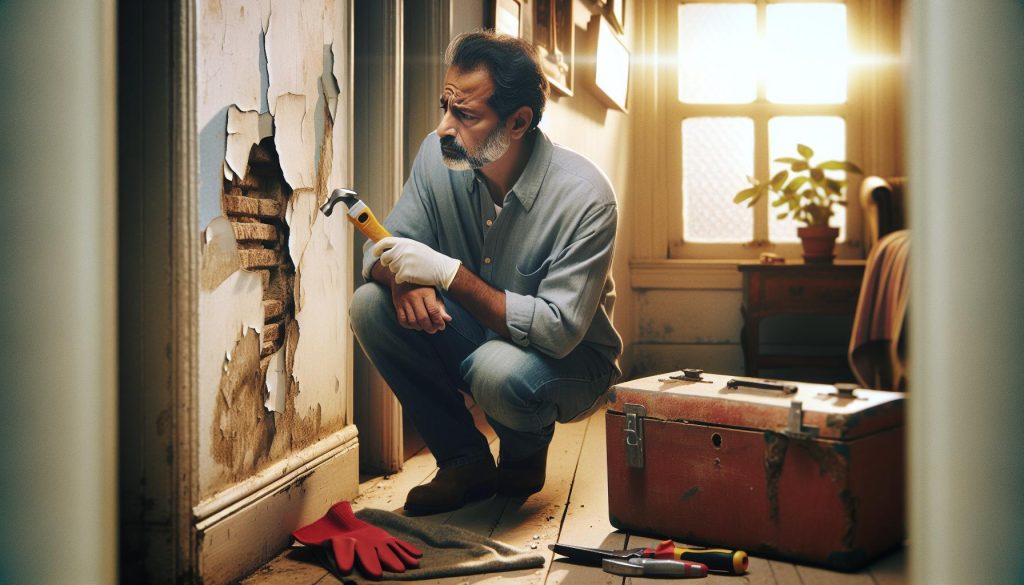
Navigating the world of homeownership can be a daunting task, especially when it comes to identifying warning signs of a poorly maintained property. Did you know that many homeowners overlook critical indicators that could signal expensive repairs down the road? Understanding how to describe a poor house is essential not only for your own protection but also for making informed decisions. Whether you’re looking to purchase a new home or simply want to ensure the one you have remains a haven, recognizing these signs can save you from financial pitfalls. This guide will equip you with the knowledge to spot potential issues, empowering you to make choices that align with your budget and future goals. Read on to uncover the essential signs every homeowner should know, ensuring your sanctuary remains a source of security and happiness.
Understanding the Importance of Assessing a Home’s Condition
Assessing a home’s condition is not just a task for prospective buyers; it’s an essential practice for all homeowners who wish to maintain their property’s value and safety. A well-maintained home can provide peace of mind, reduce unexpected repair costs, and enhance the quality of life for its inhabitants. The importance of regular assessments cannot be overstated since even minor issues can escalate into significant problems if left unattended. By understanding how to identify signs of distress, homeowners equip themselves with the knowledge needed to preserve their investment and sustain a comfortable living environment.
When conducting a home assessment, it’s crucial to adopt a comprehensive approach. Start by examining both the interior and exterior of the property, as signs of trouble can present themselves in various forms. For instance, visually inspect structural elements such as walls and roofs, ensure plumbing fixtures are functional, and look for signs of water damage like stains or mold. Remember that even cosmetic issues can suggest deeper problems; a crack in the wall may hint at foundation issues, while peeling paint could indicate moisture intrusion. Regular maintenance not only strengthens the home’s durability but also safeguards your family’s health by preventing hazardous conditions.
Taking action based on these assessments can lead to better financial outcomes in the long run. Homeowners who prioritize upkeep often find themselves saving money on utilities and avoiding costly repairs. Moreover, maintaining a home’s condition can significantly impact its market value. When it comes time to sell, a property in good repair will attract more potential buyers and potentially command a higher price.
In summary, making a habit of assessing your home regularly is a proactive strategy that promotes financial stability and nurturing a safe, inviting living space. By embracing this practice, homeowners can cultivate a resilient relationship with their property, regardless of budget constraints, and ultimately enjoy the rewards of a well-maintained home.
Key Warning Signs of a Poor House
Detecting issues in a home can often feel overwhelming, yet being aware of certain warning signs can empower homeowners to take proactive measures before problems escalate into costly repairs. A house that appears beautiful on the outside may still harbor hidden flaws that could compromise your investment and your family’s safety. This understanding can instill greater confidence in your homeownership experience.
When walking through your home or considering a new purchase, look out for the following key indicators that suggest your house may be in poor condition:
- Visible Cracks: Pay attention to cracks in walls, ceilings, and especially near windows and doors. Significant cracks can signal underlying structural issues, and ignoring them can lead to greater instability.
- Pest Infestations: The presence of insects or rodents is a clear red flag. Look for droppings, gnaw marks, or nests that may indicate a larger infestation problem that requires immediate attention.
- Mold and Water Stains: These are significant signs of moisture problems. Mold can pose health risks, while persistent water stains on ceilings or walls could suggest leaks from roofs, pipes, or even foundations.
- Roof Condition: Shingles that are curling, missing, or have significant wear can lead to leaks and water damage inside your home. Regularly check your roof’s exterior, especially after severe weather.
- Floor Level Changes: Uneven floors can indicate foundation issues. If you notice unexplained dips or slopes, consider having a professional inspection to determine the cause.
Recognizing these signs early can save you time, money, and stress in the long run. By addressing potential issues proactively, you not only safeguard your investment but also create a healthier living environment for your family. A well-maintained home not only enhances your quality of life but also protects your financial future, making awareness and timely intervention essential for every homeowner.
Structural Issues: What to Watch For
Homeownership can be a beautiful journey, but it can quickly turn daunting without the right knowledge of structural integrity. Undetected structural issues not only threaten the safety of the home but also the financial investment tied to it. One of the most critical areas to monitor is the structure itself; a few red flags can signal deeper, more costly problems lurking beneath the surface.
Begin your assessment by examining the walls and ceilings for any visible signs of distress. Look for cracks-especially those that are wider than a quarter of an inch or that form a stair-step pattern along the walls. These are not merely cosmetic concerns; they could indicate issues with the foundation that need immediate attention. Furthermore, pay attention to doors and windows; if they are difficult to open or close, this could suggest that the framing is shifting, hinting at more significant problems.
Another crucial aspect to consider is the alignment and level of your floors. An uneven floor can be not just an uncomfortable nuisance but a stark indicator of underlying foundation issues. If you notice dips, slopes, or creaks, it might be time to consult with a structural expert who can conduct a thorough evaluation.
Additionally, inspect the roof and attic spaces. Sagging roofs can signify structural weakness, especially if coupled with water stains or mold growth in the attic. The presence of water means potential leaks, which, if left unchecked, can wreak havoc on the wood and contribute to insect infestations, all of which compound the structural risks over time.
By staying vigilant and addressing these signs promptly, homeowners can preserve their homes’ integrity and enhance its long-term value. Empower yourself with knowledge; it’s your best defense against the financially burdensome consequences of neglecting structural concerns.
Exterior Red Flags: Gutters, Roofs, and More
The health of a home often begins at its exterior; neglected gutters, roofs, and other outward features can foreshadow significant problems inside. Every homeowner should be aware of the telltale signs that indicate the need for immediate attention. For instance, if you notice that your gutters are overflowing or sagging away from the house, this can be a sign of blockage or even structural issues with the home. Adequate drainage is essential not only for the prevention of water damage but also for protecting the foundation.
When inspecting your roof, look for missing shingles or tiles, as these are clear indicators of wear and tear. A roof with significant granule loss or a surface that appears discolored may be on its last legs. These issues can lead to leaks that not only compromise the structure but can also create a breeding ground for mold and pests within the home. Regular maintenance, such as cleaning debris from gutters and performing minor repairs on the roof, can save homeowners substantial amounts of money in the long run.
The exterior walls are equally telling. Cracks, particularly those that are wider than a quarter of an inch, could signal deeper structural problems. Pay attention to the condition of the siding-warping, peeling, or decay can lead to more severe complications if moisture gets behind the materials. Furthermore, inspect any visible drainage systems to ensure they are functioning correctly to guide water away from the house, thereby protecting your investment from future complications.
Lastly, don’t overlook the driveway and walkways. Cracks or heaving in these surfaces can reflect changes in the foundation and may require immediate attention. Be proactive rather than reactive when it comes to these exterior red flags. Maintaining vigilance can empower homeowners to make informed decisions, securing both the physical structure and overall property value.
Interior Warning Signs: Walls, Floors, and Ceilings
A home’s interiors tell a story that goes beyond décor; they often reveal hidden issues that can significantly impact both safety and financial investment. Therefore, keeping an eye on the condition of walls, floors, and ceilings is crucial. Cracks in walls or ceilings may suggest not just superficial damage but deeper structural concerns, especially if they are wider than a quarter of an inch. Homeowners should also be vigilant for uneven flooring, which can indicate foundation problems, a common yet serious issue that might lead to costly repairs if left unchecked.
An inspecting pattern can be helpful when assessing interiors. Start with the walls; peeling paint or wallpaper may simply seem like an aesthetic problem, yet they often signal moisture intrusion. Likewise, water stains on ceilings can point to leaks from above, whether from plumbing fixtures or the roof. It’s also wise to notice mold growth-a sure sign of too much moisture and potential health hazards.
Next, examine the flooring. Bowing floorboards, tiles that are starting to lift, or creaking sounds may seem like minor annoyances, but they could indicate more serious issues with the home’s foundation or an underlying water problem. Often, homeowners can fix minor flooring issues with some creativity and DIY skills, saving money and learning valuable maintenance tips alongside.
In maintaining a home, small actions can lead to substantial benefits. Regular checks on interior surfaces help homeowners remain proactive rather than reactive, avoiding deterioration that could lead to significant repairs. By fostering a habit of vigilance in monitoring the home, individuals can protect financial investments and ensure their living environments remain healthy and welcoming.
Signs of Water Damage: Mold and Mildew Indicators
Water damage can turn a beautiful home into a breeding ground for health hazards, diminishing both its value and your peace of mind. While it can be easy to dismiss a small water stain on the ceiling or a musty smell in the basement, these could be early warning signs of mold and mildew growth. As moisture seeps into walls, floors, and ceilings, it creates an environment ripe for mold, which can not only damage your property but also put your health at risk. Understanding the indicators of water damage is essential for every homeowner looking to maintain a safe and secure living space.
Identifying the Signs
The first key indicator of potential water damage is the appearance of mold and mildew. This can manifest as flaky patches of green, black, or white growth on walls, particularly in damp areas such as bathrooms and basements. Look for signs of moisture accumulation, primarily in areas with limited ventilation. Keep an eye out for persistent musty odors, which often accompany mold and mildew presence but may be unnoticed until they become overpowering.
In addition to visual cues, physical signs may also reveal underlying issues. Peeling paint or bubbling wallpaper can signify moisture trapped beneath surfaces, while water stains on ceilings can indicate leaks from plumbing or roofing sources. Be vigilant for condensation on windows or walls, especially during humid months, as this can lead to long-term damage if not addressed promptly.
Proactive Steps to Take
If you discover signs of water damage, taking immediate action is crucial. Begin by identifying and eliminating the source of moisture, whether it’s a leaky pipe, poor drainage, or inadequate ventilation. Repairing these issues not only prevents further damage but also curtails mold growth significantly.
Next, consider investing in a dehumidifier to manage humidity levels, especially in areas prone to dampness. Regularly inspect and clean areas such as bathrooms, kitchens, and crawl spaces, and ensure that bathrooms are equipped with run-on exhaust fans to mitigate moisture buildup. If mold growth appears substantial or you’re concerned about unseen growth behind walls, it may be wise to consult with a professional for an in-depth inspection and remediation.
Embracing a proactive approach to home maintenance will not only save you from costly repairs but also contribute to a healthier living environment. By staying attentive to the signs of water damage, you can protect your home and foster a sense of security as you navigate your homeownership journey.
Electrical and Plumbing Red Flags at Home
A home’s electrical and plumbing systems are its lifeblood, and identifying potential red flags can save you from costly repairs and headaches down the line. Many homeowners overlook these critical components, but being vigilant can enhance both safety and comfort. Warning signs such as flickering lights, frequent circuit breaker trips, or the unsettling sound of running water can signal deeper issues that need immediate attention.
Common Electrical Warning Signs
When it comes to electrical systems, pay careful attention to the following indicators:
- Flickering Lights: Intermittently dimming or flickering lights may suggest overloaded circuits or faulty wiring. This condition not only disrupts your daily routine but can also hint at fire hazards.
- Burning Odors: If you notice a burning smell coming from outlets or switches, it could indicate overheating wires. Shut off the power immediately and consult a professional to prevent a potential fire.
- Warm Outlets and Switches: Outlets that feel warm or hot to the touch can signal loose connections or overloaded circuits, both of which require quick remediation.
Regular maintenance and inspections can help prevent issues from escalating. For example, replacing worn-out electrical cords and ensuring appliances are plugged in correctly can minimize risks.
Plumbing Red Flags to Watch For
Plumbing issues can lead to water damage and increased utility bills if left unresolved. Stay attentive to these warning signs:
- Unexplained Water Bills: A sudden spike in your water bill may indicate a hidden leak in the system. Regularly check areas under sinks and around toilets for signs of moisture.
- Slow Drains: Multiple slow-draining sinks or tubs can indicate clogs in the main drain line, which may require professional intervention to clear.
- Water Pressure Fluctuations: Inconsistent water pressure can be a sign of pipe corrosion or blockages. This not only affects daily comfort but could signal a need for pipe replacement.
By learning to recognize these signs, homeowners can maintain their electrical and plumbing systems more effectively, fostering a safer and more efficient living environment. Monitoring these systems not only protects your home investment but also provides peace of mind for you and your family. Regular inspections and prompt action on issues will empower you to keep your home in excellent condition for years to come.
Foundation Concerns: How to Identify Problems
Identifying foundation issues can be critical for maintaining the structural integrity of your home, as problems often escalate quickly if left unaddressed. Many homeowners may overlook subtle signs of foundation distress, but being proactive can protect your investment and avert costly repairs later. For instance, a fascinating statistic shows that nearly 25% of homes in certain areas experience foundation damage at some point-highlighting the importance of vigilance.
Look for visible cracks in walls, particularly those that are wider than a quarter-inch, or cracks that seem to be expanding over time. Such cracks are often indicative of foundation movement. Other warning signs include doors and windows that stick or do not close properly, which can suggest shifting or settling in the foundation. Pay attention to unlevel floors; if you notice a significant slope or pitch, it might be time to investigate further and possibly consult a professional.
To make your evaluation easier, consider these specific foundation indicators to watch for:
- Cracks in Walls and Ceilings: Vertical and horizontal cracks can both signal different types of issues. Vertical cracks may indicate settling, while horizontal cracks often indicate pressure.
- Foundation Settlement: Gaps between the foundation and exterior walls, or between interior walls and ceilings, can suggest that the foundation is settling.
- Water Accumulation: Standing water around the foundation can lead to erosion and can cause more significant structural issues over time.
Practicing routine inspections can empower you to catch foundation problems early. If you do identify signs of distress, don’t hesitate to consult a professional foundation inspector. Taking action promptly will not only ensure the safety and comfort of your home but also preserve its value over time. Remember, a well-cared-for foundation can be one of your best defenses against financial pitfalls associated with significant repairs.
Hidden Dangers: Pest Infestations to Look Out For
Pests can be more than just a nuisance; they can signify deeper issues within a home that require immediate attention. A staggering number of homes face pest infestations each year, which not only damages property but also threatens the health and safety of its inhabitants. Recognizing the signs early can save you from costly repairs and potential health risks associated with various pests.
- Termites: Often referred to as “silent destroyers,” termites can cause extensive damage to the structure of your home before you even notice their presence. Look for mud tubes on exterior walls, hollow-sounding wood, or discarded wings near windows or doors.
- Rodents: Mouse droppings, gnaw marks, and nests in hidden corners are signs of rodent infestations. These pests can contaminate food and introduce diseases, making prompt action essential.
- Ants: If you notice a trail of ants marching consistently, investigate their entry points. Carpenter ants can damage wood structures, leading to significant repair costs if left untreated.
- Bed Bugs: These tiny pests are becoming increasingly common and are notoriously difficult to eliminate. Look for small, reddish-brown spots on bedding or furniture, which may indicate their presence.
Ensuring that your home remains pest-free involves regular inspections and prevention strategies. Seal cracks and crevices in the foundation, maintain clean indoor and outdoor environments, and store food in airtight containers. Additionally, if you suspect an infestation, consult with a pest control professional promptly. They can provide targeted treatments and preventative measures, allowing you to safeguard your living space effectively. By staying vigilant and proactive, you can maintain a healthy home environment, fortifying your investment while ensuring peace of mind for your family.
The Impact of Poor Maintenance on Home Value
The value of a home is an intricate weave of its physical condition, aesthetic appeal, and overall maintenance. When upkeep is neglected, even minor issues can escalate, leading to significant declines in property value. Homebuyers are increasingly savvy and will likely spot telltale signs of poor maintenance, potentially leading them to offer a much lower price, or worse, to walk away entirely.
Regular maintenance is more than just a chore; it serves as a critical investment in your property. For instance, neglecting simple tasks like cleaning gutters or repair leaks can lead to water damage, which not only compromises structural integrity but can also foster mold growth-an expensive and hazardous issue. When buyers observe such red flags, their perception of your home shifts dramatically, translating into a decreased market value. According to experts, poor maintenance can lead to a depreciation of up to 10% of a home’s value over time, as potential buyers tend to undervalue properties that seem like they’ll require hefty repairs right after purchase [[1]].
Addressing maintenance issues promptly can have a twofold benefit: it preserves your property’s value and enhances your living experience. A well-maintained home radiates care and attention, making it more appealing to purchasers. Simple actions such as touching up paint, maintaining landscaping, and fixing minor plumbing issues create a welcoming atmosphere and signal to prospective buyers that the home is move-in ready. Furthermore, investing in energy-efficient upgrades can not only save you money on monthly bills but also attract buyers who value sustainable living.
In conclusion, being proactive about home maintenance not only protects your financial investment but also fosters a sense of pride and well-being in your living space. By adopting a regular maintenance routine, you position yourself for future financial stability while cultivating a lifetime of comfort in your home.
Tips for Evaluating Property Before Purchase
When it comes to purchasing a property, the importance of a thorough evaluation cannot be overstated. Not every home comes with a gleaming facade; behind closed doors, there may be hidden issues that could turn into costly nightmares. For example, according to industry experts, investing an hour or two in pre-purchase inspections can save buyers thousands in future repairs. It’s not just about finding a house; it’s about securing a safe, sound investment that protects your financial future.
One of the first steps in evaluating a property is to conduct a comprehensive visual inspection. Begin by assessing the exterior condition of the home. Look for signs of damage, such as cracked siding, peeling paint, or missing shingles. Don’t forget the landscaping-overgrown plants or a neglected yard can indicate a lack of maintenance. Pay special attention to the roof and gutters; any issues here can lead to significant water damage inside the home. A simple visual cue, like rusted gutter brackets or sagging roof lines, might be your first warning to probe deeper.
Next, move inside and assess key structural elements. Check for creaky floors, uneven ceilings, and cracks in walls. Utilize your sense of smell as well-musty odors can indicate moisture problems, while a whiff of gas signals potential plumbing issues. Equip yourself with trusted tools such as a flashlight for inspecting dark corners and a moisture meter to check for hidden dampness in drywall. Remember that these indicators go beyond aesthetics; they reflect on how well the previous owners maintained the home.
Take the time to gather documents and ask about maintenance records. Knowing how often systems like HVAC, plumbing, and electrical have been serviced will illuminate the home’s history. Furthermore, do not hesitate to consult with a professional home inspector. Their trained eyes can uncover hidden issues, and their reports can provide valuable negotiating power when it’s time to make an offer.
Finally, factor in the neighborhood and surrounding infrastructure. Are the schools well-rated? Is public transportation accessible? Even if a house looks perfect on the outside, the neighborhood’s condition and future developments can heavily impact your property’s value. Prioritize a comprehensive view that combines structural, aesthetic, and locale assessments to make an informed and confident investment.
What to Do If You Discover Major Issues
Discovering major issues during a home inspection can be daunting, but it’s essential to approach the situation with clarity and confidence. The first step is to assess the nature and severity of the problem. Take a moment to list out the issues you’ve uncovered, such as structural damage, plumbing leaks, or electrical concerns. This list will serve as a useful reference point for your next steps and discussions with professionals or sellers.
Once you’ve identified the issues, prioritize them based on urgency and potential impact. Not all problems require immediate attention. For instance, cosmetic issues may be less pressing than significant structural damage or safety hazards. Use this prioritization to guide your discussions with your home inspector and consider seeking further evaluations if necessary. Bringing in specialized professionals, such as electricians or structural engineers, can provide you with a clearer understanding of the costs and scope of repairs needed.
If the issues are significant, you might have to negotiate with the seller. Armed with your list and potential repair estimates, approach them to discuss repairs or price adjustments. Many buyers find success in requesting that the seller either address the problems before the sale or offer a financial concession to cover the expected repair costs. Maintaining open communication can lead to a win-win scenario.
Lastly, if you encounter major issues that could substantially impact your investment, consider your options carefully. You may choose to walk away from the purchase if the financial burden feels overwhelming. On the other hand, if you’re committed to the property, be prepared to invest both time and resources to restore it to a safe, livable condition. Building a home can be a journey that fosters resilience and creativity; often, the challenges lead to the most rewarding transformations. Always remember, taking these steps preserves not only your investment but also your peace of mind for years to come.
FAQ
Q: How can I identify potential safety hazards in a poor house?
A: Look for signs like broken stairs, loose railings, or poorly installed fixtures. Ensure that smoke detectors and carbon monoxide detectors are functional. It’s also wise to check for any exposed wires or signs of water damage that could indicate electrical or structural issues.
Q: What are common signs of mold in a home?
A: Mold often appears as black or green spots on walls or ceilings. A musty odor is a strong indicator as well. Peeling paint or damp patches can also signify that moisture and mold problems are present, which warrants a more thorough inspection.
Q: When should I consider hiring a professional inspector?
A: If you notice significant structural issues, persistent plumbing leaks, or electrical problems during your assessment, hire a professional. They can provide a comprehensive evaluation and identify hidden issues that could affect your home’s safety and value.
Q: What are the risks of ignoring warning signs in a house?
A: Ignoring warning signs can lead to costly repairs, safety hazards, and a decrease in property value. Problems like water damage can escalate quickly, leading to mold and structural damage that may require extensive remediation efforts.
Q: How do I assess the roof condition of a house?
A: Check for missing or damaged shingles, sagging areas, and rusted flashing. Look for stains on the ceilings indoors that can indicate leaks. If possible, consider hiring a roofing professional for a detailed inspection to ensure structural integrity and longevity.
Q: What signs indicate poor plumbing in a house?
A: Look for slow drains, discolored water, and visible leaks under sinks or around appliances. Water stains on walls or ceilings can also suggest plumbing issues. A constant drip or unusual odor (like sewage) is a sign it’s time to consult a plumber.
Q: How can pests affect the condition of a house?
A: Pests like termites can cause significant structural damage, while rodents can create unsanitary conditions and damage insulation and wiring. Signs of infestation include droppings, gnaw marks, and nesting materials, so daily vigilance is key.
Q: What immediate actions should I take if I find serious issues in a house?
A: Document all findings with photos and notes, then consult a professional for a deeper assessment. Depending on the severity, you may need to notify the seller, negotiate repairs, or reconsider the purchase altogether to protect your investment.
In Conclusion
Recognizing the warning signs of a poorly maintained home is crucial for protecting your investment and ensuring a safe living environment. By familiarizing yourself with these indicators, you empower yourself to make informed decisions that can save you time, money, and stress. Don’t wait until it’s too late-start your proactive journey today by exploring our comprehensive guides on home inspection tips and financial strategies for smart homeownership.
For deeper insights, check out our articles on smart budgeting for home repairs and navigating the housing market effectively. If you have questions or experiences to share, we’d love to hear from you in the comments below! Subscribe to our newsletter for ongoing tips, engaging content, and resources that nurture both your financial health and personal growth. Remember, taking action now can pave the way for a secure and fulfilling life.