In the early chapters of American history, the establishment of poor houses emerged as a controversial yet necessary response to societal challenges. These institutions aimed to care for the destitute, shaping the country’s approach to poverty and welfare. Understanding when and why poor houses were created not only unravels a significant aspect of social history but also highlights enduring themes of compassion and community responsibility. As we navigate today’s economic uncertainties, reflecting on these origins can provide valuable insights into our ongoing discussions about welfare, support systems, and the human condition. Join us as we uncover the timeline and motivations behind these crucial establishments and explore how they continue to resonate in our modern context.
Historical Context of Poor Houses in the USA

In the early days of the United States, the societal response to poverty was markedly different from today’s understanding and approaches. Poor houses, often considered the first institutional response to poverty, emerged in the late 17th and early 18th centuries. These facilities were designed to house the indigent, providing shelter and, at times, employment to those unable to support themselves. With the influx of immigrants and rapid urbanization resulting from industrialization, many individuals and families found themselves in precarious economic situations, leading to increased calls for systematic support.
The establishment of poor houses was significantly influenced by the English Poor Laws, which shaped early American policy. Initially, these institutions aimed to segregate the “worthy poor” from the “unworthy,” often treating those deemed undeserving harshly. The philosophy behind this separation included beliefs that individuals were responsible for their economic circumstances, an attitude that still resonates in modern discussions about poverty relief. As a social construct, poor houses reflected the values and attitudes of their time, often stigmatizing those who relied on public assistance.
Over time, the role of poor houses evolved, particularly as the country faced economic challenges such as the Great Depression. As these facilities became overwhelmed with demand, the living conditions and treatment of residents frequently came under scrutiny, which ultimately led to reforms. The public began to advocate for more humane treatment and better resources for the impoverished. Understanding this historical context not only highlights the evolution of societal attitudes towards poverty but also underscores the ongoing challenges that many face today, as discussions around poverty relief continue to be relevant and necessary.
Through this lens, we can recognize the need for compassion and comprehensive support systems that empower individuals to rise above their circumstances. By embracing history, we can learn valuable lessons about resilience, community, and the importance of constructive societal frameworks designed to uplift vulnerable populations.
Key Legislation That Shaped Poor Houses
The origins of poor houses in the United States can be traced back to a series of legislative acts that reflected society’s evolving understanding of poverty and welfare. The English Poor Laws served as a significant influence, establishing the framework that American colonies would adapt in their own legislation. These laws distinguished between the “worthy” and “unworthy” poor, setting a precedent for how impoverished individuals were treated and which groups were deemed deserving of assistance.
In 1601, the Act for the Relief of the Poor laid the groundwork for subsequent legislation by mandating that local parishes support those in need. As these laws migrated to America, colonial governments began enacting similar statutes, ultimately leading to the creation of poor houses in the late 17th and early 18th centuries. The Massachusetts Bay Colony was one of the first to pass a poor law in 1647, allowing towns the authority to establish local almshouses for the indigent. This pattern of local control continued, emphasizing community responsibility while exposing deep-seated attitudes about personal accountability for poverty.
The early 19th century saw further advancements with the introduction of the Poor Law Amendment Act of 1834 in England, which encouraged a more systematic approach to the administration of poor relief. While the U.S. did not adopt this act, it had lasting repercussions on how American society viewed the need for reform in welfare systems. This period marked the shift from informal local assistance to more structured government interventions, which included the establishment of state-run facilities.
As the United States approached the Great Depression, key legislation such as the Federal Emergency Relief Administration (FERA) and the Social Security Act of 1935 drastically changed welfare dynamics, providing foundational support for the development of modern social services. These laws transitioned public assistance from the stigmatization often associated with poor houses to a more dignified system aimed at promoting economic security for all citizens. Such advancements illustrate the continuous evolution of societal attitudes toward poverty and assistance-fostering resilience while offering practical solutions to those in need.
Through these historical lessons, we see the importance of creating compassionate frameworks that empower the impoverished. Understanding the impact of legislation not only unveils the complexities of past welfare systems but also informs current discussions about social safety nets and the ongoing quest for equity in support for all community members.
Evolution of the Poor House System Over Time
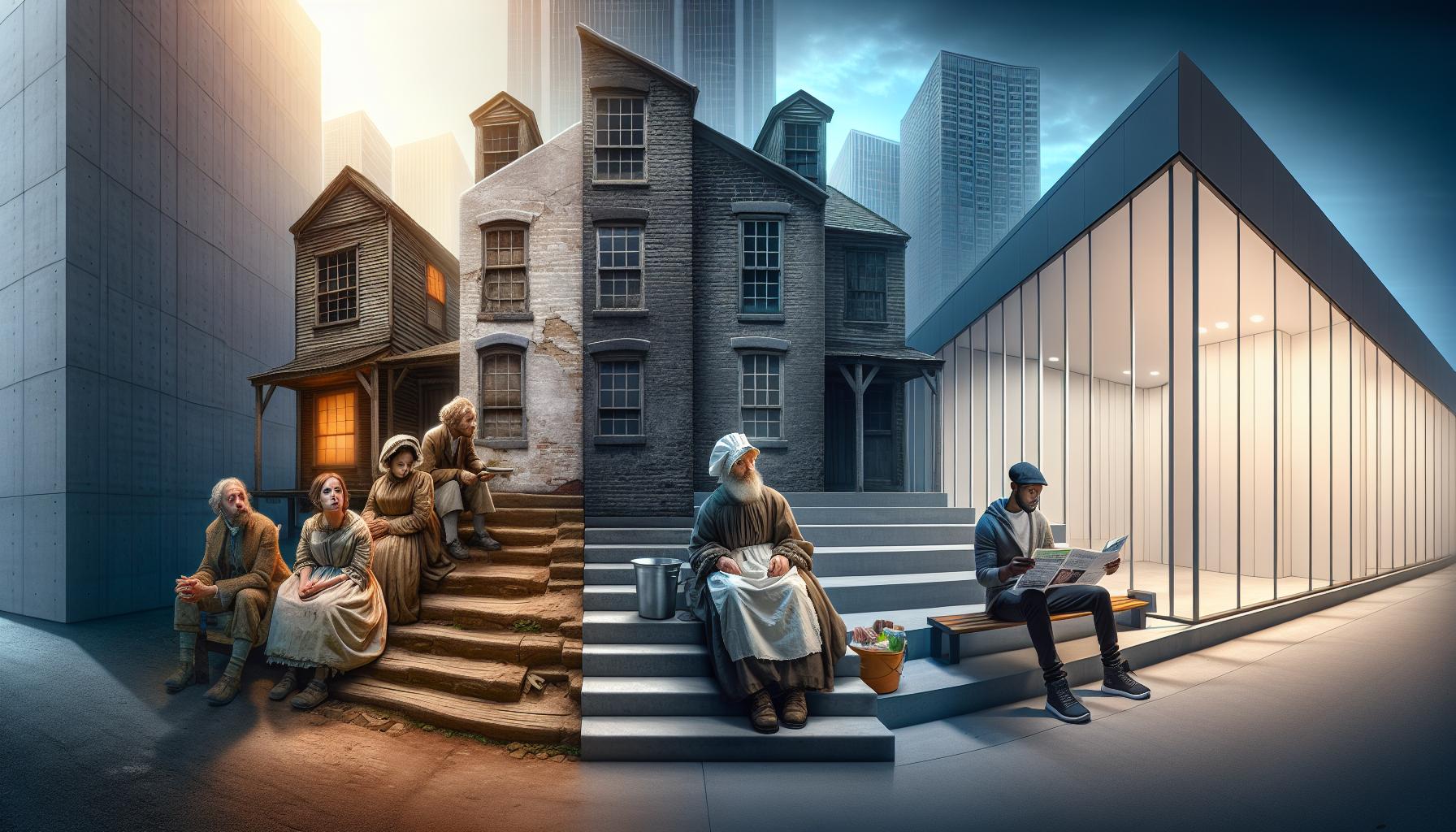
The landscape of poor houses in the United States underwent significant transformation from their inception to the 20th century, reflecting broader societal changes in the approach to poverty and welfare. Initially rooted in the communal obligation to care for the needy, poor houses evolved from mere shelters into complex institutions that mirrored the shifting values of American society regarding poverty.
In the early years, poor houses were primarily operated at the local level, established by communities to provide basic necessities to the indigent. This local control was instrumental in creating a sense of responsibility among residents, as many towns prioritized care for their own. However, as urbanization increased and the population grew, the limitations of these small-scale efforts became evident. By the mid-19th century, poor houses began to shift from informal, community-based solutions to more formalized structures, influenced by growing awareness of the complexities surrounding poverty.
By the late 19th and early 20th centuries, the grim conditions in many poor houses prompted public outcry and reform. Reports of overcrowding, unsanitary conditions, and inadequate care led to a new wave of legislative action aimed at improving standards and treatment. This culminated in the establishment of the first state-run facilities designed to provide both support and regulation, highlighting a transition from charity-based care to a more organized state responsibility. Societal attitudes began to soften towards the plight of the poor, recognizing that many were victims of circumstances beyond their control, thus necessitating a more compassionate response.
As the Great Depression struck in the 1930s, the poor house system faced unprecedented challenges. Economic hardship forced many individuals and families to seek assistance, leading to an expansion of services. The federal government introduced programs to streamline aid and improve the welfare system, marking a crucial point in the decline of traditional poor houses. This period laid the groundwork for contemporary social welfare policies, emphasizing dignity and support rather than stigmatization.
Throughout their evolution, poor houses served as a reflection of society’s evolving understanding of poverty. They shifted from rudimentary shelters to facilities aiming to alleviate suffering and promote recovery. Modern social services have drawn valuable lessons from this historical framework, focusing on empowerment and support that fosters resilience in the face of economic challenges. By remembering the past, we can build a more compassionate future, where systems of support embrace the complexities of individual circumstances and provide pathways to prosperity.
Comparative Analysis: Poor Houses vs. Workhouses

The concept of providing care for the poor has evolved significantly across different cultures and historical contexts. In the United States, the distinction between poor houses and workhouses reflects deeper societal attitudes towards poverty and welfare. Poor houses were primarily designed as shelters for those in need-offering a place to live and basic sustenance, often with an emphasis on dignity and compassion. In contrast, workhouses were rooted in the belief that assistance should come with a mandate to work, often forcing inmates to engage in labor as a condition of their stay.
Core Differences
One major difference between the two institutions lies in their foundational philosophies. Poor houses aimed to provide refuge and basic care for individuals who were incapable of supporting themselves due to various circumstances, such as illness, old age, or familial breakdown. They were typically community-operated and reflected a more humanitarian approach. Workhouses, particularly prominent in Britain before migrating to the U.S. context, operated under the premise that poverty resulted from a lack of industriousness. To this end, they provided assistance only in exchange for labor, which often led to harsh living conditions and rigorous work requirements.
Living Conditions
The environments within poor houses generally aimed to be supportive, if sometimes basic. Residents received meals, accommodation, and, in some instances, access to medical care. Meanwhile, workhouses were notorious for their draconian regulations and austere environments. Inmates faced overcrowding, poor sanitation, and hard labor, typically in fields or workshops rather than in a nurturing atmosphere. The harsh realities of workhouses often deterred many from seeking assistance altogether, as the stigma attached to entry was palpable.
Financial Implications and Community Impact
From a financial perspective, poor houses relied on local funding and community support, fostering a sense of collective responsibility. This funding model allowed them to respond flexibly to community needs and adapt their services accordingly. Conversely, workhouses imposed a more rigid structure where funding came from governmental resources, compelling families to make difficult choices when facing adversity. This system limited the type of aid available and could often exacerbate the distress of families forced to submit their members to such facilities.
Through understanding these differences, modern society can draw lessons about compassion and responsibility in addressing poverty. Recognizing the complex factors that lead to poverty today can help foster a more holistic, supportive welfare system. By aiming for a balance between necessary work and adequate support, communities can uplift individuals and families, ultimately promoting resilience and empowerment.
Life Inside Poor Houses: A Historical Perspective
Life inside poor houses during their existence in the United States was a blend of necessity and pragmatism, reflecting the social values of the time. Often seen as havens for society’s most vulnerable, these institutions aimed to provide basic shelter and sustenance for individuals who could not take care of themselves due to age, illness, or lack of familial support. The primary intention was not merely to offer a roof over one’s head, but also to create an environment where dignity could be preserved amidst hardship.
Residents of poor houses experienced a range of living conditions that varied significantly from one institution to another. Most poor houses offered basic amenities like meals, clothing, and sometimes minimal medical care. However, the quality of life was varying; some establishments sought to foster a communal spirit and empathy among residents, often organizing communal activities and encouraging interactions that could alleviate the isolation many felt.
Community Engagement and Support
The operational model of poor houses was heavily reliant on local community involvement. Many were funded through local taxes, donations, and charity contributions, reflecting a sense of shared responsibility. Some poor houses featured gardens where residents could participate in growing their own food, fostering not only self-sufficiency but also a sense of purpose and belonging. This communal approach laid a foundation for modern welfare systems, emphasizing that support for the vulnerable is a collective obligation.
The Psychological Impact
While poor houses provided necessary services, their environments weren’t always healing spaces. Stigmas surrounding poverty meant that many viewed admission to a poor house as a failure. This perception hindered individuals from seeking help, as many feared the loss of their dignity. It is vital to recognize how these societal attitudes shaped both the experiences of the residents and the evolution of welfare policies.
Understanding life inside poor houses sheds light on more than just historical practices; it invites reflection on how compassion and community can guide modern approaches to poverty alleviation. By learning from past experiences, we can strive to create inclusive systems that uplift the vulnerable rather than stigmatize them, ensuring all individuals have access to resources that nurture their dignity and well-being.
The Influence of Poverty on Poor House Development
The history of poor houses in the United States is deeply intertwined with the evolving understanding of poverty and the social responsibilities of communities. As the country faced economic downturns, industrialization, and waves of immigration in the 19th century, the number of individuals and families in dire financial need surged. These challenging circumstances significantly influenced the establishment and development of poor houses, which were seen as a necessary response to the increasing visibility of poverty.
Initially designed to provide temporary relief, poor houses reflected societal attitudes toward those who were economically disadvantaged. The belief that poverty was a moral failing guided the treatment of residents, often resulting in strict rules and a lack of dignity in care. However, as the reality of poverty became more evident-affecting not just the “undeserving” poor but also many who lost livelihoods due to economic fluctuations-poor houses evolved. They began to operate not merely as places of confinement but as institutions aimed at offering essential services, such as shelter, food, and basic healthcare.
Community Response to Economic Pressures
The influence of widespread poverty on poor house development was also evident in how communities mobilized resources for these establishments. Local governments often faced pressure to use taxation and charitable donations to create facilities that could adequately support those in need. The establishment of a poor house became a reflection of community values, where the collective responsibility to care for the vulnerable was tested by the severity of economic conditions.
Moreover, the experiences of those in poor houses informed broader societal perceptions of poverty. In regions where poor houses were deemed overpopulated or poorly managed, movements emerged advocating for reform in social services, promoting more humane treatment and better living conditions. This dialogue laid groundwork for future welfare policies and programs that aimed to reduce stigma and encourage community engagement in addressing poverty more constructively.
Ultimately, the interplay between poverty and the development of poor houses highlights the resilience and adaptability of communities in responding to economic challenges. Though the legacy of poor houses is complex, it serves as a reminder of the importance of compassion and community in creating solutions for modern poverty. By examining these historical roots, we can glean valuable insights into fostering inclusive systems that uplift those in need today.
State-by-State Establishment of Poor Houses
The establishment of poor houses across the United States was a response to the growing economic challenges faced by communities, especially during the 19th century. Various states approached this issue differently, reflecting local social values, economic conditions, and prevailing attitudes towards poverty and welfare. For instance, New York became one of the first states to adopt a formalized system of poor houses in the 1730s, driven by a combination of Quaker beliefs in charity and the practical need to manage increasing numbers of destitute individuals.
In contrast, Southern states tended to integrate poor relief within the existing agricultural economy, relying on informal arrangements like local charity and communal support rather than structured institutions. As a result, states like Virginia established public almshouses in the early 1800s, but they were limited in scope, often reflecting a mix of compassion and societal disdain for the “undeserving” poor. This disparity in approach demonstrated that state governments held varying beliefs about their responsibilities towards the impoverished, influencing how poor houses were structured and operated.
The actual physical conditions and management of poor houses also varied significantly. In Massachusetts, for example, the Almshouse Act of 1834 formalized the establishment of these facilities across the state, which aimed to provide better living conditions than earlier structures. Despite their intent, many poor houses fell short of humane treatment ideals, leading to overcrowding and neglect. This prompted public outcry and calls for reform, resulting in an evolving understanding of how to better serve those in need.
Overall, the highlights a complex tapestry of responses to poverty-one that reflects both the values of the time and the ongoing struggles of marginalized communities. By understanding this history, modern society can gain valuable insights into developing effective and compassionate social support systems that not only address immediate needs but also work towards alleviating the root causes of poverty.
The Role of Religion and Charity in Poor Houses
The establishment of poor houses was deeply intertwined with the religious and charitable movements of their time, as faith-based organizations played a pivotal role in addressing poverty and providing relief to those in need. From the early days of colonization, religious groups such as Quakers and Puritans championed the cause of charity, believing it was their moral obligation to care for the less fortunate. These beliefs translated into action, leading to community efforts that sought to build shelters and provide sustenance for the destitute. The very concept of poor houses often arose from this sense of duty to serve, exemplifying how charity was not just a personal act but a community responsibility.
The Influence of Faith-Based Organizations
Many early poor houses were founded or supported by religious congregations. These institutions were viewed as extensions of the church’s mission to serve and uplift those who fell into poverty. For instance, in areas like New England, churches actively participated in establishing almshouses, which were designed not only to provide shelter but also to offer spiritual guidance and moral reform. Faith leaders often viewed poverty as not just an economic crisis but a spiritual one-an opportunity to save souls, reflecting the belief that caring for the poor was tantamount to serving God.
Charitable Contributions and Community Involvement
Charitable organizations became crucial for the sustenance and operation of poor houses. Donations of food, clothing, and funds from affluent members of the community were vital for maintaining these institutions. Many cities organized charity drives and events to gather support, where citizens could contribute in various ways. These contributions helped to alleviate some of the harshest conditions faced by the poor, allowing for better care and facilities, albeit often still inadequate by modern standards.
Moreover, these charitable efforts fostered a sense of community cohesion, encouraging individuals to participate actively in the welfare of their neighbors. It was not uncommon for local congregations to hold regular committees tasked with overseeing local poor houses, ensuring they met the community’s standards and needs. This involvement illustrated that charity was seen as a fundamental component of a well-functioning society-a way to build resilience among communities facing economic hardship.
The legacy of these early efforts remains evident today, as modern social service systems continue to grapple with the balance between material assistance and the promotion of dignity and self-sufficiency. The historical relationship between religion, charity, and poor houses serves as a poignant reminder of the importance of community support and compassion in addressing the needs of the vulnerable. By reflecting on these past efforts, we can inspire new avenues of engagement that regard poverty not simply as a financial issue but as a collective challenge that calls for compassionate solutions rooted in community and care.
How Poor Houses Addressed Economic Crises
During times of economic turmoil, poor houses emerged as a beacon of hope for individuals and families grappling with hardship. When communities faced crises such as economic downturns, natural disasters, or epidemics, these institutions provided crucial support. By offering shelter, food, and care, poor houses alleviated immediate suffering and acted as vital safety nets for society’s most vulnerable. They embodied the collective responsibility to support one another, particularly in times when personal resources were severely strained.
In the 19th century, for example, the Panic of 1837 led to widespread unemployment and social unrest. Poor houses became essential refuges as they addressed the urgent needs of displaced workers and families. Many states responded to rising poverty rates by expanding the existing poor house systems, which enabled them to serve more individuals. In these establishments, residents could find not only basic necessities but also a semblance of community, helping to mitigate the social isolation that often accompanies poverty.
Moreover, poor houses were often the outcome of community-driven initiatives, where local leaders would rally together to support their neighbors. As families struggled to make ends meet, many community members recognized the pressing demand for assistance. Grassroots organizations and local governments collaborated to sustain these institutions, thus reinforcing the idea that charitable actions were key to societal resilience. This collaboration not only provided immediate relief but also reminded communities of the importance of social bonds and shared responsibility.
The operation of poor houses during economic crises also facilitated discussions around the welfare of the poor and the broader implications of poverty. By witnessing the struggles of their fellow citizens firsthand, communities were urged to consider more systemic solutions. This led to some critical legislative changes and institutional reforms aimed at improving social welfare policies, setting a precedent for contemporary social services. In essence, the response to economic crises through poor houses highlighted a pivotal truth: community compassion and resilience can be powerful antidotes to hardship, offering both immediate relief and a path toward future reforms.
Decline of Poor Houses: Factors and Consequences
The decline of poor houses marks a significant transition in how society addresses poverty and social welfare, reflecting changing attitudes and economic realities. As the 20th century progressed, various factors contributed to their diminishing role, reshaping the landscape of public assistance. Economic transformations, urbanization, and evolving social proverbs played critical roles in this decline.
One central factor was the shift from agrarian economies to industrialization, which altered community structures and labor markets. As people moved to cities for jobs, the need for poor houses in rural areas began to decrease. Meanwhile, the advent of social security systems and government welfare programs introduced alternatives that offered more humane and dignified treatment of the poor than the often harsh conditions found in poor houses. These public welfare initiatives, fueled by social movements advocating for the rights of the destitute, began to provide a safety net that directly catered to individuals and families, allowing them to remain within their communities rather than being institutionalized.
Furthermore, the stigma attached to living in poor houses grew alongside changing societal views on poverty. By the mid-20th century, there was an increasing recognition that poverty was not simply a personal failing but a systemic issue requiring comprehensive solutions. As communities shifted towards a more compassionate and community-centric approach, reliance on poor houses began to erode. This change was further facilitated by influential legislation, such as the Social Security Act of 1935 and later amendments, which formalized federal support for the impoverished and diminished the narrative that harsh institutionalization was a suitable response to poverty.
The consequences of this decline were significant. Many poor houses were closed down or repurposed, often transforming into community centers or shelters aimed at providing support without the stigma of past institutions. This evolution in approach encouraged a spirit of inclusion and empowerment, promoting individual dignity rather than a mere provision of basic needs. Lessons learned during the poor house era underscore the resilience of communities in addressing financial hardships, illustrating that compassionate action can reshape societal structures and foster a more equitable and supportive environment for all.
Legacy of Poor Houses in Modern Social Services
Despite their decline, the legacy of poor houses continues to echo in modern social services, reflecting the ongoing evolution of how society addresses poverty and supports vulnerable populations. Poor houses once served as institutions for the destitute, often embodying a punitive and stigmatizing approach to poverty. However, their slow dissolution has paved the way for contemporary services that emphasize dignity, community inclusion, and comprehensive support.
Today, social service systems integrate lessons learned from the poor house era. Many community support mechanisms focus on empowering individuals rather than institutionalizing them. These systems prioritize holistic care-addressing not just immediate needs like food and shelter, but also combining mental health services, job training, and affordable housing initiatives within community settings. Organizations such as food banks, homeless shelters, and community health clinics are designed to be welcoming spaces, creating environments conducive to personal growth and recovery.
The Role of Community Initiatives
Modern social services often draw from the community-oriented spirit that emerged after the decline of poor houses. Programs are more frequently developed in collaboration with local organizations, faith groups, and non-profits, which fosters a collective response to poverty. For example, initiatives like community gardens provide not only fresh produce but also foster connections among residents, promoting self-sufficiency and resilience.
Moreover, the intersection of poverty and systemic issues-such as healthcare access and educational disparity-is acknowledged more than in previous eras. Current social welfare policies often advocate for systemic change and social justice, striving to dismantle the stigma attached to individuals seeking help. This is a far cry from the isolation experienced in poor houses, showcasing how far society has come in its understanding of poverty as a complex issue that requires multifaceted solutions.
Embracing a Legacy of Compassion
The remnants of the poor house system remind us of the importance of compassion in addressing societal needs. As modern social services continue to evolve, the focus remains on creating individualized plans that honor the dignity of each client. Emphasizing public and private partnerships in social service delivery reflects a commitment to innovative solutions that acknowledge the diverse contexts of poverty today.
This legacy inspires a renewed call for people to engage in their communities, whether through volunteering at local shelters, advocating for affordable housing, or supporting policies that promote social justice. These actions not only uplift individuals in need but also enhance the community’s fabric, encouraging a spirit of togetherness and resilience. The challenges that were present during the time of poor houses continue to exist; however, the lessons learned provide practical pathways forward, ensuring that community support systems foster dignity, equity, and hope for all.
Lessons Learned from the Poor House Era
The legacy of poor houses serves as a pivotal reminder of the transformative power of compassion and community support in addressing poverty. Historically, these institutions often perpetuated stigmas and isolation, but as they declined, essential lessons emerged that can guide modern approaches to social services. Understanding these lessons is crucial for crafting a more inclusive and supportive society.
One significant takeaway from the poor house era is the importance of individualized support. Instead of resorting to one-size-fits-all solutions, contemporary social services strive to tailor assistance to the unique circumstances of each person. This shift recognizes that poverty is not merely a lack of resources; it’s often intertwined with complex issues like mental health, education, and community connections. Today’s effective programs provide comprehensive support that empowers individuals to regain control over their lives. By recognizing and addressing the multifaceted nature of poverty, communities can foster resilience and true independence.
Additionally, the poor house era teaches us about the value of community involvement and collaboration. Modern initiatives are increasingly developed with input from local organizations, faith-based groups, and the very individuals they aim to assist. This collaborative spirit not only enhances resource allocation but also builds solidarity within communities. For example, community outreach programs that involve residents in planning and implementing services are often more effective because they resonate with community needs and values. Such partnerships facilitate a stronger safety net, ensuring that help is available when and where it’s needed most.
Moreover, the historical context of poor houses underscores the necessity for dignity and respect in all assistance programs. The isolation and often dehumanizing conditions found in earlier institutions have shifted toward a model of community-based services that emphasize honor and respect for those seeking help. This cultural shift encourages individuals to seek assistance without the fear of stigma, thereby increasing community engagement and improving outcomes. When individuals feel valued and capable, they are more likely to take proactive steps toward self-sufficiency.
In conclusion, the lessons learned from the era of poor houses are fundamental as we navigate contemporary challenges related to poverty. By emphasizing individualized support, fostering community collaboration, and maintaining a focus on dignity, we can create a society that not only addresses immediate needs but also nurtures long-term growth and empowerment for all. The journey toward a more equitable and compassionate future is ongoing, but the informed practices rooted in our past offer a beacon of hope and direction.
Frequently Asked Questions
Q: What were the main reasons for establishing poor houses in the USA?
A: Poor houses were established primarily to provide shelter and support for the destitute during economic hardship. They aimed to address societal issues such as poverty, homelessness, and the inadequacy of existing charitable institutions, ensuring that those in need had a place to turn for help.
Q: How did poor houses operate in the 19th century?
A: In the 19th century, poor houses functioned as public institutions where individuals could receive food, shelter, and basic medical care. However, conditions were often harsh, with strict rules and a focus on labor in exchange for support, reflecting societal attitudes towards poverty at the time.
Q: What was the impact of the Great Depression on poor houses?
A: The Great Depression significantly increased the number of people relying on poor houses due to widespread unemployment and economic instability. Many states expanded services in poor houses, leading to a shift in public perception and policies related to welfare and social services during this period.
Q: How did religious organizations influence the establishment of poor houses?
A: Religious organizations played a crucial role in the establishment of poor houses, providing funding, volunteers, and charitable support. Many poor houses were founded by churches aiming to fulfill their mission of helping the less fortunate, which shaped their operations and ideological frameworks.
Q: What alternatives emerged to poor houses in modern social services?
A: Alternatives to poor houses that emerged include food banks, shelters, and various welfare programs that aim to provide targeted assistance rather than institutional living. These modern approaches focus on preserving individual dignity and offering support aimed at transitioning individuals to self-sufficiency.
Q: When did the decline of poor houses begin in the USA?
A: The decline of poor houses in the USA began in the mid-20th century, influenced by changing attitudes towards welfare, the rise of social security programs, and a shift toward more comprehensive social service systems designed to address poverty without the stigma associated with institutionalization.
Q: What were some common living conditions in poor houses?
A: Living conditions in poor houses were often austere, with overcrowded facilities, shared sleeping quarters, and limited privacy. Residents typically faced strict rules and minimal personal freedom, reflecting the societal beliefs about poverty and deservingness during that era.
Q: How has the legacy of poor houses influenced contemporary welfare programs?
A: The legacy of poor houses has informed contemporary welfare programs by highlighting the need for humane treatment of the impoverished and addressing root causes of poverty. Current social services aim to provide support without stigmatization, promoting empowerment and dignity among recipients.
Insights and Conclusions
As we delve into the origins of poor houses in the USA, it’s clear these institutions were crucial in shaping societal approaches to poverty and support. Understanding their history can empower us to advocate for better solutions today. If you’re curious about alternative housing options or strategies for managing finances effectively, check out our articles on budgeting tips and debt-free living.
Take action now-subscribe to our newsletter for ongoing insights, and don’t hesitate to share your thoughts or questions in the comments below. By exploring related topics like affordable housing solutions and community support systems, you can join a broader conversation on financial resilience and empowerment. Remember, every step you take towards understanding history can guide you to a brighter future. Let’s keep the discussion going!