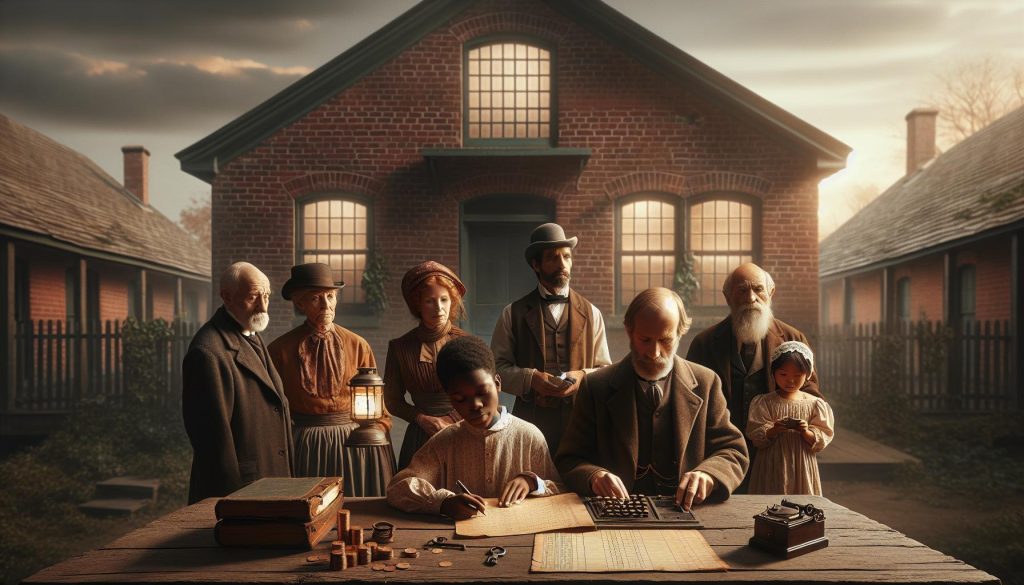
In the not-so-distant past, poor houses were a common safety net for those facing economic hardship, providing shelter and support during times of crisis. Understanding the timeline of when these institutions flourished reveals a lot about societal attitudes towards poverty and welfare. By exploring this history, you can gain insight into how today’s social services evolved and how they impact families seeking help. Knowing when and why poor houses existed helps us appreciate the progress we’ve made and the work still required to ensure dignity for all. Our journey through this timeline not only highlights those struggles but also serves as a reminder of community resilience and the ongoing importance of compassion in addressing financial instability. So let’s delve into the past to better understand our present and future in supporting those in need.
The Rise of Poor Houses: Historical Context and Overview
In the growing urban environments of the 16th and 17th centuries, poor houses emerged as a response to the increasing population of the destitute. Initially set up to combat the challenges posed by poverty, these institutions were designed to offer shelter, sustenance, and care to those in dire need. Notably, the rise of the poor house marked a significant societal shift, transitioning from a predominantly charitable approach to a more organized, state-sponsored system of welfare.
By the 19th century, particularly in England and the United States, poor houses became more institutionalized through legislation such as the English Poor Law Amendment of 1834. This act established a hierarchy of care that emphasized workhouses where the impoverished could stay in exchange for labor. The intention was to deter voluntary reliance on public assistance by creating a system that deemed assistance as a last resort. However, the reality was often grim, with poor conditions prevailing in many facilities.
Despite historical criticisms surrounding their treatment of inhabitants, poor houses represented a notable evolution in societal attitudes toward poverty and welfare. They provided an essential framework that laid the groundwork for modern social welfare systems. Understanding this historical context is critical in recognizing how perceptions of poverty and support systems have transformed into their current forms.
As we reflect on this era, it is evident that the legacy of poor houses serves as both a cautionary tale regarding the mistreatment of vulnerable populations and a catalyst for the development of more humane social services. This history underscores the continuous need for compassion, advocacy, and improvement in welfare approaches today.
Key Features of Poor Houses: What Were They Like?
Though poor houses were intended to provide relief, their environments often conveyed the grim realities of poverty. Many were stark, institutionalized spaces designed to accommodate large numbers of people, typically lacking warmth and personalization. In many cases, the architecture portrayed a sense of confinement rather than comfort, with plain walls and cramped quarters that highlighted the utilitarian nature of these facilities.
Residents of poor houses faced strict rules and routines that governed their daily lives. Typically, they were required to adhere to a schedule that included mandatory labor, often in exchange for food and shelter. This labor could range from agricultural work to basic household tasks, providing little opportunity for personal growth or creativity. The tone of these institutions was often punitive; inhabitants were subjected to a range of regulations intended to reinforce the stigma associated with seeking assistance.
Living conditions varied widely, from overcrowded dormitories to individual rooms, depending on the specific facility and its resources. While some poor houses attempted to accommodate families, others separated individuals by gender or age, further isolating residents. Meals were usually monotonous, emphasizing sustenance over nourishment, which reflected the broader societal attitude toward the poor-often seen as deserving only the bare minimum.
It’s important to recognize that despite their austere conditions, poor houses were sometimes lifelines for individuals and families in desperate situations. For many, the support they provided represented a critical safety net, preventing total destitution in an increasingly industrial and urbanized world. As we reflect on the key characteristics of these institutions, it is essential to appreciate the complex interplay between societal response to poverty and the lived experiences of those who sought refuge within their walls. Understanding these nuances can empower us to advocate for more compassionate and effective welfare systems today.
Timeline of Poor Houses: Major Changes Over the Centuries
The evolution of poor houses is a fascinating reflection of societal attitudes towards poverty and welfare throughout the centuries. These institutions, also known as workhouses or almshouses, emerged as a response to growing concerns about the welfare of the impoverished, particularly from the late Middle Ages. The establishment of the first workhouses in England during the 16th century marked a significant turning point in how societies began to address the needs of their most vulnerable citizens.
The 16th to 18th Centuries: Establishment and Expansion
In the early 1500s, the initial workhouses were primarily established through local parish efforts, aiming to provide shelter and employment to the needy. The Poor Law Act of 1601 played a crucial role by mandating local authorities to care for the poor. These facilities became more formalized over time, evolving into larger institutions designed to house people who were unemployed or unable to care for themselves. The environment was often harsh, emphasizing work as a means of support, leading to a stigma around residing in these establishments.
19th Century: Reform and Regulation
The Industrial Revolution (circa 1760-1840) drastically changed the landscape of poor houses, as urban migration led to increased poverty. By the mid-19th century, significant reform movements highlighted the inadequacies of existing systems. The Poor Law Amendment Act of 1834 sought to make poor relief more efficient and less attractive than work. This legislation led to the establishment of “bastilles” or punitive workhouses, where conditions were deliberately unpleasant to discourage those seeking aid. Overcrowding and strict discipline became the norm, driving home the perception of failure associated with poverty.
20th Century: Decline and Transformation
As the 20th century progressed, the harsh realities of poor houses led to increasing public outcry and gradual decline. The establishment of social welfare programs following the Great Depression and the post-World War II era redefined how societies approached poverty. Policies shifted from institutional care to community support and social security, reflecting a growing recognition of the need for dignity and respect for individuals facing financial hardships. The last poor houses in the United States closed in the 1960s, marking the end of an era rooted in punitive measures and stigmatization.
Lessons for the Future
The timeline of poor houses reveals not only the evolution of institutional care but also the shifting perspectives on social responsibility and support. Understanding these historical changes can provide valuable insights into current social welfare systems, emphasizing the importance of compassion, dignity, and the need for policies that empower individuals rather than stigmatize them. As we build a more inclusive society, we can draw from the lessons of the past to create a supportive safety net that promotes resilience and enables people to lead fulfilling lives, regardless of their financial status.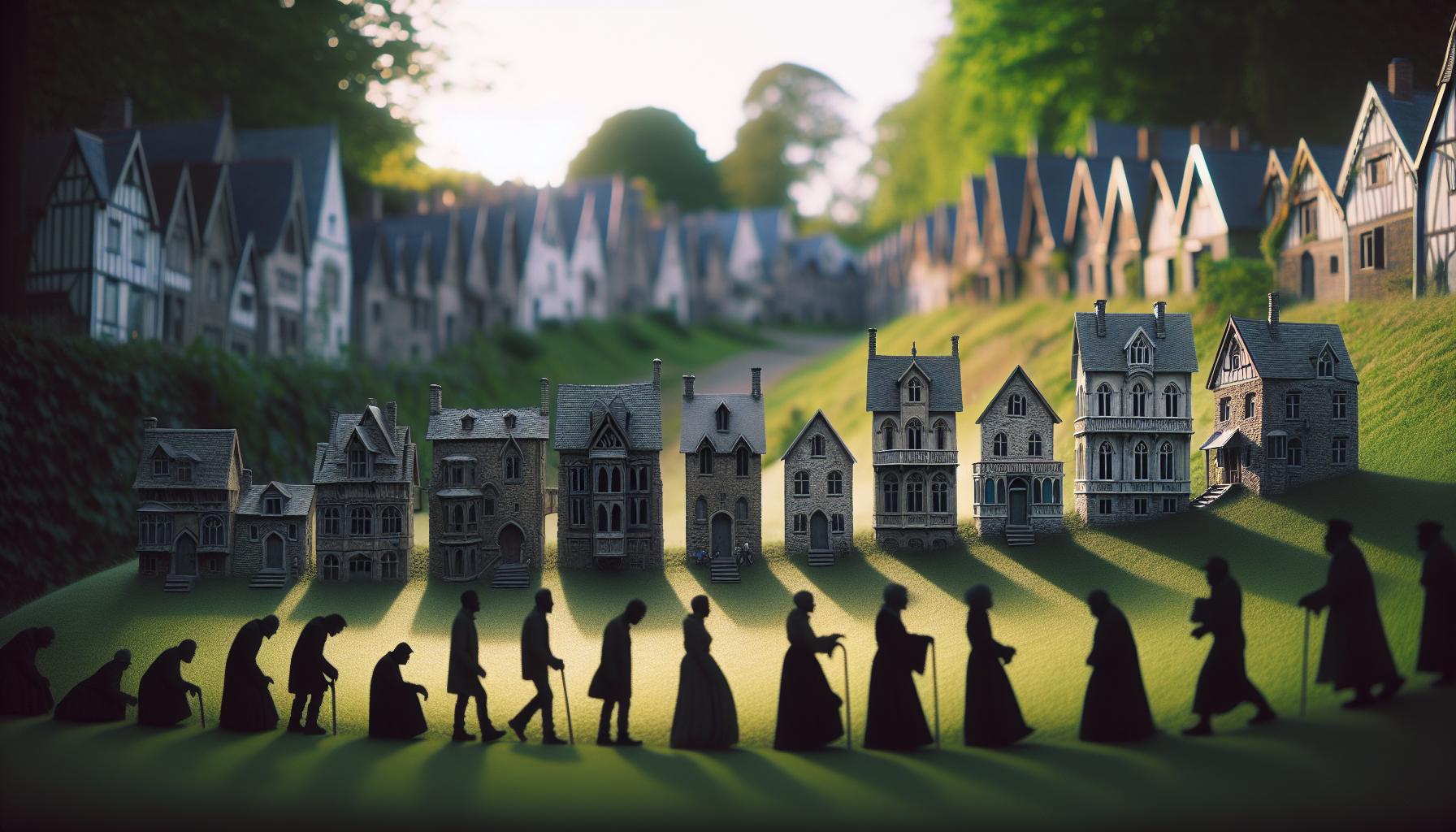
Impact of the Industrial Revolution on Poor Houses
The Industrial Revolution, which took root in the late 18th century, transformed many aspects of society, bringing profound changes to poor houses and the lives of the impoverished. As people flocked to urban centers in search of work, overcrowding became rampant, escalating the demand for assistance. Poor houses, established primarily to provide relief for the unemployed, soon became overwhelmed with individuals seeking shelter and sustenance. The rapid industrial growth exacerbated social problems, resulting in heightened visibility of poverty and the inadequacy of existing support systems.
The advancements during this period significantly impacted the functioning of poor houses. Notably, the introduction of the Poor Law Amendment Act of 1834 aimed to reform aid distribution, attempting to make it less appealing to those in need. It institutionalized a more punitive approach, where individuals were discouraged from seeking help by facing harsh and unsanitary conditions within workhouses, often likened to “bastilles.” These environments were purposefully unwelcoming, reflecting a deep societal stigma that equated poverty with moral failure. The design of these facilities was strictly utilitarian, focusing on work as a means to restrain the poor, rather than offering genuine support or rehabilitation.
As harsh realities set in, public awareness increased, giving rise to reform movements that advocated for better treatment of the poor. Social reformers began to recognize the detrimental effects of the industrial environment, including its role in perpetuating cycles of poverty. This push for change eventually led to the establishment of more compassionate social welfare measures in the 20th century. Understanding this evolution highlights the importance of examining how historical structures-like poor houses-inform contemporary social services and welfare systems.
In today’s context, the legacy of poor houses serves as a reminder of the need for empathy and respect in addressing poverty. By learning from past injustices, modern society can cultivate support systems that foster dignity, resilience, and opportunities for personal growth, ultimately empowering individuals to break free from the cycles of hardship.
Alternatives to Poor Houses: Relief Efforts and Charities
In the face of the grim realities presented by poor houses, communities began to explore alternatives that prioritized human dignity and effective support. These alternatives emerged from a growing recognition that the punitive nature of poor houses failed to address the root causes of poverty and often exacerbated individual struggles. As society evolved, various relief efforts and charitable organizations stepped up to fill the gaps left by these institutions, establishing frameworks that better responded to the needs of the impoverished.
Relief efforts during this time included the establishment of local charities and voluntary organizations aimed at providing direct support to those in need. These groups focused on essential services such as food distribution, medical care, and housing assistance, often mobilizing community members to participate in philanthropic endeavors. For instance, the formation of organizations like the Salvation Army in the late 19th century sought not just to offer material support, but to provide spiritual guidance and rehabilitation as well. Such organizations emphasized volunteerism and fostered a sense of community, allowing those involved to contribute to the welfare of their neighbors while also reinforcing social ties.
Charity was not confined to organized groups; grassroots initiatives also flourished, with individuals taking it upon themselves to provide meals, clothing, and temporary shelter. The concept of mutual aid gained traction, where people would come together to support one another without necessarily waiting for government assistance or formalized charity systems. This form of community solidarity proved vital during economic downturns, as it demonstrated the power of collective action in overcoming hardships.
As we analyze these alternatives, it’s essential to highlight how they laid the groundwork for modern social services. Today’s welfare programs often draw upon these early charitable practices, promoting not just assistance, but empowerment and inclusivity. They serve as a reminder that compassion and support can take many forms, encouraging individuals to explore multiple avenues of aid while also considering their capacity to give back. The evolution from poor houses to community-based relief demonstrates a shift towards recognizing the humanity of those in need, fostering a more supportive and resilient society.
Regional Variations: Differences Across Countries
Throughout history, poor houses-often grim institutions designed to manage poverty-exhibited notable differences across countries, shaped by various cultural, economic, and political contexts. In the 19th century, for instance, England’s poor laws mandated local parishes to care for the needy, leading to the establishment of workhouses that ultimately became infamous for their harsh conditions. In contrast, Scandinavian countries adopted a more progressive approach, emphasizing social welfare and aiming to integrate the poor into society rather than segregate them. This resulted in systems that provided robust safety nets, including universal healthcare and education.
In the United States, the treatment of the poor varied greatly from state to state. Some regions implemented almshouses that offered more humane living conditions compared to the brutal workhouses of Europe. Meanwhile, others perpetuated cycles of poverty through punitive measures that emphasized punishment rather than support. The presence of reformist movements in the late 19th and early 20th centuries, focusing on enlightenment and social justice, began to change this narrative as public attitudes towards poverty shifted, eventually paving the way for modern welfare programs.
Moreover, countries in the Global South developed their strategies based on the unique challenges they faced, such as high urban migration and limited resources. In many instances, informal systems of support emerged, with community-based initiatives rather than government-run institutions leading the charge. These grassroots efforts demonstrated resilience and creativity, as communities pooled resources to provide food, shelter, and support for their most vulnerable members.
Understanding these regional variations offers vital insight into the complexity of poverty and social assistance. The strategies employed in different contexts reveal not just historical neglect but also highlight the potential for compassionate responses to economic hardship. By learning from these past experiences, contemporary society can cultivate more inclusive and effective social welfare systems that reflect the needs and dignity of all individuals.
The Decline of Poor Houses: Policies and Legislation
The slow decline of poor houses and workhouses over the 19th and 20th centuries can be attributed to significant shifts in public policy and societal attitudes towards poverty and welfare. As awareness grew of the inhumane conditions often prevailing in these institutions, reform movements gained momentum, calling for a more compassionate and equitable approach to social support. This paradigm shift coincided with the rise of Progressive Era ideals in the United States and similar movements in Europe, emphasizing the importance of social justice, civil rights, and community wellbeing.
One critical policy change was the introduction of the Poor Law Amendment Act of 1834 in England, which aimed to discourage dependency on public assistance by making conditions within workhouses more austere. Over time, however, the brutal reality of these institutions evident in accounts from former inmates led to growing public outcry and a re-evaluation of how society treats its most vulnerable. In the United States, the establishment of the Social Security Act in 1935 marked a pivotal transformation in welfare policy, providing a safety net for the elderly, unemployed, and impoverished. This new framework emphasized support rather than punishment, relocating the focus from poor houses to more humane solutions, such as direct cash assistance and unemployment benefits.
Legislative initiatives were essential for subtly shifting the narrative around poverty. Government programs began to prioritize inclusivity and community support, promoting initiatives that allowed individuals to maintain their dignity and autonomy rather than confining them within institutional walls. For example, the introduction of community-based programs and charitable organizations enabled more personalized and flexible approaches to aid, fostering a spirit of volunteerism and community organization.
Moreover, by the mid-20th century, the rise of modern welfare states in various countries, particularly in Europe, further diminished the necessity for poor houses. These states recognized the importance of systemic change, focusing on broader economic policies that provided affordable housing, healthcare, and education, effectively addressing the root causes of poverty. Today, as societies explore innovative models for social support, lessons from the decline of poor houses serve as a powerful reminder of the need for empathy, community-driven solutions, and ongoing advocacy for social change. By fostering an environment that values both compassion and responsibility, individuals and families can build resilience and achieve greater financial stability, turning historical injustices into a catalyst for progress.
Legacy of Poor Houses: Lessons for Modern Social Welfare
The legacy of poor houses serves as a stark reminder of the consequences of societal neglect and the transformative power of empathy in modern social welfare. As we reflect on the harsh realities faced by the individuals confined within these institutions, it’s essential to draw lessons that resonate with our ongoing struggle to ensure adequate support for vulnerable populations. History teaches us that effective social welfare policies must prioritize dignity, inclusivity, and respect for human rights.
To create a sustainable and supportive framework for those in need, we can implement several actionable strategies inspired by past mistakes:
- Community-Centric Approaches: Direct outreach and community engagement can foster connections that better address the unique needs of individuals. Programs such as local food pantries or housing initiatives often empower communities by encouraging grassroots involvement, giving them a stake in the wellbeing of all residents.
- Holistic Support Systems: Modern welfare should integrate services like mental health support, job training, and child care, addressing the multifaceted nature of poverty. By recognizing that many challenges intersect, we can provide comprehensive care that uplifts entire families.
- Advocacy for Policy Change: Just as reformers campaigned against the brutal conditions of poor houses, today’s citizens must push for policies that promote economic justice. Grassroots movements that advocate for affordable housing, healthcare access, and living wages are crucial in shifting governmental priorities toward compassion and equity.
- Education and Awareness: Understanding the history of poor houses can foster a greater awareness of contemporary issues related to poverty and homelessness. Campaigns that educate the public can dismantle stigma, encouraging more generous support and active participation in social welfare initiatives.
By drawing from the lessons of the past, we can cultivate a new narrative around social welfare that emphasizes prevention over punishment, support over rejection, and community care over isolation. Investing in sustainable solutions today not only honors the memory of those who suffered in poor houses but also proves that together we can build a society that truly respects and uplifts everyone, regardless of their current circumstances.
Comparative Analysis: Poor Houses and Today’s Social Services
The harsh conditions of poor houses serve as a stark reminder of the inadequacies of social support systems of the past, reflecting a time when societal safety nets were inadequate or cruelly punitive. Today’s social services embody a progressive approach, aiming to empower individuals rather than merely subsist in survival mode. Unlike the segregated environments of poor houses, modern programs focus on rehabilitation and integration into society, emphasizing both dignity and respect for all individuals facing hardship.
Contemporary social services, such as food assistance programs, housing support, and mental health care, are designed to address a variety of needs holistically. For instance, rather than confining individuals to a single facility, these services offer community-based solutions that allow families to remain together and live in settings of their choice. This shift not only tackles the immediate economic crises faced by families but also fosters their long-term well-being and resilience. Many organizations today actively involve stakeholders within the community to cater to local needs, drawing on the understanding that effective support comes from those who truly know the context of those they aim to serve.
Moreover, the evolution from poor houses to modern welfare reflects a growing recognition of social justice. Advocacy for economic equity now permeates discussions around social support; initiatives push for affordable housing, fair wage policies, and universal healthcare access. This societal shift prioritizes preventative measures and aims to create an environment where people are empowered to thrive. Grassroots movements today echo the sentiments of past reformers, demonstrating that collective action can bring about meaningful change.
Understanding these dynamics can inspire individuals and families to navigate today’s support systems effectively. Engaging with local charities or advocacy groups not only helps secure immediate aid but also builds community ties that enhance individual and collective resilience. This contemporary model illustrates that while the past holds lessons of neglect, it also offers hope for a more empathetic approach to social welfare, where each person’s right to dignity and support is recognized and upheld.
Personal Accounts: Life in a Poor House
Despite the grim reputation of poor houses, many personal accounts reveal a complex tapestry of experiences that encapsulate both hardship and unexpected resilience. Individuals and families found themselves entering these institutions as a last resort, often facing immense stigma and the harsh realities of institutional life. However, within these walls, stories of strength, community, and hope emerged, highlighting the human spirit’s drive to persevere even under oppressive circumstances.
People who lived in poor houses often spoke about the stark dichotomy of their existence: the loss of autonomy juxtaposed with the formation of new bonds. Many learned to rely on each other for emotional support and camaraderie, creating makeshift families in an environment that stripped them of their traditional family units. Shared hardships fostered a sense of solidarity, as individuals worked together to navigate the daily struggles of institutional life. It was not uncommon for residents to develop small routines that brought a semblance of normalcy, such as communal meals or storytelling sessions, which provided a brief respite from their grim realities.
In the midst of harsh conditions, personal accounts often reflect moments of creativity and resourcefulness. For instance, some residents utilized their skills-forging, sewing, or cooking-to trade within the confines of the poor house or even outside, finding ways to express their identities and maintain a sense of agency. These small acts of defiance allowed individuals to reclaim their humanity and facilitated connections with the world beyond the institution’s walls.
Moreover, while many entered poor houses in dire circumstances, their narratives frequently include reflections on personal growth and the pursuit of better futures. Some residents used their time to learn new skills or educate themselves, driven by the hope of escaping their situation and building a more sustainable life. These accounts remind us that even in the bleakest environments, the spark of aspiration and the quest for dignity can ignite transformative journeys toward recovery and empowerment. Such stories serve as powerful testimonies of resilience that resonate even today, illustrating the timeless struggle for human dignity and the enduring power of community and hope.
Future of Social Support: Insights from History
The evolution of social support systems over the centuries offers valuable lessons that can inform modern approaches to community welfare. Poor houses once served as the primary safety net for society’s most vulnerable, but their legacy prompts us to rethink how we can provide better and more compassionate support today. An understanding of historical methods can inspire innovative solutions that blend empathy with practicality.
Effective social support should focus on creating inclusive and sustainable systems that address the root causes of poverty rather than merely managing symptoms. For instance, historical poor houses often operated under stigmatizing conditions that alienated their residents. In contrast, today’s social programs can leverage community-based models that promote dignity and self-sufficiency. For example, social enterprises and cooperatives enable individuals to contribute actively while receiving support, fostering a sense of belonging and purpose.
Moreover, the resilience demonstrated by individuals in poor houses is fundamentally linked to community bonds. Modern social support can harness this lesson by encouraging community engagement and mutual aid networks. Programs that involve local residents in decision-making processes tend to build trust and foster a collaborative spirit, crucial for sustainable development. Initiatives like community gardens or skill-sharing workshops not only provide material support but also strengthen social ties, creating a more robust safety net.
Incorporating these insights can lead to a kinder approach to social services that respects individual dignity and promotes agency. As society forges ahead, learning from the past and crafting structures that are responsive to the evolving needs of communities will be essential for creating a future where everyone has access to the support they need to thrive. Building financial literacy, encouraging entrepreneurship, and fostering creative problem-solving can empower individuals, paving the way for a more equitable society.
Faq
Q: What were the main reasons for the establishment of poor houses?
A: Poor houses were established primarily to provide shelter and support for the impoverished, driven by rising poverty levels due to industrialization, urbanization, and economic disparity. These institutions aimed to manage social issues and assist those unable to support themselves, as discussed in “The Rise of Poor Houses: Historical Context and Overview.”
Q: How did attitudes towards poor houses change over time?
A: Attitudes towards poor houses shifted from viewing them as necessary social support systems to seeing them as places of shame and neglect. This change was influenced by the rise of social reform movements and changing welfare perspectives, which are explored in “The Decline of Poor Houses: Policies and Legislation.”
Q: What were the living conditions like in poor houses?
A: Living conditions in poor houses varied but generally included overcrowding, limited resources, and strict discipline. Residents often faced harsh rules and little privacy, a topic outlined in “Key Features of Poor Houses: What Were They Like?”
Q: How did the Industrial Revolution impact poor houses?
A: The Industrial Revolution significantly increased urban poverty, leading to a greater demand for poor houses. This period saw the expansion of these institutions to accommodate the growing number of destitute individuals, detailed in “Impact of the Industrial Revolution on Poor Houses.”
Q: Were there alternatives to poor houses during their prominence?
A: Yes, alternative relief efforts included charitable organizations and local community initiatives that provided food, clothing, and monetary aid without the confines of poor houses. These options reflect the content in “Alternatives to Poor Houses: Relief Efforts and Charities.”
Q: How did poor houses differ across various countries?
A: Poor houses varied significantly by region, influenced by local laws, cultural attitudes, and economic conditions. For instance, Britain’s workhouses differed from the almshouses commonly seen in Europe, a topic covered in “Regional Variations: Differences Across Countries.”
Q: What lessons can modern social services learn from the legacy of poor houses?
A: Modern social services can learn the importance of compassion and dignity in welfare support, as well as the need for comprehensive systems that address poverty effectively without stigmatization, outlined in “Legacy of Poor Houses: Lessons for Modern Social Welfare.”
Q: What led to the decline of poor houses?
A: The decline of poor houses was brought about by changing social attitudes, legislative reforms, and the development of more humane welfare policies, reflecting the shift towards a more rights-based approach to social support discussed in “The Decline of Poor Houses: Policies and Legislation.”
In Conclusion
Understanding the evolution of poor houses and their impact on society is crucial for grasping the broader historical context of social welfare systems. We’ve explored how these institutions shaped, and were shaped by, changing economic and societal values over time. If you’re keen to dive deeper, check out our articles on “The Evolution of Social Safety Nets” and “Historical Perspectives on Poverty” for further insights.
Before you go, don’t miss the chance to subscribe to our newsletter for the latest updates and resources on financial literacy and budget-friendly living. By exploring our site, you’ll discover valuable tools for navigating financial challenges and achieving your goals-whether it’s homeownership or smart budgeting strategies. Join the conversation by leaving your thoughts in the comments below, and remember, every little step you take today can lead towards a more secure and fulfilling life tomorrow!