Did you know that in ancient Rome, housing conditions could reflect stark class divides? While the elite lived in luxurious villas, the poor resided in cramped and often unsanitary structures known as insulae. Understanding these ancient housing terms not only sheds light on the daily lives of the less fortunate but also reveals the adaptability and resilience of people living under financial constraints. By exploring the characteristics of these humble abodes, we can draw parallels to our own experiences of navigating different living situations today. Whether examining historical ingenuity or contemplating modern housing challenges, this topic encourages a deeper appreciation for how environments shape our lives. Join us as we delve into what these poor Roman houses were called and the valuable lessons they impart about community, resilience, and resourcefulness.
What Were the Common Types of Poor Roman Houses?
In ancient Rome, the living conditions for the lower classes were far from luxurious, often confined to structures that reflected their economic status. The two primary types of housing for the poorer citizens were the insulae and basic forms of domus. These dwellings were designed out of necessity rather than comfort and often exemplified the stark differences in social classes.
Insulae, or apartment buildings, were typically several stories high and could house numerous families in cramped quarters. The lower levels of these buildings were most often rented by wealthier families, as they were more desirable due to accessibility, while the upper floors were occupied by the poorer residents who faced the challenges of stairs and less stable living conditions. Living in insulae meant sharing facilities, such as kitchens and latrines, which often led to overcrowding and sanitation issues. Daily life in these confined spaces was a struggle, frequently marked by noise and a lack of privacy.
On the other hand, the domus, although primarily associated with the wealthier classes, also had rudimentary forms that poorer citizens might inhabit. A basic domus typically consisted of a single-room layout that functioned as a multipurpose living area. These houses often lacked essential amenities and sufficient light, as windows were minimal, and many families relied on modest furniture and limited resources to make their homes functional.
In both insulae and simpler domus, the construction materials were improvised based on availability and budget. Commonly used materials included mud bricks and timber, which were readily accessible but offered little in terms of durability or comfort. The infrastructure quality varied drastically, influencing not only the living conditions but also the health and well-being of the residents.
Despite the hardships, life in these poor Roman houses was filled with resilience and community spirit. People found ways to support one another, sharing meals and resources, which fostered a sense of solidarity amidst the challenges of urban life. Understanding these living conditions provides a unique glimpse into the realities faced by the working class in ancient Rome, illustrating their resourcefulness and the stark contrasts presented within a society marked by wealth and poverty.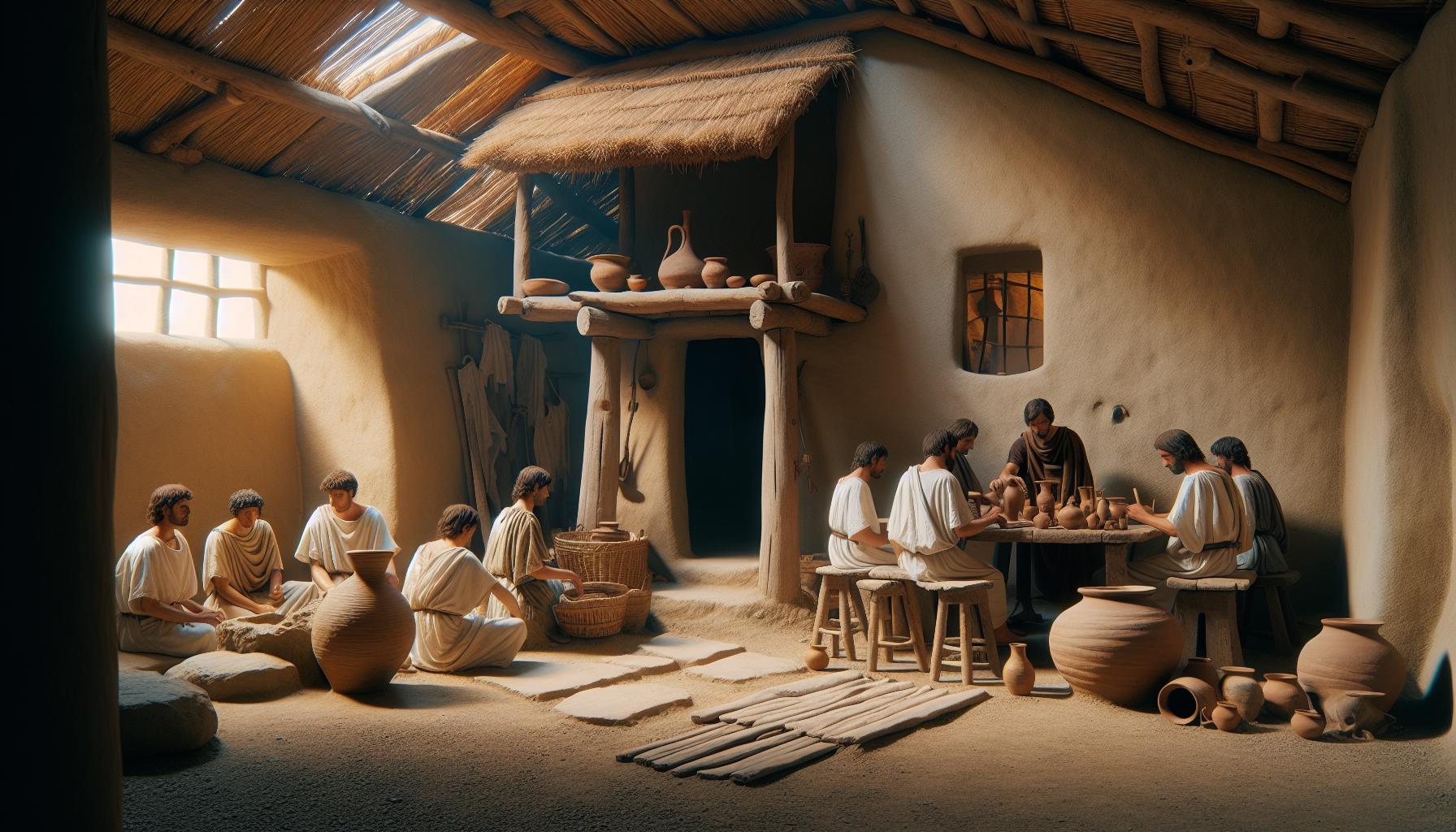
Understanding the Insula: The Roman Apartment Buildings
The insulae of ancient Rome, analogous to modern apartment buildings, were a striking example of urban living shaped by necessity. These multi-story dwellings emerged as solutions to dense population pressures, providing shelter to the lower-middle and lower classes in a bustling city where space was at a premium. Constructed mainly from brick and wood, insulae were typically several stories high, with the lowest levels often rented by wealthier occupants who preferred accessibility. The upper floors, which featured less desirable living conditions, housed poorer families facing the daily challenge of climbing flights of stairs, often in the absence of reliable provisions for safety.
Living conditions in insulae were marked by shared amenities such as kitchens and latrines. This communal approach to facilities was a necessity in order to maximize the number of tenants and minimize costs, yet it often led to overcrowding and significant sanitary challenges. The lack of privacy was common, with families living in rooms that served multiple functions, such as sleeping, cooking, and eating-all within a confined space. This arrangement could foster a strong sense of community among residents, as they relied on one another to navigate the trials of daily life in such cramped quarters.
Moreover, the design of the insulae highlighted stark contrasts between the social classes of Rome. Wealthier families enjoyed larger, more comfortable spaces, while the poor found themselves in stifling, less stable environments. Despite these hardships, the spirit of resilience shone bright. Families would often improvise solutions to their financial constraints, utilizing creativity and cooperation to improve their living situations. Whether it was through handmade furnishings or community-organized meals, the inhabitants leveraged their collective resources to build a life filled with hope and collaboration, demonstrating the enduring human spirit amidst economic adversity.
In understanding the insulae, one can appreciate not just the architecture of ancient Rome but also the social dynamics that shaped community living. It serves as a reminder that even within the simplest constructions, values of cooperation, resourcefulness, and resilience thrive, inspiring modern reflections on communal living and the pursuit of affordability without sacrificing quality of life.
Exploring the Characteristics of a Domus
The domus, often regarded as the epitome of Roman residential architecture, offers a fascinating glimpse into the lives of wealthier citizens in ancient Rome. Characterized by its spacious layout and thoughtful design, a typical domus featured a variety of rooms dedicated to different functions, reflecting both the social customs and economic wealth of its inhabitants. At the heart of the domus was the atrium, an open central space that typically served as a reception area and facilitated natural light and ventilation. This area often showcased impressive decorative elements such as mosaics and fountains, embodying the status of the family residing within.
Design and Layout of the Domus
The layout of a domus was intentional and strategic, designed to enhance both privacy and functionality. Surrounding the atrium, families would find a series of rooms dedicated to sleeping, cooking, and entertaining. The cubiculum served as private sleeping quarters, often adorned with murals or artworks that depicted the family’s wealth and tastes. The kitchen, or culina, was typically at the back of the house, a design choice that helped minimize nuisances associated with cooking odors and smoke reaching the more public areas.
Moreover, the presence of a garden or hortus was common, providing a space for relaxation and reflection, alongside vegetable and herbal plants for daily use. These outdoor areas not only beautified the property but also contributed to self-sufficiency, essential in times of economic strife.
Social Function and Family Dynamics
The domus was more than just a shelter; it was a social hub where families hosted gatherings, business discussions, and community events. This emphasis on social interaction is a testament to the importance of familial and communal relationships in Roman society. Wealthy families often used their homes to display their status, welcoming guests into opulent surroundings, sometimes serving lavish meals prepared by hired staff.
In practical terms, the design and construction of a domus highlighted the importance of economic stability and community ties. While the domus represented a comfortable lifestyle for the upper classes, it also provided valuable lessons in resourcefulness for those aspiring to improve their living conditions. Families could learn to maximize space creatively, from using multi-functional rooms to designing inviting outdoor areas, which can inspire modern living solutions for those of varying economic backgrounds.
In navigating the complexities of financial stability today, individuals can draw inspiration from the resilience inherent in the design and use of the domus. Emphasizing creativity and resourcefulness within both personal and communal spaces can foster a sense of belonging and purpose, regardless of circumstances. Whether through leveraging shared resources in today’s co-housing movements or cultivating personal spaces that enrich daily life, the principles that guided the domus can serve as a model for crafting meaningful, fulfilling lives today.
Key Differences Between Insulae and Domus
When comparing the insulae and domus of ancient Rome, the dissimilarities in living conditions, structure, and social status become evident. Insulae, or apartment buildings, were primarily constructed for the lower classes, while the domus catered to wealthier citizens. This distinction reveals not only the architectural contrasts but also the various social dynamics at play in ancient Rome.
Structural Differences
Insulae typically featured a multi-story design, with numerous small apartments stacked vertically to accommodate as many residents as possible. The construction often used cheaper materials such as brick or concrete, leading to less durable and less aesthetically pleasing buildings. Conversely, a domus was a single-story house, built with higher-quality materials like stone and marble, showcasing intricate designs and dedicated spaces for various family activities. The layout of a domus emphasized privacy and comfort, featuring rooms like the atrium and private gardens, which were absent in insulae.
Living Conditions
Residents of insulae often faced cramped quarters and shared facilities, reflecting the economic hardships of the lower class. Utilities such as water and communal latrines were limited, elevating the risk of unsanitary conditions. In contrast, individuals living in a domus enjoyed more spacious living quarters, personal amenities, and a greater degree of privacy. This division in housing quality highlights how one’s socio-economic status directly impacted the daily experiences and quality of life in ancient Rome.
Social Implications
The distinction between these two types of housing also speaks to the broader social hierarchy of the time. Insulae were often viewed as overcrowded and undesirable, leading to social stigma around their inhabitants. Domus residents, however, could showcase their wealth through architectural grandeur and beautiful interior designs, elevating their social standing. This disparity laid the groundwork for class divisions that continue to resonate in modern discussions of housing and socio-economic inequality.
By understanding these differences, we gain insight not only into the physical aspects of Roman housing but also into the values and structures of Roman society. Whether examining ancient Rome or today’s housing crisis, the need for affordable, quality housing remains a universal concern that encourages dialogue around social equity and community well-being. Ultimately, fostering a sense of belonging and security is essential, regardless of one’s economic background.
Materials Used in the Construction of Poor Roman Houses
Poor Roman houses, primarily found within the insulae, were constructed using materials that were both affordable and readily available, reflecting the socio-economic status of their inhabitants. The use of these simpler materials not only signified economic necessity but also the architectural ingenuity of the time. One common material was brick, which was often made from clay and fired in kilns, making it a durable yet cost-effective choice. Many insulae utilized concrete, a revolutionary material that allowed for quicker construction and was particularly suited for the multi-story designs that characterized these crowded living spaces.
Common Construction Materials
The choice of materials was heavily influenced by regional availability and the desire to minimize costs. The most prevalent materials included:
- Brick: Typically fired clay bricks, used for walls and partitions.
- Concrete: Mixture of lime, water, and aggregates, providing structural strength.
- Wood: Frequently used for floors and roofs, but more susceptible to fire and decay.
- Stone: Occasionally found in more permanent structures; high-quality stone was rare and costly.
Using less expensive materials led to practical designs, but these houses often lacked the durability and aesthetics of their wealthier counterparts. For instance, the wooden elements were vulnerable to rot and fire, while the thin walls made it difficult to insulate against the heat of summer or the chill of winter. However, the innovative techniques employed by builders allowed for the formation of functional living spaces even within these constraints.
The Impact of Material Choices on Daily Life
The choice of materials also impacted the daily lives of residents. Insulae often lacked amenities such as running water, leading to shared communal facilities for cooking and bathing. The poverty of their construction meant that these buildings were often overcrowded, with numerous families living in cramped conditions. Yet, the resilience of the inhabitants shone through as they adapted to their circumstances, creating a sense of community and resourcefulness that characterized life in these poor Roman houses.
Understanding the materials used in insulae not only highlights the economic realities of the time but also serves as an inspiration for modern living. In a world where budget constraints are common, the ingenuity of using simple and available materials can remind us of the beauty of creativity in overcoming financial obstacles. Just as ancient Romans adapted their living situations to their means, today’s families can find ways to create fulfilling, supportive homes that reflect their values and priorities, regardless of financial limitations.
The Impact of Social Class on Roman Housing
In ancient Rome, the social class of its citizens profoundly influenced their housing options, shaping the physical landscape of the city and reflecting broader societal structures. While affluent families enjoyed luxurious homes like the domus-a spacious single-family residence adorned with decorative mosaics, gardens, and sophisticated layouts-lower-class citizens resided in the insulae. These apartment buildings were typically characterized by their cramped quarters and rudimentary construction, highlighting the stark disparities in living conditions based on one’s status in society.
Living in insulae was not merely a reflection of economic limitations; it also represented a communal lifestyle shaped by necessity and resilience. Many of these buildings were constructed hastily and featured poor materials, often resulting in unsafe living conditions, including the risk of fire due to the highly flammable wood used in upper floors. Families in insulae frequently shared common facilities such as kitchens and bathrooms, fostering a tight-knit community despite the challenges of overcrowding and inadequate privacy. This communal living environment, while difficult, spurred social bonds among the residents, who navigated their daily struggles together.
The implications of social class extended beyond the physical structures; they influenced social mobility and access to resources as well. Wealthier classes not only had the means to create comfortable homes but also determined the infrastructure of the city, from the cleanliness of their streets to their proximity to public amenities. For those living in insulae, the path to improved living conditions was often fraught with barriers, including limited job opportunities and economic instability. However, many inhabitants adapted creatively, turning their humble spaces into vibrant homes filled with personality, using local resources to beautify their living areas and foster a sense of identity amidst economic hardship.
This historical context offers compelling lessons for modern society regarding the significance of social class on housing and living conditions. Today, as in ancient Rome, individuals and families navigate a range of housing options influenced by their financial capabilities. By learning from the resilience and creativity of those in insulae, we can foster community spirit and innovate solutions to ensure that everyone, regardless of socioeconomic status, finds a safe space to call home while working toward a brighter future.
Daily Life in Insulae: A Window Into the Past
Daily life in insulae vividly illustrates the resilience and adaptability of those who lived within these crowded, often precarious structures. These multi-story apartment buildings typically housed lower-class Roman citizens, where families were crammed into small, shared living spaces. It’s fascinating to note that while insulae offered little in terms of comfort or privacy, they were bustling hubs of daily activity that fostered a unique sense of community among residents.
Inside these buildings, life revolved around shared facilities, such as communal kitchens and bathrooms, which were common due to the limited space and resources available. This necessity led to strong interpersonal bonds as families together navigated the daily realities of overcrowding and shared amenities. Neighbors would likely collaborate to manage household chores, share food, and even host small gatherings, cultivating a tight-knit environment. In such close quarters, residents learned to be resourceful, decorating their humble spaces with modest but meaningful touches that reflected their personalities, despite the socio-economic constraints they faced.
Moreover, daily interactions often extended beyond the confines of individual homes, with children playing in communal spaces and adults engaging in bustling marketplaces nearby. The proximity of work, such as workshops and stalls, to these living quarters not only made it easier for inhabitants to make a living but also contributed to a vibrant street life. Many residents turned to entrepreneurial ventures, capitalizing on their skills and creativity to improve their economic situations.
The lessons learned from the lives of insulae inhabitants resonate even today. They remind us that community support and shared experiences can foster resilience, regardless of financial constraints. Embracing creativity in our living situations, whether through DIY home improvements or communal living arrangements, can enrich our lives and create a stronger sense of belonging. In a world where housing challenges persist, the indomitable spirit found within the walls of insulae serves as a powerful testament to the human capacity for adaptability and togetherness in the face of adversity.
The Role of Location in Roman Housing Quality
The location of Roman housing significantly influenced the quality of life for its inhabitants, especially among those residing in poorer conditions. In ancient Rome, housing was not only a physical shelter but also a reflection of social status, wealth, and accessibility to resources and amenities. The further one lived from the city center, the more affordable the housing tended to be; however, this came with trade-offs in terms of convenience and access to opportunities.
For the lower classes, particularly those living in insulae, proximity to bustling marketplaces and workplaces was critical. Living close to commercial areas meant easier access to jobs and resources, fostering a vibrant community life. Yet, the downside was that these neighborhoods often suffered from overcrowding, noise, and poor sanitation. The lack of privacy and space was a harsh reality for many families, who had to adapt their daily routines to accommodate the cramped living conditions.
Conversely, those who could afford to live in domus-larger, private homes-enjoyed not only more space but also better locations within the city. These homes were often situated in desirable areas, surrounded by gardens and public amenities, enhancing the quality of life for their occupants. The environment surrounding one’s home inherently affected feelings of safety and community engagement. Living in less desirable neighborhoods often meant fewer communal resources and a greater sense of isolation.
Strong community bonds often emerged in poorer areas as residents faced the combined challenges of financial constraints and limited living space. These divergent experiences of housing based on location emphasize the broader socio-economic dynamics at play in ancient Rome. Today’s lessons can inspire modern readers to consider the importance of location in their housing choices and how to leverage community resources to enhance their quality of life.
In contemporary contexts, understanding these dynamics can empower individuals and families to find balance in their living situations while exploring options for affordable housing. Emphasizing community connection-even within budget constraints-can lead to innovative living arrangements that prioritize both financial and emotional well-being.
Roman Housing Terminology: Essential Terms Explained
Understanding the complexities of Roman housing terminology not only sheds light on the living conditions of the poor but also helps us appreciate the societal structures of ancient Rome. Central to the discussions of lower-class housing are terms like insulae and domus. Insulae refers to the multi-story apartment buildings that housed most of the urban poor. These structures could be quite tall and crowded, often containing several small units rented by families. Although they offered proximity to jobs and services, they were notorious for their poor sanitation and unsafe living conditions.
In contrast, a domus was a private home typically owned by wealthier citizens. These single-family residences were constructed around a central courtyard and featured amenities such as gardens and private baths, representing a significant social status difference from the insulae. Understanding these terms highlights the stark disparities in living conditions based on wealth and social class. While those residing in insulae faced overcrowding, the residents of a domus enjoyed more spacious and comfortable living environments.
For those delving deeper into Roman housing types, imagining the daily lives of insula occupants can be eye-opening. Vestibulum, for instance, refers to the entrance area of an insula or domus, which often served as a public space where activities and transactions occurred, reflecting the community’s social dynamics. Recognizing terms like fauces (the corridor leading to the atrium) and atrium (the central hall of a domus) can enrich one’s comprehension of the layout and function of these spaces.
Revisiting these ancient contexts reminds us of the significance of housing terminology in understanding our own living situations today. It inspires us to reflect on the importance of not only the physical structure we inhabit but also the community ties and resources we cultivate within our environments. Like the Roman people, we, too, face challenges along the socioeconomic spectrum, and embracing community connections can lead to innovative housing solutions that enhance our quality of life, regardless of financial constraints. Recognizing the strengths found in resilience and creativity can empower us to thrive.
Preservation and Archaeological Findings of Poor Roman Homes
The remnants of poor Roman houses, particularly insulae, provide critical insights into the living conditions of the ancient urban poor. Archaeological findings reveal a rich tapestry of life, showcasing not only the physical structure of these dwellings but also the resilience and adaptability of their inhabitants. Excavated sites, especially in areas like Pompeii and Ostia, have unearthed an array of artifacts and building remnants that help reconstruct the day-to-day experiences of those who lived in these crowded, multi-story apartment buildings.
Key Discoveries and Their Significance
Among the significant archaeological finds, researchers have cataloged a variety of materials used in the construction of insulae, including brick, timber, and, at times, repurposed materials from larger, wealthier homes. This economic upcycling underscores a theme of necessity and ingenuity within lower-class living conditions. The layout of these buildings often featured small, cramped rooms that were likely shared by multiple families, pointing to the dense population in urban centers. Items such as simple pottery, tools, and food remnants have been uncovered, revealing the dietary habits and daily routines of the residents who relied on nearby markets and shared communal spaces.
Interestingly, the preservation conditions in some sites have shed light on how these communities dealt with challenges, such as limited space and sanitation. For example, the remnants of latrines and early plumbing systems indicate that even the poorest Romans sought some form of communal hygiene, a testament to their social organization amidst adversity. These findings remind us that, despite economic hardships, human beings have always displayed creativity and resilience in nurturing community connections and managing their environments.
The Impact on Understanding Social Dynamics
The archaeological evidence gleaned from these insulae also allows us to explore the broader social dynamics of ancient Rome. The stratification within these buildings can be indicative of class differences even among the poor, where wealthier families might occupy lower floors, enjoying better access to amenities, while those at the top faced increased hazards from fire and collapse. This layered understanding helps us appreciate not only the challenges of living in such cramped quarters but also how these spatial arrangements reflected the social hierarchies of the time.
As we examine these archaeological findings, it becomes clear that they serve a greater purpose beyond mere historical interest. They echo the importance of community and shared experiences, reminding us that the essence of living well-regardless of financial constraints-has always revolved around connection, resourcefulness, and adaptability. Understanding the past provides invaluable lessons for today, encouraging us to cherish our community ties and foster resilience in our own living situations, no matter how modest they may be.
Comparative Analysis: Roman Housing versus Other Ancient Civilizations
In the bustling, diverse tapestry of ancient civilizations, the housing structures of the poor often reveal profound insights into their daily lives and societal organization. When comparing the poor housing of Rome, particularly insulae, to dwellings in other ancient cultures, we find distinct similarities and differences that illuminate the human experience across time and space.
The insulae, which served as the primary residences for the urban poor in Rome, were multi-story apartment buildings offering cramped quarters for families. Contrastingly, ancient Greek housing typically included the oikos, a simple household composed of small rooms organized around a central courtyard, often prioritizing privacy and family activities. While both types of housing emphasized communal living, the insulae’s vertical structure demonstrates Rome’s attempt to maximize space in dense urban environments, reflecting the pressures of population growth and availability of land. This is unlike the spaced-out approach of the Greeks, who placed a heavier emphasis on outdoor life and engaging with their surrounding environment.
In places like ancient Egypt, housing conditions for the lower classes also exhibited notable differences. Egyptians often lived in small mudbrick houses with few resources, relying on local materials and maintaining a straightforward design to house their families. Many of these homes lacked the multi-family arrangements seen in Roman insulae, highlighting a cultural variance in community layouts. Instead, families tended to live in isolation or in broad family units, further distinguishing their social interactions from those typical in Roman urban life, where residents shared facilities and experiences more directly.
When analyzing the fabric of daily life in these different homes, the communal aspects of Roman insulae-shared kitchens, latrines, and sometimes even stores-contrast sharply with the more secluded lifestyles of impoverished Greeks and Egyptians. This interdependence in living arrangements among Romans may have fostered a different type of social dynamic; one where cooperation and shared responsibility were not merely ideologies but everyday necessities.
Overall, examining poor Roman houses in the context of other ancient civilizations shines a light on how environmental, geographical, and social factors shaped housing designs. The adaptability and resilience shown by these communities echo throughout history, emphasizing that regardless of cultural differences, the pursuit of community, relationships, and livability remains a fundamental aspect of human experience. By understanding these variances, we gain valuable perspectives on our modern living, encouraging us to draw from history; perhaps inspiring creativity and resourcefulness in the face of contemporary housing challenges.
The Evolution of Roman Housing Over Time
The transformations in Roman housing over centuries tell a vivid story of social dynamics, economic conditions, and evolving architectural styles. As the Roman Empire expanded and urbanization increased, the housing conditions for the poorer classes reflected both adaptability and the severe socio-economic challenges they faced. Initially, before the emergence of insulae, lower-class Romans largely resided in simple one-room structures known as domus, although these were often more spacious and suited for wealthier households. Over time, as urban populations swelled, particularly in bustling cities like Rome, smaller family units began to be packed into multi-story apartment buildings known as insulae.
Adaptation to Urban Density
Insulae were a direct response to the pressing need for housing in densely populated urban areas. These buildings were typically constructed with cheap materials such as timber and brick, and they often prioritized quantity over quality. Families were often crammed into small, sometimes hazardous living spaces, indicative of a broader trend towards maximizing occupancy to meet demand. Nonetheless, this arrangement fostered a sense of community among residents, who shared common facilities such as kitchens and latrines, reinforcing social bonds amid the challenging living conditions.
Economic Influences on Housing Design
As economic factors shaped the design and availability of housing, the implications for poorer Romans became increasingly apparent. With the rise of the middle class and fluctuating fortunes of the Imperial economy, variations appeared even within the insulae. Better-built structures began to emerge in more affluent neighborhoods, featuring improved amenities and safety standards, while poorer complexes often fell into disrepair. The disparities in living conditions fostered significant social stratification, with wealth often dictating the quality of housing.
From Insulae to Modern Concepts
The evolution of poor Roman housing not only highlights the resilience and adaptability of its occupants but also reflects broader socio-economic trends that persist today. For families looking to create comfortable living spaces within limited budgets, understanding historical adaptability can inspire modern-day solutions. Consider implementing shared living strategies or co-living arrangements, as practiced in ancient Rome, to foster community while optimizing financial resources.
Ultimately, learning from the past can guide contemporary efforts to achieve financial security while prioritizing social connections. As we confront housing affordability issues today, let the example of the insula serve as a reminder that community support and collaboration can lead to innovative solutions, regardless of budget constraints.
FAQ
Q: What were poor Roman houses called?
A: Poor Roman houses were commonly referred to as insulae. These were multi-story apartment buildings that housed the lower and working classes in urban areas, often constructed with basic materials and limited amenities.
Q: How did insulae differ from domus?
A: Insulae were apartment-style dwellings for the lower class, whereas domus were single-family homes usually inhabited by wealthier Romans. Insulae typically had shared facilities, while domus featured private rooms and better construction quality.
Q: What materials were used to build poor Roman houses?
A: Poor Roman houses, particularly insulae, were predominantly made from brick, concrete, and stone, with many constructed hastily and lacking proper ventilation and sanitation compared to the more substantial domus.
Q: Why were insulae often considered unsafe?
A: Insulae were frequently considered unsafe due to poor construction practices, overcrowding, and a lack of fire safety measures. Many buildings were prone to collapse and fires, which made living conditions hazardous for the lower classes.
Q: What was daily life like in insulae?
A: Daily life in insulae was typically cramped and challenging, with families sharing facilities and living in small spaces. Access to light and ventilation was limited, often affecting health and hygiene [8[8].
Q: How did social class impact Roman housing types?
A: Social class heavily influenced the type of housing available; wealthier Romans lived in spacious and well-appointed domus, while poorer citizens were relegated to unattractive and overcrowded insulae with minimal comforts [6[6].
Q: Were there any notable features in poor Roman houses?
A: Notable features of poor Roman houses included small rooms, shared bathrooms, and sometimes a lack of basic kitchen facilities. These houses were often poorly lit and ventilated, highlighting the disparities in living conditions between social classes.
Q: What role did location play in the quality of Roman housing?
A: Location significantly influenced housing quality, with insulae often found in less desirable urban areas, reflecting the socio-economic status of their inhabitants. Wealthier families tended to live in more favorable neighborhoods, closer to amenities and resources [4[4].
To Wrap It Up
Understanding the diverse housing structures of Ancient Rome, particularly the humble dwellings of the lower classes, reveals fascinating insights into their daily lives and social dynamics. These houses, often referred to as insulae, highlight the resilience of people living under economic constraints. As you explore this topic, consider delving deeper into related subjects like the opulent domus of the wealthy or the evolution of Roman architecture to enrich your knowledge further.
Don’t miss out on our comprehensive guides about other aspects of ancient life-check out our articles on “Preserved Roman Villas” and “The Architecture of Ancient Rome.” Join our community by subscribing to our newsletter for regular updates, or leave a comment below sharing your thoughts or questions. Your engagement helps us create even more insightful content, so let’s keep the conversation going!