In a world where economic challenges continue to rise, understanding the concept of a “poor house” holds valuable lessons for today’s society. Historically, poor houses served as safety nets for families struggling to make ends meet, offering shelter and support during times of hardship. This exploration delves into how these institutions functioned and highlights the importance of communal responsibility and mutual aid in addressing poverty. As we navigate our own financial struggles, reflecting on these historical precedents can empower us to create sustainable solutions for ourselves and our communities. Join us as we uncover the insights and inspirations from the past that can help you foster resilience and financial security in today’s economy.
What Defines a Poor House in History?
Throughout history, the concept of a poor house, or almshouse, has been rooted in societal attempts to provide care for those unable to support themselves. In an era where welfare systems were either limited or non-existent, these institutions emerged as essential shelters aimed at offering basic necessities such as food, shelter, and sometimes employment. A defining characteristic of poor houses was their function as a safety net for the most vulnerable citizens-children, the elderly, the sick, and the unemployed-reflecting the community’s moral obligation to care for its less fortunate members.
Poor houses varied significantly in design and philosophy across different periods and locations. Initially, they were often harsh environments, emphasizing reform through strict discipline and hard work rather than compassionate care. Notably, during the 19th century, the Poor Law Amendment Act in England restructured the way assistance was provided, leading to the establishment of workhouses that often resembled prisons. In contrast, some regions embraced a more humane approach, striving to create environments that emphasized dignity and community life. These contrasting philosophies provide valuable lessons on how societal attitudes toward poverty and care have evolved over time, ultimately influencing contemporary social welfare practices.
As we reflect on the legacy of poor houses, it’s crucial to recognize not only their role in historical social structures but also the enduring lessons they impart. Today’s social safety nets, while far more comprehensive than their historical counterparts, still carry echoes of these early institutions. Examining the challenges and triumphs of poor houses can inspire current efforts to create inclusive, supportive environments that foster both dignity and self-sufficiency for those facing economic hardship in our modern society.
The Evolution of Poor Houses in Society
In the tapestry of social assistance, the evolution of poor houses reveals a profound journey marked by changing societal attitudes towards poverty and care. These institutions, emerging primarily in the 16th and 17th centuries, began as ad-hoc responses to the needs of the impoverished, serving as a rudimentary safety net for those facing economic hardships. Initially unstructured, these poor houses gradually transformed into organized facilities that aimed to provide not just shelter but a semblance of dignity and community support to their inhabitants.
As time progressed, particularly during the Industrial Revolution, the focus shifted. Poor houses began to reflect a society grappling with rapid urbanization and the consequences of economic disparity. The 1834 Poor Law Amendment Act in England marked a significant turning point; it reformed relief mechanisms and instituted workhouses intended to deter idleness among the poor, thereby linking poverty to moral failing. Such changes led to environments designed more like prisons than homes, emphasizing hard labor and strict discipline over compassion and care.
However, this harsh approach was not universal. Various regions, particularly in more progressive locales, started to adopt models that favored a communal and rehabilitative ethos. These places fostered environments where residents could engage in productive activities, receive educational opportunities, and experience a sense of community belonging-transformative aspects that resonated with the human spirit.
Today, as we reflect on these historical institutions, we recognize the lessons they offer for modern society. With the establishment of contemporary social welfare systems, there is still a vital need for compassion, understanding, and tailored support to uplift those in need. By examining the evolution of poor houses, we can champion a future where societal safety nets not only address the basic needs of individuals but also empower them toward self-sufficiency and dignity, echoing the best practices from our past while rejecting the punitive measures of history.
Key Historical Figures Behind Poor Houses
The establishment and evolution of poor houses were profoundly influenced by individuals whose ideas and actions shaped social welfare systems. One of the pivotal figures in this historical landscape was Henry Fielding, an English novelist and social reformer of the 18th century. Fielding advocated for the establishment of workhouses, which evolved from earlier ad-hoc charitable responses to poverty. He published several essays arguing that the poor needed structured assistance and moral guidance, calling for public funding to support such initiatives.
Another key player was George Dawe, who, in the 1830s, pushed for reforms in the way poor relief was managed. His advocacy led to the 1834 Poor Law Amendment Act in England, designed to reduce the financial burden on poorhouses by making assistance more conditional, often forcing the poor to enter workhouses. This shift represented a major turning point in public attitudes toward poverty, linking state-sponsored relief to moral character, and influencing how society perceived those in need.
Additionally, Josephine Shaw Lowell emerged as a powerful reformer in the late 19th century, advocating for the establishment of more humane social services in the United States. As one of the first female members of the New York State Board of Charities, she sought to improve the living conditions in poor houses and advocated for better training and standards for those working with impoverished communities. Lowell’s work highlighted the importance of compassion and dignity in dealing with poverty, underscoring that effective social assistance requires empathy and understanding.
These figures illustrate the interplay of social reform and the creation of poor houses, showing how individual efforts in advocacy and policy reform shaped the treatment of the poor. By recognizing their contributions, we gain valuable insights into the essential elements of charitable work that blend moral responsibility with systemic change, reminding us that compassion must always be at the heart of societal efforts to alleviate poverty. Today, reflecting on their legacies encourages modern society to approach poverty with similar principles of dignity, support, and empowerment.
Living Conditions: Inside a Poor House
In the past, poor houses served as a refuge for the destitute, but their interiors often reflected a stark reality marked by limited resources and challenging circumstances. Residents of poor houses typically faced overcrowded living conditions, where privacy was scarce and personal space was a luxury few could afford. Rooms were usually shared among multiple individuals or families, leading to a communal lifestyle that often lacked the comforts of home. The furniture was minimal-usually consisting of basic cots or straw mattresses, with scant personal belongings, contributing to an atmosphere of stark utilitarianism.
Basic Amenities and Living Conditions
The amenities provided were often rudimentary. Residents had access to shared bathrooms, if any, and communal dining areas where meals were served. Food was typically plain and nutritious but lacked variety, focusing on sustaining rather than delighting. The diet might include bread, porridge, and seasonal vegetables, emphasizing bulk over quality, designed to accommodate the nutritional needs of a large population on a constrained budget. The lack of personal cooking facilities meant that residents had little control over their meals, leading to a sense of helplessness in their living situation.
Moreover, cleanliness and sanitation were sometimes neglected, primarily due to underfunding and overcrowding. This lack of attention could foster the spread of diseases, making poor houses a breeding ground for health issues. The living conditions, though intended as a support system, often became a further burden, as many residents faced not just poverty but also the physical and mental toll of their environment.
Community and Support Systems
Despite these hardships, poor houses often became a community for individuals who had lost everything. In these institutions, residents could find a sense of belonging and mutual support. While camaraderie blossomed, so did the potential for personal growth as individuals shared stories, skills, and hope for a better future. Many poor houses implemented programs aimed at job training or skills development, providing an avenue for residents to regain independence and self-sufficiency.
Ultimately, the reflections on living conditions in poor houses highlight important lessons for contemporary society. They remind us that compassion and understanding must be at the heart of any social welfare system. As modern alternatives to poor houses emerge, it’s crucial to draw from these historical insights to ensure that today’s support systems offer not only shelter and sustenance but also the dignity and empowerment necessary for individuals to rebuild their lives.
The Role of Poor Houses in Social Welfare
The establishment of poor houses marked a significant evolution in the approach to social welfare, acting as a crucial stopgap for individuals and families weathering the storm of poverty. In contrast to pure charity or sporadic alms, these institutions sought to provide structured support, ensuring that the most vulnerable members of society had access to basic necessities. The very existence of poor houses underscored a community’s responsibility to care for its less fortunate, prompting a fundamental shift in how welfare was understood and implemented.
One integral aspect of poor houses was their dual role as both a refuge and a mechanism for social control. While on one hand, they provided food, shelter, and sometimes medical care, on the other, they enforced rules and regulations intended to maintain order and encourage self-sufficiency. Many poor houses included vocational training programs aimed at restoring dignity and independence to residents, recognizing that mere survival was not enough; the goal was to empower individuals to reintegrate into society. This holistic approach laid the groundwork for modern social welfare systems by highlighting the importance of not just physical support but also emotional and educational aid.
Moreover, poor houses served as experimental grounds for broader social welfare reforms. Observations from their management led to the introduction of policies aimed at preventing poverty, such as employment initiatives and public health programs. Over time, as society’s views on poverty evolved, so too did the conception of social welfare, moving away from punitive measures and towards supportive frameworks. This transition represents a vital lesson for contemporary social policies; sustainable welfare systems should not only address immediate needs but also empower individuals and communities to break the cycle of poverty.
Finally, the legacy of poor houses extends beyond their historical context; they have influenced modern discussions on affordable housing, universal healthcare, and social equity. Understanding their role in social welfare encourages a reevaluation of current systems, prompting policymakers to consider how to create environments that provide dignity, opportunities for growth, and compassionate support. Such insights are essential for crafting a future where the lessons of the past inform strategies aimed at reducing poverty and fostering resilience within communities.
Impact of Poor Houses on Family Dynamics
The effects of poor houses on familial structures were profound and nuanced, often reshaping the very definition of family during times of economic hardship. Historically, these institutions served as a refuge for individuals and families facing financial difficulties. Families, especially those with children, were sometimes forced to separate for the sake of survival; often, fathers would enter workhouses or poor houses while mothers and children were left to fend for themselves or placed in different facilities. This forced separation could strain familial bonds and alter traditional roles within the family unit, leading to significant emotional and psychological impacts.
The environment of poor houses also imposed strict regulations that dictated daily life, which had a cascading effect on family dynamics. For instance, many poor houses enforced rigid schedules and expectations that left little room for parental interaction or nurturing. Parents were often required to adhere to specific work regimens or abide by rules that prioritized productivity over familial connection. This dynamic could foster feelings of resentment and helplessness among family members, as the need for human connection and support became stifled under the weight of institutional control.
However, despite these challenges, poor houses also inadvertently nurtured resilience and community among residents. Families were often placed in mixed-gender environments where shared experiences of hardship led to solidarity in adversity. Residents could form new networks of support, creating a sense of extended community that transcended traditional family structures. Over time, these networks provided essential emotional and practical support, enabling families to pool resources and navigate the systemic challenges they faced together.
As we reflect on the historical impact of poor houses, it’s clear that their legacy still resonates today. Current social systems must remember the importance of maintaining family integrity within support structures. Policies aimed at alleviating poverty should prioritize keeping families together whenever possible, recognizing that the strength of family bonds plays a crucial role in resilience and recovery. By fostering environments that support collective wellbeing rather than enforcing separation or control, modern welfare systems can learn valuable lessons from the past, ultimately empowering families to thrive despite economic challenges.
Lessons from Poor Houses for Modern Society
In examining the legacy of poor houses, we can glean important lessons that resonate strongly in today’s society. While these institutions were rooted in necessity, they also exemplified a range of issues that can inform current approaches to social welfare and community support. One of the most critical takeaways is the importance of maintaining family unity. Many poor houses enforced separation, which often led to emotional distress and weakened family ties. To foster resilience, modern welfare programs should prioritize services that keep families together, ensuring that support systems empower rather than disrupt familial relationships.
Another vital lesson is the necessity of community-building among residents facing economic hardships. Poor houses sometimes unintentionally created strong networks of support among residents who shared similar struggles. Today, fostering community connections can be done through local outreach programs, support groups, and community centers that encourage collective resource-sharing and collaboration, thereby strengthening social bonds. This sense of community can be essential for emotional support and can provide practical assistance through shared resources, such as food banks or cooperative housing arrangements.
Moreover, the rigid institutional control seen in historical poor houses serves as a cautionary tale for contemporary welfare systems. Policies that are overly prescriptive can stifle individual agency and creativity. Modern approaches should balance regulation with opportunities for personal growth and empowerment. Encouraging individuals to participate in decision-making processes about their own lives and households can cultivate a sense of ownership and responsibility. Empowering residents through skills training, financial literacy workshops, and entrepreneurial initiatives can promote self-sufficiency and break cycles of poverty.
Ultimately, recognizing the importance of compassion in social support systems is paramount. Programs that address poverty should not only meet material needs but also focus on the dignity and humanity of individuals. Incorporating aspects of care, empathy, and support in modern welfare practices can build a more inclusive society. Embracing these lessons from the past can foster a brighter, more equitable future for those navigating the complexities of economic hardship today.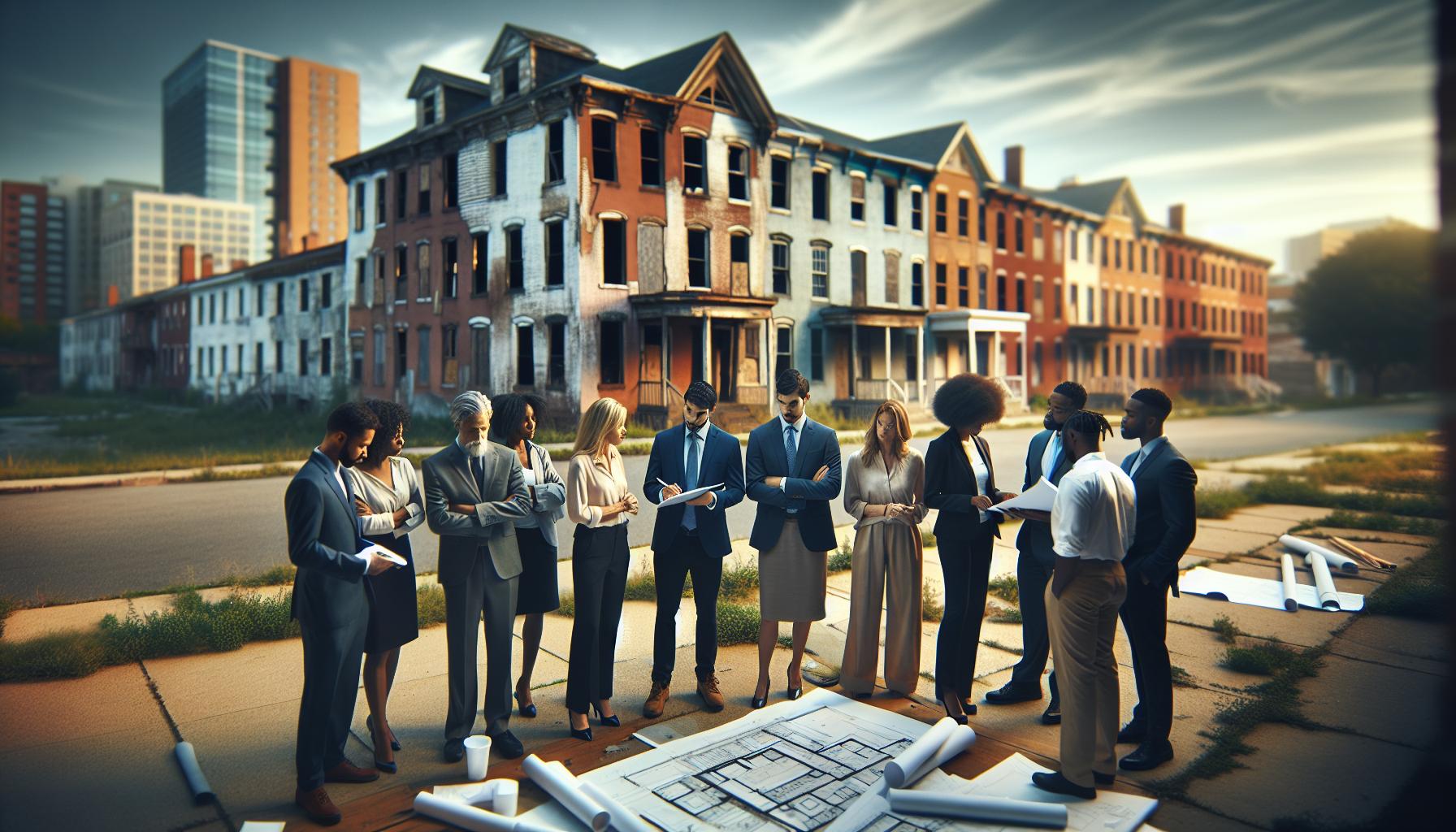
How Poor Houses Influenced Housing Policies
Throughout history, poor houses have played a pivotal role in shaping modern housing policies and social welfare systems. Their establishment marked a significant response to rising poverty levels, driving authorities to create more structured forms of assistance and care for the disadvantaged. Recognizing the flaws and strengths of these institutions has informed contemporary housing regulations and social support mechanisms, guiding how today’s society addresses poverty and welfare.
One significant lesson from the era of poor houses is the necessity of flexibility in housing policies. Poor houses often operated under rigid guidelines that failed to accommodate the diverse needs of individuals and families. As a result, many residents found themselves stripped of autonomy and dignity. In response, modern housing policies emphasize more adaptable living arrangements, including transitional housing and community-oriented assistance programs that allow people to maintain a degree of independence while receiving support. This shift not only helps preserve family structures but also fosters resilience among residents, allowing them to build a life that accommodates their unique circumstances.
Today, policies such as the Housing First initiative and various rental assistance programs exemplify how society can provide stable housing without strict conditionalities. These approaches acknowledge that a secure living environment is foundational to overcoming poverty and instability. By providing access to affordable housing along with wraparound services, such as job training and mental health support, policymakers can create a more holistic approach that recognizes the interconnectedness of housing, health, and economic stability.
The influence of poor houses also extends to advocacy efforts that seek to reform and promote affordable housing solutions. Historically marginalized groups, who were often the primary occupants of poor houses, have become vital voices in pushing for policies that address housing inequities. Their experiences have led to a greater recognition of the need for affordable housing initiatives that prioritize not just shelter but a sense of community. As a result, contemporary policies increasingly focus on inclusive housing developments, fostering diverse neighborhoods that encourage interaction and support among residents.
In this evolving landscape, the emphasis on compassionate, community-driven approaches informs how we look at poverty and housing today. Rather than isolating those in need, modern policies strive to integrate individuals into supportive networks that empower them to thrive. This transformative perspective not only reshapes housing policies but also redefines the societal narrative around poverty, emphasizing shared responsibility and collective welfare.
Comparing Poor Houses: Global Perspectives
Throughout history, poor houses have varied dramatically across different cultures and regions, revealing much about societal values and responses to poverty. From the workhouses of 19th-century England to the Almshouses of early America, these institutions reflect diverse approaches to managing the welfare of those in need. In comparing poor houses globally, we uncover a spectrum of philosophies that prioritize either social integration or segregation, economic productivity or mere survival.
In the United Kingdom, the Poor Law Amendment Act of 1834 enforced the establishment of workhouses intended to deter the able-bodied poor from seeking aid. Conditions were harsh, with inmates subjected to strict discipline and labor requirements, essentially treating poverty as a moral failing rather than a social issue. This model instigated debates on human dignity, leading to important reforms in the welfare state over the subsequent decades.
Conversely, the Almshouses in the United States emerged as charitable institutions aimed more at providing shelter and care than at enforcing labor. Many were founded by local philanthropists who sought to create safe havens for the elderly or the infirm, promoting a sense of community and compassion over the rigid demands seen in the British model. This approach reflects a more humane understanding of poverty, recognizing the individuals behind the statistics and fostering a sense of inclusion rather than isolation.
In contrast, modern-day global perspectives showcase a shift from traditional poor houses to diverse welfare systems. Countries such as Finland have pioneered initiatives like “Housing First,” which emphasize providing stable housing without preconditions. This model recognizes the complex interplay between homelessness, mental health, and social barriers, prioritizing dignity and autonomy over institutional dependence. Similarly, nations in Scandinavia focus heavily on universal social safety nets, promoting health care access and education as integral parts of maintaining economic stability for all citizens.
These historical comparisons illuminate a vital lesson: the effectiveness of social assistance systems must be rooted in understanding the nuanced needs of individuals. As modern society navigates new challenges in poverty and social welfare, drawing on these diverse global perspectives allows for the development of more inclusive, adaptable, and humane approaches to supporting vulnerable populations. It underscores the imperative of creating systems that not only provide shelter but also empower individuals to thrive within their communities. Emphasizing compassion and shared responsibility is essential to remembering that everyone deserves dignity in facing life’s challenges.
Advancements in Social Assistance Since Poor Houses
The evolution of social assistance since the days of poor houses marks a significant transformation in how society addresses the needs of its most vulnerable members. Unlike the rigid and often punitive systems of the past, modern assistance frameworks tend to prioritize dignity, empowerment, and integration. One of the most notable advancements is the transition towards a more holistic approach that recognizes the interplay of various social factors-such as mental health, education, and housing stability-in tackling poverty.
Today’s social safety nets often include programs that provide direct financial assistance, job training, and educational opportunities. For instance, many countries are embracing the concept of universal basic income (UBI), which provides regular unconditional payments to individuals regardless of their employment status. This approach seeks to alleviate poverty by giving people the financial flexibility to make choices that best suit their circumstances, thereby helping to prevent the cycle of poverty that poor houses often entrenched.
Another significant development is the adoption of Housing First initiatives, which have shifted the focus from merely providing temporary shelter to offering permanent housing solutions for the homeless. By ensuring that individuals have stable housing as a foundation, these programs significantly improve their chances of success in other areas of life, such as employment, health care access, and social integration. This model not only addresses homelessness but also recognizes that housing is a right and an essential element for overall well-being.
Investment in community-based support services has also surged, creating a more supportive environment for individuals and families in need. Programs may include mental health services, substance abuse treatment, and childcare support, all aimed at addressing the root causes of poverty rather than just its symptoms. By fostering resilience and self-sufficiency, these advancements empower individuals to rebuild their lives in a manner that poor houses rarely allowed.
As we look back on the lessons learned from the history of poor houses, it is clear that a compassionate, multifaceted approach to social assistance not only uplifts individuals but also strengthens communities. By integrating support systems that emphasize respect, dignity, and personal agency, society can make meaningful strides toward reducing poverty and improving the quality of life for all its members.
Modern Alternatives to Poor Houses
Across history, the idea of a ‘poor house’ conjures images of neglect, poverty, and strict institutionalization. However, in today’s evolving social landscape, innovative alternatives have emerged that prioritize dignity, community, and empowerment for those in need. These modern solutions reflect a deeper understanding of the complexities surrounding poverty, aiming to address not just the symptoms but the roots of economic hardship.
One vital alternative gaining traction is the model of Supportive Housing, which combines affordable housing with comprehensive support services such as counseling, job training, and health care. This holistic approach acknowledges that simply providing shelter is insufficient; rather, individuals require ongoing assistance to achieve stability and independence. Programs like this foster a sense of community and belonging, reducing isolation and encouraging residents to engage actively in their neighborhoods.
Moreover, Community Resource Centers serve as centralized hubs for a variety of support services, from mental health care to skills training. These centers empower individuals with resources tailored to their specific needs while promoting access to education and job opportunities. They embody the spirit of collaboration, inviting community members to participate in their success, which not only uplifts individuals but also strengthens local ties.
The idea of Universal Basic Income (UBI) is also gaining recognition as a proactive approach to alleviating poverty. UBI proposes to provide individuals with a financial base, allowing them the freedom to pursue education, initiate businesses, or spend time caring for family without the stress of satisfying immediate financial needs. This approach offers a fundamental shift in perspective, viewing individuals not merely as dependents but as capable agents of change within their communities.
Finally, embracing Creative Solutions such as cooperative housing and shared ownership models can facilitate financial stability and community building. By allowing families to co-invest in homes or workspaces, these alternatives not only provide affordable options but also foster a sense of shared responsibility and solidarity. This entrepreneurial spirit encourages innovation and ensures community investment, illustrating that together, individuals can overcome challenges and create viable pathways out of poverty.
In sum, the modern landscape of social assistance offers a nuanced understanding of poverty, with alternatives that prioritize respect, capability, and community. By focusing on integrated approaches that empower individuals, society can replace outdated models of poor houses with supportive frameworks that uplift every member, fostering a brighter, more equitable future for all.
Reflections on Poverty and Compassion Today
The evolution of society’s approach to poverty reveals a profound shift towards compassion and understanding. Today, as we reflect on the historical context of poor houses, it becomes clear that modern responses must prioritize not just survival, but dignity and empowerment. The legacy of poor houses-which often symbolized neglect and institutionalized disenfranchisement-contrasts sharply with the contemporary drive to cultivate supportive environments that foster personal growth and community involvement.
Modern perspectives on poverty encourage a comprehensive approach to social assistance, recognizing that immediate financial relief is only part of the solution. For many, understanding and navigating financial resources can be daunting. The rise of community resource centers exemplifies this shift, offering holistic services that combine education, mental health support, and vocational training. Such initiatives help individuals build resilience and pursue opportunities that enhance their quality of life.
Moreover, fostering community connection through cooperative housing and local entrepreneurship highlights the importance of shared experiences and support systems. Encouraging individuals to collaborate in homeownership or local business ventures cultivates a sense of belonging and agency, countering the isolation often felt by those in poverty. This approach not only addresses the material needs of families but also nurtures their aspirations and capacities.
Incorporating frameworks like Universal Basic Income (UBI) could further transform our social safety nets by providing a stable financial foundation, allowing people to focus on long-term goals rather than immediate survival. Encouraging policies that enhance personal agency while simultaneously addressing systemic barriers is essential. As we continue to navigate the complexities of poverty today, embracing innovative solutions rooted in compassion and dignity can pave the way for a more equitable future for all.
In this evolving landscape, it is vital for individuals and families to engage actively with available resources and to prioritize financial education and community involvement. Whether through budgeting workshops, entrepreneurial ventures, or collective support systems, each person plays a pivotal role in building a society where compassion reigns, and opportunities are accessible to all. By working together, communities can foster environments where everyone is not only able to survive but to thrive.
Q&A
Q: What were the main purposes of poor houses in historical contexts?
A: Poor houses primarily served to provide shelter, food, and basic care for the impoverished and destitute. They aimed to alleviate poverty by offering a safe haven and support for those unable to fend for themselves, reflecting society’s attempts to address social welfare needs.
Q: How did the conditions in poor houses affect residents’ mental health?
A: Living conditions in poor houses were often harsh and isolating, leading to feelings of despair and hopelessness among residents. The stigma attached to poverty and institutional living further exacerbated mental health issues, revealing the need for compassionate support systems.
Q: What lessons from poor houses can be applied to modern social welfare programs?
A: Modern welfare programs can learn the importance of dignity and respect for individuals in need. Emphasizing community support, negative stigma reduction, and holistic care can improve the effectiveness of contemporary social assistance, echoing insights from poor house history.
Q: How did poor houses influence family structures in historical societies?
A: Poor houses often separated families as individuals sought aid separately, which disrupted traditional family units. This shift highlighted the necessity for social policies that prioritize family cohesion and support, lessons relevant to contemporary discussions about welfare.
Q: What changes in societal attitudes toward poverty were influenced by poor houses?
A: The existence of poor houses prompted a shift in attitudes from viewing poverty as a personal failure to recognizing it as a societal issue requiring collective action. This awareness laid groundwork for modern social safety nets and welfare programs.
Q: What are the criticisms surrounding poor houses historically?
A: Critics argued that poor houses were inhumane and stigmatizing, often treating residents with neglect and dehumanization. These criticisms have led to modern advocacy for more compassionate and empowering approaches to social welfare.
Q: How have modern alternatives to poor houses evolved since their decline?
A: Modern alternatives, such as shelters, transitional housing, and community-based support services, focus on providing dignity and autonomy. They prioritize integration and personalized assistance, which contrasts with the institutionalized nature of historical poor houses.
Q: In what ways can poor houses be compared globally?
A: Globally, poor houses have varied significantly in structure and function. Comparing their roles reveals cultural differences in addressing poverty, highlighting how local societal values and economic conditions shape approaches to welfare and housing.
In Summary
Understanding the historical context of poor houses not only highlights past social safety nets but also informs our approach to modern financial wellness. As we navigate today’s economic challenges, these lessons can empower us to create effective support systems for ourselves and our communities. If you’re looking to further enhance your financial strategy, explore our articles on debt-free living and smart budgeting for actionable tips that can make a real difference.
Ready to take the next step toward financial security? Don’t miss out-sign up for our newsletter for ongoing insights and resources tailored to boost your journey towards a more purposeful life. Share your thoughts in the comments, and let’s continue this vital conversation! By understanding our past, we can build a brighter, more resilient future together. Explore related content on affordable housing options or delve into the art of creative money-saving solutions to keep the momentum going!