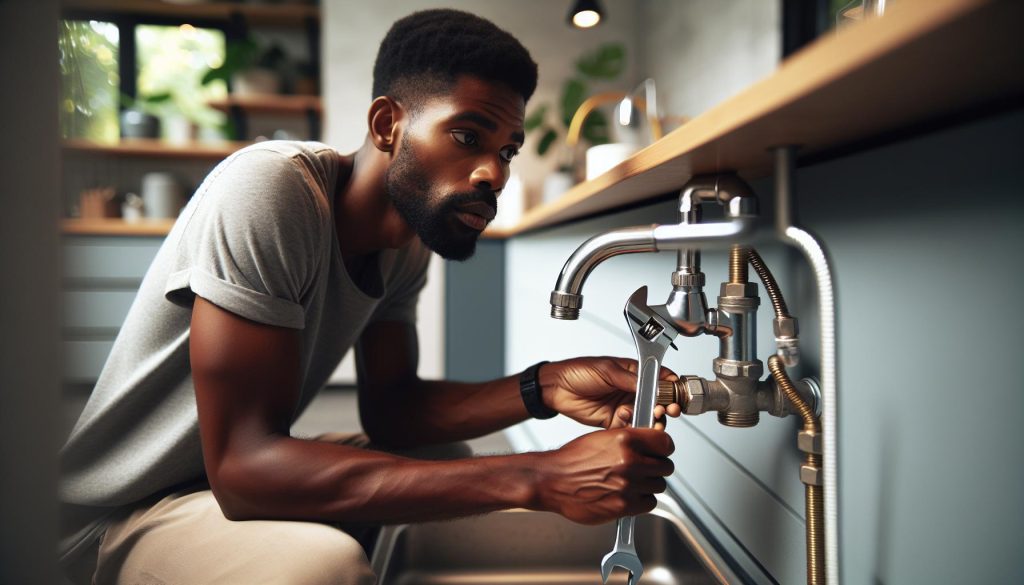
Imagine turning on your faucet only to be greeted by a frustrating trickle instead of a steady stream. Poor water pressure not only disrupts daily tasks like showering and dishwashing but could also signal underlying plumbing issues that require attention. In this guide, we will explore practical, budget-friendly solutions to help you restore your home’s water pressure efficiently. By understanding the common causes and easy fixes, you’ll empower yourself to create a more comfortable living environment. Join us as we navigate through actionable steps that not only enhance your water flow but also promote a sense of well-being and security in your home. Your journey to improved water pressure starts here!
Understanding the Causes of Poor Water Pressure
Understanding low water pressure in your home can feel overwhelming, but it’s essential to address it for a comfortable living environment. Many homeowners aren’t aware that various factors contribute to this common issue. For instance, aging plumbing systems may have accumulated mineral deposits, leading to narrowed pipes that impede flow. Additionally, if your home has hard water, you might face more severe build-up that exacerbates pressure loss. Understanding these underlying causes can guide you in troubleshooting and resolving the problem.
Another significant factor is your municipal water supply. If your area experiences high demand, such as during peak times, you may find your water pressure fluctuating. Infrastructure issues, including damaged pipes or leaks in the municipal system, can also lead to low pressure. Beyond external factors, internal issues like faulty pressure-reducing valves can directly impact how water flows into your home.
To diagnose poor water pressure, consider these common causes:
- Aging or damaged pipes: Old pipes can corrode or accumulate debris, creating blockages.
- Pressure regulator problems: If your home has a pressure regulator, it may be broken or misadjusted.
- Leaks: Undetected leaks in your plumbing system can reduce overall pressure and waste water.
- Clogged fixtures: Faucets and showerheads may have build-up that hinders water flow.
Taking a proactive approach to address these potential causes can restore not just pressure but also peace of mind. Conducting routine maintenance and being attentive can help you avoid more costly repairs down the line. By understanding the causes of low water pressure, you empower yourself to take the right steps towards improvement, ensuring your home remains a comfortable haven regardless of external circumstances.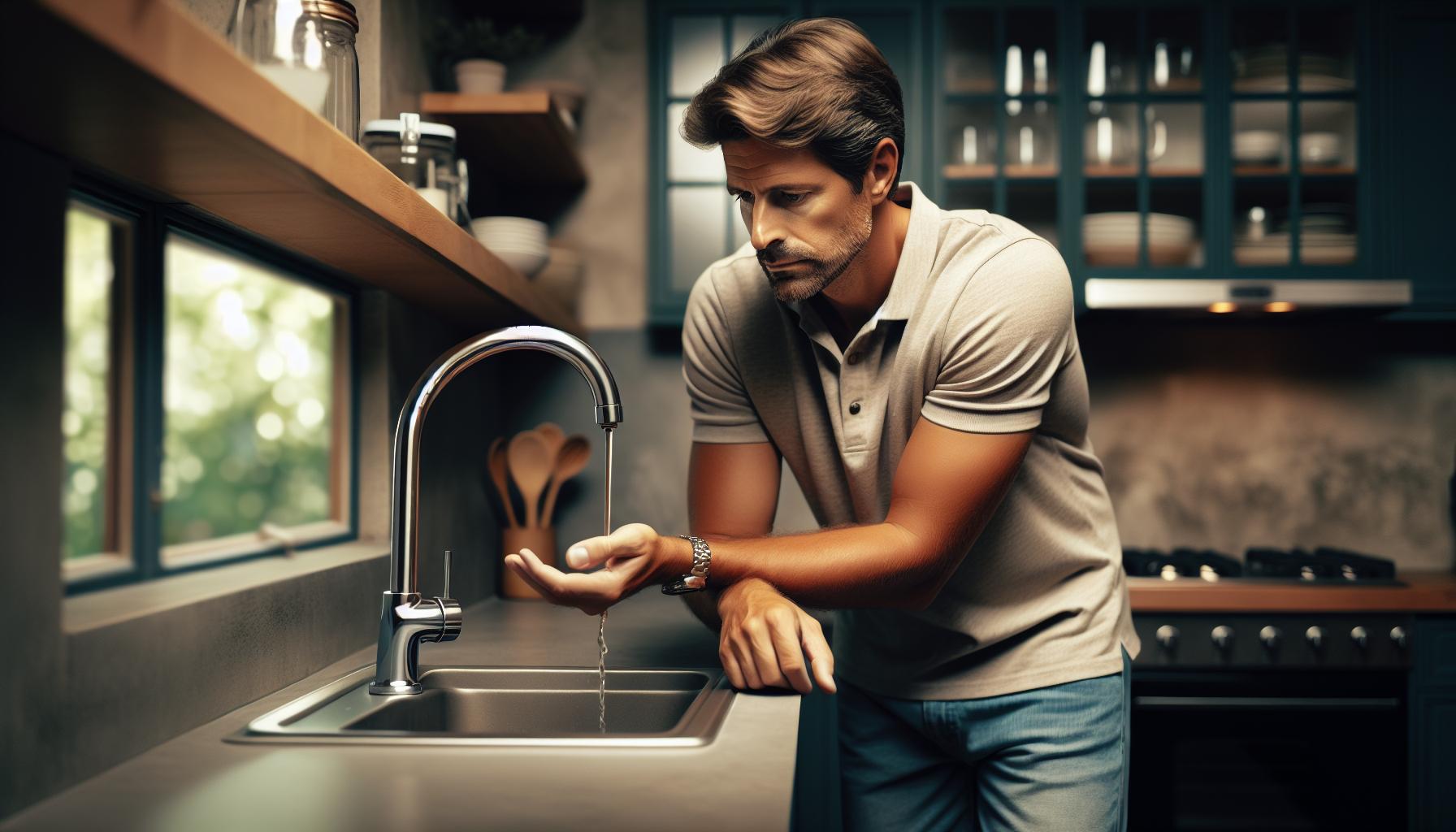
Signs You Might Have Low Water Pressure
Experiencing low water pressure in your home can turn everyday tasks into frustrating challenges. Often, this issue sneaks up on homeowners, with signs appearing gradually but signaling potential problems that need attention. One distinct indicator that you might have low water pressure is a noticeable decrease in the strength of water flow from your faucets and showerheads. If you find yourself waiting longer for water to fill a pot or taking an uncomfortably long shower due to lackluster spray, this could be your first clue.
Another common sign is inconsistent water flow, where certain fixtures seem to struggle more than others, especially when multiple outlets are in use. For instance, if running the faucet while the dishwasher is on causes a significant drop in water pressure, that imbalance often points to underlying plumbing issues. Additionally, if you notice irregularities in your toilets, such as slow tank fill times or weak flushing, this also suggests a water pressure problem.
It’s equally important to be aware of any unusual noises in your pipes, such as banging or gurgling sounds when using water. These noises can indicate air trapped in the plumbing, often a result of low water pressure affecting the normal flow. Moreover, recurring issues with appliance performance, such as dishwashers or washing machines not operating efficiently, can signal that your water pressure isn’t where it should be, affecting performance and potentially leading to more significant repair costs down the line.
In summary, recognizing the signs of low water pressure can empower you to take action early. By staying observant of changes in water flow, appliance efficiency, and unusual plumbing noises, you can better identify the problem and explore effective solutions to restore your home’s water pressure to optimal levels.
Step-by-Step Troubleshooting for Water Pressure Issues
Experiencing low water pressure in your home can feel like being in a constant struggle with daily tasks. Luckily, it’s often possible to troubleshoot and resolve these issues yourself with a systematic approach. Begin by identifying the scope of the problem. Is the low pressure affecting just one faucet or multiple fixtures throughout your home? This initial assessment can help narrow down potential causes.
Next, check for any visible signs of leaks in your plumbing. Look under sinks, around toilets, and in your crawlspace or basement. Leaky pipes can significantly affect water pressure and lead to further complications if not addressed. Once you’ve confirmed your plumbing is intact, it’s time to consider the water supply itself. Make sure the main water valve is fully open; sometimes, an adjustment is all it takes to restore adequate flow.
If no leaks are found and the valve is open, consider inspecting aerators on your faucets and showerheads. These fittings can accumulate mineral deposits over time, which restrict water flow. Unscrew them, clean thoroughly with vinegar if needed, and reattach. If the problem persists, it may be time to check your pressure regulator if you have one. This device controls water pressure entering your home and might need adjustment or replacement.
Finally, if these steps do not rectify the issue, consider whether your home’s plumbing system is undersized for your current water demands. If you have added appliances or fixtures, they could be overburdening an already inadequate system. At this stage, it might be wise to consult a professional plumber who can evaluate the situation more comprehensively and implement solutions that suit your household needs and budget. With the right steps, you can take control of your water pressure issues and restore comfort in your home.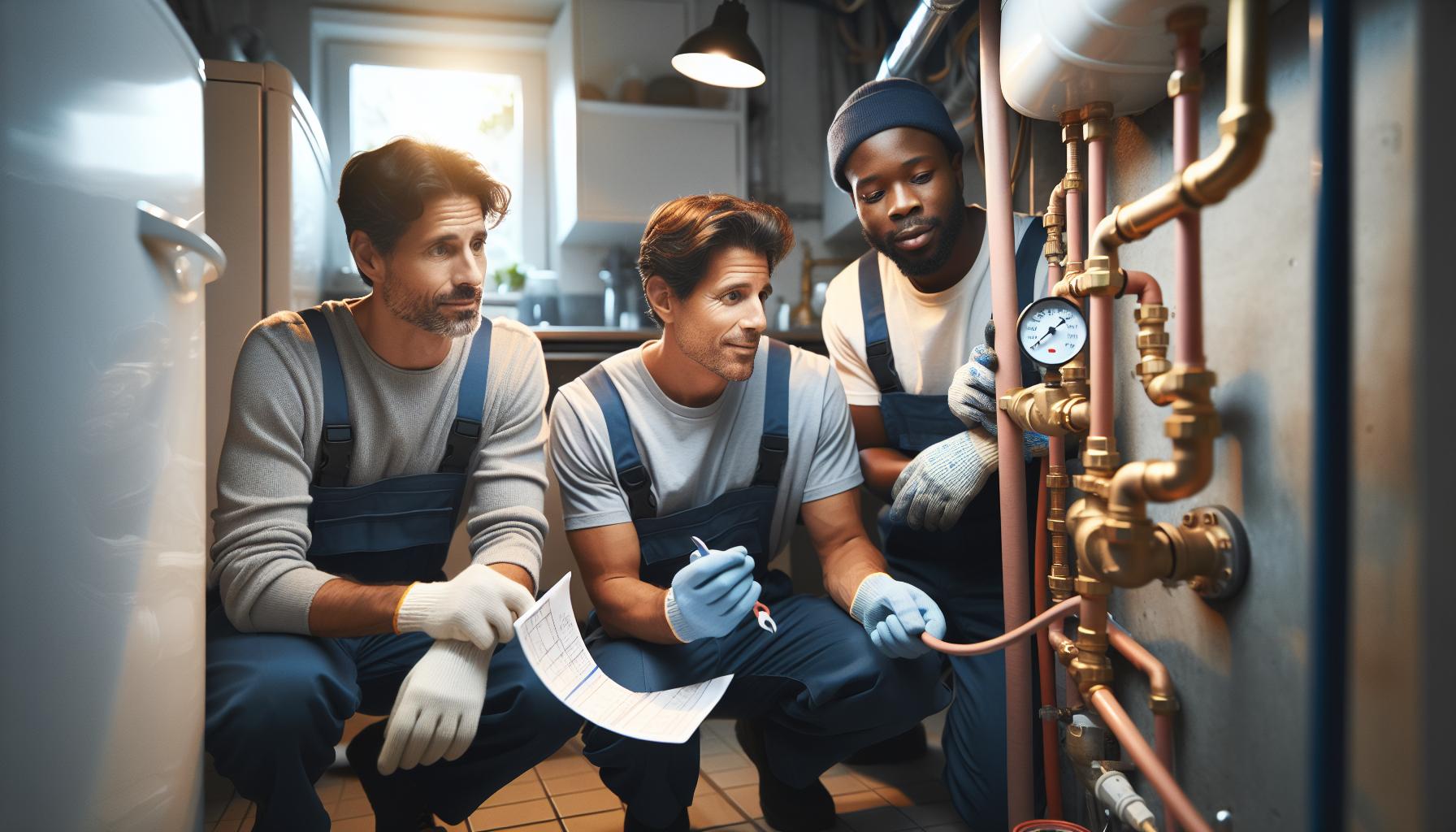
Common Plumbing Problems Affecting Water Pressure
Poor water pressure can often be traced back to common plumbing issues that can be addressed with some knowledge and initiative. Understanding these problems is the first step toward regaining control over your home’s water flow. One of the most frequent culprits is pipe obstructions caused by mineral build-up. Hard water, particularly, tends to leave deposits on the interior of pipes, particularly in areas with lower water flow. These mineral deposits can impede water movement, leading to frustratingly low pressure at your faucets and showerheads. Regular maintenance, such as descaling pipes or installing water softeners, can be effective in preventing these issues.
Another issue is damaged or corroded pipes, especially in older homes where metal pipes rust over time. Corrosion can create rough surfaces that further trap debris and slow down the water flow. If you’re experiencing inconsistent pressure, it may be worthwhile to inspect your pipes. In some cases, replacing sections of piping or switching to more durable materials may be the most lasting solution. Don’t let pipe problems derail your daily routines; consider this a chance to upgrade your plumbing for improved efficiency.
Additionally, plumbing leaks can often go unnoticed, hidden within walls or beneath floors. These slow leaks can drain your system and significantly reduce water pressure. Implementing regular checks under sinks and around major appliances can help catch signs of trouble before they escalate. If you find moisture where it shouldn’t be or discover water stains on walls or ceilings, address those leaks immediately to restore your water pressure and save on potential costly repairs.
Lastly, consider the role of fixtures such as faucets and showerheads. Aerators and cartridge filters can collect grime and debris, leading to reduced flow rates even in perfectly functioning pipes. Regularly cleaning or replacing these components can make a remarkable difference. With a bit of diligence and the right approach, you can resolve common plumbing problems that affect water pressure, ensuring your home remains a comfortable and efficient environment.
How to Check Your Home’s Water Pressure Levels
Determining the water pressure levels in your home can significantly impact your comfort and the overall functionality of your plumbing system. Low water pressure can make simple tasks-like showering, washing dishes, and watering plants-frustratingly slow. Conversely, excessive pressure can damage your pipes and fixtures over time. Knowing how to accurately check your water pressure will empower you to address any underlying issues proactively.
To start measuring your water pressure, you will need a pressure gauge. These devices are readily available at hardware stores and are typically inexpensive. Simply attach the gauge to an outdoor faucet or a sink faucet after ensuring that no other water outlets are in use. Turn the faucet on fully and note the reading on the gauge. Normal water pressure typically ranges from 40 to 60 psi (pounds per square inch). If the pressure is significantly lower than this range, you may be experiencing low water pressure issues.
If you don’t have access to a pressure gauge, there are still ways to assess your water pressure. One simple method is to turn on the faucet and check the flow rate. Measure how long it takes to fill a container of known volume (like a gallon jug). A faster fill time generally indicates good water pressure. Conversely, if it takes a long time to fill the container, your home may be suffering from low pressure. This process, while less precise, can still give you a good sense of whether your system is functioning optimally.
Once you’ve measured your water pressure, be sure to take note of any irregularities, such as fluctuations during use. If you discover that your water pressure is consistently low, consider inspecting the plumbing fixtures, pipes, and potential leaks. You may also want to check for blockages or the condition of your pressure regulator if your system has one. Taking these steps can lead to a deeper understanding of your home’s plumbing and pave the way toward effective solutions for any water pressure problems you may face.
Simple Fixes for Low Water Pressure in Bathrooms
Experiencing low water pressure in your bathroom can transform simple tasks into frustrating challenges. Perhaps you’re tired of waiting for the shower to warm up or dread the prolonged time it takes to fill the bathtub. However, fear not! There are several straightforward fixes you can implement to enhance water pressure, making your bathroom a more functional and enjoyable space.
Start by inspecting your faucet aerators and showerheads. Over time, mineral deposits and debris can accumulate, diminishing the flow of water. To tackle this issue, unscrew the aerator from the faucet or the showerhead and soak it in a vinegar solution to dissolve any buildup. Rinse thoroughly before reassembling. This simple step can significantly improve water flow, giving you a refreshing shower without interruptions.
Another common culprit for low bathroom water pressure is partially closed valves. Ensure that the main shut-off valve and any local valves for the bathroom fixtures are fully open. Sometimes, these valves can accidentally get turned, restricting flow. Additionally, if you have older plumbing, consider inspecting for leaks or corrosion that could be impeding water flow. Addressing these issues proactively can prevent further complications down the line.
If you find yourself continuously battling low pressure despite these fixes, consider investing in a pressure booster pump. This device can be particularly helpful if your home is at the tail end of a water line, where pressure might drop. Although the initial investment may seem daunting, it can lead to substantial improvements in your daily routine, enabling you to enjoy showering or washing without hassle.
Ultimately, enhancing water pressure in your bathroom can be a manageable and rewarding endeavor. By employing these solutions, you can create a more pleasant and efficient environment, allowing you to flourish in your daily routines. Remember, small changes can lead to significant improvements, so stay proactive and empowered in your home maintenance efforts.
Dealing with Low Water Pressure in Kitchen Sinks
Experiencing low water pressure in your kitchen sink can turn everyday tasks like washing dishes or filling pots into a tedious chore. Fortunately, there are a variety of simple yet effective solutions you can implement to bring your kitchen back to life. Many homeowners often overlook common causes, but with a bit of troubleshooting and creativity, you can significantly improve your water flow without breaking the bank.
Start by checking the faucet aerator, a small screen located at the tip of the faucet. Over time, sediment and mineral deposits can clog it, resulting in diminished water pressure. To clean it, simply unscrew the aerator, soak it in a vinegar solution for about 30 minutes to dissolve any buildup, rinse it thoroughly, and reattach it. You’ll be amazed at how this small step can restore flow to your kitchen sink.
Another factor to examine is the water supply valves. Ensure that the shut-off valve under the sink is fully opened. These valves can sometimes get partially closed during routine maintenance or repairs, severely restricting water flow. Additionally, inspect the supply hoses for kinks or blockages; even a small bend can impede water flow. If you encounter outdated or corroded pipes, consider replacing them. New, flexible supply lines can improve flow and are often an affordable upgrade.
If cleaning the aerator and inspecting the valves does not fix the issue, it might be time to look for leaks in your plumbing. Leaks can occur in visible places under the sink or behind the walls, significantly decreasing water pressure. Feel around the pipes for dampness and listen for any hissing sounds that indicate escaping water. If you suspect a leak but can’t locate it, consulting with a plumber may be necessary to prevent further damage.
By combining these actionable steps, you can address and prevent low water pressure in your kitchen sink effectively and affordably. Emphasizing proactive home maintenance can not only enhance your kitchen experience but also help you maintain a budget-friendly lifestyle. Every small effort contributes to a more functional home, allowing you to enjoy the little moments of everyday living without frustration.
The Impact of Pipe Corrosion on Water Pressure
As a homeowner, you might not realize that the pipes carrying water into your home can be silently affecting your daily life. Over time, pipe corrosion can severely impact water pressure, making even the simplest tasks feel cumbersome. Corrosion occurs when metal pipes react with water and oxygen, leading to rust and buildup inside the pipes. This not only narrows the internal diameter of the pipes but can also cause leaks and water quality issues. Understanding how this deterioration happens and its effects can empower you to take proactive steps in maintaining your plumbing system.
Causes of Pipe Corrosion
A variety of factors can lead to corrosion in your plumbing. Exposure to water quality issues, such as acidic or soft water, promotes corrosion faster than neutral pH water. Additionally, the age of your home’s plumbing plays a significant role; older homes often have galvanized pipes that are more susceptible to corrosion. Environmental factors like soil composition and temperature fluctuations can also exacerbate the issue, causing the pipes to deteriorate more rapidly.
Effects on Water Pressure
As corrosion progresses, it leads to a buildup of rust, scale, and other debris that restricts water flow. This can result in diminished water pressure throughout your home, making it challenging to complete daily activities such as showering or washing dishes. A specific case to consider is when dealing with kitchen sinks-if your sink has low pressure, it might indicate corrosion in the pipes leading to it. Regularly monitoring your water pressure can help catch these issues early.
Preventive Actions and Solutions
To mitigate the impact of pipe corrosion, consider the following steps:
- Regular Inspections: Schedule regular plumbing inspections to catch any signs of corrosion early and make necessary repairs.
- Consider Pipe Replacement: If you live in an older home, strategically replacing sections of corroded pipes with modern materials like PVC or PEX can vastly improve water pressure and quality.
- Water Treatment: Installing a water treatment system can neutralize acidity and reduce corrosion risks, enhancing the longevity of your plumbing.
Being proactive about these challenges can ensure your plumbing remains in top shape, fostering a healthier and more enjoyable home environment. By addressing corrosion now, you not only enhance your water pressure but also extend the lifespan of your plumbing system, ensuring your home remains a comfortable haven for you and your family.
When to Call a Plumber for Water Pressure Problems
It’s not uncommon to overlook the importance of water pressure in our daily activities, yet when it falters, it can lead to frustration and inconvenience. Whether you’re taking a shower, rinsing off dishes, or washing laundry, adequate water pressure is essential for a smooth flow in chores. However, if you’ve already attempted various troubleshooting methods to identify the source of the low water pressure-such as checking for clogs, inspecting faucets, and evaluating your plumbing’s age-it’s time to consider when to call in the professionals.
Recognizing the right moment to enlist a plumber can save you time, money, and stress. If you notice sudden drops in water pressure across multiple fixtures rather than isolated incidents, this may signal a more substantial issue, such as a leak in your main line. A professional can locate hidden leaks and repair them efficiently, ensuring your water supply is restored quickly. Additionally, if water pressure fluctuates significantly or if there are unusual noises in your plumbing system, it might indicate problems with the pressure regulator, which requires specialized knowledge to resolve.
It’s also wise to reach out for assistance if you experience water quality concerns alongside low pressure. Discoloration or strange odors can point toward corrosion or other plumbing issues that can affect both pressure and overall water safety. Plumbers have the tools and expertise to conduct comprehensive inspections, identifying not only the immediate problems but also potential future risks within your system.
Lastly, if your home is older and you suspect foundational problems with your plumbing-like outdated galvanized pipes or significant corrosion-it’s important to make the call for a plumber. Upgrading to modern materials may be necessary, not only to improve pressure but to enhance the overall functionality and safety of your plumbing system. Investing in professional help can yield long-term benefits, making your household more efficient and reducing both current and future maintenance costs.
- Multiple Fixtures Affected: If the low pressure is seen at various fixtures, a larger issue may be at play.
- Water Quality Issues: Discoloration or odors could suggest dangerous corroded pipes.
- Home Age: Older homes may require pipe upgrades for better reliability.
By taking timely action and consulting a plumbing professional, you can alleviate poor water pressure problems and maintain a more comfortable living environment.
Cost-Effective Solutions for Improving Water Pressure
Improving water pressure in your home doesn’t always have to come with a hefty price tag. There are several cost-effective solutions that can be implemented right away, allowing you to maximize your water flow without stretching your budget. For instance, routine maintenance checks on fixtures such as faucets and showerheads can often uncover simple fixable issues like mineral build-up or clogs that restrict water flow. A gentle soak in vinegar can effectively dissolve many of these obstructions, restoring optimum performance.
Another economical method to consider is optimizing your plumbing layout. Evaluating the distances water needs to travel through your system can reveal inefficiencies. If your home has multiple stories, positioning a pressure-boosting water pump may be a timely investment, ensuring consistent flow throughout the house without breaking your bank. Additionally, incorporating low-flow fixtures in your bathrooms and kitchen can help maintain satisfactory pressure while conserving water, allowing you to reduce your utility bills.
If your water pressure ebbs during peak usage hours, scheduling water-intensive tasks at different times could alleviate the problem. This simple adjustment can drastically improve your experience without incurring extra costs. Moreover, making sure that gate valves are fully open and checking for leaks in exposed pipes can also contribute significantly to maintaining adequate pressure levels in your home.
Lastly, investing in a water pressure regulator is another effective solution that can help manage fluctuations in pressure. These devices are often affordable and can lead to improved water delivery without the need for extensive plumbing renovations. By taking these proactive steps, you can enhance your home’s water pressure without the stress of unnecessary expenses, ensuring a seamless and comfortable daily routine.
Preventative Measures to Maintain Adequate Water Pressure
Maintaining adequate water pressure in your home is essential for daily comfort and productivity, yet it often requires proactive measures to ensure that your plumbing system operates efficiently. Regularly engaging in simple maintenance routines can significantly extend the life of your plumbing and help you avoid costly repairs down the line. Here are some effective preventative strategies that can empower you to keep your water pressure in check without breaking the bank.
Routine Inspections
One of the most effective ways to prevent water pressure issues is through routine inspections of your plumbing system. Look for signs of leaks around faucets, toilets, and visibly accessible pipes. A small leak can lead to a significant drop in water pressure and increased water bills. Make it a habit to check your fixtures monthly for wear and tear, and address any problems immediately. If you notice discolored water or rust around fittings, it could indicate corrosion that needs prompt attention.
Regular Cleaning
Mineral buildup from hard water can accumulate in your pipes and fixtures, resulting in decreased water flow. To combat this, consider performing a monthly cleaning of aerators in faucets and showerheads. Simply soak them in a mixture of vinegar and water for a few hours to dissolve any built-up debris. This simple task can dramatically improve water flow and pressure, making a noticeable difference in your daily routines.
Valorizing Water-saving Devices
Installing low-flow fixtures and appliances can not only help you conserve water but also manage your household’s overall water pressure efficiently. Products like low-flow showerheads and faucet aerators can help maintain a strong pressure while using less water, ultimately saving you on your utility bills. These fixtures are typically easy to install and can create a more sustainable household without sacrificing performance.
Mindful Usage
Being mindful of water usage during peak hours can also make a significant impact. If multiple family members are using water-heavy appliances simultaneously (like showering and washing laundry), it can lead to a noticeable drop in pressure. Strategically spacing out these uses can prevent overwhelming the system and ensure adequate pressure where it’s needed most. Consider scheduling heavy water usage for times when it’s less likely to impact others, fostering a harmonious balance in your household routines.
By implementing these straightforward strategies into your home upkeep, you can proactively safeguard against low water pressure, ensuring that your plumbing operates smoothly and efficiently. These measures not only enhance your daily quality of life but do so in a budget-friendly manner that benefits your household’s overall financial health. Addressing water pressure issues before they arise builds resilience in your home, allowing you to focus more on enjoying your space rather than worrying about unexpected plumbing problems.
Understanding Water Pressure Regulators and Their Role
Water pressure regulators play a crucial role in ensuring that your home enjoys a steady and safe water supply. These devices are designed to manage the pressure of water coming into your home from the municipal supply, typically reducing high incoming pressure to levels that are safe for your plumbing system. Without proper regulation, excessive water pressure can lead to a range of problems, including burst pipes, leaking fixtures, and increased wear on appliances, not to mention skyrocketing water bills.
In homes where high water pressure is a common issue, installing a water pressure regulator can be a wise decision. This not only protects your plumbing infrastructure but also enhances your everyday water usage experience. For instance, it can prevent the annoying problem of faucets splashing water everywhere due to forceful flow, allowing for a more comfortable and controlled water experience. Additionally, a well-functioning regulator can extend the lifespan of appliances like dishwashers and washing machines, which may be damaged by high pressures over time.
When considering the implementation of a water pressure regulator, it’s essential to understand how it works. The regulator typically uses a spring-loaded mechanism or a diaphragm to adjust and maintain the set pressure. Homeowners can often adjust this setting according to their needs, striking a balance between effective water flow and conservation. Taking this step can lead to significant savings on your water bill while contributing to sustainable water usage practices.
Regular maintenance of your water pressure regulator is just as important. Inspect it periodically for any signs of wear or malfunction, such as fluctuating water pressure or leaks. A quick glance at your home’s water pressure levels can also help ensure that your regulator is functioning effectively; you can use a simple pressure gauge to check the levels at various points in your plumbing system. By investing attention in this small yet vital component of your plumbing system, you can help ensure that your entire home runs smoothly, maintaining both comfort and efficiency.
Q&A
Q: What are common causes of poor water pressure in homes?
A: Common causes of poor water pressure include clogged pipes, water leaks, corroded plumbing, and problems with the municipal water supply. Identifying the source can help in troubleshooting effectively and restoring optimal pressure.
Q: How can I increase water pressure in my shower?
A: To increase water pressure in your shower, clean the showerhead by soaking it in vinegar to remove mineral deposits. You can also check the water valve to ensure it’s fully open or consider installing a pressure-boosting showerhead.
Q: Why is the water pressure in my house uneven?
A: Uneven water pressure often occurs due to pipe diameter differences, obstructions like sediment buildup, or multiple fixtures being used simultaneously. Inspecting your plumbing for blockages and potential leaks can help even out the pressure.
Q: What steps can I take to check for leaks affecting water pressure?
A: To check for leaks, turn off all faucets and water-using appliances, then monitor your water meter. If it moves, you likely have a leak. Check for wet spots in walls or ceilings, which may indicate hidden leaks affecting water pressure.
Q: Can installing a pressure regulator help with low water pressure?
A: Yes, installing a pressure regulator can help manage high water pressure and prevent damage to plumbing. However, if your water pressure is low, ensure your home is receiving adequate supply from the water main before installation.
Q: How do plumbing fixtures impact water pressure?
A: Building codes require fixtures to balance water flow. Low-quality or old fixtures can restrict water flow, leading to lower pressure. Upgrading to higher-efficiency fixtures can improve pressure significantly.
Q: What DIY methods can I use to fix low water pressure?
A: DIY methods include cleaning aerators, checking valves, and inspecting pipes for leaks. Additionally, you can adjust or replace the pressure-reducing valve for improved flow.
Q: When should I consider professional help for water pressure issues?
A: If basic troubleshooting and DIY fixes fail to resolve the problem, or if you suspect complex plumbing issues like pipe corrosion or significant leaks, it’s time to call a professional plumber for a thorough inspection.
For more detailed guidance on maintaining water pressure, check out the sections on troubleshooting and common plumbing problems in our main article. These strategies will help ensure that you keep your home’s water pressure at optimal levels.
To Conclude
If you’ve struggled with poor water pressure, now’s the perfect time to take action and implement the solutions we’ve discussed. By addressing this common issue, you can enhance your home’s comfort and efficiency. Remember, checking your plumbing, cleaning aerators, and inspecting for leaks can make a significant difference. Don’t let low flow become an ongoing problem-start your repairs today!
For more in-depth tips, be sure to explore our articles on maintaining household systems and smart budgeting for home improvements. And if you want to stay updated with helpful home maintenance advice, subscribe to our newsletter for exclusive insights straight to your inbox. Your home deserves the best, and with just a few efforts, you can ensure it’s just right for your needs. Join our community, share your experiences in the comments below, and check out our resources for financial savvy in homeownership and beyond. Let’s create a more enjoyable living space together!